
 Murcia University in southeast Spain, founded in 1915, is the tenth-oldest university in the country. And while history and tradition are important characteristics that define the institution, the latest technology systems are required to support the approximately 30,000 students enrolled each year. One such system is the fleet of buses that transports students around the university and between its two campuses.
Challenge
Murcia University’s bus fleet is owned and operated by Autocares Espuña who is contracted to provide bus services to the university students. The university sells transportation plans to the students which limited them to two bus rides per day within specific time periods. The existing procedure required bus drivers to hand-count passengers and cross-reference that information to the number of cards sold. Drivers also needed to remember whether a student had already ridden the bus to prevent over-use of the transportation plan. Finally, Autocares Espuña did not have a reliable way to project usage and provide the correct number of buses to cover peak rider demand times.
 The university and Autocares Espuña needed an efficient way to monitor bus usage and instantly communicate the passenger’s status to the bus driver. Additionally, a database of usage information was desired. The system had to be quick and convenient for the students as well as cost effective. Autocares Espuña also wanted to integrate two-way text messaging for communicating with bus drivers, and GPS capabilities to supervise itinerary data including distance driven, fuel level, observance of speed limits, stop/start records and whether the buses stayed within their approved route areas. All of these measures were needed to make the new system practical and cost effective as well as to provide security for the students and bus drivers.
Solution
Autocares Espuña realized that ease-of-use would be an important factor for success. If the new system was too difficult to use, the students would not purchase their transportation utilizing the card-based solution. Working with Murcia, Autocares Espuña contacted Protelsa, a Barcelona-based integrator that specializes in the development of fleet control and logistics solutions.
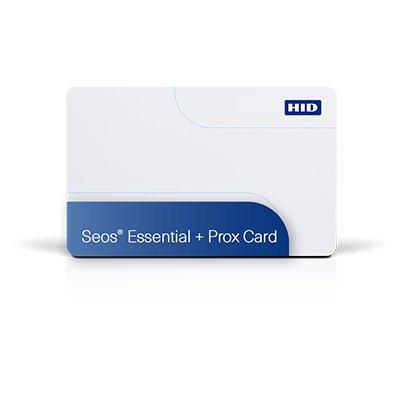
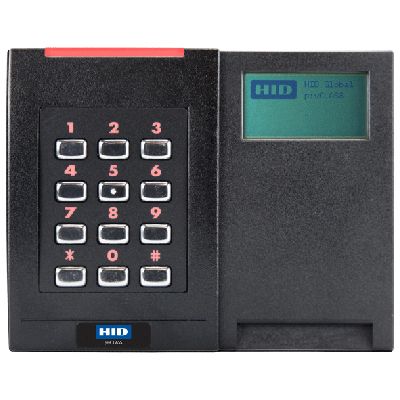
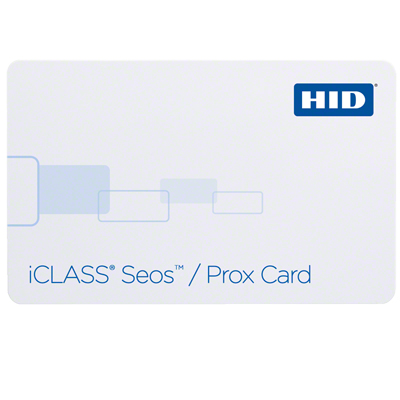
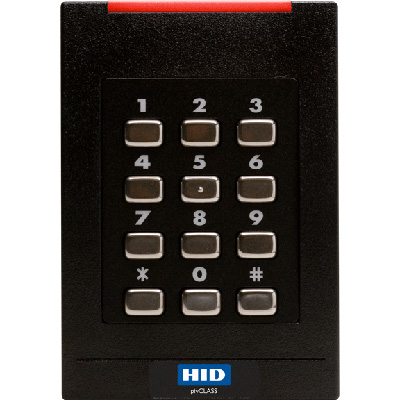
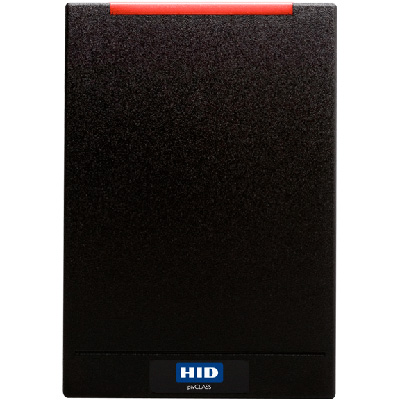
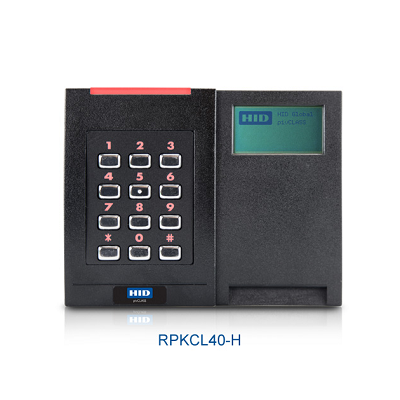
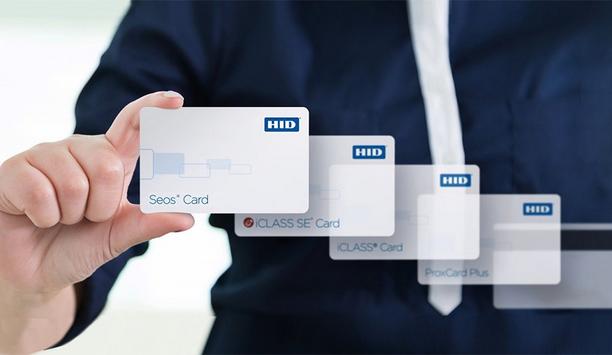
Protelsa recommended an HID solution that would meet the needs of the university, the students and Autocares Espuña. Protelsa control units with proprietary software plus hardware for the GPS, text messaging and database capabilities would be integrated with HID’s iCLASS RW300 contactless reader/ writer and iCLASS 13.56 MHz contactless smart cards.
The first step was to test the proposed system. “HID was very proactive and helpful at this stage of the project,“ commented Carlos Lopez of Protelsa. “Sending samples and providing technical support during development and testing was just part of the picture. There were two customers and both needed to be satisfied with the new system. We were able to implement a reliable, cost-effective design that met all of their requirements with the help of HID.”
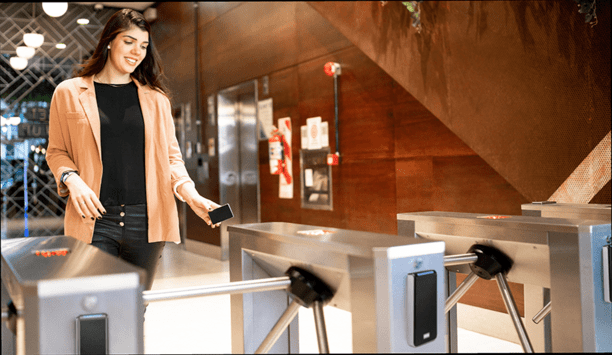
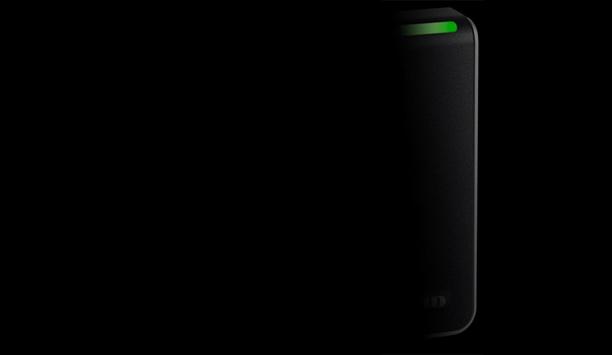
 The system is indeed quick and easy to use, thanks to the iCLASS contactless smart cards issued to students and the RW300 reader/writers installed in each bus. Students approach the reader with their card, but don’t need to swipe. The reader checks for the validity of the card and the student’s usage and either responds with a green light indicating that the student can board the bus, or an orange light and a buzzer if the card is not valid. Then a text message appears on a screen telling the driver the reason that the student is not authorized to ride. Additionally, the cards are personalized by the university and can be reprogrammed when the amount of transportation purchased expires.
The system has been enthusiastically received by the students, Murcia University officials, and Autocares Espuña. The bus company has an efficient method for tracking usage and providing services as needed to monitor drivers. Students board the buses effortlessly to travel to their campus destinations and the University has database that records transportation plan sales and usage. The system has saved money for everyone and just as importantly, has increased security throughout the system.
Find out about secure physical access control systems through layered cybersecurity practices.