Security guards

Katja Schwan of Pond Security Service GmbH was named Security Guard of the Year for 2026. The fact that another colleague, Filiz Gülbenim, secured second place right behind her makes this result an extraordinary double success for the entire team. Every year, COREDINATE GmbH and the Federal Association of Medium-Sized Security Companies (BVMS) honour employees who take on special responsibilities in the security industry. The result in 2026: Katja Schwan, Pond Security Service GmbH &nd...

Cawamo, the developer of the AI-powered VisiGuard™ intelligent remote video monitoring platform, announces that security industry veteran Scott Goldfine has joined the company as Chief Marketing Officer & Strategic Growth Advisor. As CMO, Goldfine will lead Cawamo's global marketing strategy while serving as a strategic advisor to the CEO and executive leadership team. His responsibilities include corporate marketing, global brand development, demand generation, product positioning an...

Verkada, a pioneer in AI-powered physical security technology, today announced a broad range of hardware and software updates across its platform, including: new generations of bullet cameras and access control units, expanded AI-powered alerting capabilities, and enhanced visitor management for healthcare. "Every update we make to Verkada's platform is focused on giving security teams the right tools for the right situations," said Brandon Davito, Senior Vice President of Product and Operation...

On the banks of the Arkansas River in Tulsa, Oklahoma, the River Spirit Casino Resort is the second largest of nine casinos owned by Muscogee Nation Gaming Enterprises where, on any given day, an enormous amount of money exchanges hands - requiring a comprehensive security framework to protect those who are playing with, handling, transferring, and protecting such large sums. From a security posture, it is a complex, cross-site operational challenge that needs to follow a simple set of procedur...

LVT (LiveView Technologies, Inc.), the pioneer of rapidly deployable security solutions, today unveiled GuardGate, an advanced portable barrier solution that regulates access to restricted commercial areas. GuardGate augments guards at distribution centres, drop lots, storage yards, and any location to deter bad actors, address liability and compliance requirements, and provide objective evidence to accelerate investigations. GuardGate is a drop-and-go solution that allows customers to: Depl...

For large retailers with hundreds of branches, operational challenges often feel familiar. Rising crime, staff shortages, tight margins and ageing infrastructure dominate boardroom conversations. Yet while many organisations focus on headline issues, smaller structural inefficiencies quietly drain budgets year after year. One of the most overlooked is keyholding and access management. The financial impact of traditional keyholding models is significant. Across large retail estates, annual costs...
News

Despite rising violence in U.S. healthcare settings, many hospitals still rely on manual, paper-based systems to identify potentially dangerous individuals, creating serious gaps in both physical security and reporting data. To close this gap, Athena Security, Inc., has launched an automated BOLO (Be On the Lookout) / Person of Interest system engineered to instantly recognise high-risk individuals and deliver real-time alerts to hospital security teams. Much needed innovation “This is exactly the kind of innovation hospitals need in an era where threats can escalate in seconds,” says Lisa Falzone, Co-Founder and President of Athena Security. “Our BOLO / POI technology eliminates the vulnerabilities of outdated methods and gives security teams a real-time advantage that saves lives and reduces administrative burden.” Challenges Hospitals depend heavily on documentation-heavy processes that slow response times and overwhelm security personnel. According to a 2025 overview of hospital security guard duties, officers are responsible for detailed incident reports and daily activity logs documenting patrols, visitor access, suspicious behavior, and unusual events—making documentation a routine and time-intensive part of every shift. A 2022 peer-reviewed study on hospital workplace-violence reporting further found that many violent incidents go unreported or only partially reported because the process requires busy staff—including security and managers—to manually complete incident reports, resulting in inconsistent or incomplete safety data. These gaps are especially concerning as threats continue to escalate. The U.S. Bureau of Labor Statistics reports that healthcare workers experience workplace violence at five times the rate of workers in all other industries, placing immense pressure on hospital security teams who must accurately identify high-risk individuals the moment they enter the facility. Solution Athena Security’s automated BOLO / Person of Interest technology directly addresses this challenge by replacing outdated paper logs, binders, and memory-based identification with real-time driver’s license scanning. Integrated seamlessly with Athena’s Visitor Management System (VMS), the solution enables hospitals to automatically flag dangerous or restricted individuals upon entry and immediately notify security teams, access control staff, and clinical leadership. The system performs real-time checks against both internal BOLO lists and relevant external databases, providing proactive visibility without disrupting normal visitor flow. Accurate record keeping Athena’s BOLO / Person of Interest technology is consistent with U.S. Department of Homeland Security (DHS) Best Practice 15.4.5, which calls for implementing credentialing programs to manage building access and maintain accurate records of authorised individuals. By replacing manual data entry with driver’s license scanning, the system eliminates common human errors and creates accurate, digitised visitor records. Key capabilities of Athena’s BOLO / POI system Instant identification of dangerous, banned, or restricted individuals Immediate creation and deployment of new BOLO alerts that are automatically pushed across all hospital locations Real-time alerts across the hospital’s security and operations ecosystem Automated, consistent documentation of POI events without manual reporting Contextual alerts that include officer-entered notes such as prior behavior or safety concerns, enabling more informed response decisions Faster response times during escalating threats Enhanced visitor management and access control across ED, maternity, behavioral health, and restricted clinical areas Offline functionality that allows BOLO searches and alerts to continue even if network connectivity is temporarily lost Automation “Paper lists and manual reporting simply cannot keep pace with modern threats,” states Chris Ciabarra, Co-Founder and CTO of Athena Security. “Violent incidents in hospitals are under-reported largely because teams are overwhelmed by documentation requirements. Automating identification, alerting, and documentation in real time gives hospitals a chance to respond in the way threats actually occur—suddenly and without warning.”

The S12 Security Guarding Leadership Group (S12) is delighted to welcome five new members to its core committee. The S12 brings together security pioneers to work as a collective with the Government, Security Industry Authority, and the Security Minister. Their mandate is to address and elevate critical industry issues, promote higher standards and professionalism, enhance public safety, and positively shape the perception of the security guarding sector. Latest round of nominations While the group was initially seeking two new members in its latest round of nominations, the strength and breadth of candidates led to four being invited to join. It is strengthened by the appointments of: Keith Middleton, Managing Director of Bidvest Noonan (UK) Ltd Steven Moore, Managing Director of OCS Kieran Mackie, Managing Director of Amulet Security Simon Alderson, CEO of First Response Group Ltd Representatives from five large companies It was stated that preference would be given to representatives from large and medium companies in this nomination round to help provide a more balanced committee. As nominations were received from two large and two medium firms, all four have been offered a place. These appointments provide complete balance to the S12, which will now be made up of representatives from five large companies, three medium, and five small businesses. New appointments are a major win for the S12 Paul Evans, Chair of the Security Guarding Leadership Group, said: “We thank all those who put themselves forward to give up their time and resources to help drive positive change in the security industry." “The appointments of Keith Middleton, Steven Moore, Kieran Mackie and Simon Alderson are all a major win for us, and between them they have a wide range of skills and experience that will be invaluable in helping the S12 achieve its goals. We welcome them all to the team and look forward to them getting stuck in – there’s a lot to do. These latest appointments also help balance out the committee in terms of the type and size of businesses represented." “Finally, we also warmly welcome Abbey Petkar of Magenta Security Services, who joins the committee following a resignation from the previous nomination round. Abbey was the next runner-up in the small business category in that initial voting round, and I equally look forward to benefiting from his years of experience and expertise in the Security Guarding industry.” Non-ACS representation The S12 has also confirmed plans to introduce two non-ACS board seats in the New Year. This will help ensure even broader inclusivity and representation as the group continues to engage with Government, the Home Office and the Security Industry Authority on critical issues such as Mandatory Business Licencing, Martyn’s Law, labour exploitation and raising professional standards across the sector. About the S12 The S12 meets regularly with the Security Minister, the Home Office and the SIA to drive the highest professional standards across the industry. The core committee lead a number of workstreams across a variety of areas including MR8, Labour Exploitation, Training Malpractice, SIA Business Approval Scheme, Martyn’s Law and Integrated Policing and Private Security. The committee is so far being supported by more than 400 people from across the industry who are helping to represent the interests of the industry with one united voice, while working to raise standards, shape policy and improve public safety.
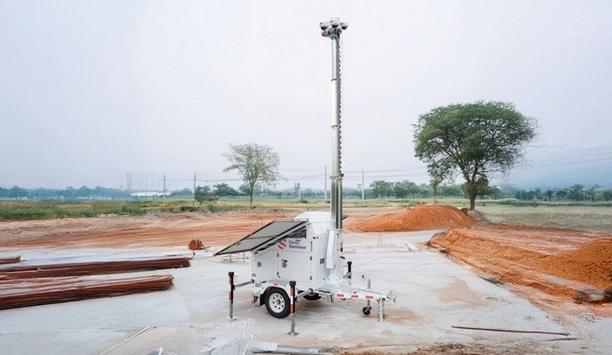
Deep Sentinel, the pioneer in AI-powered proactive video surveillance with real-time human intervention, now announced the launch of its Mobile Monitoring Trailer — a fully mobile, solar-powered security platform that delivers instant access to Deep Sentinel’s remote live guard monitoring anywhere, including places where power and permanent infrastructure are unavailable. Purpose-built for high-value outdoor environments, such as auto and parking lots, construction sites, industrial sites, and other remote locations, the Mobile Monitoring Trailer extends Deep Sentinel’s industry-defining real-time protection to the hardest-to-secure environments. With elevated wide-area visibility, edge AI processing, and guards who intervene within seconds, the solution transforms outdoor security from passive recording into active crime prevention. Ultra-responsive security surveillance “Customers have told us for years: ‘We need Deep Sentinel’s ultra-responsive security surveillance in places where we can’t install cameras or run power.’ This trailer is our answer,” said Founder and CEO, David Selinger at Deep Sentinel. “It delivers the full Deep Sentinel experience, real-time monitoring, human verification, and immediate intervention in a format that can be deployed anywhere in minutes. In short, if a threat can reach the site, Deep Sentinel can stop that threat.” Gen V Deep Sentinel Hub and integrated cellular connectivity Built for reliability and response speed in demanding outdoor environments, the system’s enterprise-grade hardware includes a Gen V Deep Sentinel Hub, four wide-area cameras, a PTZ camera for alignment and tuning, dual solar panels, an 800Ah battery system, and integrated cellular connectivity. The system operates autonomously with minimal maintenance and requires no wiring, trenching, generators, or onsite power. Key differentiators of the Deep Sentinel Mobile Monitoring Trailer Key differentiators of the Deep Sentinel Mobile Monitoring Trailer include: Real-time guard intervention: Trained guards speak through the trailer’s two-way audio to deter intruders, escalate threats, or contact emergency services as needed within 30 seconds or less, stopping crime before loss or damage occurs. Unlike other mobile surveillance competitors, Deep Sentinel publishes clear service-level agreements that outline guard response times. Operational-grade reliability: Built for continuous, high-demand use with SLA-backed performance, far more robust than traditional rental-style surveillance units. Edge AI + elevated visibility: Mast-mounted cameras and on-board AI work together to reduce false alarms, accelerate response, and deliver wide-area situational awareness. $0 upfront costs for customers and dealers: Deep Sentinel has integrated financing covering the full cost of the trailer and all of the attached equipment creating a simple pricing structure, no third-party financing. Nationwide distribution: Leveraging Deep Sentinel’s nationwide distribution partners, the Deep Sentinel Mobile Monitoring Trailer can be delivered, installed and live within days virtually anywhere in the U.S. Designed for reliability within a range of climates: A separate cold-weather model supports deployments in regions with average temperatures below 40ºF, ensuring consistent performance in harsh winter environments. This is ideal for sites such as: Construction sites and material yards Industrial yards and remote lots Auto dealerships and parking lots Utility, energy, and infrastructure projects Retail and multitenant commercial properties Critical infrastructure sites, including bridges, dams, and similar properties Deep Sentinel’s Mobile Monitoring Trailer "Most surveillance trailers watch crime happen. Ours stops it,” added Selinger. “By combining mobility, solar power, and human intervention, we’re giving businesses the ability to secure valuable assets anywhere, without infrastructure, hassle, or compromise.” “Sites without infrastructure have always been some of the hardest environments to secure,” said Jack Azbill, CEO of Varitec Systems Inc, a Deep Sentinel dealer. “Deep Sentinel’s new trailer finally gives us a way to deliver real-time deterrence where traditional systems fall short. It’s a powerful addition to our toolkit.” The Mobile Monitoring Trailer is available exclusively through Deep Sentinel partners and includes hardware, monitoring, connectivity, and system maintenance in a simple monthly subscription.

Securitas UK and Hays Travel are proud to celebrate over 10 years of working together to deliver safe, secure, and welcoming environments across Hays Travel’s nationwide network of retail branches. Since 2015, Securitas has been a trusted security partner to Hays Travel, providing a tailored service that supports the company’s commitment to customer service. From alarm response to mobile patrols, the partnership has evolved to meet the changing needs of the UK’s largest independent travel agent. Range of scenarios The partnership supports over 530 locations across the UK with alarm response. It ensures that out of hours, or when buildings are vacant and there are incidents such as an intruder, the alarm response results in an emergency key holder attending the site and resolving the incident. This could be a wide range of scenarios, including a break-in, a false alarm due to something being left unattended on the premises, or the site requiring maintenance and repair, as the result of an incident. With a deep and expansive UK estate, Hays Travel chose Securitas for its self-delivery model—free from third-party involvement. It ensures a consistent, high-quality service across all client sites. Supported by a nationwide network of branch managers it enables the delivery of tailored solutions with speed, accountability and local expertise. Trust, innovation, and shared values Rapid response across Hays Travel’s UK estates to callouts enables clients to maintain staff productivity, reduce operational disruptions, and achieve cost savings. By responding swiftly to alarm activation, not only is it a theft deterrent but also mitigates insurance liabilities, through reliable out-of-hours coverage. Securitas has played a key role in developing onsite behavioural analysis, helping teams better understand patterns, enhance safety, and improve response strategies. Alex Davis, Chief Commercial Officer, Securitas UK said, “We are delighted to mark this milestone with Hays Travel. Over the past decade, our teams have built a strong, collaborative relationship rooted in trust, innovation, and shared values. It’s been a privilege to support Hays Travel’s growth and success.” High standards of safety and service Peter Robinson, Head of Property at Hays Travel, said, “Our trusted partnership with Securitas has helped us to maintain high standards of safety and service across our retail estate. We are committed to caring for our people, customers and the communities where we operate and Securitas has been instrumental in us achieving this." “Their professionalism, responsiveness, and understanding of our business have made a real difference. We look forward to continuing this journey together.” The partnership will continue to focus on delivering value through smart security solutions that support Hays Travel in making travel accessible, enjoyable, and safe for all.

The Underwriter’s Laboratory recognizes bullet-resistant glass in 10 levels for handgun and rifle bullets, categorized by the type of threat they are designed to stop. Products must achieve minimum stopping capabilities in testing to receive a rating. Learn more about the 10 UL 752 standard levels of bullet-resistant glass. Understanding the Different Levels of Bullet-Resistant Glass Testing for UL 752 ballistics standards uses common bullet sizes, configurations, weights (grain) and speeds to establish the stopping power of bullet-resistant glass. Different thicknesses and materials used to manufacture glass determine what it can withstand. Depending on your application, you may find that a material tested at level 1 or 2 provides sufficient protection, such as for retail locations, ticket booths, or residential settings. In other cases, such as embassies or military facilities, you may want the added security offered by stronger glass able to stop high-powered rifle bullets. UL 752 ballistic standards do not progress in a linear pattern, meaning that each level is designed for specific types of threats rather than following a simple increase in bullet resistance. Instead, they are grouped into different categories with similar requirements and capabilities. When selecting bullet-resistant glass for a security application, you want to select the type that can handle the most likely threats. UL 752 Levels of Bullet-Resistant Glass Level 1: The most basic level of UL 752 glass protects against small caliber handguns. Glass with a level 1 rating can withstand impact from three 9mm full metal copper jacketed bullets. It is a thin glass that makes an excellent security solution for service windows at retail locations, ticket booths, or gas stations. Level 2: This level of UL-rated bullet-resistant glass can withstand three shots from a handgun firing up to .357 Magnum lead-jacketed rounds. It is a good choice for businesses that need slightly higher security, such as banks or other financial institutions. Level 3: Level 3 provides protection from large-caliber handguns and can withstand three .44 Magnum rounds. High-risk locations such as courthouses, police stations, and government offices might request UL Level 3 bullet-resistant glass. Protection is cumulative between the first three levels of bullet-resistant glass. This means that level 3 glass will protect against handguns with calibers up to and including .44 magnum, including those covered by levels 1 and 2. Level 4: UL 752 ballistic standards for levels 4 through 8 indicate that the glass is designed to withstand varying impacts from larger caliber and assault rifle bullets, whereas levels 1-3 are designed for protection against small caliber handguns. Level 4 bullet-resistant glass can withstand a single impact from a 180-grain .30 caliber rifle at 4.6 meters. It offers excellent protection against most threats to high-security commercial buildings, government offices, and other high-threat areas. Our Bullet Resistant Level 4 High-Security Guard Booth uses UL 752 Level 4 glass to provide exceptional occupant protection. Level 5: UL 752 Level 5-rated glass can withstand a single impact from a 150-grain .308 rifle bullet at 4.6 meters. Testing is at velocities between 2750 and 3025 feet per second. This is a high-security glass used in commercial, government, and some military applications. Level 6: Bullet-resistant glass with a UL 752 Level 6 rating can stop five 124-grain bullets from a 9 mm handgun at velocities between 1400 and 1540 feet per second. You will typically see this glass in high-security applications such as secure government and military facilities. Testing for levels 1 and 6 of bullet-resistant glass both use 9 mm bullets. However, level 1 glass must stop three shots, while level 6 must stop five to meet UL 752 ballistics standards. Level 7: UL 752 Level 7 glass can withstand up to five shots from a high-powered rifle. It is tested using 5.56 mm rifle full metal copper jacket lead core rounds at speeds of 3080 to 3388 feet per second. It is suitable for high-risk government and military applications. Level 8: Level 8 glass is designed to stop fire from assault or automatic weapons. It can effectively stop five 7.62 mm lead core full metal copper jacket military ball rounds, making it ideal for very high-risk government and military applications. Level 9: Level 9 bullet-resistant glass can withstand a single shot from a high-powered rifle firing a .30-06 FMJ round. It must also stop multiple shots from armor-piercing rounds. Level 10: Level 10 UL glass can stop a .50 caliber round fired from a high-powered rifle. This is primarily a military-grade glass. UL levels 9 and 10 offer superior protection against armor-piercing and military-grade bullets. They are suitable for installations requiring maximum security, such as in military applications.

Following its inaugural meeting with the Security Minister, the Security Industry Authority (SIA), and the Home Office, the newly established S12 Security Guarding Leadership Group has opened an industry-wide consultation to identify the key priorities that will shape its agenda and future workstreams. The S12 is inviting security professionals, businesses, clients, and stakeholders from across the guarding sector to share their views on the most pressing challenges and opportunities facing the industry. Collective input This collective input will play a crucial role in determining which workstreams should be prioritised, ensuring that the group’s efforts are focused on delivering meaningful impact for the sector and wider public. The consultation survey will remain open until 3 pm on Wednesday 15th October. Once closed, the S12 will meet on 17th October to analyse the results, confirm the final workstreams, and appoint an S12 member to lead each one. These workstreams and their objectives will then be presented by the S12 Chair to the Security Minister on 21st October. Following this, the appointed leads will begin direct engagement with the industry to establish working groups that will support progress on each workstream’s objectives. The confirmed workstreams will be formally announced to the industry and stakeholders by 24th October.

Expert commentary

Physical security isn’t a one-time project or a static system. It’s a dynamic, ongoing process and program that requires constant attention and management to remain effective. While the initial implementation of a security system — what we often call Day 1 — is critical, the ongoing maintenance, service, and adjustments made after systems are operational, or Day 2, are equally essential. Security program long-term Organisations that fail to focus on post-occupancy security operations risk falling victim Organisations that fail to focus on post-occupancy security operations risk falling victim to a phenomenon known as "program drift," where systems and policies gradually deviate from their intended standards over time. To manage your security program long-term, you often need an outside perspective. By engaging a security partner to provide managed services, organisations can achieve a strategic solution for maintaining their security programs' integrity, effectiveness, and efficiency over the long term. Let’s look at the reasons why. Moving beyond Day 1 Day 1 is the milestone moment when a security system is launched — whether it’s a new system, an upgraded access control platform, or a transition to advanced surveillance technology. On this day, all components align with established policies and standards. Yet, Day 1 is only the beginning of a security program's lifecycle. What happens on Day 2 and beyond is often where the real work begins. Without a robust plan for ongoing service and maintenance, security systems can quickly fall out of compliance. Policies become outdated, configurations drift, and vulnerabilities emerge. This gradual degradation — program drift — occurs not due to neglect but as a natural result of decentralised management; competing operational priorities; and the lack of dedicated, knowledgeable resources to oversee the systems. Avoiding program drift Drift is particularly pronounced in physical security because, unlike other building systems Program drift occurs when a security program’s elements — such as access controls, camera placements, or intrusion detection settings — gradually become misaligned from their intended standards. Think of a straight line representing perfect compliance on Day 1. Over time, various factors push individual components off this line. Left unchecked, these deviations accumulate, leading to significant vulnerabilities and deferred remediation costs that would be much easier to manage and predict with a more proactive approach. Drift is particularly pronounced in physical security because, unlike other building systems such as lighting or HVAC, security measures are often viewed as inconveniences. Even when systems function as designed, features like turnstiles, visitor management, or additional access controls may face pushback for being "in the way" of daily operations. This resistance and the Day 2 problems that often result — along with the lack of centralised oversight — exacerbate the risk of misalignment and ongoing inefficiencies. Why centralised post-occupancy management matters Post-occupancy management is critical for maintaining the long-term health of a security program. Facility managers, who are often tasked with overseeing security systems, may lack the technical expertise or bandwidth to handle the complexity of modern security infrastructure. Partnering with dedicated professionals to help meet these responsibilities ensures systems are managed effectively and vulnerabilities are addressed proactively. It also helps improve system availability and uptime, accelerate break/fix response and resolution times, lower ownership costs by reducing unnecessary and repeat service dispatches, and achieve a more consistent end-user experience. Moreover, centralised management provides a consistent framework for handling security systems across multiple sites. This consistency is vital in preventing Program Drift, ensuring that local variations or individual decisions do not undermine the organisation’s overall security posture. The case for managed services Hiring outside consultants offers a proactive and professional approach to mitigating program drift Hiring outside consultants offers a proactive and professional approach to mitigating program drift. Specialised providers have the expertise, tools, and resources to manage complex security systems effectively and ensure those systems remain aligned with organisational policies and performance expectations. By acting as a dedicated external resource and interfacing regularly with your security team, your consultant can help you build, manage, and optimise a variety of services that help keep your program on track. These services range from system health and availability management (break fix); move, add change management; system configuration administration; and program/project management offices. Key benefits in the following areas Let’s look at how a managed services a partner can yield key benefits in the following areas: Standards compliance. Centralised management ensures that security systems and processes remain in compliance with established policies and standards, reducing vulnerabilities caused by ad hoc changes or decentralised management. Operational efficiency. Managed services streamline maintenance and support workflows, minimise downtime, and ensure quick issue resolution. Enhanced security resilience. Proactive monitoring and maintenance reduce the likelihood of system failures and improve overall system reliability. Standardised processes for move-add-change (MAC) activities ensure that security configurations remain consistent across locations. Cost savings. Outsourced providers help organisations optimise resources, avoid errors, and benefit from economies of scale in service delivery. Strategic focus. Outsourcing also allows internal teams to shift their focus from routine operational tasks to higher-value activities, such as strategic planning, threat analysis, and incident response. Long-term value of security investments While Day 1 success is the foundation of a comprehensive program, what happens on Day 2 determines your ability to realise the long-term value of your security investments. As the complexity of security challenges grows, pioneers must prioritise sustained management and professionalised oversight to protect their organisations, making the conversation around post-occupancy security more critical than ever. By adopting innovative strategies, implementing mature toolsets and processes, and leveraging specialised expertise, organisations can ensure their programs remain robust, aligned, and prepared to meet the challenges of tomorrow.

In the past, security and IT teams operated independently, but today collaboration is critical. Modern security systems rely on various devices and systems that are linked to internal and external networks. Without IT involvement, physical security can become a weak point for cybersecurity. Although these groups have made headway in partnering up to ensure the successful implementation of new solutions, often there’s still a disconnect. Differing skills, priorities, and unique ways of thinking have contributed to siloed ways of working. Unified security technologies Thankfully, solutions do exist to help improve coordination between teams and departments Other factors can also make collaboration more difficult. Budget limitations and staff turnover may result in a lack of specialised security training among operators, who don’t know which stakeholders to engage or when. Staff may be willing to collaborate, but do they know who should be alerted when there’s an event? If everyone is alerted to everything, those who don’t need that information will eventually start to tune out. Thankfully, solutions do exist to help improve coordination between teams and departments. Unified security technologies can enhance collaboration, streamline communication, and improve response times. This enables cross-functional teams to respond faster, make better decisions, and work together to enhance overall security. IT and physical security teams Physical security teams are experts at identifying and mitigating physical threats to the organisation. IT teams know the ins and outs of keeping systems and networks secure. Both roles and skill sets are critical to securing the enterprise, but siloed operations create barriers to effective collaboration. Because IT and physical security teams have different mandates, meeting the needs of both can be tricky. In some organisations, different departments or specialties also have their own reporting structure and may have different ways of working. Silos may even exist within departments. Overcoming challenges to collaboration Addressing these challenges is the first step toward improving collaboration For example, floor security, dispatchers, investigators, and loss prevention specialists may be used to operating independently in their day-to-day routines. They may not always share data or involve each other in decision-making. Pioneers of these departments are used to being in charge of their domains and may resist initiatives that appear to threaten this independence. Addressing these challenges is the first step toward improving collaboration. Organisations need effective tools to filter out the noise and ensure that the right people get the information that’s relevant to them every time. There are tools available to help teams collaborate effectively, stay accountable for completing tasks, and keep track of what’s been done while maintaining departmental goals and objectives. The right technology can help break down silos The first step to improve collaboration is to break down silos between your security systems. Choosing a unified security platform creates a solid foundation for cross-functional collaboration. It ensures that your physical security and IT teams are reading from the same database. Everyone can see potential risks across both digital systems and physical sites. Unified security solutions centralise monitoring, alarm management, and reporting in a single interface. This helps security teams manage incidents, run investigations, and oversee all security policies. Risks of real-time cybersecurity Data from security systems can be useful to analyse and improve operations and customer experience Within the same platform, IT experts can have a comprehensive view of real-time cybersecurity risks. They can also implement a single data protection and privacy strategy across all locations. Built-in cybersecurity tools help to standardise encryptions, multi-factor authentications, user privileges, and more across the enterprise. In many organisations, colleagues from other departments also find great value in having access to this information. Data from security systems can be useful to analyse and improve operations, customer experience, facilities management, and more. There are many ways to collaborate using a unified security system. Depending on your goals and operating procedures, you have different ways to go about it. The starting point is always to simply get everyone on the same page. Leveraging technology for more effective collaboration A unified security software platform can not only manage your video surveillance, access control, automatic licence plate recognition (ALPR), and other physical security systems, but also data from many other kinds of IoT devices and databases. The volume of data is immense, but thankfully these systems can offer ways to filter out the noise and keep operators focused on the most relevant data for their work. Being able to quickly gather, analyse, and share data with other team members can make or break an emergency response. In one case, an attack at a convention centre was thwarted after a team member monitoring social media mentions of an event noticed threats published online. When security operators were alerted, they were able to use video analytics to identify the suspect at the event. Using a unified security platform, the operators were able to send the camera view to other team members near the suspect. In the end, they were able to stop the attack through multi-departmental collaboration. Right security platform The right security platform can also help you drive more effective and proactive operational decision-making The right security platform can also help you drive more effective and proactive operational decision-making. When bringing datasets from disparate systems together, it's easier to discover relationships and make changes to business operations. For example, in a retail environment, combining access control, heat maps, and point of sale (POS) data can provide insights into customer activity. This kind of data may be used for things like loss prevention, but it can also be helpful to improve customer experience by improving traffic flow or directing staff toward the busiest areas of the store. The importance of automation One of the most important ways a unified security platform can optimise operations and encourage collaboration is to leverage automation to prioritise and triage alerts. This reduces false alarms and streamlines emergency responses. The reality today is that security operators aren’t always specialists. In K-12 school campuses, for example, the person monitoring the system is often an administrator or teacher. A non-specialist operator may be comfortable using the system in their day-to-day routine, but what about when the unexpected happens? If they don’t know what to do in an emergency, precious time may be wasted while they look up written instructions or call a colleague to help. Instead of keeping your SOPs in a paper binder, you can digitise them so that your security platform guides operators. They immediately have the steps to follow in an emergency. The system can even automatically alert internal or external stakeholders if certain conditions are met. Pros of automation Automation may also reduce false alarms. Nuisance alerts are a real problem for many organisations because they pull resources away from important tasks. When there are many false alarms, operators can also become desensitised to them, which slows response in a real emergency. Nuisance alerts are a real issue for many corps because they pull help away from vital tasks There are several ways that a unified security platform reduces false alarms. When data from multiple systems is brought into the same platform, a door-forced-open event can be cross-referenced with footage from nearby cameras or motion sensors. The system is programmed to do this automatically and issue a priority alert if there’s both a door forced open and motion detected in a restricted zone. Or, when a door open alert happens, the system can direct operators to first check nearby cameras and then decide whether or not to send a security guard to investigate. Every organisation is unique and automations will reflect that. Stadiums or public transit may want to automate notifications to stakeholders’ phones, change the message on a digital marquee, or broadcast a public announcement when there’s something to communicate. In a school context, perhaps there is a panic button under the front desk, which triggers a threat alert. When the button is pressed, all classroom doors are locked from the outside. Teachers can get a text message notification warning them about the threat, and local police are alerted instantly. Practical steps for building a collaborative security environment As exciting as it can be to explore the possibilities of new technologies, it’s important to have realistic expectations. Start with small steps and simplify as much as possible. Operators require time and training to adapt to new systems, and teams that have been working independently may need time to develop rapport and trust with each other. When adopting new technologies, a phased approach is often best to avoid overwhelming staff. If staff are resistant to change, focus on understanding their perspective: what are they trying to accomplish? What motivates them? What are they afraid of? Once you understand what’s driving their objections, you can come up with solutions to work through concerns. In today's rapidly evolving security landscape, fostering collaboration between physical security and IT teams is no longer a luxury—it's a necessity. By breaking down silos, leveraging integrated security technologies, and embracing data-driven decision-making, organisations can significantly enhance their operational efficiency and response capabilities.

Amidst the challenges of a prevailing economic downturn, the retail sector finds itself grappling with an unparalleled rise in incidents of shoplifting, theft, and burglaries. The disconcerting scenes witnessed on London’s Oxford Street in August 2023, where crowds gathered, looting as many stores as possible, sent shockwaves across the nation’s retailers. This alarming surge in retail crime has put retailers on high alert, as they contend with a rising tide of security concerns. Shoplifting concerns Recent data from the Union of Shop Distributive and Allied Workers (USDAW), has raised alarming concerns: shoplifting rates have surged by an unprecedented 24%. In the first half of 2023 alone, there were approximately 8 million reported shoplifting incidents. With the ongoing burden of the cost of living crisis and the approaching festive season, it is expected that these figures will keep surging. Implementing robust security measures Theft and prevention strategies cost retailers approximately £2 billion in 2021/2022 While more help from the Government to support retail workers and the businesses shoplifters target is certainly needed, the implementation of robust security measures will significantly contribute to deterring these crimes from occurring in the first place. British retailers spend millions on tools to deter and catch shoplifters inside stores, from CCTV and security guards to electronic tagging and alarms. The Grocer reported that theft and prevention strategies cost retailers approximately £2 billion in 2021/2022. Despite these initial costs, other threats are at play beyond the shop floor. Break-ins by criminal gangs For many large town centre stores and supermarkets, and units in retail parks, the rear doors and delivery areas are commonly targeted by criminal gangs. It’s not uncommon for thefts to occur from pallets or cages that have been unloaded from lorries and sit waiting to be moved into the building. After-hours break-ins are a risk for all store owners too, particularly over the festive season when a lot of high-value stock has been delivered to shops and supermarkets. Addressing anti-social behaviour The additional fencing was deemed an essential measure to safeguard the community Anti-social behaviour also poses a challenge for retailers. In 2022, an Aldi based in Derby invested in security fencing to protect staff and deter loitering groups. The additional fencing was deemed an essential measure to safeguard the community, as dangerous items were frequently found outside the store, including weapons and hypodermic needles. So how do physical security solutions such as fencing and gates help better protect retail establishments such as supermarkets and edge-of-town retail park shops? Fencing and gates: a critical component of retail security 1. Risk assessment and target hardening A thorough risk assessment will identify potential weak spots that require protection. ‘Target hardening’ involves implementing physical security measures that become more robust as they approach the target. This helps deter intruders while ensuring ease of access for customers and staff. 2. Effective perimeter security Opt for difficult-to-climb security fencing that provides a robust obstacle against thieves, vandals, and intruders Selecting fencing solutions according to the potential threats, site characteristics, and topography is crucial. It is important to specify fencing that strikes a balance and maintains a welcoming appearance while safeguarding external areas of the store or warehouse from potential harm and unauthorised access. Solid fencing which provides concealment can help to conceal expensive goods and remove them as a target for opportunistic theft. Opt for difficult-to-climb security fencing that provides a robust obstacle against thieves, vandals, and intruders. I recommend selecting a sufficiently tall and robust fence such as an acoustic barrier. Its noise-reducing properties are often beneficial for these types of sites too. 3. Controlling vehicular speeds and access To enhance security, consider controlling vehicular speeds and access. One effective approach is the installation of bollards at the ends of traditional high streets. This practice is already commonplace as a means of safeguarding against hostile vehicle attacks, but it can also play a pivotal role in preventing quick getaways of vehicles involved in potential heists. Additionally, employing road blockers and sliding gates at the rear entrances of delivery areas would serve to fortify security further. These measures can help in delaying vehicles, allowing for necessary checks to be conducted. 4. Balancing security with aesthetics The presence of high-security fencing can also make a site more of a target for vandals and burglars Another challenge is avoiding creating an imposing presence, especially important for areas situated near residential communities. The presence of high-security fencing can also make a site more of a target for vandals and burglars. To minimise this risk consider specifying timber fencing and traffic barriers to secure car parks, providing both security and a welcoming atmosphere for shoppers. Taking an integrated approach Combine secure perimeter fencing with effective lighting in places with shaded areas and at doors, gates, and shop windows, alongside Perimeter Intrusion Detection Systems (PIDS), and strategically placed CCTV. These measures will hinder unauthorised entry and escape, increasing the likelihood of detection and apprehension. Prioritising employee wellbeing Installing robust security fencing, complemented by CCTV, good lighting, and guarding, creates a safe environment Installing robust security fencing, complemented by CCTV, good lighting, and guarding, creates a safe environment for employees. This not only safeguards their well-being but also provides peace of mind that they are protected effectively in the case of a burglary or crime. When selecting security products for retail sites, it is advisable to opt for items that have undergone rigorous testing and carry relevant certifications for their security level. Each component should meet industry-specific standards for its intended purpose and originate from manufacturers accredited under ISO 9001:2015. This ensures a high standard of quality and reliability in safeguarding the premises. High-quality security fencing As the cost-of-living crisis continues, crime rates increase, and the festive season approaches, the time to act and implement on-site security is now. By investing in comprehensive security measures, retailers can protect their assets, employees, and customers, ensuring a safer and more secure shopping environment for all. High-quality security fencing is also a sound investment, that requires little or no maintenance once installed. The best fencing solutions are extremely weather-resistant, and won’t suffer from rust or corrosion. With all sectors preparing to ride the rapids of recession in the coming year, improving on-site security while selecting cost-effective measures, is one surefire way to protect your people, your property, and your profits from harm.
Security beat

New buzzwords were abundant in the articles that generated the most clicks on our website in 2022. From the metaverse to the Internet of Things, from frictionless access control to artificial intelligence (AI), the topics most popular among our site’s visitors were at the cutting edge of change and innovation in the physical security marketplace. Here is a review of the Top 10 Articles of 2022, based on reader clicks, including links to the original content: Metaverse will promote collaboration and enable more efficiencies for security Metaverse is a familiar buzzword currently, but few people grasp what it means. In the simplest terms, the metaverse is an online “place” where physical, virtual, and augmented realities are shared. The term, Metaverse, suggests a more immersive online environment that combines elements of augmented reality (AR) and virtual reality (VR). For the physical security industry, the looming creation of a complex online environment offers possibilities and challenges. Establishing identity will be a central principle of the metaverse, and various biometrics are at the core of ensuring the identity of someone interacting in the virtual world. Cybersecurity elements are also key. On the benefits side, the security market is already taking advantage of technologies related to the eventual evolution of the metaverse. For example, the industry has deployed AR to provide information about a door lock’s status on a screen, headset, or smart glasses as a patrolling guard walks by. What are the security challenges of the transportation industry? Because transit agencies rely on several IoT devices, they get exposed to higher cybersecurity risks Rapid technological advancement, increasing urbanisation, and the growing expectations of commuters and governments are pressuring transit industry players to modernise. Commuters, urban planners, first responders, and other stakeholders want to use transit data to support their decision-making. Transit agencies’ security and operations teams need closer collaboration to stay ahead. However, for many years, most transit agencies have relied on siloed, proprietary systems. Because transit agencies rely on an ever-growing number of Internet of Things (IoT) devices, they also get exposed to higher cybersecurity risks as there are more network access points to manage. The future is here: ADT’s innovation lab evaluating robots and indoor drones New robots and indoor drones for security applications are on the horizon, based on the work of ADT Commercials’ Innovation Lab, which is evaluating the latest technologies’ value to customers and some typical use cases. The ideal use of humanoid robots is to perform jobs that are considered repetitive, dirty, dangerous, and/or mundane. In security, that describes most security guard positions. As the name implies, autonomous indoor drones are focused on flying indoors versus the outdoor environment, which is heavily regulated by the U.S. Federal Aviation Administration (FAA). Flying autonomously indoors not only eliminates FAA oversight but also will enable ADT Commercial to offer another choice to customers to further reduce their dependencies on and costs of human guards. Innovative security: the key to business efficiency, cost savings, and more Organisations have shifted business focus countless times since the onset of the pandemic. While many leaders have been primarily concerned with the immediate health and safety of their customers and employees, 2022 has given rise to a new trend. More than ever, business leaders are seeking security solutions that increase operational efficiency and cost savings as well as improve logistics and business insight. As working environments become more complex, organisations looking to drive higher productivity and profitability margins should consider security upgrades that prioritise integrated analytics and automation. Shoplifting today is more sophisticated, and so are the tools to fight it One tool to fight shoplifting is analytics, which can be used to determine where shrink is occurring Shoplifting is often viewed as petty theft by individuals, but that is not always the case. Overall, shoplifting is becoming more sophisticated and coordinated. Traditional “shoplifting” has two major differences when compared to organised retail crime (ORC). The differences are numbers and motivation. ORC consists of groups working together to monetise theft, very different than an individual taking an item they need. One tool to fight to shoplift is analytics, which can be used to determine where shrink is occurring. Understanding where crimes take place helps retailers make strategic decisions about where to place their loss prevention efforts. Oosto offers 10 reasons to switch to frictionless access control in commercial buildings Access control for buildings is nothing new. It’s only in recent years that the urgency to implement smarter, more efficient, and more convenient forms of access control has increased, in the context of public and private sector digital transformation. Upheavals from the COVID-19 pandemic have forced organisations to re-think, pivot, and invest in new technology solutions that will incorporate Artificial Intelligence (AI) and Machine Learning, to gain speed in their operations, glean actionable insights from their video analytics, and enhance productivity with their teams. Which security trend is here to stay? Technologies and trends in the security marketplace come and go with some regularity. But how can you tell which trends are gaining traction and which amount to “the flavor of the month.” For example, while many physical security departments were hesitant to consider cloud-connected solutions in the past, they now better understand the benefits these solutions bring and how they can help them utilize their resources to achieve business goals while minimising overall operational complexity. Other technologies mentioned in the article include mobile credentials, AI-based analytics, video management systems, cybersecurity, and a new emphasis on data. What do these technology trends have in common? They are opening new possibilities for greater system efficiency and functionality. In short, they are playing a role in transforming our industry. GSX 2022 reflects changing technologies and evolving role of security The role of the security director increasingly will encompass facets of cybersecurity and physical security GSX 2022 in Atlanta highlighted the changing role of security in the enterprise. The role of the security director increasingly will encompass facets of cybersecurity as well as physical security. Transitioning to an operation that incorporates both disciplines requires a workforce that embraces education and building new skills. Education and the opportunity to build new skills are evident everywhere at GSX, including in the hundreds of education sessions and also in the knowledge shared on the show floor in the exhibit hall. Consolidation changing the face of the security market Consolidation is a dominant trend in the security marketplace. Large companies typically swallow up smaller companies as a means of expanding both their technology portfolios and their geographic reach. Sometimes a big fish is swallowed up by an even bigger fish. Despite the pandemic and resulting economic challenges, the security market has continued to be a desirable environment for both big players and startups, which then provide abundant acquisition targets for larger companies. This article highlighted recent mergers and acquisition news. Six trends at the intersection of video and AI Video has evolved beyond the capabilities of advanced imaging and performance to include another level: Artificial Intelligence. Video imaging technology combines with AI, delivers a wealth of new data, not just for traditional physical security applications, but for a much deeper analysis of past, present, and even future events across the enterprise. This is more than a big development for the physical security industry; it is a monumental paradigm shift that is changing how security system models are envisioned, designed, and deployed. Much of the heightened demand for advanced video analytics is being driven by six prevalent industry trends.

New robots and indoor drones for security applications are on the horizon, based on the work of ADT Commercials’ Innovation Lab, which is evaluating the new technologies’ value to customers and some typical use cases. The Innovation Lab has been in place for just under a year and just moved into a 2,000-square-foot facility that is staffed with four dedicated ADT Commercial employees and teams from various commercial innovation partners. The idea of the lab is to close the gap between the incubation of new technologies and the needs and realities of the ultimate customer. The goal is to adapt the design of a product to meet the customer’s need, instead of forcing the customer to adapt their use of the technology to meet its limitations. Addressing a problem Every project or investment at the innovation lab starts with the identification of the problem, never the solution" "Every project or investment at the innovation lab starts with the identification of the problem, never the solution," says Ed Bacco, Vice President, Enterprise Security Risk Group for ADT Commercial. “Then we develop detailed functional requirements to address what this technology needs to do to address the problem.” “Then – and only then – do we move toward developing the technical specifications to answer how the technology needs to operate to address the problem,” he adds. Prioritising innovation The approach sets ADT Commercial apart from most labs. The last item they focus on is the creation of a business model to address how they can sell the technology. “Early on, the company recognised that if we truly want to focus on innovation, we need to prioritise invention over profits, which is why the lab doesn’t operate under a profit-and-loss model,” says Bacco. This article will describe two recent technologies the Innovation Lab has been working with, and how they can impact the future of the security industry. Halodi Humanoid Robotics Unlike other competitive robot solutions, Halodi Humanoid Robotics can interact with the built environment The ideal use of humanoid robots is to perform jobs that are considered repetitive, dirty, dangerous, and/or mundane. In security, that describes most security guard positions. Unlike some other competitive robot solutions, Halodi Humanoid Robotics can interact with the built environment, meaning that they can autonomously open doors, call elevators, present security badges, operate pins pads, and more. Observe and report functionality The basic use case for the bot is based on the fact that the role of 98% of all security guards is to “observe and report.” There is often a misconception in the public that guards are widely permitted to engage hands-on with alleged offenders, but most guarding contracts restrict that ability. Therefore, given the mundane and routine nature of guarding, humans find it a challenge to maintain the high degree of awareness that is needed, whereas the bots never waiver, never rest and never lose awareness. Alternative to human guards If a bot is to serve as an alternative to human guards, then it needs to interact with the human environment The bot wasn’t designed to be “human-like.” There is a general concept in humanoid robotics called the “uncanny valley” that defines a tipping point when humans become uncomfortable with humanoid robots if their design resembles humans too closely. However, if a bot is to serve as an alternative to human guards, then it needs to be capable of interacting with an environment that was designed for humans. That means opening doors, riding elevators, bending down, picking up items, etc. Remotely operated Current robotic devices are skilled at sensing/analysing the environments they are deployed in, but their ability to interact with them is limited. The other advantage of a humanoid robot is when it’s being remotely operated in the avatar mode, meaning virtually, the human operator finds the experience familiar and intuitively knows what to do. Access, intrusion, and VMS integration The bots can be integrated with access control, intrusion, and video management systems and can conduct patrols autonomously and report anomalies and/or respond to alarms via those same systems. The bots can be equipped with other sensors to constantly analyse the environment for threats to human life such as carbon monoxide, smoke, hazardous chemicals, or poor air quality. IR capabilities IR capabilities also enable the bot to detect the possible failing or overheating of equipment They are capable of “seeing” in the Infrared Range (IR), which makes them suitable for responding to the source of fire/smoke alarms while humans evacuate. IR capabilities also enable the bot to detect the possible failing or overheating of equipment. Although designed to operate autonomously, the bot can also be controlled by a simple point-and-click mapping device or using the avatar control system. Applications “The biggest challenge we’ve seen with customers who are conducting in-field pilots is aligning their excitement of how the bots can improve their traditionally non-security applications with the current capabilities,” says Bacco. These applications include using the bots to conduct safety audits of items like fire extinguishers and Automated External Defibrillators (AEDs), serving as a fire watch, greeting visitors in the lobby, and automating gates at industrial and distribution sites. Autonomous Indoor Drones COVID-19 has shown that customers are looking for predictable and repeatable solutions to meet their security needs" As the name implies, autonomous indoor drones are focused on flying indoors versus the outdoor environment, which is heavily regulated by the U.S. Federal Aviation Administration (FAA). Flying autonomously indoors not only eliminates FAA oversight but also will enable ADT Commercial to offer another choice to customers to further reduce their dependencies on and costs of human guards. “The COVID-19 pandemic has shown that customers are looking for predictable and repeatable solutions to meet their security needs that aren’t dependent on humans,” says Bacco. The three use cases for the drones are automated alarm response, random tours, and directed missions. Automated response mode In the automated response mode, when an alarm is triggered, the drone will automatically initiate a mission to the point of alarm and report any anomalies (i.e., people, heat signature, etc.). It can also be programmed to fly random patrols as a deterrent to a possible breach, and an operator can remotely initiate a mission using a simple point-and-click map interface. Drone mobility An obvious comparison is to fixed camera systems, which are an important component of any security system. But, unlike a fixed device, the mobility of a drone enables a view of an environment that is more easily understood by humans, meaning that we think and see in 3D, whereas fixed views are limited to 2D. Added to that, there is a deterrence factor that a mobile surveillance device has over a fixed. Noise consideration and applications Customers want to fly drones 24/7 in minimally manned locations such as data centres, warehouses The drone is designed to operate in environments that are being shared with humans. As an example, it will not initiate a mission if a person is standing under it, and it will autonomously alter course if a person is in its flight path. However, like all drones, the noise factor is a consideration, and the best applications in offices are after hours. Customers want to fly them 24/7 in more minimally manned locations such as data centres, warehouses, and manufacturing facilities, where noise is less a factor. Stand-alone and integrated system An indoor drone can be operated as a stand-alone system with its user interface, or it can be integrated fully with traditional security and VMS systems. “We are also developing additional computer vision-based analytics that will leverage the cameras on the drone,” says Bacco.

Technology is driving new opportunities in the security industry. Innovation trends include artificial intelligence (AI), edge-based systems, mobile systems, a greater focus on software, and efforts to simplify operation of security systems, even as capabilities become more complex. ISC West 2022 reflected these changing trends. “In addition to emphasising technology innovation, ISC West also reflected an industry that is resilient, dedicated and passionate,” said Mary Beth Shaughnessy, the Event Director of ISC Security Events. ISC West 2022 “Almost 12,000 dealers, installers, integrators, end users and consultants reconnected at ISC West 2022, and there were nearly 20,000 total industry professionals in attendance (including manufacturers),” adds Mary Beth Shaughnessy. The 550 exhibitors and brands on display reflected an industry that has come through the COVID-19 pandemic in better shape than ever, poised for even greater success in the years ahead. Turning video and access control into knowledge Deployment of AI to ‘watch video’ can inform users of what’s happening in real-time Motorola Solutions emphasized several themes that were heard repeatedly throughout the show. “One trend is fulfilling the need to turn video and access control into sources of knowledge, inside the enterprise,” said John Kedzierzski, Motorola Solutions’ Senior Vice President of Video Security and Access Control. Deployment of AI to ‘watch video’ can inform users of what’s happening in real-time, while monitoring access control yields the equivalent of an operating system inside a building. Using the Cloud offers consumer ease-of-use to systems The second trend listed by Motorola Solutions is working to bring the consumer ease-of-use experience into enterprise security solution applications. Professional security systems were previously complicated to buy, install, manage and upgrade. However, using the Cloud, even distributed enterprises can bring consumer ease-of-use to systems, from improving the out-of-box installation experience to boosting the ability to manage the system. Transition to ‘mobile first’ interfaces The third trend emphasised by Motorola Solutions is transition to ‘mobile first’ interfaces, reflecting the need for busy security executives to be on-the-go, but with full access to their systems, without being chained to their desks. Since the last springtime ISC West show in 2019, Motorola Solutions has grown rapidly, both organically and through acquisition of IndigoVision, Pelco, Openpath, Envysion, and Ava Security. Cloud-based Orchestrate system Integration is simple through a ‘drag-and-drop’ approach that doesn’t involve writing code In addition, the company is making it easier to integrate video and access control systems with Motorola’s radio systems, typically carried by security guards. The cloud-based Orchestrate system translates ‘events’ from access control and video, to trigger notifications on a mobile radio. Integration is simple through a ‘drag-and-drop’ approach that doesn’t involve writing code. Simplifying implementation of AI Artificial Intelligence (AI) has traditionally been associated with the use of large servers or even intelligence in the Cloud. Several exhibitors at ISC West helped to change that misconception. For example, Oosto offers a simpler and more economical approach. They supply edge appliances for AI. The purpose-built Vision AI appliance, a small box, puts intelligence at the ‘near edge’, by connecting to up to five cameras. Easy and dependable ‘failover’ ensures redundancy without a big investment, and the system can work with any IP camera, including an end user’s installed base of cameras. Oosto’s TCO (total cost of ownership) calculator Oosto’s TCO (total cost of ownership) calculator spells out how much a customer can save versus using a big server, including lower costs such and power and cooling. AI was probably the biggest buzzword at ISC West, but there was also emphasis on the practical results of applying AI to physical security. Artificial Intelligence (AI) - the biggest buzzword at ISC West I believe our purpose is to bring buzzwords, like Cloud and AI together in a way that is useful to end-users" “What surprises me (at the show) is that there is a lot of generic marketing of AI, but we are trying to step back from our analytics and look at applications that serve certain end-users,” said Jeff Corrall, Vice President - Product Management at March Networks, adding “As an industry, we are still at the stage of AI as a buzzword.” Jeff Corrall further said, “I believe our purpose is to bring buzzwords, like Cloud and AI together in a way that is useful to end-users. We have to live with the buzzwords, but what we really want is to apply them. That creates a stickiness with the end-user — when high technology is making a difference.” March Networks Labs address specific end-user problems and then apply their systems to provide a solution. Jeff Corrall adds, “A lot of AI is responding to what the customer is asking for, and we are stepping back and making sure the end-user will use it on a consistent basis.” ‘Edge versus cloud’ was a common theme at ISC West Edge versus Cloud ‘Edge versus cloud’ was a common theme at ISC West, pondering where in a system the ‘intelligence’, such as AI and machine learning, as well as other functionality, should reside. Among the companies addressing the quandary was Axis Communications, which focused on the issue using a racing theme at their presentation to the industry press. The winner of the ‘race?’ - The combination of both approaches working together as a team, of course. AXIS Speed Monitor on exhibit One introduction at the show was the AXIS Speed Monitor, a speed detection app available using ACAP Axis Communications also highlighted the deep learning analytics of the ARPEC 8 camera chip (introduced during the COVID-19 pandemic), which will be deployed across their camera line. One introduction at the show was the AXIS Speed Monitor, a speed detection app available using ACAP (Axis Camera Application Platform), the capability to load ‘apps’ onto camera chips at the edge. They also introduced the D4100-E Network strobe siren (a smart edge device), the Audio Manager Pro (a cloud-based software system enabling zoning and callouts for specific areas in a building), the W101 body worn cameras with GPS capabilities, and a Barcode Reader for doorstop applications (another ACAP app). ‘App Store’ approach to expanding applications Azena is at the centre of expanding applications at the edge, promoting new applications through an ‘App Store’ approach that sells software apps that can be loaded onto cameras that are equipped with Azena’s operating system. In the last couple of years, the company (formerly known as Security and Safety Things) has expanded its offerings. There are currently 108 apps in the store from 30 to 40 app developers. There are 14 camera models (from six manufacturers) that are commercially available and run their operating system. The newest camera is a fisheye model from Vivotek. “What we have seen is that a lot of the use cases are pretty unique,” said Fabio Marti, Vice President - Marketing for Azena. Two examples are an application that monitors a flame to ensure it is burning cleanly (no smoke). Another system monitors nets covering fish farms to avoid birds getting tangled up in the nets. Fabio Marti said “A challenge is to find new business avenues for integrators. Everybody is not eager to look beyond their comfort zone.” Focusing on software to ensure user experience Software systems are one of the major focal points for innovation in security systems Software systems are one of the major focal points for innovation in security systems and Verkada is focusing on how software innovation can improve systems. “For decades, innovation was on the hardware front,” said Filip Kaliszan, Verkada’s Founder and Chief Executive Officer (CEO), adding “We saw an opportunity for more innovation on the software side. The customer experience revolves around software.” Ensuring an end-to-end experience “We want to guarantee an end-to-end experience,” adds Filip Kaliszan. As a new company with a ‘hybrid cloud’ approach, Verkada focused on appealing to end users to convince them of the value proposition. Once an end user was convinced, Verkada brought in an integrator partner to deliver the solution. In effect, Verkada finds demand and brings that demand to the integrator. Software-centric operation of a modern building Verkada is broadly focused on ‘software-centric operation of a modern building.’ After starting out in video, Verkada has since expanded into systems for access control, alarm systems, and other categories. They use a combination of third-party hardware and equipment that is custom designed to work seamlessly with their software systems. Verkada’s end goal is to put the various systems together into a platform. They will continue building each product category, which will eventually be unified into ‘the operating system for the building of the future.’
Case studies

The Sanoat Qurilish Bank (SQB) in Uzbekistan enhanced its security and operations with Dahua’s integrated solution, combining ANPR, under-vehicle scanning, facial recognition, and DSS Pro for centralised management. This improved inspection accuracy, strengthened access control, and enabled faster, more efficient security responses. Overview - SQB is one of Uzbekistan’s key financial institutions, required a stronger, more intelligent security infrastructure to protect its facilities, personnel, visitors, and vehicle entry points. As a banking environment with high daily traffic and strict security requirements, SQB needed a solution that could reduce operational risks, improve inspection accuracy, and unify fragmented security systems under one centralised platform. Key financial institutions Challenges - The bank encountered several key challenges in its existing operations and security systems. Vehicle inspection at entry and exit points was not comprehensive enough, creating potential risks from unauthorised or hazardous vehicles. Manual inspection processes also increased operating costs and were vulnerable to human error. At the same time, visitor control needed improvement, as internal visitors could access important office areas without strict management. The bank’s existing security systems, including CCTV, access control, and under-vehicle scanning, came from different brands, making unified management difficult. Meeting rooms also suffered from low efficiency due to traditional presentation and note-taking methods. Smart security solution Solutions - To address these needs, Dahua provided an integrated smart security solution covering vehicle inspection, personnel access, visitor management, conference room modernisation, and centralised system control. At vehicle entrances, Dahua deployed bollards, under-vehicle scanning systems, ANPR cameras, and gate barriers to support comprehensive vehicle checks and maintain visual records for future audits. This helped improve perimeter security while making inspections smoother and more traceable. For personnel and visitor management, Dahua introduced access control, visitor management, elevator control systems, and facial recognition technology in key areas. These systems enabled accurate identity verification and stricter access permissions, helping SQB protect sensitive office spaces and improve overall site security. Reduced equipment maintenance Dahua also upgraded the bank’s meeting environment with integrated conference room equipment, including electronic whiteboards, lifting screens, and audio and video recording capabilities. This created a cleaner, more efficient meeting space, reduced equipment maintenance complexity, and made meeting content easier to record and trace. A major highlight of the project was the deployment of Dahua DSS Pro, which integrated CCTV, access control systems, and UVSS into one unified management platform. By connecting multiple subsystems, DSS Pro enabled security guards to monitor devices centrally, identify abnormal events faster, and respond more efficiently. Efficient daily operations Results - As a result of successfully implementing Dahua’s Integrated Smart Security Solution, SQB strengthened its physical security, improved vehicle and personnel management, reduced dependence on manual inspection, and achieved more efficient daily operations. The project also demonstrated the value of Dahua’s integrated security ecosystem, combining smart devices, AI-enabled identification, and centralised platform management to meet the demanding security needs of the banking sector.

Located in the scenic and historic town of Saratoga Springs, New York, the Saratoga Gaming & Raceway facility is an entertainment destination for the Northeast. Features include over 1,700 video gaming machines, live harness racing, several restaurants and a recently opened nightclub. Automated key management system Technology Objective - To automatically record all fire watch and building checks and to help ensure the security of the environment for guests and employees through an automated key management system. The Challenge - The Saratoga Gaming & Raceway facility, known as a “racino” (combined racetrack and video gaming casino), employs a staff of more than 600 and is served by an in-house security team that protects the entire 156 acre property. Security and surveillance on the 50 plus buildings is continuous, per the rules and regulations established by the New York State Racing and Wagering Board. Adhering to mandated procedures such as the daily checks of multiple buildings can become routine and potentially careless unless there is a method in place to ensure the tasks are being completed. In addition, because casinos store and use large amounts of cash, access to keys needs to be strictly enforced and requires a safe and secure key management system. Key identification tags Morse Watchmans Solution - PowerCheck® Guard Tour System – with its multiple tour capabilities, integrated functions and reporting options, the PowerCheck Guard Tour System delivers a convenient and cost-effective solution to the Saratoga Gaming & Raceway facility. Tour Pro® Software – the Tour-Pro Data Sorting Software is a Windows® application which converts the tour information into printable reports which may be customized by time, day, week and month. For added value and convenience, this same software can be used to program the data recorder and manage the files. KeyWatcher® Key Control System – by only releasing assigned keys to users with the proper authorization code, the KeyWatcher system helps guard against stolen or misplaced keys. Simple and elegant in design, the wall-mounted key storage cabinet eliminates outdated lock boxes, unreliable manual logs and messy key identification tags. KeyWatcher records the access history of each key, including user, date and time of checkout/ return. Rugged steel cabinet In Action - With the PowerCheck Guard Tour System, the security department of the Saratoga Gaming & Raceway facility can automatically record when building checks are made. On their rounds, the officers simply hold the data recorder up to a station to record the visit. This procedure ensures that the security department maintains a constant vigil on the properties. This information can be downloaded by the supervisor to ensure that the station reads on these tours are being completed in a timely manner and that the areas where the stations are located were physically checked. The KeyWatcher Key Control System installed in the Gaming facility is where all of the sensitive keys are stored. This rugged steel cabinet with illuminated key slots is designed to resist abuse, is wired to alarm against tampering and can be easily programmed to allow access to only those who have clearance. Keys are tracked while in use, including times and user names, and should the key not be returned or returned late, management is notified and can take the appropriate action. Recording, managing and retrieving the access and guard tour data is an uncomplicated procedure and reports are quickly generated as required. Elevated key management The Results - According to security management at the Saratoga Raceway & Gaming facility, in its ten years of use at the facility, the PowerCheck Guard Tour System has definitely delivered an overall contribution to the protection of the property. Security officers are better able to perform their duties while make their rounds. In addition, management can better monitor the security officer’s performance and follow up with additional training when required. The KeyWatcher system has elevated key management to a more sophisticated and intelligent level, in keeping with the security policies and procedures established by the racino. Only a few authorized individuals have access to the sensitive keys and should they not be returned on time, management is immediately notified. In an environment where cash is a daily temptation, the KeyWatcher system helps to reduce the risk.
Monmouth County Detention Center – A 24-hour juvenile detention center, providing secure care and custody for juveniles charged with crimes that require detainment or pending a court decision. Technology Objective - Provide secure custody with minimal impact on the lives of those detained, while addressing the needs of the juveniles, including medical, educational, psychological, food, clothing, and shelter. The Challenge - With 40 beds in multiple housing units and a population varying by day, the Monmouth County Detention Center is responsible for protecting both residents and staff. Having the guards walk around and check all doors and detainees, also known as security checks, are one way of ensuring safety, however these not always reliable. In addition, with a secure facility and numerous restricted areas, controlling who had access to which rooms and at what time is critical. Key management system KeyWatcher® – Wall-mounted Key Storage Cabinet eliminates outdated lock boxes, unreliable manual logs, and messy key identification tags. The KeyWatcher intelligent key management system helps prevent lost or stolen keys by only releasing assigned key to users with the proper authorization code and recording the access history of each key, including user, date, and time of checkout/return. PowerCheck® Guard Tour – A hand held, computerized guard tour system that provides an accurate and visible means of recording staff activities. Officers have the ability to enter in a userprogrammable incident code using the built-in keypad and display. PowerCheck has 99 pre-set incident codes that can be downloaded to a computer. Tour-Pro™ Software – A Windows® application that gives users the power to download tour information, program the data recorder, generate custom reports and manage files from a single program. The program converts stored data from officers’ guard tours into useful, detailed, printable reports. Reports may be customized by time, day, week and month. Current security system In Action - The Monmouth County Detention Center selected Morse Watchman’s KeyWatcher and Guard Tour to assist in their current security system. The KeyWatcher controls access to needed keys, while the Guard Tour provides a visible means of recording data in reference to resident security checks, as well as other secure doors, including medical and administrative rooms and exits. The Results - With the use of both the KeyWatcher and PowerCheck Guard Tour systems, Monmouth County Detention Center has been able to provide a secure custody facility with minimal impact on detainees. Security guards are able to access specific keys at given times and officials are alerted to missing or overdue keys. The guard tour system allows management to ensure that security checks are completed and for officers to immediately record incidents while on tour.

Allied Universal®, the world’s pioneering security and facility services provider, has been selected by Seton Hall University™ to provide campus security programs. This moves strengthens the University’s commitment to providing a safe, secure, and welcoming environment for students, faculty, staff, and visitors. New security program Allied Universal will deliver comprehensive campus security services, including trained personnel, safety patrols, and emergency response support. The new security program is designed to enhance the University’s existing safety infrastructure, while helping to ensure that the campus community benefits from Allied Universal’s expertise in proactive risk management and security operations. New partnership “On behalf of Allied Universal, I want to express our sincere appreciation for this new partnership and for our shared commitment to creating a safer campus community,” said Steve Jones, Allied Universal Global Chairman and CEO. He adds, “As the pioneering security provider for higher education, we are excited to have been chosen to work with Seton Hall University as a higher education campus safety partner.” Seton Hall’s ongoing commitment The selection of Allied Universal builds on Seton Hall’s ongoing commitment to campus safety, combining the University’s strong public safety framework with Allied Universal’s proven expertise in higher education security. Together, the collaboration aims to provide a proactive, community-focused approach that reinforces a secure, welcoming environment for everyone on campus. Seton Hall’s mission “Allied Universal brings deep experience supporting higher education institutions across the country,” said Sergio Oliva, Associate Vice President for Public Safety and Security, adding “Their approach emphasises professionalism, training, and engagement with the communities they serve, values that align closely with Seton Hall’s mission and our own Public Safety philosophy.”

ZeroEyes, the creators of the first AI-based gun detection video analytics platform to earn the full US Department of Homeland Security SAFETY Act Designation, announced that its solution has been deployed by Ki Charter to safeguard students, faculty and staff against gun-related threats. It is the first charter school in Texas to adopt the industry-pioneering proactive gun detection and intelligent situational awareness technology. Adopted multiple technologies Ki Charter has adopted multiple technologies and de-escalation techniques to ensure the safety Serving a unique population of behaviourally challenged students, Ki Charter has adopted multiple technologies and de-escalation techniques to ensure the safety of its students and personnel. Its Safety and Security Committee assesses and refines policies and safety measures, while the Campus Safety and Threat Assessment teams work closely with law enforcement and mental health resources to prevent and mitigate potential threats. Deployment of ZeroEyes’ AI technology The deployment of ZeroEyes’ AI technology further strengthens this comprehensive security strategy by providing real-time gun detection capabilities. “We serve a student population that requires an exceptional level of care and security, and I was initially skeptical of ZeroEyes,” said Jerry Lager, Superintendent of Ki Charter. “But after seeing the technology in action, I knew we needed it. Our largest campus spans 65 open acres, making security a complex challenge. ZeroEyes provides that extra layer of protection, ensuring our students and staff are in a safe environment.” Ki Charter reduces learning gaps Ki Charter is the premier educational provider for students who reside in residential facilities Ki Charter is the premier educational provider for students who reside in residential facilities (RFs) and day centres across Texas. The school has campuses in San Marcos, Liberty Hill, Austin, Temple, Arlington, Fort Worth, Denton, and Kingwood, and serves over 6,500 students annually (500% mobility rate) with a dedicated team of more than 120 educators and staff. With small class sizes and engaging curriculum, Ki Charter reduces learning gaps to help students learn behavioural management strategies and improve their communication skills. ZeroEyes’ AI gun detection ZeroEyes’ AI gun detection and intelligent situational awareness software layers onto existing digital security cameras. Local law enforcement and school security as quickly as 3 to 5 seconds from detection If a gun is identified, images are instantly shared with the ZeroEyes Operations Centre (ZOC), the industry’s only U.S.-based, fully in-house operation centre, which is staffed 24/7/365 by specially trained U.S. military and law enforcement veterans. If these experts determine the threat is valid, they dispatch alerts and actionable intelligence — including visual description, gun type, and last known location — to local law enforcement and school security as quickly as 3 to 5 seconds from detection. AI gun detection technology “At ZeroEyes, we understand the complexities of protecting students in specialized environments like Ki Charter,” said Mike Lahiff, CEO and co-founder of ZeroEyes. “We’re proud to offer our AI gun detection technology as an additional layer of security to help protect students, faculty, and staff in this unique setting.”

Interface Systems, a managed service provider of security, actionable insights, and purpose-built networks for multi-location businesses, announced that Nicker Management, a fast-food franchise operator in the Los Angeles area, has successfully implemented Interface’s Virtual Security Guard solution. By deploying Interface’s advanced security technology, Nicker Management has enhanced safety, reduced operational costs, and provided a secure environment for employees and customers. Nicker Management Nicker Management, led by sisters Nicole Harper Rawlins (CEO) and Kerri Harper-Howie (Co-owner), operates 24 fast-food restaurants across South LA, Compton, Lynwood, and Carson. Faced with persistent security challenges, including loitering, panhandling, and criminal activity, the company sought a modern, cost-effective solution to protect its employees and guests. Addressing critical security concerns Nicker Management chose Interface Systems to implement the Virtual Guard solution at one of its restaurants “We’re faced with lots of challenges with crime, unhoused people, and individuals suffering from mental and/or substance abuse issues,” said Harper Rawlins. “It creates significant risk at our restaurants. Over the years, we experimented with a range of security solutions, and hiring on-site guards quickly became costly and unsustainable.” After evaluating various options, Nicker Management chose Interface Systems to implement the Virtual Guard solution at one of its restaurants, ensuring a proactive and scalable approach to security. How can Virtual Guard Solution help? 24/7 Monitoring & Rapid Response – Trained intervention specialists continuously monitor restaurant locations to deter loitering, panhandling, and aggressive behavior in real time. Automated Voice-Downs – Proactive announcements throughout the day signal active monitoring and reinforce security presence. Virtual Tours – Scheduled and unscheduled remote video assessments help identify threats, suspicious activities, and compliance issues. Employee Security Escorts – Live monitoring ensures employees' safe passage to and from their vehicles during vulnerable times such as shift changes, and opening, and closing hours. Secure working environment “Knowing there’s a professionally trained security team on standby gives us confidence that we can maintain a secure working environment at all hours,” said Harper Rawlins. The deployment of Virtual Guard has streamlined security operations at Nicker Management’s restaurant, allowing staff to focus on providing excellent customer service without the burden of handling security incidents. 24/7 monitoring With 24/7 monitoring by Virtual Guard, employees and customers feel safer, and staff no longer have to handle security threats alone. In addition, automated alerts also remind employees of key procedures during shift changes. The system's effectiveness was demonstrated during a recent incident when a loiterer refused to leave the restaurant lobby. The staff triggered a silent alarm, and the Virtual Guard team immediately responded with a voice-down, prompting the individual to leave without further incident. Optimises costs “Interface’s Virtual Guard solution empowers franchise businesses like Nicker Management to address security risks effectively while optimising operational costs,” said Sean Foley, Chief Revenue Officer at Interface Systems. “Our innovative approach allows employees to focus on delivering excellent service, knowing their safety is in trusted hands.”
Round table discussion

Time flies in the busy world of security, so it’s no surprise that the midpoint of 2023 comes before know it. Let’s pause after the first half of the year to look ahead at what can expect during the second half (Hint: It’s all about AI). We asked this week’s Expert Panel Roundtable: What will likely be the most important technology development in the security marketplace in the second half of 2023?

The death of Michael Brown at the hands of police in Ferguson, Missouri, in August 2014, highlighted to the public, the importance of body-worn cameras. There was no bodycam footage of the Ferguson tragedy. Arguably, it would have shed additional light on the shooting. Since then, body cameras have become a tangible legacy of Ferguson, Missouri. Bodycam footage is seen as providing greater accountability and ensuring an impartial record that can support, or debunk, any claims of police misconduct. Body-worn cameras are also finding their way into broader usage, even including customer service applications. We asked this week’s Expert Panel Roundtable: How important will body-worn cameras be moving forward?

In tidying up after a year of Expert Panel Roundtable questions and answers, we came across some previously unpublished responses from our panel. These interesting responses address some of the hottest topics in the industry, from robots and deep learning to the “race to the bottom.” Taken together, the varied comments offer their own range of insights into the evolving physical security market. This week, we highlight some of these assorted Expert Panellist comments submitted over the last several months.
Products
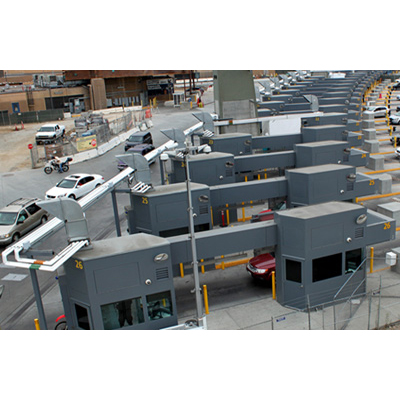

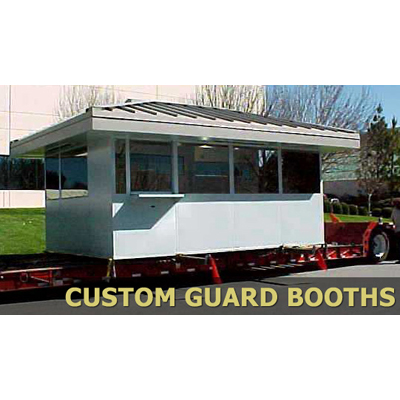
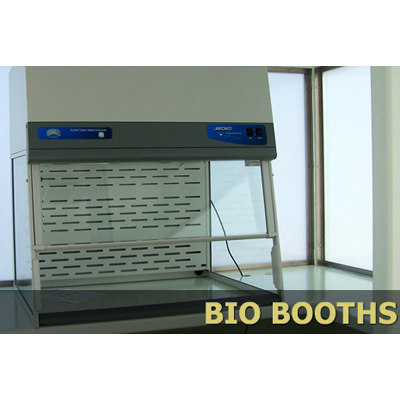


Videos


Security guards: Manufacturers & Suppliers

Technology's role in securing banks and financial institutions
Download
Security technologies promote real-time awareness in K-12 schools
Download
Integrated systems enable critical and compliant security for transportation
Download
Modernising physical access control
Download
Access. Intrusion. One estate.
Download