Remote surveillance

Robox AI announced the Robox AI Video Intelligence Platform, a configurable AI-powered platform that transforms compatible existing camera infrastructure into real-time actionable intelligence for loss prevention, safety, security, compliance and business operations. Centralised intelligence layer Instead of requiring organisations to replace their existing camera infrastructure or deploy multiple single-purpose analytics products, Robox AI provides a centralised intelligence layer t...

Reconeyez, a provider of AI-powered, autonomous security solutions, is pleased to announce the appointment of Mark Williams as Vice President - Sales EMEA, strengthening its leadership team as the company enters a new phase of international expansion, having joined the VOSKER group. Peter Young, CEO of Reconeyez, welcomed Mark, saying: “Mark joins Reconeyez at an incredibly exciting time for the business. Having joined the VOSKER group, we are bringing together two industry-leading techno...

Hanwha Vision, a global vision solution provider is releasing ConfigPro, a new device management and configuration tool for simplifying large-scale security installations. Engineered for enterprise and multi-site environments, ConfigPro lets integrators and system designers efficiently configure, manage, and maintain thousands of devices simultaneously from a centralised interface. Built on a server-client architecture, ConfigPro reduces installation time and minimises on-site configuration err...

Water ecosystems, ranging from high-altitude glacial lakes to expansive wetlands, are essential to the planet. These ecosystems regulate the climate, filter pollution, and support rich biodiversity. However, many are located in remote, hard-to-access areas, leaving them susceptible to gradual and often unnoticed degradation. The silent crisis in the blind spots The most significant challenge in protecting these vital waters is the growing gap between the rapid pace of environmental change and...
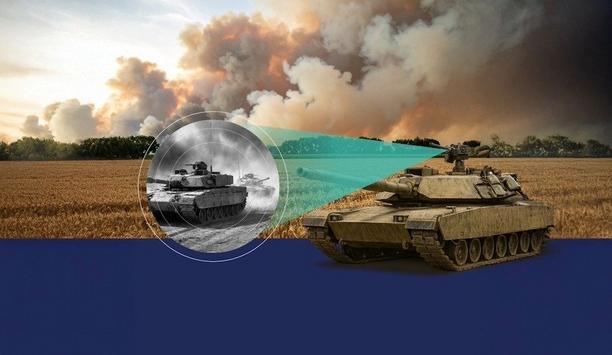
SCD, a pioneer in defense technology specialising in the development and manufacture of cooled and uncooled infrared detectors, has been awarded a strategic contract for hundreds of HD MWIR (Mid-Wave Infrared) detectors from a long-standing customer in Asia. The detectors will be integrated into advanced Remote Weapon Systems (RWS) deployed across multiple global sites. EOIR systems for ground platforms This milestone order is the outcome of a joint development with a long-standing customer...

ImageSat International, a pioneer in space-based intelligence solutions, introduces the only satellite delivering real-time movement tracking from orbit. RUNNER’s unique, game-changing capability lifts satellite intelligence from static images to live, actionable answers for defense intelligence customers, and commercial sectors such as urban management, infrastructure monitoring, and disaster response. Operational networks RUNNER, a pioneer of in-orbit embedded AI, has already been ope...
News

Artificial Intelligence Technology Solutions, Inc., a pioneer in AI-driven security and productivity solutions, along with its wholly owned subsidiary, Robotic Assistance Devices, Inc. (RAD), has now announced that a new construction client has ordered multiple RIO™ Mini units with SARA™ licences for deployment on a high-value project site. The client selected RAD after experiencing more than forty thousand dollars in material theft and persistent issues with trespassing and loitering under previous security conditions. This order builds upon RAD’s continued traction and growth in the construction sector as more firms move to autonomous security to reduce losses and protect equipment. RAD’s RIO series of portable, solar-powered security trailers has become a preferred choice for job sites that need fast deployment, mobility and reliable real-time awareness across changing environments. RIO Mini’s proven hardware Each RIO Mini in this order will run SARA, the Company’s multiple award-winning agentic AI platform for remote monitoring. SARA analyzes live video, flags potential risks and initiates immediate autonomous responses without requiring operator intervention. The combination of RIO Mini’s proven hardware and SARA’s intelligence provides clients with a fast-acting and cost-efficient security solution that supports stronger protection of assets and personnel. Level of awareness and response “Our construction clients are dealing with real losses and rising pressure to keep projects secure,” said Mark Folmer, CPP, PSP, President of RAD. “RIO Mini with SARA gives them a level of awareness and response that traditional guards or passive cameras cannot match. It delivers immediate value on day one and helps prevent the kind of costly theft that continues to hit job sites across the country.”

Artificial Intelligence Technology Solutions, Inc., a pioneer in AI-driven security and productivity solutions, along with its wholly owned subsidiary, Robotic Assistance Devices, Inc. (RAD), announced that sales activity through the first two months of the Company’s third fiscal quarter continues to strengthen. RAD has secured dozens of new device orders, including ROSA™, RIO™, ROAMEO™, alongside multiple software licence agreements, including SARA™, RAD’s agentic AI-driven autonomous response platform, and several new dealer partnerships. This growing momentum positions the Company for a strong finish to the quarter and reinforces its role as a driving force in the adoption of AI-powered security technologies across multiple sectors. RAD’s integrated AI and robotic solutions Through November 4, 2025, RAD has contracted orders for 64 devices, including eight proof-of-concept deployments, and 46 software licences spanning SARA, RADGuard™, and Firearm Detection. The Company has also expanded its sales reach with six new authorised dealers and two independent channel partner contractors added to its growing network. These results reflect consistent execution across both product and channel development, as demand for RAD’s integrated AI and robotic solutions continues to accelerate across key markets. RAD’s performance “We’re hitting a strong stride as we move deeper into the second half of the fiscal year,” said Steve Reinharz, CEO/CTO and founder of AITX and RAD. “The market continues to respond to the performance, reliability, and economics of our solutions. Every week we see greater acceptance from new clients, dealers, and enterprise partners who recognise that RAD’s technology is not just innovative, it’s essential. We’re executing with focus and speed for our clients, channel partners and shareholders.” RAD’s performance this quarter reflects balanced growth across its stationary, mobile, and software platforms. The Company’s dealer and independent contractor network is also broadening RAD’s reach into new territories, including Latin America and the United Kingdom, fuelling additional pipeline activity and accelerating the path to recurring monthly revenue growth and operational cash flow positivity. Stationary and mobile robotic solutions “As strong as this quarter has been so far, we’re nowhere near done,” added Reinharz. “There are new technologies, partnerships, and market entries coming that will further expand our reach and impact. The team is executing with purpose and intensity, and I’m confident that the results we deliver in the months ahead will speak volumes about what’s next for AITX and RAD.” AITX, through its primary subsidiary, Robotic Assistance Devices, Inc. (RAD), is redefining the nearly $50 billion (US) security and guarding services industry through its broad lineup of innovative, AI-driven Solutions-as-a-Service business model. RAD solutions are specifically designed to provide cost savings to businesses of between 35%-80% when compared to the industry’s existing and costly manned security guarding and monitoring model. RAD delivers these cost savings via a suite of stationary and mobile robotic solutions that complement, and at times, directly replace the need for human personnel in environments better suited for machines. All RAD technologies, AI-based analytics and software platforms are developed in-house. Data protection and security compliance The Company’s operations and internal controls have been validated through the successful completion of its SOC 2 Type 2 audit, which is a formal, independent audit that evaluates a service organisation’s internal controls for handling customer data and determines if the controls are not only designed properly but also operating effectively to protect customer data. This audit reinforces the Company’s credibility with enterprise and government clients who require strict data protection and security compliance. RAD is led by Steve Reinharz, CEO/CTO and founder of AITX and RAD, who brings decades of experience in the security services industry. Reinharz serves as chair of the Security Industry Association’s (SIA) Autonomous Solutions Working Group and as a member of the SIA Board of Directors. The RAD team also draws on extensive expertise across the sector, including Mark Folmer, CPP, PSP, President of RAD and Chair of the ASIS International North American Regional Board of Directors, Troy McCanna, former FBI Special Agent and RAD’s Chief Security Officer, and Stacy Stephens, co-founder of security robotics company Knightscope. Their combined backgrounds in security industry leadership, law enforcement, and robotics innovation reinforce RAD’s ability to deliver proven, practical, and disruptive solutions to its clients. Delivery of artificial intelligence-based solutions RAD has a prospective sales pipeline of over 35 Fortune 500 companies and numerous other client opportunities. RAD expects to continue to attract new business as it converts its existing sales opportunities into deployed clients generating a recurring revenue stream. Each Fortune 500 client has the potential of making numerous reorders over time. AITX is an innovator in the delivery of artificial intelligence-based solutions that empower organisations to gain new insight, solve complex challenges and fuel new business ideas. Through its next-generation robotic product offerings, AITX’s RAD, RAD-R, RAD-M and RAD-G companies help organisations streamline operations, increase ROI, and strengthen business. AITX technology improves the simplicity and economics of patrolling and guard services and allows experienced personnel to focus on more strategic tasks. Customers augment the capabilities of existing staff and gain higher levels of situational awareness, all at drastically reduced cost. AITX solutions are well suited for use in multiple industries such as enterprises, government, transportation, critical infrastructure, education, and healthcare.

SCD, a global pioeer in defence technology specialising in the development and manufacture of a wide range of cooled and uncooled infrared detectors, announces a follow-on order from a major homeland security integrator for its next-generation HD MWIR (High-Definition Mid-Wave Infrared) detectors featuring extended operational lifetime. Powered by SCD's advanced HOT (High Operating Temperature) technology coupled with robust advanced cooling technology, the new detectors deliver a breakthrough 2.5-fold increase in operational lifetime, thus enabling more than double the interval between required maintenance sessions compared to standard models. This directly addresses the critical need for long-term reliability and minimal maintenance in remote, hard-to-access security sites. Advanced HOT technology Powered by SCD’s advanced HOT (High Operating Temperature) technology and next-generation cooling design, the new BlackBird 1280 detectors deliver a 2.5-fold increase in operational lifetime compared to standard models. This breakthrough dramatically extends maintenance intervals and enhances system reliability – key advantages for remote, mission-critical, and 24/7 surveillance applications. “The demand for high-reliability, 24/7 border, naval and infrastructure security is growing rapidly,” said Shai Fishbein, VP of Business Development & Marketing at SCD. “Our customer is enabling the operation of complex security and long-range reconnaissance networks across remote and hard-to-reach sites or platforms, where maintenance is both challenging and costly.” “The new HD MWIR generation sets a new standard by combining outstanding image quality with unmatched operational longevity. This enables our customers to minimise disruption, extend system uptime, and redefine what’s possible in continuous homeland security and defence operations.” BlackBird 1280 The new long life BlackBird 1280 is designed for seamless integration into both new and legacy systems, providing high-definition IR imaging, long-range detection, and enhanced reliability across a wide spectrum of operational environments, including naval platforms. By pairing cutting-edge matured HOT MWIR sensor with robust cooling, SCD empowers system integrators to deliver next-generation situational awareness and persistent 24/7 surveillance capabilities.

Teledyne FLIR OEM, a Teledyne Technologies Incorporated company and the global pioneer in enabling thermal imaging innovation, announced its latest Thermal by FLIR collaboration with SYPAQ Systems, one of Australia's pioneering sovereign drone manufacturers. The new CorvoX small unmanned aerial system (SUAS), featuring the NDAA-compliant and ITAR-free Boson® thermal infrared (IR) camera, is under contract to be delivered to the Australian Army in December 2025 under the Australian Defence Force DEF129 SUAS program for dismounted soldier operations. Delivery of advanced technologies “The Thermal by FLIR program represents a natural evolution of our commitment to delivering world-class sovereign defense capabilities globally," said Amanda Holt, CEO and Managing Director of SYPAQ Systems. "The Boson integration into our CorvoX platform exemplifies how strategic collaborations between Australia, the United Kingdom, and the United States (AUKUS) nations can accelerate the development and delivery of advanced technologies into the hands of the warfighters.” Modern reconnaissance and surveillance missions Developed specifically for dismounted soldier operations, CorvoX is configured with the Corvo Guarda 70-DN EO/IR payload, featuring a 640 x 512 resolution Boson, delivering world-pioneering thermal imaging performance, seeing through darkness, smoke, and most fog. The Boson is paired with an electro-optical (EO) sensor and resides within a two-axis mechanical system with advanced stabilisation algorithms for geo-lock, object detection, and moving target tracking, essential for modern reconnaissance and surveillance missions. Thermal infrared technology “The CorvoX showcases the versatility and performance of our size, weight, and power (SWaP) optimised Boson thermal sensor in demanding uncrewed applications,” said Jared Faraudo, Vice President, Product Management, Teledyne FLIR OEM. “SYPAQ’s commitment to sovereign manufacturing and secure, high-volume supply chains aligns with our mission to enable innovative, market-pioneering thermal infrared technology worldwide.” Next-generation CorvoX SUAS The CorvoX features an innovative thrust-vectored vertical takeoff and landing (VTOL) configuration that delivers class-pioneering endurance in extreme weather and up to 35 miles per hour (mph) (55 kilometres per hour (km/h)) of wind. Capable of speeds up to 62 mph (100 km/h), the lightweight, man-portable system weighs less than 4.4 pounds (2 kilograms), has a 32.3-inch (82-centimeter) wingspan, and can fly for up to 50 minutes. Designed for hand-thrown or ground VTOL takeoff, the CorvoX reduces the physical and cognitive load on operators. The system includes a novel memory structure that prevents sensitive intelligence from leaking during the mission, and the onboard artificial intelligence (AI) capabilities are updated constantly. See the CorvoX at Indo Pacific 2025 SYPAQ will showcase the CorvoX and Corvo Guarda 70-DN payload at Indo Pacific 2025 in Sydney, Australia, November 4-6, 2025. Visit SYPAQ at the Victorian Government Pavilion No. 3F92 to experience this next-generation capability firsthand.

ZE Government Solutions (ZEGS), a wholly owned subsidiary of AI-based gun detection pioneer ZeroEyes, launched ZeroEyes Aerial Detection Kit (ZAD), a portable, drone-based AI threat detection and intelligent situational awareness solution designed for public safety agencies. The kit provides operators with a stand-alone drone solution that can be deployed in minutes from agencies' existing drone platforms to detect firearms, people, vehicles, drones, and maritime vessels. Rapid integration with drones Outdoor spaces are among the most challenging environments to protect due to their size and open nature, leaving them vulnerable to unauthorised access and potential gun-related violence. ZeroEyes Aerial Detection addresses this critical need with layered advanced AI analytics that detect threats in real time through a drone's live camera feed. To provide confidence and situational awareness, detections can be viewed instantly by law enforcement or security personnel and dispatched immediately to on-site staff when detections are made. Rapid integration with drones ensures that first responders or federal agencies are quickly informed of on-scene security threats, allowing for appropriate response posture to the current situation. ZeroEyes Aerial Detection Kit The kit enhances drone operations for a variety of scenarios, including drone response, event and perimeter security, armed assailants, suspect and article searches, barricaded gunmen, hostage situations, and domestic disputes. Providing immediate detections and alerting improves law enforcement situational awareness and personnel safety. ZeroEyes Aerial Detection Kit integrates seamlessly with existing drones and drone programs, and comes equipped with a carry-on case and a ZeroEyes laptop to stream video and deliver automated alerts to dispatch or operations centers via LTE, Wi-Fi, or mesh radio. It connects to drone feeds or controllers through HDMI, IP address, RTSP or Headsets, and is compliant with the National Defense Authorisation Act and protected by DHS SAFETY Act designation. New drone solution “Protecting outdoor spaces is one of the greatest challenges in security today,” said Dustin Kisling, Executive Vice President of ZE Government Solutions. “With our new drone solution, we can detect potential threats in real time and provide verified alerts, giving organisations and the public the confidence that help is on the way when it matters most.”

In this increasingly connected world, technology has transformed the way people approach safety and security. While on-site security measures such as CCTV cameras and alarm systems have been standard practice for decades, the landscape is rapidly shifting. Central to this evolution is the increasing reliance on remotely monitored systems, which promise enhanced efficiency, coverage, and peace of mind. Traditional security systems These systems provide real-time responses to unfolding events, drastically enhancing security Traditional security systems primarily work as deterrents. They rely on the visible presence of cameras or the knowledge of an active alarm system to dissuade potential threats. However, what happens when these deterrents fail, or when a particularly brazen intruder decides to proceed regardless? This is where off-site monitoring takes the lead. By actively watching and assessing potential threats, these systems provide real-time responses to unfolding events, drastically enhancing security measures’ effectiveness. The power of real-time responses One of the major advantages of off-site monitoring is the immediacy of the response. When an alarm is triggered or suspicious activity is detected, the monitoring centre can instantly assess the situation and respond accordingly. This might involve activating on-site alarms, alerting local law enforcement, or contacting designated key holders. Statistics from the UK Home Office suggest that timely interventions can significantly deter criminal activities, making the role of real-time monitoring even more crucial. Key benefits of off-site monitoring 24/7 surveillance: Remote monitoring offers continuous coverage, ensuring security round-the-clock. This consistent monitoring means that even activities outside of business hours are under scrutiny, providing peace of mind to property owners. Cost-efficiency: Maintaining a full-time on-site security team can be expensive. Remote monitored systems offer comprehensive security at a fraction of the cost, providing both affordability and efficiency. Immediate threat assessment: Upon detecting any irregularities, off-site monitoring teams can swiftly evaluate the situation’s severity, allowing for a more informed and rapid response. Data storage and retrieval: Many remote monitoring services also offer cloud storage solutions, ensuring that recorded footage is safe, easily retrievable, and protected from potential tampering or damage at the physical location. Enhanced safety: Having security responses orchestrated from an off-site location ensures the safety of on-site staff and reduces the risk of confrontations. Integration with modern technologies These technologies can discern patterns, recognise licence plates, and even detect unusual behaviour The true potential of remote monitored systems is realised when they’re integrated with modern technologies. Advanced analytics, artificial intelligence, and machine learning algorithms can predict and identify threats more accurately. These technologies can discern patterns, recognise licence plates, and even detect unusual behaviour, making off-site monitoring even more powerful. The world of remote security is ever-evolving. As new threats emerge, so too do the technologies and strategies to counter them. For users of remote monitored systems, this means continuous upgrades and updates, ensuring that their security measures are always a step ahead of potential intruders. Shift towards off-site monitoring The shift towards off-site monitoring in security represents more than just a technological trend. It’s a response to an increasingly complex threat landscape, where the boundaries between the digital and physical worlds are blurring. By harnessing the power of remote monitored systems, businesses and homeowners alike can enjoy a level of security and peace of mind that was previously unimaginable.

Expert commentary

Amidst the challenges of a prevailing economic downturn, the retail sector finds itself grappling with an unparalleled rise in incidents of shoplifting, theft, and burglaries. The disconcerting scenes witnessed on London’s Oxford Street in August 2023, where crowds gathered, looting as many stores as possible, sent shockwaves across the nation’s retailers. This alarming surge in retail crime has put retailers on high alert, as they contend with a rising tide of security concerns. Shoplifting concerns Recent data from the Union of Shop Distributive and Allied Workers (USDAW), has raised alarming concerns: shoplifting rates have surged by an unprecedented 24%. In the first half of 2023 alone, there were approximately 8 million reported shoplifting incidents. With the ongoing burden of the cost of living crisis and the approaching festive season, it is expected that these figures will keep surging. Implementing robust security measures Theft and prevention strategies cost retailers approximately £2 billion in 2021/2022 While more help from the Government to support retail workers and the businesses shoplifters target is certainly needed, the implementation of robust security measures will significantly contribute to deterring these crimes from occurring in the first place. British retailers spend millions on tools to deter and catch shoplifters inside stores, from CCTV and security guards to electronic tagging and alarms. The Grocer reported that theft and prevention strategies cost retailers approximately £2 billion in 2021/2022. Despite these initial costs, other threats are at play beyond the shop floor. Break-ins by criminal gangs For many large town centre stores and supermarkets, and units in retail parks, the rear doors and delivery areas are commonly targeted by criminal gangs. It’s not uncommon for thefts to occur from pallets or cages that have been unloaded from lorries and sit waiting to be moved into the building. After-hours break-ins are a risk for all store owners too, particularly over the festive season when a lot of high-value stock has been delivered to shops and supermarkets. Addressing anti-social behaviour The additional fencing was deemed an essential measure to safeguard the community Anti-social behaviour also poses a challenge for retailers. In 2022, an Aldi based in Derby invested in security fencing to protect staff and deter loitering groups. The additional fencing was deemed an essential measure to safeguard the community, as dangerous items were frequently found outside the store, including weapons and hypodermic needles. So how do physical security solutions such as fencing and gates help better protect retail establishments such as supermarkets and edge-of-town retail park shops? Fencing and gates: a critical component of retail security 1. Risk assessment and target hardening A thorough risk assessment will identify potential weak spots that require protection. ‘Target hardening’ involves implementing physical security measures that become more robust as they approach the target. This helps deter intruders while ensuring ease of access for customers and staff. 2. Effective perimeter security Opt for difficult-to-climb security fencing that provides a robust obstacle against thieves, vandals, and intruders Selecting fencing solutions according to the potential threats, site characteristics, and topography is crucial. It is important to specify fencing that strikes a balance and maintains a welcoming appearance while safeguarding external areas of the store or warehouse from potential harm and unauthorised access. Solid fencing which provides concealment can help to conceal expensive goods and remove them as a target for opportunistic theft. Opt for difficult-to-climb security fencing that provides a robust obstacle against thieves, vandals, and intruders. I recommend selecting a sufficiently tall and robust fence such as an acoustic barrier. Its noise-reducing properties are often beneficial for these types of sites too. 3. Controlling vehicular speeds and access To enhance security, consider controlling vehicular speeds and access. One effective approach is the installation of bollards at the ends of traditional high streets. This practice is already commonplace as a means of safeguarding against hostile vehicle attacks, but it can also play a pivotal role in preventing quick getaways of vehicles involved in potential heists. Additionally, employing road blockers and sliding gates at the rear entrances of delivery areas would serve to fortify security further. These measures can help in delaying vehicles, allowing for necessary checks to be conducted. 4. Balancing security with aesthetics The presence of high-security fencing can also make a site more of a target for vandals and burglars Another challenge is avoiding creating an imposing presence, especially important for areas situated near residential communities. The presence of high-security fencing can also make a site more of a target for vandals and burglars. To minimise this risk consider specifying timber fencing and traffic barriers to secure car parks, providing both security and a welcoming atmosphere for shoppers. Taking an integrated approach Combine secure perimeter fencing with effective lighting in places with shaded areas and at doors, gates, and shop windows, alongside Perimeter Intrusion Detection Systems (PIDS), and strategically placed CCTV. These measures will hinder unauthorised entry and escape, increasing the likelihood of detection and apprehension. Prioritising employee wellbeing Installing robust security fencing, complemented by CCTV, good lighting, and guarding, creates a safe environment Installing robust security fencing, complemented by CCTV, good lighting, and guarding, creates a safe environment for employees. This not only safeguards their well-being but also provides peace of mind that they are protected effectively in the case of a burglary or crime. When selecting security products for retail sites, it is advisable to opt for items that have undergone rigorous testing and carry relevant certifications for their security level. Each component should meet industry-specific standards for its intended purpose and originate from manufacturers accredited under ISO 9001:2015. This ensures a high standard of quality and reliability in safeguarding the premises. High-quality security fencing As the cost-of-living crisis continues, crime rates increase, and the festive season approaches, the time to act and implement on-site security is now. By investing in comprehensive security measures, retailers can protect their assets, employees, and customers, ensuring a safer and more secure shopping environment for all. High-quality security fencing is also a sound investment, that requires little or no maintenance once installed. The best fencing solutions are extremely weather-resistant, and won’t suffer from rust or corrosion. With all sectors preparing to ride the rapids of recession in the coming year, improving on-site security while selecting cost-effective measures, is one surefire way to protect your people, your property, and your profits from harm.
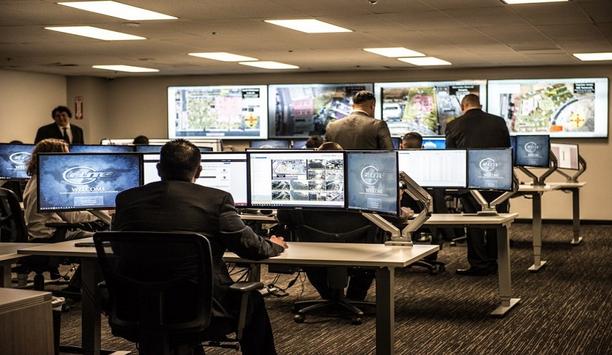
The average business owner or investor has some kind of security precaution in place, especially in the after-hours when there are fewer deterrents to inhibit criminal activity. Security guards, video surveillance systems, motion sensor lights, or even just fake cameras placed around the property are some of the common options people choose. Future of overnight security Smart business owners are starting to realise, however, that some of these traditional security measures are becoming antiquated and no longer cutting. The now and future of overnight security is in remote guarding. Pioneered by companies like Los Angeles-based Elite Interactive Solutions, which was founded back in 2007, remote guarding is revolutionising the overnight security business. Minimising criminal activity Remote guarding is fast becoming the most popular choice among commercial end-user property owners Remote guarding utilises a combination of cutting-edge technology, “digital guards,” highly trained security agents, and local law enforcement if and when necessary to minimise the potential of criminal activity. For those adequately enlightened to its overwhelmingly impressive crime prevention capabilities, remote guarding is fast becoming the most popular choice among commercial end-user property owners to secure and protect their investments. What Is remote guarding? Remote guarding is a revolutionary concept and increasing trend in security systems that utilises a combination of methods to effectively analyse potential threats to property. Cameras and/or other monitoring devices running highly advanced algorithmic software are installed in strategic areas or vulnerable places onsite and remotely located security agents are immediately notified of any activity within a designated perimeter of the property. A blend of AI, cybersecurity, and video analytics When properly deployed by an expert provider, the technology stack includes a proprietary blend of video analytics, artificial intelligence, cybersecurity, and more. Done right, “noise” is effectively filtered out, allowing agents to act on legitimate alerts and achieve zero false alarms communicated to first responders. Today, there are a lot of terms and descriptions tossed around about remote guarding, remote video, virtual guarding, etc., but those attributes must be present to represent the true definition of the offering and its many virtues. Realtime situational awareness Many systems have a two-way speaker that allows the security agent to give a verbal warning When specially trained security agents are alerted to trespassers, possible intruders, or other suspicious activity, they analyse the situation in real-time and determine the necessary level of action. Many systems have a two-way speaker that allows the security agent to give a verbal warning, known as a voice-down, to the individual(s) that they are being watched. Most perpetrators, often believing the response is emanating directly from security personnel on the property itself rather than from a remote command centre, flee immediately. However, if the threat persists, the security agent enlists local law enforcement to get on the scene. Customised remote guarding When properly deployed, remote guarding systems are also customised to specific properties. A team of consultants visits the client’s property to evaluate its vulnerabilities and where to best place cameras and/or other monitoring devices for system efficacy. Traditional security shortfalls According to Keith Bushey, a retired commander for the Los Angeles Police Department, there is much frustration between law enforcement officers and potential victims of crime due to the historically unreliable performance of traditional burglar alarm systems and central monitoring stations. He states about 90% of security-related calls are false alarms, a problem that has been well-documented through the years. Onsite challenges When a legitimate emergency does occur, the perpetrators have often already done their damage When a legitimate emergency does occur, the perpetrators have often already done their damage and/or escaped by the time law enforcement arrives. Onsite security guards are not the remedy either as they bring their own set of issues and challenges. Unexpected costs Traditional security systems can also have unexpected costs. The cost is not only in the security guards’ paycheck or the cost of the equipment itself. The cost comes when an actual incident occurs. In worst-case scenarios, the security guard(s) are injured, the business suffers inventory loss, and/or damage is sustained to the property. The medical and other costs for the security guard(s), the loss of inventory, property damage, deployment of law enforcement resources, and possible fallout of legal expenses all add up. Even in the best-case scenario, false alarm expenses incur if law enforcement is dispatched. These, among many others, are some of the primary issues that remote guarding resoundingly answers as a superior alternative. A bounty of benefits Remote guarding systems have been proven to cut costs and be more effective than traditional security systems. Even though the monthly monitoring costs of remote guarding are significantly higher than traditional intrusion detection system monitoring, the much higher effectiveness in crime reduction, elimination of false alarms, and augmenting or replacement of manned guards result in a substantially higher return on investment (ROI) to the end user. Easy tracking of threats The security cameras already have their image captured on record, making them easier to track down For example, case studies have demonstrated reduced security costs for clients by 60%, on average. These reductions have come from the costs of security staff, inventory, or property loss, plus saving money on insurance premiums and deductibles. The nature of remote guarding reduces the risk and costs of false alarms, with professional security agents able to determine an actual threat before law enforcement is called. In a rare instance when a perpetrator escapes before law enforcement arrives or can detain the individual(s), the security cameras already have their image captured on record, making them easier to track down and identify. Reduction of false alarms The significant reduction in false alarms is greatly appreciated by law enforcement, as it allows them to focus on real emergencies or crises. Better relationships are also developed between clients and law enforcement, as remote guarding systems are highly reliable in providing accurate and real-time information to officers as they approach the scene. In short, it assists law enforcement in doing their job more effectively, as well as more safely thanks to having eyewitness information before engaging in an active crime scene. Partnership When you combine the decreased cost with the increased efficiency and success rate, it is easy to see why many commercial end-user property owners across the country are making the shift to remote guarding. It’s also an outstanding opportunity for professional security dealers and integrators to partner with a remote guarding services provider to bring a superior solution to their end customers and pick up a recurring monthly revenue stream in the process.

It’s no secret that the data security sector is constantly changing. It has an annual CGR of about 12.3%. Future trends in data security Much of this has to do with the rise of cybercrime in recent years, with reports showing that cyberattacks happen as often as every 39 seconds. To combat the growing rate of cybercrime, data security has been on the rise. As we journey further into this era, it becomes evident that a spectrum of significant trends is molding the future of data security. This exploration delves into a selection of these trends, unraveling their importance and the potential implications they carry 1. AI security tools will increase Artificial Intelligence is also being used in the development of smart attacks and malware The introduction of Artificial Intelligence in the data security industry brought significant changes, especially in cybersecurity. AI has been the golden standard for face detection, natural language processing, automated threat detection, and automated security systems. Additionally, Artificial Intelligence is also being used in the development of smart attacks and malware, bypassing even the latest security protocols in data control. And as time progresses, AI security tools will flourish and dominate the scene. Let’s take a more in-depth look at three of the top AI security tools. Targeted attack analysis tool Manufacturers utilise targeted attack analysis tools to uncover targeted and stealthy attacks. Artificial Intelligence can be applied to the program’s capabilities, processes, and knowledge. For instance, Symantec launched this tool to combat the Dragon 2.0 attack in 2022. The phishing attack reprimanded multiple energy companies while trying to gain access to their operational networks. Targeted Attack Analysis Tools can analyse incidents and look for similarities from previous situations. They also help detect suspicious activities and collect all the necessary data to determine whether a specific action is malicious. Intercept X tool Results from the Intercept X Tool feature high accuracy and a low false positive rate Sophos, a British security hardware and software company, launched the Intercept X Tool. It engages a neural network that records and analyses data like a human brain. Sophos’ Intercept X Tool can extract features from a single file and perform a deep analysis. It detects malicious activities within 20 milliseconds. Plus, it’s also trained to work on bi-directional sharing and real-world feedback of threat intelligence. Results from the Intercept X Tool feature high accuracy and a low false positive rate. IBM Watson Technology IBM’s QRadar Advisor uses IBM Watson Technology, a unique AI tool for fighting cyber attacks. Artificial Intelligence can auto-investigate activities and indicators for potential exploitation or compromise. With cognitive reasoning, IBM Watson Technology can present critical insights to accelerate the response cycle. Security analysts can utilise this technology to search for threat incidents, reducing the risk of letting them fly under the radar. 2. Blockchain as a security solution It guarantees no points of failure or hackable entrances that can expose datasets inside the system Blockchain is a type of distributed ledger technology (DLT) that aims to establish trust within an untrusting ecosystem. Today it’s one of the most robust cybersecurity technologies in the industry. Blockchain utilises a decentralised ledger system, but your team members can still gain access to transparent information in the cloud. Members can also record, pass along, and view necessary transactional data in the blockchain. The entire blockchain process maintains data integrity within the system while establishing trust among team members. It guarantees no points of failure or hackable entrances that can expose datasets inside the system. Cybersecurity, biometrics Cybersecurity primarily benefits from these features because blockchain can create a secure and robust wall between data and hackers. On top of that, blockchain ledgers can include biometrics like fingerprints and retina scans. These prevent hackers from accessing any private data. Because blockchain is decentralised, it also limits hackable data. Together with the technology’s record-keeping system, each node is provided insight into data manipulation exposing real-time cybercrime attempts. 3. Increased and widened access control Without access control, expect your company to be open to security issues, including theft, data loss, and breach of data Access control is critical in data security. More than a valuable security tool, business leaders can use access control to regulate people accessing any given resource. A company with an IT security setting can control who has the liberty to edit certain files. One of the primary goals of access control is to minimise threats or attacks to organisations and businesses to keep people and data secure. Without access control, expect your company to be open to security issues, including theft, data loss, and breach of data protection laws. Benefits The benefits of increased and widened access control include: Identifying who can access and control your data at specific time intervals. Protecting data from overwriting, accidental deletion, and malicious intent. User permissions that can be readily changed. Compliance and regulation with data privacy laws. Central management of access to data through a reporting portal or a dashboard. Multi-factor authentication Access control comes in various types and systems, so it’s critical to know the features of what you’re looking for. The most common type is multi-factor authentication or MFA. It involves multiple steps before logging in, requiring the user to enter other relevant information besides the password. Some other examples of information include biometrics, answering a security question, or entering a code sent to the user’s email address. Two-factor authentication, role-based access control Two-factor authentication further prevents unauthorised entries that can result in unnecessary data possession Two-factor authentication further prevents unauthorised entries that can result in unnecessary data possession. Another type of access control is role-based access control. In this setup, only one individual can set up access guidelines and grant permissions to specific team members within an organisation. 4. Greater use of the zero-trust security model The zero-trust security model is a framework that requires every user within and outside the organisation to undergo authentication, authorisation, and validation. These are all essential to ensure proper security configuration before access is granted to the company’s applications and data. A zero-trust model assumes that anyone can cause data breaches and that a traditional network edge is not taken into effect. Moreover, it addresses the following modern-day challenges: Hybrid cloud environments. Security of remote workers. Ransomware threats. This framework utilises the combination of multiple advanced technologies, including: A risk-based multi-factor authentication. Endpoint security. Identity protection. Cloud workload technology. The zero-trust model uses all these innovative tools for system identification, user verification, access consideration, and system security maintenance. Constant validation and monitoring Enforcing strict policies and compliance with data privacy laws are also essential Additionally, it also considers data encryption, email security, and asset verification before establishing connections with applications. The architecture of a zero-trust framework requires constant validation and monitoring of the users and the devices they are using. Enforcing strict policies and compliance with data privacy laws are also essential. More importantly, the zero trust architecture requires all organisations to be aware of all their available services and accounts to gain complete control of data handling and manipulation. 5. Increased privacy regulations Privacy regulations and policies guide organisations in proper data control, handling, and security. These policies guide organisations in proper data control, handling, and security. As a responsible business owner, you must comply with these regulations to avoid legal issues. With cybersecurity attacks becoming common, expect increased and stricter privacy regulations to be released in the next few years. While current policies are still taken into effect, various modifications and adjustments will occur to compete with the rising numbers of data breaches, thefts, data loss, and more. California Privacy Rights Act (CPRA) Currently, the California Privacy Rights Act (CPRA) is the most comprehensive legislation on state data privacy. It only started to take effect on January 1, 2023. The CPRA introduces the following principles: Broad individual consumer rights. Significant duties of people who need to collect sensitive and personal information. Additional definitions of data privacy and security. An individual’s duties include releasing information about data collection to concerned data subjects and proper access, correction, and deletion of information. Final thoughts 2023 is a big year for data security. Trends such as increased adoption of zero-trust policies, a greater reliance on AI security tools, and the implementation of blockchain as a security solution are all things we expect to see shortly. Staying up-to-date with these trends is important for keeping your business current and ensuring that you’re adhering to new and changing regulations. Doing so can give you an edge over the competition and keep you out of legal hot water.
Security beat

An attention-grabbing exhibit at GSX 2024 in Orlando involved a robot dog that could open a door. Boston Dynamics robot dog ASSA ABLOY impressed attendees with the robotics demonstration, featuring the Boston Dynamics robot dog that could open a door using either an HID credential or a mechanical grip. This innovation represents a shift toward more autonomous security solutions and is suitable for environments where human access may be limited. ASSA ABLOY impressed attendees with the Boston Dynamics robot dog Operational efficiency Eye-catching exhibits at the GSX in Orlando, showcasing the future of security technology It was one of many eye-catching exhibits at the GSX in Orlando, showcasing the future of security technology, and offering practical solutions to the industry's challenges. For security professionals, the advancements presented opportunities to enhance operational efficiency and to maintain a proactive stance in a rapidly evolving market. Control ID face identification Alongside their robot demonstration, ASSA ABLOY also highlighted the Control ID Face Identification. Access Controller, providing advanced facial recognition access control. From identity management to AI-driven surveillance systems, GSX 2024 offered a glimpse into the tools that can streamline processes, increase security, and reduce costs. Here are some other highlights. ASSA ABLOY also highlighted the Control ID Face Identification More integration with critical infrastructure A major theme at GSX 2024 was the increasing integration of security solutions with critical infrastructure. ALCEA (formerly ASSA ABLOY Critical Infrastructure) is an example. Their globalised software solution ALWIN is designed for managing access control, visitor management, and other security factors across multiple locations. ALCEA's approach involves not only internal collaborations within ASSA ABLOY but also partnerships with external organisations. An example of innovation is the Neenah Foundry lockable manhole cover, blending safety and security. Solving identity management challenges The solution simplifies onboarding and access request changes while ensuring compliance with policies Identity management continues to be a key focus in the security sector, and AMAG Technology addresses this need with its Symmetry Connect product. The solution simplifies onboarding and access request changes while ensuring compliance with policies. For professionals overseeing identity access management, Symmetry Connect provides a streamlined, automated approach, reducing human error and increasing operational efficiency. AMAG also sees a growing demand for efficient visitor management systems, especially in the post-COVID landscape. AMAG’s products cater to the need for enhanced security without overburdening staff. AI and cloud-based surveillance solutions Axis Communications highlighted its advancements in AI and cloud-based video management systems with its AXIS Camera Station Edge and Pro products. These solutions can connect seamlessly to cloud systems, providing security professionals with easy access to surveillance data anywhere. With the increasing need for centralised management, Axis’s offerings ensure that security teams can efficiently manage surveillance with minimal infrastructure. Axis also showcased its commitment to AI-driven analytics based on superior video quality. There were also networked audio solutions for public announcements and background music, among other uses. Body-worn cameras for corporate and healthcare uses Traditionally focused on law enforcement, Axon is now expanding its body-worn cameras and TASER technology into corporate, retail and healthcare environments. Their Axon Body Workforce camera is a practical solution for protecting frontline workers in high-risk environments. Axon also introduced drone-based solutions for real-time aerial awareness Axon also introduced drone-based solutions for real-time aerial awareness, a significant benefit for large campuses or remote locations. As more industries adopt corporate surveillance systems, Axon’s offerings provide flexible, scalable solutions that address the need for real-time, actionable intelligence. Cloud-based access for smart buildings Brivo’s native cloud systems and flexible credentials offer practical, future-proof security options Brivo showcased how cloud technology is revolutionising access control by offering systems that integrate seamlessly with other smart building platforms. Their open API approach enables collaboration with IT teams, bridging the gap between physical security and IT management. Brivo’s new partnership with Comcast Smart Solutions illustrates how large enterprises can implement advanced solutions, including access control while maintaining flexibility. For professionals managing complex building environments, Brivo’s native cloud systems and flexible credentials offer practical, future-proof security options. AI-powered multi-sensor camera Hanwha focused on an AI-powered multi-sensor camera, equipped with an NVIDIA processor capable of running complex analytics. In addition, Hanwha’s new AI camera technology can process multiple video streams simultaneously, either stream from its sensors or outside cameras, enabling better tracking of objects in complex environments. Their eight-channel AI Box, which converts legacy cameras into AI-enabled devices, is an attractive solution for professionals seeking to upgrade existing systems without the need for complete overhauls. For security teams looking to enhance situational awareness, Hanwha’s AI-based offerings provide advanced, scalable solutions. Workflow management and hybrid cloud security Genetec continued the theme of integrated solutions with their Operations Centre module for Security Centre, which consolidates work management into a single platform. Built on lean management principles, this system simplifies workflow for security professionals, promoting real-time collaboration across mobile and web platforms. As the industry shifts from on-premises systems to hybrid cloud solutions, Genetec’s products provide seamless transitions for organisations. Their new SaaS Security Centre also allows for natural language video searches in multiple languages, making it easier for global teams to manage operations across locations. Simplifying remote surveillance The company’s focus on scalability and efficiency is demonstrated by the “Eagle Eye Complete” subscription service Eagle Eye Networks showcased their continued international expansion, highlighting a new data centre opening in Saudi Arabia and new hiring initiatives in Australia and Europe. Their “Eagle Eye Anywhere” solar-powered camera system exemplifies the move towards flexible, easy-to-install solutions that can be deployed in remote locations. Integrators benefit from simplified maintenance through remote management, reducing the need for on-site support and ensuring operational continuity. The company’s focus on scalability and efficiency, as demonstrated by the “Eagle Eye Complete” subscription service, reflects the broader industry’s shift toward managed security services. Tailored solutions for commercial clients Everon continues its transition away from its former identity as ADT Commercial. Claiming the status of a competitive commercial integrator, Everon is reinventing itself by offering customised billing and monitoring solutions for a range of industries. Their cloud-based business intelligence platform, which combines video surveillance with data analysis, is aimed at enhancing operational awareness by detecting anomalies such as OSHA violations or retail point-of-sale exceptions. With AI-driven dashboards, clients can customise their security solutions to meet specific needs, reflecting a growing demand for tailored, data-driven security applications. Innovation through cloud and mobile LenelS2 is part of Honeywell, and they emphasised their investment in cloud and mobile solutions at GSX 2024. Their "Enterprise OnGuard Cloud" platform, launched in June 2024, is a testament to the growing demand for cloud-enabled access control systems. With the addition of NFC-enabled Blue Diamond credentials, LenelS2 is pushing towards smarter, more secure mobile access options. The strategic combination of Lenel’s solutions with Honeywell’s infrastructure offers users enhanced engineering capabilities and global reach. This reflects a broader market trend of integrating mobile devices into physical security protocols. Bringing AI to everyday security LPR system, combined with their Searchlight Cloud Analytics, offers a powerful tool for identifying security risks March Networks highlighted their new AI-driven smart search feature, designed to help security teams quickly detect operational anomalies in retail and financial environments. From identifying misplaced cash in quick-service restaurants (QSRs) to detecting "jackpotting" attacks on ATMs, their solution highlights the increasing importance of AI in enhancing both security and operational efficiency. Their Licence Plate Recognition (LPR) system, combined with their Searchlight Cloud Analytics, offers a powerful tool for identifying and responding to security risks in real-time, emphasising the practicality of AI in daily security operations. Driving sustainability in security Securitas showcased its commitment to sustainability, a growing concern for businesses across all industries. By providing CO2 data for clients and promoting digital tools like mobile credentials, Securitas is leading the charge in creating greener, more sustainable security solutions. Their focus on remote services and occupancy insights offers companies a way to reduce their environmental impact while enhancing security operations. The company’s alignment with science-based targets and circular economy practices signifies the increasing role sustainability will play in the security sector. Future lies in integration The GSX 2024 trade show revealed that the future of security lies in intelligent integration, AI-driven analytics, and cloud-based management systems. The innovations presented will help security professionals streamline their operations, enhance situational awareness, and future-proof their systems. As these technologies continue to evolve, professionals must stay informed about the latest advancements to maintain a competitive edge in the security marketplace. GSX was a great place to start. At the end of the day at GSX, it wasn’t just the robot dog that was opening doors …. to the future of security systems. {##Poll1727925373 - Of the important factors highlighted at GSX 2024, which do you consider most when adopting new security solutions?##}

Companies at GSX 2023 emphasised new ways that technologies such as artificial intelligence (AI) and the cloud can address long-standing issues in the security market. Among the exhibitors at the event in Dallas were companies seeking creative ways to apply technology, lower costs, and make the world a safer place. Reflecting on the exhibition, here are some additional takeaways. Expanding AI at the edge i-PRO is a company reflecting the continued expansion of edge AI capability in the security market. Today, more than half of the company’s lineup supports AI at the edge so the customer has a wide choice of form factors when seeking to leverage the feature set. AI processing relay, extended warranty i-PRO is increasing their warranty period from 5 to 7 years, which could be a lifetime warranty in some cases I-PRO also has an “AI processing relay” device that accepts non-AI video streams and applies edge analytics. AI has progressed from a high-end technology to a feature available in a variety of cameras at different price points. i-PRO is also increasing its warranty period from 5 to 7 years, which could be a lifetime warranty in some cases depending on a customer’s refresh schedule and lifecycle management. Active Guard, MonitorCast The company’s video management system (Video Insight) is continuing to build new features including “Active Guard,” an integrated metadata sorter. Their access control platform, MonitorCast, is a Mercury-based solution that is tightly integrated with Video Insight. Their embedded recorders now have PoE built in. “We can move at a faster pace to fill out our product line since leaving Panasonic,” says Adam Lowenstein, Director of Product Management. “We can focus our business on adapting to the market.” Emphasis on retail and other verticals Shoplifting is a timely issue, and retail is a vertical market that got a lot of attention at GSX 2023. “We see a lot of retailers who are primarily interested in protecting employee safety, but also assets,” says Brandon Davito, Verkada’s SVP of Product and Operations. “Shrinkage is a CEO-level priority.” “Retailers are getting more engaged with security posture, instead of letting perpetrators walk,” Davito adds. Intrusion detection Verkada has an intrusion product that will notify a central station if there is an alarm On the alarm side, Verkada has an intrusion product that will notify a central station if there is an alarm, and operators can review videos to confirm the alarm. Other capabilities seeking to discourage trespassers include sirens, strobes, and “talkdown” capabilities. International expansion Verkada continues to expand internationally with 16 offices in all, including Sydney, Tokyo, and London. The core value proposition is to enable customers to manage their onsite infrastructure more simply, including new elements such as PTZ cameras, intercoms, and visitor management. Verkada emphasises ease of use, including a mobile application to allow access to be managed across the user base. Forging partnerships “We are committed to the channel and industry, and we continue to build relationships and expand our reach,” says Davito. Among the industry relationships is a new partnership with Convergint, which was hinted at during the show and announced later the same day. They are also expanding their partnerships with Schlage, Allegion, and ASSA ABLOY. Working with other verticals They offer new features for K -12 schools, and a new alarm platform is easier to deploy and manage Verkada has also found success across multiple other verticals, notably healthcare, where they integrate with an electronic medical records system. They offer new features for K-12 schools, and a new alarm platform is easier to deploy and manage. They are integrating wireless locks to secure interior doors in schools, looking to secure the perimeter, and installing guest management systems. Transitioning the mid-market to the cloud Salient is squarely focused on the “mid-market,” a large swath of systems somewhere between small businesses and enterprise-level systems. Pure cloud systems are not as attractive to this market, which has a built-out infrastructure of on-premise systems. Adding a camera to an existing system is easier and less expensive than tying it to the cloud. Benefits of cloud It’s a market that may not be ready for the pure cloud, but there are benefits to be realised from adding a cloud element to existing systems. “We are continuing to augment our premise-based solutions with added cloud capabilities and flexibility,” says Sanjay Challa, Salient’s Chief Product Officer. The feedback Salient hears from their customers is “I want to own my data.” The hybrid cloud approach offers the right mix of control, flexibility, and unit economics. Cloud add-on capabilities We want to provide the flexibility for customers to go full-cloud as it becomes more economically attractive" Cloud add-on capabilities include bringing more intelligence about system operation to the user via the cloud. Over time, Salient expects to sell more cloud-centric offerings based on feedback from integrators and customers. “We want to provide the flexibility for customers to go full-cloud as it becomes more economically attractive over time,” says Challa. Vaidio AI technology Salient seeks to be a transition pioneer to help customers realise the path to the cloud. Their approach is “crawl, walk, run,” and helping customers make the transition at each stage. Salient has added AI to its product offering, incorporating Vaidio AI technology from IronYun into a powerful suite and broad array of on-premise analytics, which are gaining traction. The seamless approach makes it easy for customers to embrace AI analytics, although Salient remains broadly committed to open systems. Addressing ‘soft’ features for integrators AMAG is in the process of enhancing its product line with the next generation of access control panels. However, “product” is just part of the new developments at AMAG. In addition to “hard” features (such as products), the company is looking to improve its “soft” features, too; that is, how they work with the integrator channel. Integrator channel Rebuilding a process to make your organisation more efficient, is relatively easy; it just takes a lot of persistence" “We have the depth of our legacy customer base we can learn from, we just need to close the feedback loop quicker,” says Kyle Gordon, AMAG’s Executive Vice President of Global Sales, Marketing, and commercial Excellence, who acknowledges the value of reinstating face-to-face meetings after COVID. “We are laser-focused on nurturing our integrator channel,” he says. “Developing new features takes time, but rebuilding a process to make your organisation more efficient, that’s relatively easy; it just takes a lot of persistence,” says Gordon. More cohesive internal communication is another useful tool, he says. Disrupting the cloud based on price Wasabi is working to make cloud applications less expensive by offering a “disruptive” price on cloud storage, $6.99 per terabyte per month (80% less than hyperscalers). Contending “hyperscalers” like AWS are charging too much for cloud storage, Wasabi is using its own intellectual property and server equipment co-located in data centres around the world. Wasabi sells “hot cloud storage,” which refers to the fact that they only have one tier of storage and data is always accessible. In contrast, a company such as AWS might charge an “egress fee” for access to data stored in a “colder” tier. Cloud storage “We saw that several video surveillance companies had not yet adopted cloud storage, and we saw an opportunity to make it easy to use,” said Drew Schlussel, Wasabi’s Senior Director of Product Marketing. “We just install a little bit of software that allows them to store data in the cloud and bring it back from the cloud.” Performance, protection (cybersecurity), and price Wasabi works with integrators, resellers, and distributors and also integrates with VMS companies Wasabi works with integrators, resellers, and distributors and also integrates with VMS companies such as Genetec and Milestone. Emphasising performance, protection (cybersecurity), and price, their data centres are certified to SOC 2 and ISO 27001 standards. Faster throughput for weapons detection Xtract One is a young company focusing on weapons detection in a time of accelerated concern about gun issues post-COVID. Founded in Canada and based on technology developed at McMaster University, Xtract One has found a niche in providing weapons detection at stadiums and arenas. These customers already have budgets, and it is easy to shift the money to a newer, faster technology. Madison Square Garden in New York City is among its customers. Cost savings solution Xtract One can increase throughput to 30 to 50 people per entrance per minute (compared to 5 to 6 people per minute when using metal detectors). The solution doesn’t require anyone to empty their pockets and the system alarms on items beyond guns and knives. Using Xtract One allows customers to reduce the number of screening lanes and security staff, providing additional cost savings, all while getting fans through the screening process in half the time. Purpose-built sensors The system uses purpose-built sensors looking for specific characteristics, such as reflective and density properties In addition to stadiums and arenas, Xtract One, formerly Patriot One, is also getting “inbound” interest from schools, hospitals, manufacturers, and other verticals that makeup 50% of their business. “We’re on a rocket ride, mainly because the weapons issues are not going away,” says Peter Evans, CEO and Director at Xtract One. The system uses purpose-built sensors looking for specific characteristics, such as reflective and density properties, all correlated by an AI engine. Providing early warning of violence ZeroEyes is another company focused on weapons detection. Their AI gun detection system works with video images to identify if someone is “brandishing” (carrying) a weapon. In other words, the system does not detect concealed weapons. Identifying someone carrying a weapon provides early warning of a possible violent act. Increased response with AI-enables images Images are identified by AI and sent to a monitoring centre where a human confirms the image before contacting first responders. Knowing the location of a shooter enables staff to lock entry points, move people to safety, and direct first responders. The company was founded to leverage existing camera views to stop mass shootings and gun violence by reducing response times.
A pioneer in the access control sector since 1971, AMAG Technology is looking to the future and the next generation of products that will expand its services to customers. “In our vision, we have advanced approaches that will not only provide our partners with advanced technologies but also ones that are easier to install with tools to expand their services,” says David Sullivan, who was appointed President of the venerable access control company in September 2022. New challenges at AMAG Sullivan brings a new outlook to the AMAG business, a part of Allied Universal, and a new vision to lead the company into the future. We caught up with David Sullivan to discuss his new challenges at AMAG and the journey ahead as the company looks to the future. Q: How does your background inform your approach to leading AMAG? I believe that it helps me to define a vision for AMAG that will be unique and on the leading edge of our industry David Sullivan: With the exception of only a few short years, my career has been in access control. I have experience with several systems and have had the privilege to manage several successful access control companies. As a result, I bring a great deal of experience into my role at AMAG. I believe that it helps me to define a vision for AMAG that will be unique and on the leading edge of our industry. Q: How would you describe AMAG’s journey over the last several years and how do you see the future? Sullivan: Prior presidents of AMAG always shared their leadership vision and direction with senior leaders located in the United Kingdom. This had an impact on the full direction of the business, sometimes limiting its ultimate success. Before I became a part of AMAG, these senior leaders that were located in the UK retired, placing for the first time the full management responsibilities of the president. This has allowed me to integrate the business into a single team, with single objectives, and a single vision. We expect to begin to reveal this new vision in the coming weeks. We are excited about the future of AMAG and believe we will surprise the industry with our new products and approach in the coming months and years. Q: How important is it that a manufacturer provides both hardware and software solutions? How does AMAG’s approach (in general) differentiate it in the market? We can design the complete solution, providing functionality that others may find more difficult to accomplish Sullivan: Regardless of the manufacturer, we all provide hardware and software. An access control solution is not complete without both. Some of us choose to make our panels, and others do not. Those who are dependent on third-party suppliers are restricted to the developments and direction of that company, and while it might be perceived to be an open technology, it still is proprietary to the hardware manufacturer. AMAG has controlled its manufacturing of panels from day one. The result means that we can design the complete solution, providing functionality that others may find more difficult to accomplish. Q: How does the breadth of AMAG’s product suite provide advantages to customers and/or integrators? Sullivan: AMAG’s product portfolio is unique and provides the end user with an end-to-end identity management solution from one company. Our Control Room PSIM, Symmetry CONNECT Identity Management Solution, Symmetry Access Control, and Symmetry GUEST solutions all integrate to provide the user with a broad set of features and capabilities from a single provider. There is no finger-pointing when we come to support your system. We hold full responsibility for making it work and can quickly provide a resolution to any application difficulties the user may be experiencing. Q: How does AMAG address the divide between on-prem and cloud systems? How do you help customers make the transition and/or plan for the future? We are in the early stages of developing our next generation of access control in which we intend to provide on-prem Sullivan: In our current product portfolio, we have three products that are cloud-based. Our mobile credential platform (Symmetry Mobile), our visitor management solution (Symmetry GUEST), and our physical identity and access management solution (Symmetry CONNECT) are all offerings that operate in the cloud. We are in the early stages of developing our next generation of access control in which we intend to provide on-prem, web client, and cloud-based offerings. One of the primary objectives is to ensure that the large installed base of systems that are out there today will be able to migrate not only to our next generation but as well to the cloud if the client so desires. Q: What is AMAG’s approach to mobile credentialing? Sullivan: As an access control provider, adding Symmetry Mobile credentialing to our portfolio just made sense. We want our customers to have a forward-thinking solution with the opportunity to save money not only on the physical badges but the cost of printing and distributing badges. Mobile credentials can be easily issued and revoked remotely, reducing administrative overhead, and eliminating the need for physical inventory management. Organisations can centrally configure what devices are used and the read range for each type of device and operating system, thus providing flexibility. Symmetry Mobile offers a customised questionnaire that controls access and reduces liabilities. Q: What has surprised you the most in your first year or so leading AMAG? Not many companies are blessed with such a broad portfolio that is supported by a resource-rich company Sullivan: I wouldn’t say I was surprised by this as much as happy to see, but I would say that the quality of our people was a pleasant surprise. As well, the AMAG product offering is broad and has some unique elements. When coupled with the depth of the resources that we have in AMAG, I know that we are second to none. Not many companies are blessed with such a broad portfolio that is supported by a resource-rich company that has so many talented people. Q: Please describe your dealer channel, and how you are seeking to expand it. Sullivan: The AMAG products are sophisticated and typically are installed for higher-end applications. With this sophistication comes a need to be well able to install such a solution. We have a strong group of certified and loyal partners who help us to deliver these enterprise solutions. We desire to provide our existing partners with updated and competitive systems to offer to their end users. Q: What is the security industry’s (and/or AMAG’s) biggest challenge in the next five years? We need to find ways to provide both our channel partners and the customers with solutions that are easily integrated Sullivan: I believe that the advancements that we are seeing in technology provide our industry with the opportunity to truly change how security is provided to our collective customers. As we advance these solutions, we will need to do so responsibly and in a way that helps the channel’s abilities. We need to find ways to train our partners to both install and support these more complex solutions. At the same time, we need to find ways to provide both our channel partners and the customers with solutions that are easily integrated, moving away from proprietary closed systems to open and cohesive solutions. This will ensure that the users get the best, and most complete solutions. Q: What does the industry as a whole misunderstand about AMAG -- time to set the record straight! Sullivan: Well, I am not ready to openly share where we are heading. We are in the process of putting together some advanced approaches to how we will do business with our partners. We are focused on providing tools that will enhance their services to their customers, and with products that are leading edge. I can only state that all should keep their eyes on AMAG, because over the next few years, we are going to surprise some people, and more importantly make our loyal partners quite powerful.
Case studies

Kitakobushi Resort operates multiple distinctive properties in Shiretoko, Hokkaido – a UNESCO World Natural Heritage site since 2005. Their portfolio includes a large resort hotel overlooking the Sea of Okhotsk, a forest retreat, private cottages, and a historic hotel with over 60 years of operation – all showcasing the region’s stunning landscapes and local charm. As Shiretoko grew in popularity, maintaining a consistently safe and comfortable environment across multiple dispersed properties became increasingly important. This demand prompted a comprehensive review of the resort’s aging surveillance infrastructure. Challenge Towards smarter, unified, and more efficient video management As visitor numbers continued to rise, expectations for safety and operational efficiency increased across Kitakobushi Resort’s dispersed properties. The limitations of the resort’s aging, siloed surveillance system became particularly evident at its two flagship properties: Kitakobushi Shiretoko Hotel & Resort and KIKI Shiretoko Natural Resort – where modernisation became a strategic priority. The resort faced three critical challenges: Upgrading aging infrastructure: The resort’s existing cameras and NVR had served reliably for many years, but an upgrade became essential to maintain smooth operations. Unifying scattered monitoring operations: With several properties to oversee, each facility’s video was previously monitored separately, limiting operational efficiency and making management more complex. The resort wanted to enable remote monitoring, allowing staff to view live footage from anywhere without needing to be on-site. Maximising coverage while controlling costs: Comprehensive coverage across facilities required numerous cameras spanning public spaces, parking areas, and back-of-house operations, yet keeping the system cost-effective remained an important consideration. The resort sought a solution that could modernise infrastructure, unify operations, and maximise value while achieving smart upgrading within budget constraints. Solutions Smart video integration for a safer, more connected resort As a global pioneering security solution provider, VIVOTEK was selected for its proven reliability, performance, and strong local support in Japan. The solution deployed 58 VIVOTEK network cameras across key areas at Kitakobushi Shiretoko Hotel & Resort and KIKI Shiretoko Natural Resort, with centralised management through two NVR-Pro units powered by System K’s SK VMS. Strategic camera deployment included: SD9161-H (17 units): This PTZ camera, installed throughout hotel interiors and parking areas, offers 10x optical zoom and flexible pan-tilt-zoom capabilities. Staff can effortlessly monitor wide areas and zoom in on points of interest in real time — all without leaving the office. FD9369 (41 units): Compact and discreet, this dome camera was installed mainly indoors, preserving the resort’s natural ambiance while delivering reliable, cost-effective performance. By unifying all 58 cameras into a single management platform, the resort gained complete visibility across both properties. The centralised system streamlines daily monitoring, reduces patrol labour, and enables faster response to on-site needs. Staff can now monitor multiple facilities from a single interface, significantly improving overall operational efficiency. Result and customer feedback Making resort operations smarter and guest experiences safer The VIVOTEK solution has transformed resort operations, enabling centralised monitoring, real-time flexibility, and enhanced safety. Key improvements Streamlined multi-facility management: Staff can now monitor multiple properties from a single interface. This unified system eliminates the need to check each facility separately, simplifying operations and boosting overall efficiency. Flexible monitoring with PTZ cameras: The SD9161-H PTZ cameras allow staff to pan, tilt, and zoom in real time from any location, reducing the effort required for routine monitoring. Seamless aesthetic integration: The compact FD9369 dome cameras blend discreetly into the resort’s interior, preserving the natural ambiance while delivering reliable performance at a cost-effective price. Enhanced safety and guest experience: By combining advanced video technology with centralised management, the resort ensures a safe, seamless, and welcoming experience for both staff and guests. Customer insights "Based on System K’s recommendation, we explored and selected VIVOTEK due to its stability, intuitive interface, and excellent value. VIVOTEK offers strong warranty support, reliable performance, and an easy-to-manage system. Integrating all cameras with the NVR-Pro platform allows us to manage multiple properties in one place, greatly improving daily operations," Chief Digital Officer (CDO), Kitakobushi Resort. "VIVOTEK offers an impressive balance of high functionality and affordability. With strong local support and ongoing firmware updates, the system continues to deliver reliability and satisfaction," Sales Representative, System K (VIVOTEK Distributor).

Acoustic imaging offers a powerful early warning solution, enabling operators to detect issues before they escalate and keep turbines running efficiently. For any government, sourcing energy involves complex decisions that extend beyond logistics, finance, and environmental considerations to include geopolitical factors. While all of these elements have influenced the rapid expansion of wind turbines worldwide, environmental and geopolitical concerns have been particularly instrumental in driving their significant growth. The global rise of wind energy In 2023 the global wind industry installed a record 117 gigawatts of new capacity, a 50% increase compared to the previous year. This surge brought the total global wind capacity to over 1,000 gigawatts. China led the way in new installations, followed by the United States, Germany and India. The vast majority of wind turbines are land based, with offshore making up the remaining 7%. However, offshore is experiencing faster growth and is expected to play a more significant role in the future as more countries develop and invest in the new technology. Looking to the future, the wind energy sector is expected to continue its growth trajectory, with an anticipated compound average growth rate of 8.8% according to the Global Wind Energy Council. Offshore wind capacity, where stronger and more consistent winds are experienced, is expected to grow tenfold from its current level by 2030, exemplifying the sector’s staggering growth. Challenges in turbine maintenance The very nature of wind capture means that wind turbines are usually located in remote, hard the reach areas. Offshore windfarms clearly pose logistical challenges both in terms of construction and maintenance, but even land-based turbines often create real challenges for maintenance crews when positioned in remote mountainous terrain where wind capture is maximised. Maintenance logistics even within the turbine itself can be a challenge. The nacelle, which houses the gearbox must be accessed via the tower with very limited space to move around. Inserting heavy components and lubricating oil into the nacelle is often difficult. For this reason, any measure that enhances the durability and reliability of key nacelle components is highly valuable to wind farm operators. Monitoring of critical components One of the critical components of a wind turbine is the gearbox. It is responsible for increasing the rotational speed from the blade shaft to the electrical generator, decreasing torque and increasing speed. Many designs incorporate planetary gearbox systems, given the efficiency of these systems to increase speed from the shaft. Containing an array of helical gears and multiple bearings these gearboxes are both intricate and expensive. Failure can prove extremely expensive both in terms of replacing components, but also in turbine downtime, as logistical challenges of getting replacement parts often proves difficult. For these reasons, proactive condition monitoring of critical components is essential. Early detection of potential issues allows operators to address problems before they escalate, reducing costly downtime and extending the lifespan of the turbine. Acoustic imaging as an effective early warning system Flir have introduced a series of advanced acoustic imaging cameras capable of detecting abnormal sounds that occur when a bearing is showing early signs of failure. These handheld cameras are non-obtrusive and can pick up sounds from a significant distance, keeping the operator safe and allowing for inspections without halting operations. The Flir Si2-Series features a 12 MP camera that captures sound, and the signal is displayed on a 5-inch, 1280 × 750 high-definition colour screen providing clear, concise, real-time results. These lightweight, cutting-edge devices are designed to provide an early warning system for preventative maintenance. Detecting abnormalities in bearings and gearbox systems is just one of their many applications. They can also identify leaks in compressed air or gas systems and detect partial discharge in electrical systems, offering not only significant cost savings but also ensuring health and safety in potentially hazardous environments.
ZE Government Solutions (ZEGS), a wholly owned subsidiary of AI-based gun detection pioneer - ZeroEyes, announced that its new ZeroEyes Awareness Kit (ZAK), a drone featuring advanced built-in video analytics capabilities, which allows for real-time threat detection and early warning, was used to enhance security at Joint Base Charleston (JB-CHS)’s August 16 Summer Fest Concert. ZEGS rapidly deployed its computer vision software onboard an Easy Aerial tethered drone to augment security forces with overwatch capabilities, alerting the teams to any potential firearms or unauthorised personnel on the active flight line. Deployment of ZAK for real-time security Set-up took less than 30 minutes and provided JB-CHS and its defenders with an AI-enabled security platform Joint Base Charleston is a U.S. military installation in South Carolina that serves as a hub for various military operations, including airlift and airdrop operations, naval nuclear training, and logistics support. Its annual Summer Fest concert is sponsored by Air Force Entertainment. This announcement marks the first deployment of ZAK for real-time security in a real-world environment since its development as part of the Air Force Research Laboratory’s Small Business Innovation Research (SBIR) Program. Set-up took less than 30 minutes and provided JB-CHS and its defenders with an AI-enabled security platform to enhance operations for the on-base event. Extra layer of aircrew security ZAK provided overwatch for six continuous hours of flight time, protecting more than 1,000 base personnel and their families. While the operational test was for an in-garrison Morale, Welfare, and Recreational (MWR)-sponsored event, the capability is intended to provide roll-on/roll-off security for C-17 crews based out of JB-CHS. The capability easily transfers to downrange operations providing an extra layer of aircrew security in emergency situations and austere environments and incorporates Tactical Awareness Kit (TAK) plug-in capability. Drone threat detection system “This significant achievement was made possible through our collaboration with the Palmetto Spark Cell at JB-CHS, which played a crucial role in enabling the real-time use of ZAK during this live event, when security was paramount,” said Dustin Kisling, Executive Vice President for ZeroEyes Government Solutions. He adds, “Their support allowed us to tailor our tethered drone threat detection system to meet the most demanding security use cases for Air Mobility Command. By providing a platform for rigorous testing and iterative development, the Palmetto Spark Cell has been instrumental in advancing ZAK’s capabilities and ensuring its readiness for deployment in real-world scenarios.” The future of the Air Force Drone Program and AI July SECDEF memo specifically stated that 'small UAS are such critical force enablers that they must be prioritised' The July SECDEF memo specifically stated that 'small UAS are such critical force enablers that they must be prioritised at the same level as major weapons systems.' 'No later than September 1, 2025, the U.S. Army, the U.S. Navy, the U.S. Marine Corps and the U.S. Air Force will establish deliberately screened, active-duty experimental formations purpose-built to enable rapid scaling of small UAS across the Joint Force by 2026.' Use of small UAS platforms This expedited timeline laid out by the current administration has raised the urgency levels of the force looking to pursue and sustain drone programs. In anticipation of directives like this following the use of small UAS platforms in Ukraine, ZEGS recognised the need for enhanced operations using Artificial Intelligence to combat threats in combat zones and for use in home-station operations where safety of force is crucial. With the help of the SBIR program and the Palmetto Spark, ZEGS was able to add this capability to its portfolio of public safety and DoD solutions. Growing industry need for AI While necessary, the SECDEF drone directive only addresses one component of the issue While necessary, the SECDEF drone directive only addresses one component of the issue – the deployment of a large number of sensors does not necessarily correspond to an improvement in situational awareness, as it often results in a deluge of information being delivered to operators or analysts. This information overload can place a significant cognitive burden, distracting them from the mission at hand. JB-CHS recognised this and has partnered with ZEGS to deliver a unique force multiplier for their drone program through the use of AI and computer vision. ZEGS’ capabilities with drone operations ZEGS enables a streamlined approach to surveillance of threats, whether downrange with adversaries or protecting citizens against insider threats in-garrison during public events. The pre-emptive efforts to combine ZEGS’ capabilities with drone operations has put Joint Base Charleston, Air Mobility Command, and the US Air Force ahead of the curve and leading the pack for future operations.

The land of the Ionian arc in Apulia is now protected 24/7 by an advanced early fire detection system thanks to Teledyne FLIR's high-sensitivity thermal imaging cameras. This represents a synergy between innovation and environmental protection to prevent disasters from happening. The Ionian arc of Puglia is an area rich in history, evocative coastal landscapes and millenary cultural traditions that tell of the encounter between nature and civilisation. However, this area is also particularly exposed to fire risk, especially during the summer season when it’s more vulnerable due to high temperatures, dry vegetation, and increased tourist population density. Thermal imaging cameras Fire risk prevention and management is therefore a key priority to protect the environment, biodiversity Fire risk prevention and management is therefore a key priority to protect the environment, biodiversity, the safety of local communities and of the many visitors who choose this fascinating area for their holidays. In order to mitigate fire risks, the Apulia Region has decided to equip its territory with an Automatic Fire Outbreak Detection and Alerting System capable of managing the entire phase of fire outbreak detection, both in the preventive phase and during the management of declared emergencies, through state-of-the-art and highly reliable technologies. The system is active 24/7 and in all environmental conditions. After a successful first implementation which allowed the natural heritage of the Alta Murgia National Park to be kept under control, a new early woodland fire detection system has been set up to protect the most valuable areas of the Ionian arc of Puglia, exploiting the same basic technologies, in particular Teledyne FLIR's high-sensitivity thermal imaging cameras. The electro-optical infrared sensor’s pivotal role The cornerstone of CAE's early fire detection system is the advanced dual-sensor thermal imaging cameras of the FLIR PT-Series family. Thermal imaging cameras are scaled on special elevated monitoring levels, each of which covers a radius of 12 km It combines a thermal sensor and a visible light sensor on a high-speed, high-precision pan/tilt structure which is able to continuously scan the area for even the slightest signal that could indicate abnormal and potentially dangerous overheating. The thermal imaging cameras are mounted on special elevated monitoring stations, each of which covers a sighting radius of 12 km and beyond with the ability to monitor the surrounding area at 360°. Thus, the territory is protected on an ongoing basis and in all conditions, from total darkness to full sunlight. Sophisticated video-analysis system As Pierpaolo Piracci, Regional Sales Manager for Italy, Greece, South and South-East Europe at Teledyne FLIR (FLIR Security/AIS) explains: "Timely intervention is fundamental to protect the territory from fire risk. We need to be able to identify the smallest outbreak well before flames develop, even before smoke is generated. Our thermal imaging cameras, which are based on the world's most advanced sensors exclusively developed and manufactured by Teledyne FLIR offer the best thermal sensitivity technically achievable today." "This enables the early fire detection system to pick up minimal and potentially dangerous thermal signals, and to warn of abnormal overheating with unparalleled speed. The images captured by the cameras are processed in real time by a sophisticated video-analysis system, developed and supplied by a specialised third-party company, which contributes greatly to the effectiveness of the entire warning system." "In this type of application, we know how even a few minutes can make the difference between a thwarted event and the triggering of a catastrophic fire.” Integrated detection system that secures reactivity and reliability The six monitoring stations are united to a central station, by means of a loyal fibre optic transmission network The entire early fire detection system in the Ionian arc area of Apulia consists of six sighting stations equipped with Teledyne FLIR thermal imaging cameras, which cover an area of monitored woodland of approximately 2000 km2. The six monitoring stations are connected to a central station, by means of a dedicated fibre optic communication network and microwave radio links, for the automatic collection and analysis of the images acquired by the thermal cameras in real time. The central station in turn communicates any fire alert status to the Apulia Region Civil Protection Operations Room. The communication network and the real-time automatic image collection and analysis system were implemented by CAE, which acted as system integrator for the entire early fire detection project. Innovative technical features “We had already collaborated successfully with Teledyne FLIR in the previous early fire detection project in the Alta Murgia National Park,” says Luca Papandrea, Technical Director at CAE. “In this project as well, we provided a turnkey system. The challenge was to take care of all stages from design to implementation and, finally, maintenance. Decisions are made in order to maximise the quality, efficiency and reliability of the systems and the choice of suppliers is also guided by the same principles." "Throughout all these years, the FLIR Teledyne cameras have worked perfectly as expected, testifying to their great reliability. Therefore, for the new protection project in the Ionian arc area of Apulia we once again chose Teledyne FLIR thermal imaging cameras, whose innovative technical features allowed us to provide the best possible solution.” Comprehensive technological keys for the safety of critical areas The integration of the infrared thermal sensor and the electro-optical sensor in the visible range, with a robust pan The integration of the infrared thermal sensor and the electro-optical sensor in the visible range with a robust pan/tilt handling structure is one of the strengths of the PT Series family of thermal imaging cameras, which brings together decades of experience gained by Teledyne FLIR in the development of optimised and extremely reliable solutions for the protection of critical areas in a variety of contexts. In addition to the thermal imaging cameras, the early fire detection system also includes other security technologies provided by Teledyne FLIR, to protect the sighting stations from unwanted intrusion and thus ensure all-round security. Integration of different types of products “The ability to provide products, complete solutions and technical application consulting spanning the entire field of critical infrastructure protection and security is one of Teledyne FLIR's strengths,” Mr. Piracci points out. “Our offer starts with products with market-pioneering performance. This is the result of massive R&D investments in basic sensor technologies though embracing the entire “safety and security” system, which enables the integration of different types of products to facilitate technology incorporation into a single holistic system, ranging from perimeter security to detection of risk factors, such as in the case of early fire detection.” Preserved land for the benefit of society and the environment Teledyne FLIR's PT-Series thermal imaging cameras allows for prompt detection of even the smallest outbreak Reliability and ability to minimise false alarms and to increase efficiency even in the intervention phase are the main assets of the automatic early detection of fire outbreaks system in the Ionian arc of Puglia. The extreme thermal sensitivity offered by Teledyne FLIR's PT-Series thermal imaging cameras allows for prompt detection of even the smallest outbreak in any environmental condition, while the automatic image processing software makes it possible to send real-time alarms to the centre, to zoom in to verify the situation on-site, and to save video recordings showing the outbreak onset and the surrounding area. Thanks to video and data, the Apulia administration has useful information to direct the intervention of the teams on-site. The use of technologically advanced components, combined with specialised design and construction experience in the protection and prevention sector, ensures peace of mind for an area of great value and undoubted economic and environmental worth for the entire local community. FLIR PT Series AI SR thermal camera FLIR PT Series AI SR is the latest multi-sensor PTZ thermal imaging camera model in the PT-Series family, designed by Teledyne FLIR to meet all the most sophisticated requirements of surveillance and fire prevention systems. Based on a high-sensitivity uncooled thermal sensor (< 25 mK NETD, 640 × 512 resolution) combined with a 4K optical camera with up to 25× optical zoom, this unit ensures sharp and detailed images even in the most extreme conditions: total darkness, bright light, smoke, or haze. With its simplified integration into existing video surveillance systems (ONVIF, VMS), 360° pan/tilt/zoom functionality, resistance to outdoor conditions (IP66, de-icing) and continuous tracking via the FLIR Nexus® sensor, this thermal imaging camera is the ideal solution for monitoring large areas and identifying outbreaks or hot spots before they become fires.

The port city of Imperia in north-west Italy has become a popular tourist destination over the years. In order to better secure both the city and the port area, Imperia decided to expand its video surveillance system. At the heart of the system are Dallmeier’s Panomera® multifocal sensor cameras. Imperia is a pretty city in the province of Liguria and is located in the northwest of Italy on the Riviera di Ponente. Originally an industrial town, Imperia has developed over the years into a popular tourist destination, whilst retaining the character of a small fishing village. Picturesquely situated between the sea and the hills, it offers a wide range of leisure activities for both locals and visitors: One can stroll through the small, narrow streets of the town called “carruggi”, relax on the beaches with crystal clear waters or explore one of the many museums in the area. Video technology for critical places There have been repeated incidents of inappropriate behaviour, vandalism and crime Like many places, Imperia faces the challenges of being a vibrant and busy city. There have been repeated incidents of inappropriate behaviour, vandalism and crime. Particularly critical areas, such as the access area to the marina, required an upgrade of the video security system. “One of the main requirements for the system was to be able to reconstruct events of interest with high reliability and high resolution,” says Daniele Sisinio, Director Dallmeier Italia, explaining the customer’s requirements. Integration into a management system Imperia has been using video surveillance technology for many years. The original system was based on a marina system with numerous cameras from different manufacturers, which were finally integrated into a Dallmeier management system. Later, the marina and city surveillance systems were unified. As a result, not only were additional cameras from other manufacturers integrated into the management system, but a selection of state-of-the-art Dallmeier cameras were also added to the infrastructure. Everything under the eye Dallmeier’s Panomera® multifocal sensor technology is at the heart of the system In addition to numerous single-sensor cameras, Dallmeier’s Panomera® multifocal sensor technology is at the heart of the system. This offers many advantages, especially when monitoring large areas or long distances. The patented Panomera® technology combines several lenses and sensors with different focal lengths in one optical unit. Thus, Panomera® cameras also capture rear and middle image areas with the same high resolution as scenes in the foreground. Benefits of Panomera® technology Not only does this mean that significantly fewer cameras are needed than with conventional technology, which naturally leads to savings in the necessary infrastructure such as cables, masts, etc. The system is also much easier and less complicated to operate: security personnel always have a complete overview of the scene, while at the same time any number of detailed views can be displayed in high resolution. The detail zooms can be opened with a simple mouse click in the overall image, like “virtual” PTZ cameras – both live and in recording. This allows any number of operators to view the footage simultaneously. Additionally, everything is always recorded at the highest resolution. This means that incidents can be traced and reconstructed for use in court, and perpetrators identified, even after the fact. Dependable on-site recording The high reliability of the data recording was extremely important to the security managers at Imperia In addition to the high image quality, the high reliability of the data recording was extremely important to the security managers at Imperia. “By using the very flexible and scalable SeMSy® management system from Dallmeier, we were able to create a client-server architecture that is exactly tailored to our needs. We use IPS 10000 appliances to store images from a large number of cameras,” explains Alessio Meneghello, CEO of High Intelligence. "At the same time, we were able to place compact recording devices on site with the VideoNetBox to ensure local data recording without necessarily relying on radio links.” Strict data protection requirements The city of Imperia attached great importance to secure data management. In accordance with the “Privacy & Security by Design” guideline, products from Dallmeier have the highest level of technical precautions with which customers can easily implement video security solutions that comply with data protection regulations – from setting up “private zones” to sophisticated access concepts and secure authentication procedures in accordance with IEEE 802.1X. The video system also meets all requirements for evidence in court and has been tested for image quality, security against tampering and protection against unauthorised access by LGC Forensics Certification. Smooth operation Dallmeier Italia implemented the project in close cooperation with its certified partner High Intelligence Dallmeier Italia implemented the project in close cooperation with its certified partner High Intelligence. Dallmeier actively supported High Intelligence during the planning phase and on-site demonstrations to ensure that the solution was optimally tailored to the customer’s needs. High Intelligence took care of the complete installation, configuration and calibration of the video surveillance system. With many years of experience in managing high quality video surveillance systems, the company is able to ensure the smooth operation of the system 24/7. This results in an optimisation of the security work carried out by the operators and the law enforcement agencies and increases the security of visitors to the city. Reduction of incidents The use of the video surveillance system is showing positive results. “By installing the cameras in several strategic locations, such as the roads and access routes to the marina and the city of Imperia, we have been able to consistently reduce the occurrence of critical incidents”, says a satisfied Dr. Hon. Claudio Scajola, Mayor of Imperia.

EQUANS were engaged by JLL to create a Digital Artwork Display using LED to showcase immersive content and create a high tech but nature-driven aesthetic at one of Melbourne’s premier business addresses. Digital Artwork Display The Digital Artwork Display had to encompass functional requirements, including LED video wall display, a display interface unit for image processing, LED time module control and remote monitoring, a digital playback server capable of displaying the artwork’s intense digital content, and a control interface accessible via web browser and mobile tablet device. The display’s aspect ratio of 32:9 presented a unique and challenging canvas for content creation. To ensure the highest aesthetic standards, any content had to be able to be displayed in its native aspect without stretching or compressing. The Solution This project is a real-time artwork with interactive waves, tides and currents from an island cluster This project is a real-time artwork with interactive waves, tides and currents from an island cluster in Australia. The PC that the artwork is generated from reads the tidal information in real time and converts it into the artwork. As the wind blows, waves ripple across the screen and during high tide the islands are covered with water. A digital set-top box allows display of commercial TV channels for breaking news and events, if relevant to the building occupants. The LED cabinets are mounted onto a custom aluminum-extruded mounting frame to ensure sub-millimetre accuracy required for an extremely flat image without visible cabinet lines. Sound system with 25 speakers installed To support the video art, a sound system with 25 speakers across three separate zones and 8 audio channels allows for optimal tuning and configuration. The audio resides on a QSC digital sound processor platform supporting network audio. This enables visitors to listen to highest quality sound from a range of audio sources. Control of the video wall takes place via a Crestron control system with a wireless touch panel that technicians can access from the foyer. All head-end equipment is powered by a 2KVA uninterrupted power supply, allowing soft power downs in case of power outages, helping extend the life of the system. The Benefit EQUANS have implemented ground-breaking technology at Freshwater Place’s newly refurbished foyer. The publicly accessible digital artwork provides an opportunity for all building occupants to engage with interactive, situational and customised technology. The 11x3m Silicon Core LED screen and audio system was a successful installation from EQUANS ANZ. Overview Key facts: 25 speakers across three separate zones & 8 audio channels Unique display aspect ratio 32:9
Round table discussion

Technology automates tasks, streamlines processes, and improves efficiency in various fields, including physical security. But the success of today’s latest technologies depends on our ability to use them responsibly and efficiently. Optimising our industry’s use of technology requires that the industry’s workforce have the needed skills to operate the latest equipment. We asked this week’s Expert Panel Roundtable: How does technology innovation in security systems impact the skillsets needed by security operators and officers?

When it comes to preventing theft and ensuring overall safety, technology offers a robust toolkit for retail stores to enhance security in several ways. From intelligent surveillance systems to RFID tags used to avoid shoplifting, today’s retail and loss prevention strategies are more effective than ever. Beyond security, the newer technologies can also provide benefits related to merchandising, inventory control, customer service, and the list goes on. The combination of abundant data and artificial intelligence (AI) is a powerful one-two punch that is on the verge of reshaping the retail industry. We asked this week's Expert Panel Roundtable: How are new technologies transforming the retail and loss prevention markets?

There is safety in numbers, or so the expression goes. Generally speaking, several employees working together tend to be safer than a single employee working alone. Even so, some environments require that workers complete their jobs alone, thus presenting a unique combination of security vulnerabilities. The U.S. Occupational Safety and Health Administration (OSHA) defines a lone worker as “an employee working alone, such as in a confined space or isolated location.” We asked this week’s Expert Panel Roundtable: How can security technologies help to protect "lone workers?"
Products
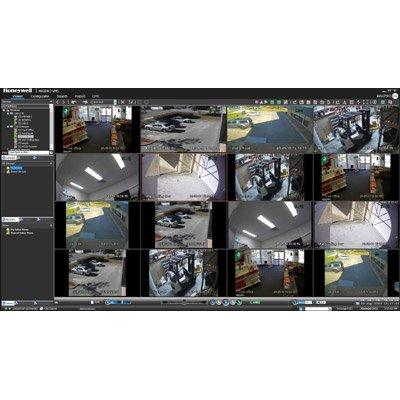


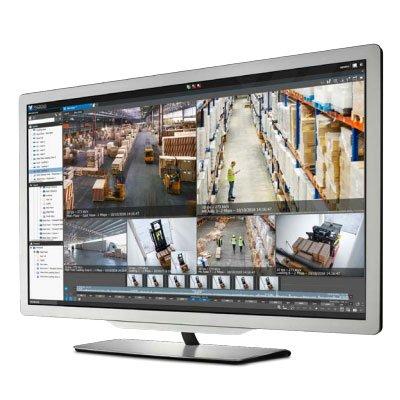
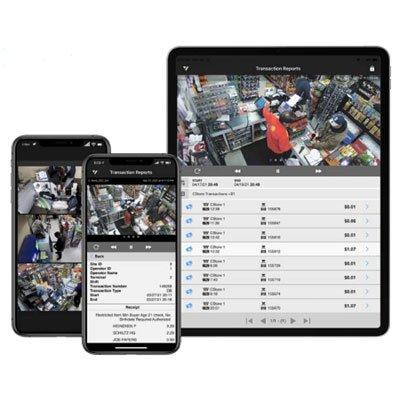
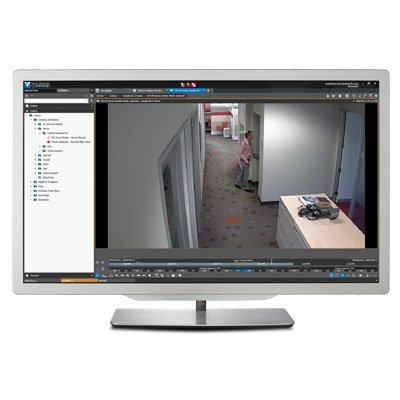
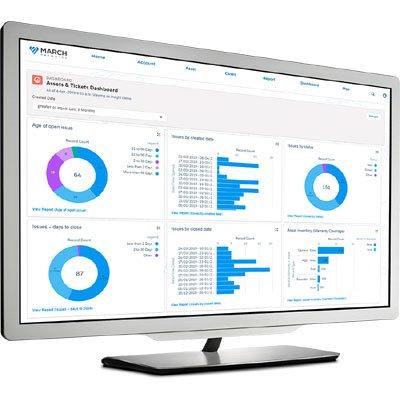
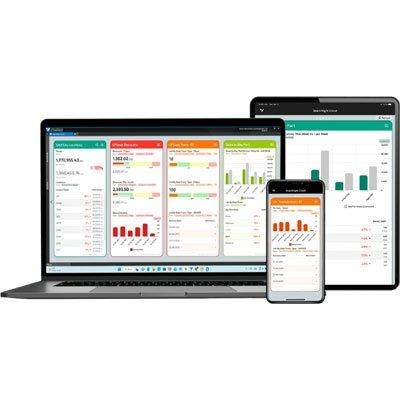
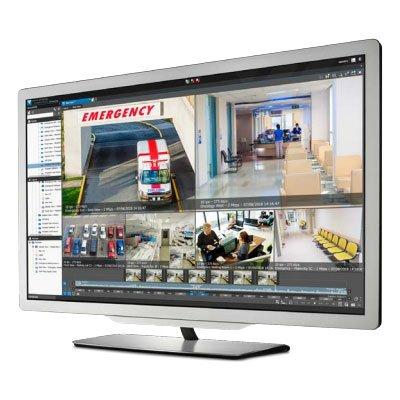
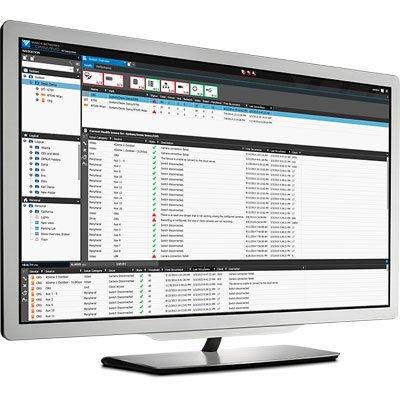
White papers
How to lower labour costs when installing video surveillance
Download
Guide for HAAS: New choice of SMB security system
Download
11 advantages of a combined system for access control and intrusion
Download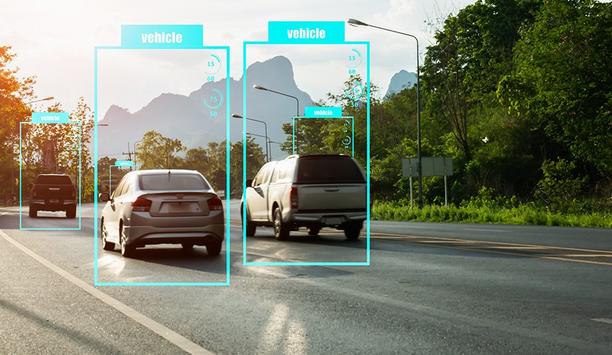
Automatic vehicle identification
Download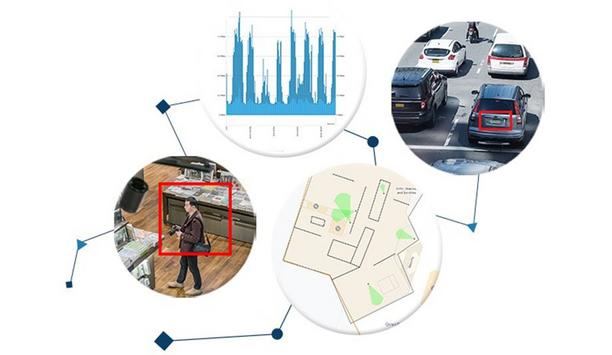
Cloud video and smart cities
Download
Security investments retailers should consider for their 2021 budget
Download
Sinaloa, Mexico: Connected cities are safer cities
Download
How to overcome the storage challenges of adopting surveillance AI
Download
Record locally, view centrally, manage remotely
DownloadVideos
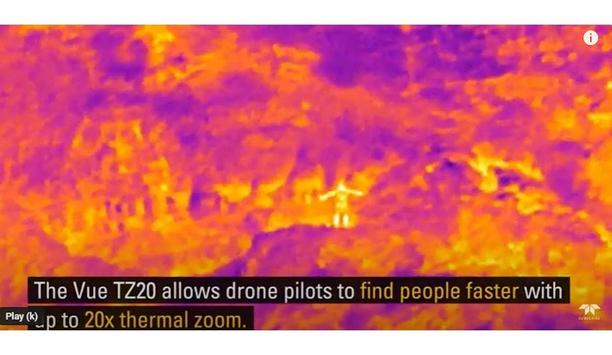


Remote surveillance: Manufacturers & Suppliers

Technology's role in securing banks and financial institutions
Download
Security technologies promote real-time awareness in K-12 schools
Download
Integrated systems enable critical and compliant security for transportation
Download
Modernising physical access control
Download
Access. Intrusion. One estate.
Download