Port surveillance
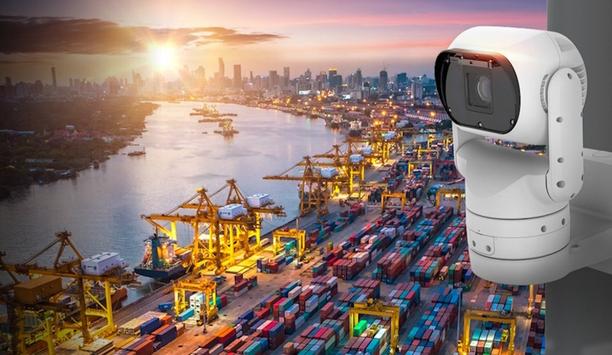
Hanwha Vision, a pioneer in video surveillance solutions, has announced the launch of three ruggedised PTZ cameras, purpose-built to deliver seamless monitoring in challenging environments. Designed to withstand extreme weather conditions, these cameras combine durability with AI-powered intelligence - via Hanwha Vison’s AI-native chipset Wisenet 9 - to provide reliable and intelligent surveillance for critical infrastructure, transportation, ports and urban environments. Engineere...
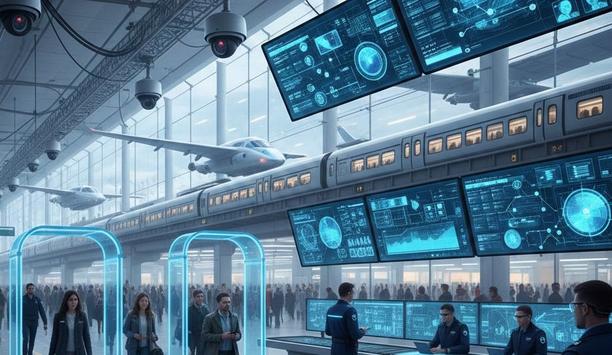
Transportation systems need robust physical security to protect human life, to ensure economic stability, and to maintain national security. Because transportation involves moving large numbers of people and critical goods across vast, often interconnected infrastructure, it presents a highly attractive target for various threats. More threats equate to a greater need for security. We asked our Expert Panel Roundtable: What are the emerging applications of physical security in the transportation...

SharpEagle has been recognised as a key player in the global forklift 360-degree camera market, highlighted in the recent Forklift 360-Degree Camera Global Market Report by The Business Research Company. SharpEagle's advanced Bird's-Eye View Camera System leverages AI-powered stitching technology to deliver seamless 360-degree panoramic views around forklifts. This innovative solution enhances industrial safety by minimising blind spots, improving situational awareness, and reducing accident ri...

Omada by TP-Link and VIGI by TP-Link, TP-Link Systems Inc.’s exclusive business solutions brands, are set to make waves at ISC West 2025 with the debut of their groundbreaking unified networking and surveillance solutions. At the event, the brands will showcase a seamless integration of VIGI’s cutting-edge surveillance solutions, Omada’s comprehensive networking systems, and the Omada Central platform—a revolutionary cloud-based solution that unifies the management of ne...
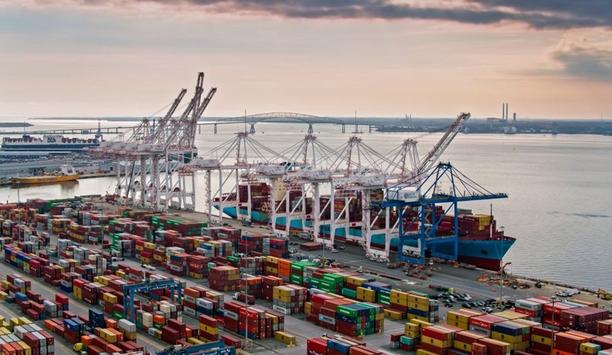
Allied Universal®, the world’s renowned security and facility services company, is proud to announce that its client, the Helen Delich Bently Port of Baltimore has received a top U.S. Coast Guard security assessment for the 15th consecutive year. Security assessment The assessment which included a detailed review of all security protocols and procedures is for the six state-owned, public marine terminals that are managed by the Maryland Port Administration (MPA). The U.S. Coast Guar...

Pioneering provider of secure maritime data communications software, GTMaritime, has received certification to the ISO/IEC 27001 international standard for information security management systems (ISMS). Defining requirements for an ISMS, ISO/IEC 27001 establishes a holistic approach to information security that encompasses people, policies and technology. Compliance with the standard is evidence that an organisation has created a comprehensive system to asses and manage information secur...
News

3xLOGIC, a provider of integrated and intelligent security solutions, has announced the availability of its X-Series edge-based deep learning analytics cameras. X-Series cameras combine state-of-the-art hardware with advanced analytics to deliver real-time, accurate, and actionable data, transforming how surveillance systems can be deployed and utilised. Advanced data processing "X-Series cameras have analytics that enables them to perform advanced data processing directly at the edge, right on the camera itself," explained Mike Poe, Director of Product Management at 3xLOGIC. "They use object, people, perimeter, and vehicle identification algorithms to provide accurate detection and tracking in dense, complex, and busy environments. Using vast volumes of representative data, the cameras continuously analyse movements and behaviour, while using predictive analysis to constantly track each object." Appearance-based models This decreases the opportunity for false positives as a result of elements such as illumination changes 3xLOGIC’s analytics technology utilises appearance-based models, as opposed to established motion-based solutions that depend solely on changes in pixels over time to indicate movement. This decreases the opportunity for false positives as a result of elements such as illumination changes or foliage, as the trackers identify and ignore them because they do not look like objects of interest. This level of filtering is particularly effective for improving accuracy or detecting complex behaviours, and once an object begins tracking, a unique identification code is assigned that stays with the object in the field of view. Core applications X-Series cameras can be deployed both indoors and outdoors and allow valuable business intelligence to be gained. Core applications include retail, commercial and office premises, education, hospitality, warehousing and distribution, healthcare, and critical infrastructure. 3xLOGIC’s deep learning analytics provide information about dwell time, entry and exit, appearance and disappearance, abandoned and removed objects, traffic direction and tailgating, as well as people's movement and counting. VIGIL VMS integration VIGIL Server provides support for use cases such as perimeter protection, business intelligence, and alarm notifications X-Series cameras form an integral part of 3xLOGIC's VIGIL video management system, allowing users to harness the full potential of their surveillance ecosystem. For example, person, object, and vehicle detection capabilities can be integrated into VIGIL CLOUD, so that only actionable detection and notifications are delivered. Meanwhile, VIGIL Server provides support for use cases such as perimeter protection, business intelligence, and alarm notifications. Edge-based deep learning analytics Integration with VIGIL TRENDS makes security management easier and more efficient by turning data into meaningful information, collating, deciphering, and presenting it in a way that makes sense by showing present and historical data in a business context. 3xLOGIC’s Poe concluded, "Our X-Series edge-based deep learning analytics cameras empower organisations to take their security to the next level by providing them with powerful analytical tools that deliver insights and actionable data, enabling them to make informed decisions and respond quickly to potential security threats."

Secure Logiq is excited to announce a landmark collaboration with Mayflex, a renowned distributor specialising in converged IP security solutions and other cutting-edge products. Mayflex's robust network and deep-rooted industry expertise pave the way for Secure Logiq to broaden its market presence, ushering in a new phase of growth for innovative server solutions. Powerful surveillance Featuring speeds of up to 4000 Mbps and storage capacities surpassing 1 petabyte, Secure Logiq's advanced servers seamlessly align with Mayflex's array of surveillance and security offerings. This synergy enables Mayflex to offer comprehensive and powerful surveillance systems to its customers, enhancing its competitiveness in the market. Server solutions Our collaboration marks a significant stride in expanding the footprint of our high-performance servers" Ben Yoxall, Secure Logiq's Global Sales Director, expressed his excitement about this strategic partnership, stating, "Our collaboration with Mayflex marks a significant stride in expanding the footprint of our high-performance servers within the IP surveillance market." "We pride ourselves on delivering unparalleled server solutions that empower our clients to excel in their surveillance endeavours." Service and support Echoing these sentiments, Robin Hughes, Co-founder of Secure Logiq, said, "Having worked with Mayflex in previous roles I’m excited to once again be working with the Mayflex team to distribute the Secure Logiq range." "Secure Logiq and Mayflex are both companies that strive for the very best in service and support and put the customer at the heart of everything that we do, so we are well aligned, and we are very much looking forward to a long and successful partnership.” Minimising ecological footprint We are thrilled to introduce Secure Logiq's outstanding range of servers to our esteemed clientele" Adam Herring, Security Director at Mayflex, stated, "We are thrilled to introduce Secure Logiq's outstanding range of servers to our esteemed clientele." "These products not only align seamlessly with our offerings but also exemplify our joint commitment to minimising the ecological footprint associated with product distribution." Logiqal Benchmark One of the highlights of Secure Logiq's technology, as highlighted by Adam Herring, is the 'Logiqal Benchmark' utility. This unique feature empowers users to create a completely virtual environment that meticulously replicates their entire IP Surveillance system. The utility also includes a 'camera replicator facility,' significantly reducing setup time and offering a multitude of other benefits.
Designed around energy-saving principles, Hanwha Vision’s product, and technology deliver a sustainable approach to security and monitoring needs. While video surveillance systems are touted as integral to building smart and sustainable cities, the cameras themselves must also be designed for sustainability. Energy-efficiency Individually, modern security cameras do not consume a significant amount of energy. However, extensive surveillance systems can incorporate dozens of servers, creating a more substantial energy burden that impacts progress toward a sustainable future. “The recent 8th Annual Global Conference on Energy Efficiency saw 45 countries endorse the Versailles Statement on this being ‘the crucial decade for energy efficiency’,” said Andy Ryu, Head of Product Management at Hanwha Vision. SolidEDGE camera We are incorporating energy-efficient features into our solutions to support global sustainability" "Hanwha Vision has always strived for innovation to advance tomorrow. We are incorporating energy-efficient features into our solutions to support global sustainability and energy security targets without compromising on safety." In line with this commitment, Hanwha Vision, a global vision solution provider, recently unveiled the SolidEDGE camera, the first real Solid State Drive (SSD)-based camera with an embedded server that was designed around energy-saving principles for reduced environmental impact. Energy conservation via serverless video solution One of the revolutionary features of the SolidEDGE camera is its serverless setup, which significantly reduces energy consumption and total cost of ownership. It eliminates the traditional need for separate servers in temperature-controlled data centres, which consume considerable amounts of electricity. Wisenet WAVE VMS The SolidEDGE camera can also connect to and record video from up to five additional guest cameras Hanwha Vision has integrated solid storage directly into the body of the SolidEDGE camera and pre-installed the Wisenet WAVE video management system, which can run on the edge. The SolidEDGE camera can also connect to and record video from up to five additional guest cameras. This consolidation of functions not only provides impactful energy savings but also ensures that video data and recordings are captured without delay. Energy-efficient data analytics with Edge AI The exponential growth in surveillance technology has led to an unprecedented amount of data being generated daily, more than 2,500 petabytes of data as of 2019. Storing and analysing this data consumes significant energy as servers in data centres require substantial power. However, Hanwha Vision is tackling this challenge by incorporating edge artificial intelligence (Edge AI) into many cameras. AI NVRs Hanwha Vision’s cameras can quickly control and transmit important metadata, reducing the operating load By leveraging Edge AI, Hanwha Vision’s cameras can quickly control and transmit important metadata, reducing the operating load on the server and minimising overall power consumption. This also eliminates common energy burdens caused by network overloads or storage overcapacity. Additionally, Hanwha Vision's AI network video recorders (NVR) further enhance the efficiency of data analysis, enabling quick identification and retrieval of relevant information. This results in increased operational efficiency and significant energy savings. AI-based low-light image processing technology Traditionally, surveillance cameras require well-lit environments to produce high-quality recordings. This often leads to businesses leaving lights on in stores and outside storefronts, contributing to unnecessary energy consumption. Major European retailer SPAR Austria estimated an annual energy consumption reduction of one million kilowatt hours simply by reducing storefront advertising and outside lighting hours across more than 1,500 stores. Clear recordings Hanwha Vision’s edge devices use state-of-the-art AI-based, low-light image processing technology However, Hanwha Vision’s edge devices use state-of-the-art AI-based, low-light image processing technology. This enables clear recordings in dim conditions and eliminates the need to maintain a well-lit environment solely for surveillance. As such, it is ideal for businesses looking to minimise their environmental impact. A commitment to sustainability and the future Hanwha Vision's focus on sustainability extends beyond product design. The company has launched several initiatives aligned with the United Nations Sustainable Development Goals (SDGs), demonstrating its commitment to making a positive impact on the world. These initiatives include the Hanwha-KAIST Spacekids Program, Hanwha Clean Up Mekong Initiative, and Win-Win Support Program among others. Innovative approach The synergy between technology and energy is key to building a sustainable tomorrow. Hanwha Vision's product exemplifies this synergy by incorporating energy-saving principles, a serverless setup, edge AI and low-light technology. This innovative approach not only enhances security and monitoring capabilities but also reduces environmental impact and energy consumption. Hanwha Vision’s commitment to sustainability, coupled with a comprehensive range of surveillance solutions, makes us a trusted partner for businesses and organisations prioritising sustainability.

As technology advances, so do the security risks that come with it. It’s no surprise that security is a top priority in the current world, and the growing number of security systems and devices has made it increasingly challenging to monitor and manage effectively. But what if there was a solution that offered simplicity in system management? That’s where Harmonize Remote Monitoring and Management (RMM) comes in. Harmonize RMM Harmonize RMM is a software solution that simplifies the integration of various security systems assets. Its straightforward and modular design makes it easier for users to manage the complex physical security environments within their facility. Customised solution, situational awareness Harmonize RMM offers unmatched system and device control, as well as enhanced situational awareness With a dashboard customised for users solution, Harmonize RMM offers unmatched system and device control, as well as enhanced situational awareness. It also offers the ability to set custom telemetry and alarms that notify security professionals directly via email or text when a threshold is met, allowing for proactive management and failure prevention. Integration software What sets Harmonize RMM apart from other security integration products is its agnostic, non-proprietary approach. The software can integrate with various security hardware vendors and VMS platforms, including Avigilon, Genetec, Milestone, and more. This allows users the freedom to select the system components of their choice, making it a vendor-neutral design. 24/7/365 monitoring Harmonize RMM’s reach goes beyond surveillance systems and can be upgraded to enable integrations This solution can be configured with assets from any vendor such as cameras, network switches, and software providers. This is a great option for sectors such as healthcare and energy, where the need for 24/7/365 monitoring with remote assessment capabilities is widespread. Harmonize RMM’s reach goes beyond surveillance systems and can be upgraded to enable integrations beyond just your surveillance system, such as access control, PA systems, lighting, HVAC, and anything else attached to the PoE/PoE+ network. User-friendly and cost-effective solution What’s most impressive about Harmonize RMM is that it’s a prime example of innovation in the pursuit of simplicity. Rather than adding complexity, Harmonize RMM simplifies the integration of multiple security systems and devices, providing users with an efficient, user-friendly, and cost-effective solution. Harmonize RMM brings all the components of your system into one single-pane-of-glass management dashboard, making it simple to manage and monitor a system from anywhere.

Matrix, a security and telecom solutions provider, is excited to announce its participation in the upcoming Security and Fire Expo. This highly anticipated event brings together renowned exhibitors, consultants, industry experts, and key government officials from both the Indian and international security industries. Cutting-edge technologies on exhibit Matrix aims to showcase its innovative products and cutting-edge technologies at the event, further solidifying its position as a trusted and reliable security solutions provider. With over 30 years of industrial experience, Matrix has established itself as a trusted provider of security and telecom solutions. Comprehensive product portfolio The company takes pride in offering a comprehensive range of products, with more than 60 offerings in its portfolio The company takes pride in offering a comprehensive range of products, with more than 60 offerings in its portfolio. These products cover a wide spectrum of solutions in the domains of IP Video Surveillance, Access Control, Time-Attendance, and Telecom thus, enabling Matrix to cater to diverse customer requirements. Customer-centric approach Matrix's customer-centric approach has allowed it to build a strong global presence. With over 1 million customers across 50+ countries, the company has successfully delivered its solutions to a broad customer base. This extensive reach demonstrates Matrix's ability to provide effective and reliable solutions that meet the expectations of customers worldwide. Products on display Surveillance systems Network cameras Matrix understands the critical importance of data security in surveillance systems. In the two-day-long event, Matrix will show its wide range of bullet, dome, turret, and PTZ network cameras. These cameras are designed and developed with a strong focus on cybersecurity, adhering to the Open Web Application Security Project (OWASP) guidelines. This ensures that the cameras incorporate robust security features to safeguard against potential vulnerabilities and unauthorised access, providing organisations with a comprehensive security solution. Server-Based NVRs with VMS Matrix will also showcase its Server-Based NVRs that provide powerful video recording solutions for organisations with massive storage capacities of up to 144 TB. This ensures corporations receive 24x7x365 surveillance. Matrix’s Server-Based Network Video Recorders feature various redundancies like hot-swappable hard disks - HDD/SSD to keep the downtime to a minimum. They also come with Pre-Installed Video Management Software (VMS) thus offering an efficient and flexible solution covering the security needs of organisations of any size. Access Control and Time-Attendance Matrix takes great pride in being the only OEM that develops all architectural elements Matrix takes great pride in being the only OEM that develops all architecture elements, ranging from panels, door controllers, and readers to software, completely in-house in the domain of Access Control and Time-Attendance. This unique capability allows Matrix to maintain complete control over the design, development, and integration of its access control solutions, ensuring a seamless and efficient user experience. COSEC ARGO FACE At the event, Matrix will bring forth COSEC ARGO FACE - a smart door controller with high-speed face recognition. Built in with features such as Adaptive Face Recognition, Face Liveness Detection, and Mask Compulsion, this device showcases modern capabilities to counter security and health concerns. With its deep learning algorithm, identification speed of less than 0.5 sec, and user capacity of 50,000, this device brings high-grade security to organisations of various sizes and scales. Matrix COSEC PANEL200P Another highlight at the exhibition will be the Matrix COSEC PANEL200P, a multifaceted capable of controlling up to 255 COSEC door controllers and managing up to 25,000 users. Matrix will showcase its extensive range of door controllers and readers, providing options for access control In network architecture mode, PANEL200P acts as a bridge connecting the door controllers to the servers, facilitating smooth communication and control. In standalone architecture mode, it functions independently as the central unit for the controllers, offering flexibility in system configurations. Alongside the COSEC PANEL200P, Matrix will showcase its extensive range of door controllers and readers, providing comprehensive options for access control solutions. Telecom solutions In addition to its prowess in Access Control and Time -Attendance, Matrix also holds a prominent position in the telecom domain. The company offers a comprehensive suite of business communication products and solutions. ETERNITY NENX From its Telecom offerings, Matrix will exhibit ETERNITY NENX - a unified communication platform suitable for small and medium organisations transitioning towards IP Telephony. With its IP User support, LDAP client support, and multi-level IVR, this device enables seamless business communication for organisations. SPARSH VP210 Alongside this, at the display will be SPARSH VP210 - a sturdy desk phone with third-party IP compatibility. SPARSH VP210 is ideal for organisations looking to migrate toward modern telephony architecture. Besides this, Matrix will portray its vast range of telecom solutions inclusive of PBXs, IP-PBXs, Server-based PBXs, Media Gateways, and Communication endpoints at the event. Connecting and understanding market needs "At this year’s Security and Fire Expo, we look forward to connecting with system integrators and leading business associates. Through this event, we wish to take advantage of the opportunity in understanding the trending market needs. This will benefit us in designing telecom and security solutions accordingly," stated Kaushal Kadakia, Marketing Manager at Matrix Comsec. Matrix eagerly awaits your presence at Security and Fire Expo 2023, Chennai Trade Centre in Hall 1, Booth 1.91 from 5th to 6th July 2023 to get a hands-on experience with its latest solutions.

Hanwha Vision is launching SolidEDGE, the first true serverless camera system with onboard Solid State Drive (SSD) storage and an embedded WAVE VMS server. SolidEDGE camera This unique cloud-managed solution addresses the need for efficient, scalable, and cost-effective surveillance solutions for security operations requiring multi-camera recording, remote access, and on-premise security system management. The SolidEDGE camera is available in two models, the PNV-A6081R-E1T (1TB onboard storage capacity) and PNV-A6081R-E2T (2TB), both delivering high-quality, reliable video surveillance without a complicated setup. Customisable and flexible system structure Each SolidEDGE camera can connect and record up to five additional cameras Further setting the system apart is its customisable and flexible system structure, enabling easy remote access and management of on-premise security systems. Each SolidEDGE camera can connect and record up to five additional cameras, bringing the total number of cameras in a system to six, including the original SolidEDGE camera’s video stream. Scalable and flexible with WAVE Sync Users can also merge up to 30 SolidEDGE systems through WAVE Sync. The WAVE Sync feature also keeps systems up to date with regular software and security updates. The SolidEDGE system’s unprecedented level of scalability and flexibility allows any organisation, especially smaller operations with multiple locations, to easily customise and grow their surveillance systems based on their specific needs. Cost-effective With the SolidEDGE serverless camera system, organisations can take control of their surveillance" “Customers are looking for practical, convenient, and efficient ways to conduct surveillance,” said Miguel Lazatin, Senior Director of Marketing, at Hanwha Vision America. “Traditional video surveillance systems require a separate server to manage cameras, events, recording, and playback, which can quickly become costly and time-consuming to set up and maintain. With the SolidEDGE serverless camera system, organisations can take control of their surveillance and cost-effectively customise a solution that makes the most sense for their operations.” Additional features include: SSD Status Management: The built-in rugged SSD of the SolidEDGE camera offers high-speed and reliable storage for video data. The SSD status management feature, which can be accessed from the camera web viewer, provides information on the health of the SSD drive, ensuring the system runs smoothly. Enhanced Cybersecurity: The SolidEDGE camera delivers next-level cybersecurity: TPM 2.0 (FIPS 140-2 level 2 certified), Device Certificate (Hanwha Vision Root CA, pre-installed), Secure OS/boot/storage, AND Verified FW forgery. Reinforced Durability: A metal-shielded RJ-45 terminal and enhanced grounding frame structures protect the camera from the transient voltage (lighting, static electricity). A hard-coated dome bubble enhances resistance to scratches from external elements (sand, handling), and minimises degradation of resolution due to scratches. Improved Weather Resistance: A built-in AIR vent prevents condensation and maintains performance over long-term use and storage through water vapor control. It also can prevent damage and stress on the seals and internal components through pressure equilibrium in the product. The planned availability for the new SolidEDGE camera system is June 2023.

Expert commentary

Open platform video technology software is more than just a product; it's a tool that helps customers achieve their desired business outcomes. Safety, round-the-clock security, and increased operational efficiencies are now the norm due to video technology. Responsible Technology Despite humanity’s impressive technological advances, we also recognise the immense responsibility that comes with technological innovation. It's not enough to focus solely on the positive impact video technology can make, we must also be vigilant in identifying and addressing any potential negative consequences it can have on society and its citizens. This is the role of Responsible Technology. Data privacy We want to use all the good things that technology innovation brings, whether it be video, AI, ML, facial recognition, etc. We want to use all the good things that technology innovation brings, whether it be video, Artificial Intelligence, machine learning, facial recognition, etc. to serve people in societies in a responsible way. That means making sure that we regulate technology in a way that respects human rights and data privacy. Addressing the challenges The challenge is, that rather often technology leaders and policymakers either have conflicting interests or collaborate too late. To be responsible, business leaders must support their societies and policymakers in making regulations in the interest of the common good. At Milestone Systems, we are actively looking at how we develop our software responsibly, how our partners responsibly sell our software, and very importantly, how our customers use our software with a responsible mindset. Ensuring good corporate governance As a long-time partner within the security industry, we’re celebrating our 25th Anniversary this year, we are supporting the regulation of video technology for the good of society. However, it of course needs to strike the fine line between the right legislation and not hindering innovation. UNGP The UNGP is the most authoritative and widely adopted set of principles for responsible business At Milestone Systems, we want to play an active role in this and that is why we have pledged our support to the UN's Guiding Principles on Business and Human Rights (UNGP). The UNGP is the most authoritative and widely adopted set of principles for responsible business. The principles call on governments and companies to identify, prevent, mitigate, and remedy actual and potential human rights abuses. Since its launch in 2011, the UNGPs have received wide support from states, civil society organisations, and the private sector, making them the key global foundation for business and human rights. Protect, respect, and remedy Through this commitment, we are taking steps to ensure good corporate governance and ethical standards in the development of our technology. We're generating mechanisms to prevent misuse and we are building educational practices internally. Based on the UNGP’s three pillars: protect, respect, and remedy, we are developing a set of Responsible Technology Principles and procedures for the development, selling, and use of our products. Need for video technology regulation In addition, we are currently evaluating all the various technology areas in which our video software can be used, such as with third-party integrations that utilise e.g., facial recognition. We are mapping out the advantages and disadvantages for societies. One key area of concern is how local authorities are mapping and storing data about us as individuals. This is the reason why we're inviting more legislation to regulate video technology rather than less. Engaging With policymakers We are meeting ministers and trade organisations as we believe this needs to be a joint effort where all parties are heard We are proactively reaching out to and connecting with policymakers and other relevant stakeholders to discuss our approach to and take on Responsible Technology and encouraging the political landscape to work with us around regulation and legislation. We are meeting ministers and trade organisations as we believe this needs to be a joint effort where all parties are heard and where we can openly weigh the advantages and the challenges of technology, whether it is video, facial recognition, machine learning, Artificial Intelligence, or other technologies. Striking a balance Implementing Responsible Technology is a journey, not a destination. To give it the focus needed, we have created a dedicated team to implement this initiative at Milestone Systems. At the same time, we are reaching out to the political landscape to discuss how we balance regulation without hindering innovation. Video technology used ethically We are a global company with worldwide operations, and we are having dialogues about how video technology is being used and how we can have meaningful talks about what regulation and legislation should look like. However, we don’t necessarily want to limit access to the technology itself. Facial recognition We encourage the policymakers to engage with us in the industry so that together we can strike the fine line Facial recognition is a great example of this. The EU is considering making live facial recognition illegal. That would be a huge inhibitor of proactive terrorism prevention. For example, if a well-known terrorist is walking down the street and is being mapped out against Interpol’s most wanted list, the authorities should be able to react. However, if a person walking down the street but is not mapped out or does not have any priors then the city should not be allowed to store the data of that individual’s whereabouts at that point in time. This potential legislation is concerning to me as a citizen of Europe. Instead, we encourage the policymakers to engage with us in the industry so that together we can strike the fine line for the better good of all of us. Maintaining high ethical standards We have a firm understanding and expectation that ethical standards are a huge driver in the security business. Citizens are not in favour of technology companies abusing data about them and monetising from things that they have not opted in to do. Soon, I think we will see many more companies and governments leaning toward suppliers that do have a responsible mindset and high ethical standards for partnerships. Ethical practices Our journey toward Responsible Technology is an ongoing process, and we must remain steadfast in our commitment to ethical practices and the protection of human rights. We recognise that the rapidly changing technological landscape continually presents new challenges and opportunities. For this reason, we continuously look into how we can improve, for example, our end user licence agreements to avoid potential human rights abuses. An industry responsibility Security companies must prioritise careful planning and preparation, including developing policies and procedures For Responsible Technology to truly become a reality, compliance with international human rights laws and data privacy regulations is critical. Security companies must prioritise careful planning and preparation, including developing policies and procedures that govern the ethical use of video surveillance systems. The secure and ethical community In today's technology environment where deep integrations, machine learning, and artificial intelligence are becoming the norm, Responsible Technology is more relevant than ever. The security industry has a unique opportunity to set an example for other sectors by promoting a secure and ethical development community that prioritises Responsible Technology, trustworthy data collection, and the protection of human rights. We must all rise to this challenge and embrace our role as ethical leaders for the greater good of both people and societies.

Inadequate security measures on your essential infrastructure can have severe consequences. Consequences Consider the rail industry: If a vandal cuts the cables on a vital mechanism that controls train signals, train safety is jeopardised. To avoid train collisions or derailments and thus significant damage to property and potential loss of life, the operating company must shut down the service until the infrastructure is repaired and the network is up and running again. The disruption affects the rail ecosystem itself, but also the people using the trains, the transportation of cargo, and more. The financial cost of repairing the damage, restoring signal functionality, and compensating for delays can be substantial. For another example, consider electrical substations: A fire or targeted attack can damage the system and lead to devastating power outages. Traditional surveillance limitations Traditional video surveillance has its limits when it comes to protecting transformer stations Traditional video surveillance has its limits when it comes to protecting transformer stations. The facilities are often located in rural areas, where straying animals or flying leaves trigger false alarms. 3D Surveillance solutions overcome these challenges by volumetrically securing the area and immediately detecting intruders only raising the alarm in the event of a human intruder and even identifying drone attacks. Protecting critical infrastructure with 3D surveillance Critical infrastructure must be monitored. It remains at risk if operators do not have systems for monitoring entire areas rather than just the periphery if security personnel has limited information in case of an intrusion and if security response protocols are not automated. 3D Surveillance solutions 3D Surveillance is an important tool for protecting critical infrastructure and ensuring the safety of those who rely on it. Integrating LiDAR technology, 3D Surveillance solutions provide a comprehensive view of the area being monitored with real-time monitoring and response, protecting critical infrastructure from damage and providing a more comprehensive security system. Advanced analytics and artificial intelligence Security personnel can identify and verify threats more easily and track the movements of individuals or vehicles, as well as respond to incidents as they happen. 3D Surveillance systems can be equipped with advanced analytics and artificial intelligence (AI) capabilities to detect patterns and anomalies that may indicate a potential threat. This can help to prevent potential attacks or accidents before they occur, as well as enable more accurate responses to incidents. Talent challenge Turning to autonomy by implementing sensor- and software-based solutions requires fewer if any, in-person patrols 3D Surveillance can also help tackle the talent challenge in the industry: Recruiting security professionals involves extensive background checks, and jobs in the industry are notorious for their low salaries, which results in high staff turnover. Turning to autonomy by implementing sensor- and software-based solutions requires fewer if any, in-person patrols and ensure reliable infrastructure protection. Additional security measures In many countries, more stringent legislation now mandates the implementation of additional security measures to safeguard critical infrastructure, particularly at a country's points of entry, such as airports and harbours. Protecting the perimeter is no longer enough. For instance, airport management must ensure that critical areas, including the space around aircraft and near unauthorised access points, are secure. While multi-layered screening of individuals at the perimeter is a valuable security measure, it must be complemented by smooth and efficient surveillance of the entire area, which can only be achieved through advanced technology. Different adoption rates 3D Surveillance technology is only beginning to gain traction in most locations, and adoption rates differ significantly from one region to another. For instance, Scandinavia and Eastern Europe have embraced 3D Surveillance to a greater extent than Western Europe. Regions with lower adoption rates will likely catch up as they seek to reinforce the security of their critical infrastructure, especially given the conflict in Eastern Europe. Vandalism and damage protection 3D Surveillance enhances the security of critical infrastructure, reduces the risk of downtime and loss of revenue 3D Surveillance offers reliable protection against vandalism and damage - major concerns for companies that rely on critical infrastructure. LiDAR-based, software-enhanced 3D Surveillance solutions provide real-time insights and enable automatic processing of the information so that operators can autonomously and quickly detect and respond to potential threats. These solutions are scalable and customisable, allowing companies to adapt their security measures to their unique needs and changing environments. 3D Surveillance enhances the security of critical infrastructure, reduces the risk of downtime and loss of revenue, and ensures compliance with regulatory requirements. Asset management and maintenance planning Beyond its security benefits, 3D Surveillance can help with tasks such as asset management and maintenance planning. It can help identify potential problems or maintenance needs before they become more serious issues by providing a real-time view of the monitored infrastructure. This can help to reduce downtime and keep critical infrastructure running smoothly. Real-time management The same technology can also perform volume monitoring tasks and thus facilitate the management of valuable resources such as bulk material, grain, wood chips, or chemicals. By scanning the stock 24/7 and automatically calculating stock volume updating records in real-time, this technology supports lean production systems and automated processing.

The term ‘marine’ comes from the Latin mare, meaning sea or ocean, and marine habitats can be divided into two categories: coastal and open ocean. Video surveillance (VS) applications can cover both types of marine environment with system for ships, maritime ports, onshore and offshore installations, etc. We should want to further analyse VS for ships and try to explain the types of ships on which it can be used, the ways in which VS can be used on ships, the typical certifications in use and what features a camera station must have to be installed on a ship. Starting with ships that have a minimum tonnage, around the world we have: liquefied natural gas (LNG) tankers, passengers ships, chemical tankers, crude oil tankers, container ships, general cargo ships and bulk carriers.As the LNG market grows rapidly, the fleet of LNG carriers continues to experience tremendous growth, offering more opportunities for VS Video surveillance for all marine vessels An LNG carrier is a tank ship designed for transporting liquefied natural gas. As the LNG market grows rapidly, the fleet of LNG carriers continues to experience tremendous growth. A passenger ship is a merchant ship whose primary function is to carry passengers by sea. This category does not include cargo vessels which have accommodation for a limited number of passengers, but rather includes the likes of ferries, yachts, ocean liners and cruise ships. A chemical tanker is a type of tank ship designed to transport chemicals in bulk. These ships can also carry other types of sensitive cargo which require a high standard of tank cleaning, such as palm oil, vegetable oils, tallow, caustic soda and methanol. An oil tanker, also known as a petroleum tanker, is a merchant ship designed for the bulk transport of oil. There are two basic types of oil tankers: crude tankers and product tankers. Crude tankers move large quantities of unrefined crude oil from its point of extraction to refineries. Product tankers, generally much smaller, are designed to move refined products from refineries to points near consuming markets. Container ships are cargo ships that carry their entire load in truck-size intermodal containers: a technique called containerisation. They are a common means of commercial intermodal freight transport and now carry most seagoing non-bulk cargo. Today, about 90% of non-bulk cargo worldwide is transported by container. A cargo ship or freighter ship is any sort of ship or vessel that carries cargo, goods and materials from one port to another. Cargo ships are specially designed for the task, often being equipped with cranes and other mechanisms to load and unload, and come in all sizes. Bulk carriers make up 15%–17% of the world's merchant ships and they are specially designed to transport unpackaged bulk cargo such as grains, coal, ore and cement in its cargo holds. For all these ships the protection of vessels, cargo and crew is a priority, that’s why the adoption of VS technology plays a key part in terms of security and safety. Human error is regularly named as a major factor in ship accidents, and one way to avoid it is to aid seafarers by providing them with technology and equipment that is reliable and easy to use in all weather and sea conditions. Marine VS encompasses liquefied natural gas (LNG) tankers, passengers ships, chemical tankers, crude oil tankers, container ships, general cargo ships and bulk carriers Emergency security solutions on ship One of the most important applications for camera stations is during “docking”. Mooring is the securing or confining of a vessel in a particular location with a fixed or a floating object (jetty, pier, ship, barge, buoy, etc.) as various cargo operations are carried out. Docking is the final stage of mooring operations when the ship docks to the jetty. This is a very delicate operation and cameras are very helpful in making sure docking is done without accidents.'Man overboard’ is an emergency in which a person has fallen off a boat or ship into the water, and can happen at any time during the day or night Another important application for camera stations is the Man Overboard detection system (MOB). ‘Man overboard’ is an emergency in which a person has fallen off a boat or ship into the water. Man overboard events can happen at any time during the day or night, in all types of weather and sea conditions, and from almost any location on the ship, ranging from a few tens of feet above the water, to over 180 feet. When these events occur, the immediate availability of important data is crucial. Accurate confirmation of the event including time of occurrence, location on the ship and location in the sea is critical. A proactive detection system must immediately and accurately detect man overboard events and provide prompt, actionable data to response personnel. A typical man overboard detection system can report a MOB event in under 1 second. VS on a vessel can also monitor the engine room at all times and provide a good view of people working on dock, machinery and stowed equipment. But what are the most important features that a camera station must have to work in one of the most aggressive environments in nature? Marine surveillance must operate in one of the most harsh environments in nature Ruggedised reliability in surveillance First of all, and perhaps it’s obvious, but it’s extremely important to have camera stations with amazing reliability. Housing units manufactured from AISI 316L stainless steel, passivated and electropolished, makes the cameras completely impervious to air, water, rusting and corrosion, therefore offering excellent weather protection and increased reliability. Housing units manufactured from AISI 316L stainless steel, passivated and electropolished, makes the cameras completely impervious to air, water, rusting and corrosion Sometimes ships also use cameras constructed entirely from technopolymer, which guarantees high impact resistance and superior protection from external weather agents. Keeping the camera glass clean at all times is another essential feature, and it can be done via a wiper/wash system that greatly reduces the need for maintenance. In the case of PTZ cameras, the best option would be a great pan and tilt speed (up to 100°/s). What is the operative temperature range for the cameras? Sea is everywhere and therefore ships go everywhere, from the Arctic Ocean to the Mediterranean, so we need cameras that have to be fully operational across a wide temperature range. -40°C to +65°C covers almost all areas. Analogue or IP Cameras? Actually, both options can be used, especially for applications like docking where it’s important to avoid image delay (as can happen with IP cameras due to the natural latency of data communication over a network). Marine certifications Last but not least, the certifications: Certifications guarantee the quality and reliability of camera stations. There is no compromise! One important certification is the Lloyd’s Register Type Approval which subjects cameras to rigorous testing for performance, vibration (critical on ships), humidity, etc. The application field of the LR Type Approval is VS in public places (e.g. passenger ships), open decks, enclosed spaces that are subjected to heat generated from other equipment, and technical premises. Often, VS cameras used in specific areas of ships, such as hazardous areas, are required to have ATEX and IECEX certifications.
Security beat

Audio-video technologies have historically been a silo in the enterprise, separated from the larger network infrastructure by their use of analogue, hard-wired and proprietary connections. Software-defined system However, AV devices such as video walls and corporate signage add more value to security and emergency response operations when they are connected to the larger IT network and can interface seamlessly with other systems. That’s the approach provided by Userful, which offers a software-defined system for end-to-end control of audio-video applications in an enterprise, using a web browser and standard industry protocols. The use of software avoids the need for proprietary hardware and the compatibility challenges of multiple hardware systems operating in silos. It also yields visibility and control throughout the system. Single software system The single software system grants IT, administrators, the ability to govern multiple platforms The single software system grants IT, administrators, the ability to govern multiple platforms, while providing individual departments access to the specific applications they need. The emphasis is on meeting stakeholders’ functional requirements using a system governed by the IT department. The data travels across the IT network infrastructure without being blocked by the use of proprietary hardware and cabling, for example. Digital transformation Avoiding the analogue (hardwired) approach enables enterprises to “digitally transform” the operation of their audio-video devices. The approach is especially useful at the intersection of security and digital signage. “We give the power back to the local IT administrators, who can govern the system and enable customers to govern their applications,” says Shane Vega, VP of Product Marketing at Userful. The company’s software aggregates video information and distributes it as needed to individual video displays. Real-time event monitoring The software enables various video devices to become a seamless part of the IT infrastructure. It also facilitates sharing of information throughout the enterprise, even in an emergency. In contrast, proprietary, siloed systems hamper the free flow of information when it is needed the most. For example, if there is an emergency or active shooter situation, video devices throughout an organisation can be leveraged to inform occupants about the details of the event in real-time and to provide actionable instructions specific to an occupant’s location in the building. Visual communications When security is integrated into a larger platform, it can spread the message visually throughout the enterprise Visual communications, such as digital signage, comprise a powerful extension of a security system that actively monitors threats, and offers the ability to communicate to a large group of people. When security is integrated into a larger platform, it can spread the message visually throughout the enterprise. Strategic messaging can guide building occupants to their best course of action during an emergency, whether it is to flee or to shelter in place. Situational awareness The software-driven IT system can aggregate information from multiple sources, such as video camera feeds or information from an access control system, and display it on a large video wall, for example. Free-flowing information promotes situational awareness in a control room, and enables immediate response, whether it’s to call the fire department, sound an alarm, or initiate a mass exodus of building occupants. IT software approach “It makes everyone strategically aware and sends the appropriate messaging to those who need it, rather than to everyone at once,” says Vega. Facilitating more effective operations centers is the “tip of the spear” of what Userful offers customers, he adds. The IT software approach simplifies video wall applications, which are becoming increasingly complex, by enabling content to be scaled, chopped, and aggregated to fit the demands of a display wall. An analytic might trigger the system to enlarge a camera view on the full screen, to send video to the police, or “take over” screens throughout a building to provide strategic messaging. Third-party integrations Designing video walls more strategically in an operations centre can help operators interpret information quickly Designing video walls more strategically in an operations centre can help operators avoid fatigue and interpret information quickly and efficiently. “Userful’s role in the display world is to make sure software can distribute the information despite the hardware,” said Vega. Userful works with third-party integration to add system functionality and automate responses. Software flexibility “We’re a platform that pulls in sources of information, maybe it’s a hundred cameras, and then we manage the entire solution,” says Vega. “We enable users to take data from multiple sources and send it to a wide range of displays, creating a repository of information.” “When you have a software-defined platform, you can extend the solution using the flexibility of the software into a system that cannot be achieved with hardware,” says Vega. “If people want to scale their system to multiple locations, we can add a source remotely.” Proactive responses to security “Security is an important market for everyone, paramount for any organisation,” says Vega. “Individuals are responsible for the safety and security of constituents and require a proactive, not reactive response.” “We can provide proactive responses because of the nature of AV-over-IP, which is interoperability. It can draw attention to threats and proactively communicate response plans.” Managed service provider The “software-defined” approach can help systems integrators position themselves as a managed service provider Getting away from siloed solutions should be a priority for any IT purchase by an organisation, says Vega. “We need to train end-users to take a holistic view and not to look at it from a siloed perspective. A fuller understanding helps them gain efficiencies.” The “software-defined” approach can help systems integrators position themselves as a managed service provider rather than just “selling boxes.” “Think about how you can partner with end-users over the long term,” advises Vega. Information-based automation “Think of technology as a holistic part of the business for better outcomes across the whole business. More information is better information, and integrators can help customers create automation that will provide more awareness.” The Userful proposition offers especially good value in transportation markets, such as ports and airports; and in campus environments, such as enterprise, higher education, and airports. In any scenario where there are a lot of screens, the system can distribute corporate and emergency messaging, whether on a baggage claim screen or a way-finder screen.
Case studies

Cattewater Harbour in Plymouth is harnessing the power and performance of 360 Vision Technology’s Invictus cameras, to protect and secure operations across the challenging and changing conditions at the harbour’s extensive shoreline. The UK manufacturer of ruggedised HD, radar and thermal PTZ imaging cameras, was selected to provide their industry-pioneering camera technology after a comprehensive on-site evaluation. Civilian pleasure traffic Plymouth is the largest city on the southwest Peninsula and the port is also home to the largest naval base Located on the south coast of Devon, Plymouth is the largest city on the southwest Peninsula and the port is also home to the largest naval base in Western Europe. As well as civilian pleasure traffic from paddleboards to yachts, the Port of Plymouth handles a variety of cargo vessels through its commercial terminals at Cattedown Wharves, Victoria Wharf and Corporation Wharf. Freight includes liquid and dry bulk, as well as specialist project consignments for construction and heavy industry. Safe operation The Cattewater Harbour Commissioners are responsible for the smooth and safe running of the port. They are required to maintain and order safe navigation for all manner of craft, maintain and survey dredging channels, maintain navigation marks and lights, provide pilotage services and traffic regulation within the Cattewater Harbour and remainder of the civil port. At the port, nationally agreed standards for the safety of marine operations are required to be applied with a commitment to both local and international security measures, with the port’s own pilots boarding and guiding vessels with a 24/7 essential safety service - ensuring that all vessels over 50m complete their passage safely. Ensure the safety of navigation The harbour covers an wide coastline, with limits to the east of a line joining Mountbatten Breakwater The harbour covers an expansive coastline, with limits to the east of a line joining Mountbatten Breakwater to Fishers Nose, bounded by Sutton Lock Gates to the North, and Laira Bridge to the East. The Harbour Master’s role is to ensure the safety of navigation for all harbour users - whether military warships, cross-channel ferries, UAVs, underwater research vessels, small fishing boats, fuel tankers, large cargo ships, jet skis, or paddle boarders - and to take preventative measures to avoid incidents. “We are responsible for the safety of vessels, people and operations,” says Capt. Richard Allan, CEO & Harbour Master, PFSO (Port Facility Security Officer), Cattewater Harbour Commissioners. “We need to know what’s happening in the port at all times”. Effective surveillance coverage To achieve this, a camera system covering the port was deemed invaluable, with requirements for total coverage of the water and shoreline, combined with economy, performance and longevity of the camera equipment in the harsh seaport environment. The camera system covering the port was deemed invaluable, with a need for total coverage of the water To bring the project to fruition, Outersight (UK), a 'hands-on' consultancy dedicated to delivering innovative technical solutions were brought on board. Working with the Cattewater Harbour Commissioners and 360 Vision on previous projects for over ten years, and with experience working with universities, government departments, broadcasters, nature conservation bodies, natural heritage visitor centres, as well as port authorities-Cattewater Harbour Commissioners knew that Outersight (UK) were the people with the experience required for the project. Surveillance camera experience and technological expertise “We have worked with 360 Vision on many projects and have relied on the manufacturer’s surveillance camera experience and technological expertise before,” says Peter Barlow, Managing Director of Outersight (UK). “It was no different with this project. Right from the start, the team at 360 Vision helped us to demonstrate the advantages of using a network of their Invictus cameras at the port - primarily with an on-site demonstration to the port management team - so they could get real ‘eyes-on’ experience of the Invictus camera within the environment in which it would be used.” 360 Vision Invictus cameras Outersight team installed a network of 360 Vision Invictus cameras around the port to cover the water The Outersight (UK) team installed a network of 360 Vision Invictus cameras around the port to cover the water and shoreline, including cameras high on the marker light poles that signal the entrance to the port. “The camera locations were selected based on the most economical way to cover the area required,” continues Peter. “The flexibility of mounting options and visual performance of the Invictus cameras really paid dividends, allowing us to provide the port with the coverage they required, allied to the most economical cost." Brilliant zoom function of the Invictus cameras Peter added: “The fact that we have access to the navigation light towers which by default have a great view of the water, allied with the brilliant zoom function of the Invictus cameras means we do not need many cameras to cover a really large area." "By specifying really great cameras and optimising each camera position, we have managed to cover an extensive area with only a small amount of equipment - giving us great return on investment and the lowest possible running costs.” Access to the cameras to oversee operations The 360 Vision cameras cover the entire harbour area, including Cattewater Berths, Barbican Landing Stage, marina areas, slipways and the vast shoreline. They are located on navigation lights dotted around the estuary and on top of the harbour master’s building, with all having good open aspects to the water for maximum surveillance coverage. 360 Vision Invictus cameras feature 32x zoom and a 5-year guaranteed marine-grade paint Additionally, The Cattewater Harbour Master provides the Kings Harbour Master with access to the cameras to oversee operations in the MoD dockyard and Plymouth Sound. 360 Vision Invictus cameras feature 32x zoom and a 5-year guaranteed marine-grade paint – an essential attribute for use within the harbour’s corrosive saline environment. Additionally, several Invictus cameras with PoE option were used – greatly simplifying installation at the more remote reaches of the system. Image quality of the Invictus camera “The 32x zoom capability and stable image quality of the Invictus camera provides wide area coverage and excellent zoomed-in image results,” explains Peter. “This is especially advantageous to identify small vessels at distance – an essential requirement at the port.” “The Invictus camera has everything we need and at a very competitive price,” adds Richard. “It’s especially reliable in the harsh coastal environment, where we deal with a combination of sea salt, saline air and hot summer sun.” Network of Invictus cameras Surveillance system is recorded 24/7 and video footage can be accessed by the Harbour Master in the control room With essential marine environment features, such as viewing window wiper and low light capability, the network of Invictus cameras is capable of alerting the harbour management team to any operational, security or safety situation, allowing them to take action and suppress the situation before it escalates. The surveillance system is recorded 24/7 and video footage can be accessed by the Harbour Master in the control room and by mobile login by authorised duty personnel on site, via seamless integration with the Blue Iris VMS. Optical clarity and zoom capability Optical clarity and zoom capability of the camera network ensures instant visual confirmation, no matter what size of vessel or incident, with members of the harbour management team afforded remote access to the camera network via their phones for instant confirmation of incidents while on the ground or out on the water. The low power operation of the Invictus cameras also means lower running costs for the port, as certified by the camera’s Elexon charge code compliance for Unmetered Supply (UMS) outdoor powered devices, where electricity consumption is billed at just 30W per camera deployed 360 Vision’s Invictus cameras Organisations operating CCTV systems can achieve power consumption savings of an incredible 70% Organisations operating CCTV systems can achieve power consumption savings of an incredible 70%. This is a significantly lower power draw versus peer PTZ cameras with generic Charge Codes which are typically billed at 100W, and helps to lower daily running costs at the port. Using 360 Vision’s Invictus cameras as its backbone, Cattewater Harbour Commissioners now have an electronic surveillance system that is reliable, future-proof, rugged, economical and delivers the high performance required to meet the demanding daily operations of the busy seaport. Inception of the new CCTV system “Making things safe and secure for everyone using the port is greatly aided by the surveillance camera system,” says Richard. “The port keeps watch on a wide variety of vessels, including those carrying oil, gas, cattle feed and aggregate, to military warships, cross-channel ferries and underwater research vessels." "We also see paddle boarders and jet ski enthusiasts out on the waters too. Evidential footage from the system provides us with the power to convict irresponsible users, such as jet ski riders speeding, or illegal bass fishing brought in on small boats at night." “Since the inception of the new CCTV system, we have been able to solve a vast variety of incidents from the control room - keeping the public safe, ensuring shipping adheres to the rules of the port and preventing crime.”

Genetec Inc., the pioneer in enterprise physical security software, announced that the Port of Barcelona has successfully implemented Genetec™ Security Center, significantly improving the port’s safety, efficiency, and operational capabilities. As one of the Mediterranean’s major logistics hubs, the Port of Barcelona has experienced continuous growth in recent years, leading to new operational and security challenges. In response, the Port Authority launched a modernisation initiative focused on transforming the port into a safer, smarter, and more sustainable environment. A unified approach to evolving security needs Port Authority selected Genetec Security Center for its open, unified platform that seamlessly integrates video surveillance While the port’s previous security system was effective, it lacked the flexibility and interoperability between devices made by different manufacturers required for current demands, hindering real-time decision-making – a critical factor when managing infrastructure of this scale. To overcome these limitations, the Port Authority selected Genetec Security Center for its open, unified platform that seamlessly integrates video surveillance, access control, intrusion detection, and other security technologies into a single interface. Port integrated advanced technologies Following a successful pilot using virtual servers, the port migrated its CCTV infrastructure – growing from 180 cameras to over 530, with plans to surpass 800 in the coming years. Alongside this expansion, the port integrated advanced technologies, including access control, intercom systems, video analytics, forensic tools, fire detection, and real-time occupancy analysis. Tangible results from day one Port operators can now manage all security systems through a single tool, streamlining workflows The deployment of Genetec Security Center has produced immediate results. Port operators can now manage all security systems through a single tool, streamlining workflows and significantly reducing response times to incidents. Additionally, maintenance and operational efficiency have improved across the board, contributing to significant cost savings. The system has proven especially valuable during high-traffic events like the America’s Cup and Nadal al Port, where it enhances crowd and vehicle management to ensure smooth and safe operations. How unified physical security can enhance not just safety? “The flexibility and scalability of Security Center have allowed us to centralise all our systems, reduce response times, and improve operations,” said Dídac Höflich, ICT Infrastructure Project Manager at the Port of Barcelona, adding “Genetec has provided us with a long-term solution that evolves with our needs, while also giving us peace of mind, knowing we are prepared for any challenge.” “Working with the Port of Barcelona demonstrates how unified physical security can enhance not just safety, but also efficiency and scalability for critical infrastructure,” said Jordi Charles Rodriguez, Account Executive at Genetec Inc., adding “We’re proud to support the Port Authority’s long-term vision and help lay the technological foundation for the port’s continued growth and innovation.”

The precise recording of passenger numbers is essential for transport companies - it helps to optimise timetables, make better use of capacities and organise local public transport more efficiently. A modern solution for this is camera-based passenger counting. Intelligent image processing systems automatically and precisely record how many people board and alight - without any manual counting. With Adigo nPax, the Norwegian company Adigo Mechatronics has developed such a system especially for ferries. The required images are supplied by an industrial camera from IDS Imaging Development Systems GmbH. But how exactly does this technology work, what advantages does it offer and where is it already being used? Digital toll technologies International shipping laws require ferry operators to know the exact number of passengers on board International shipping regulations require ferry operators to know the exact number of passengers on board - a task that has traditionally been handled in conjunction with the ticketing process. However, in the course of automation, ferry boarding has increasingly shifted to free-flow models. Vehicles and passengers can drive or walk directly onto the ferry without traditional ticket controls or barriers. Automated systems such as cameras, sensors or digital toll technologies record the vehicle's licence plate number or the amount of passengers in real time. The aim: a fast and smooth boarding process without long waiting times or manual checks. Adigo nPax system However, counting passengers in moving vehicles is still a challenge that often requires staff - especially when there are large numbers of passengers or when small children are sitting in vehicles with tinted windows. This is where the Adigo nPax system comes in: Using a combination of a camera and AI-supported algorithms, it automatically records the number of passengers and transmits it directly to the ship's logging system. The data is documented centrally and thus made available for authorities or internal processes. If necessary, the crew can check the count manually using a mobile device. Every correction helps to continuously improve the system. More efficiency thanks to precise passenger data With Adigo nPax, counting accuracy and operating efficiency can be greatly increased With Adigo nPax, counting accuracy and operational efficiency can be significantly increased. Specially selected industrial cameras with customised lighting solutions reliably capture clear images - even at high vehicle speeds. The data is analysed directly on site: State-of-the-art AI models process the images in real time and immediately provide exact passenger numbers for every vehicle that passes through the system. In the interests of data security, all image data is used exclusively locally on board. No external storage or transmission takes place - a prerequisite and a decisive contribution to protecting the privacy of passengers. Control tests with hundreds of vehicles The system has been in use on the Arsvågen-Mortavika route for over a year. "Control tests with hundreds of vehicles have shown a counting accuracy of over 98 percent." "Despite challenges such as tinted windows, child seat covers and the changeable weather conditions that are typical of the Norwegian coast, Adigo nPax reliably delivers precise results," says André Ødegårdstuen - Product Developer at Adigo Mechatronics. Camera with exceptional light sensitivity Adigo relies on a particularly powerful model with an e2v 1.3 megapixel CMOS sensor The camera used - a GigE uEye CP - was supplied by IDS. Its compact magnesium housing (29 x 29 x 29 mm) is both light and robust at around 50 g and emphasises the camera's suitability for industrial use. It is ideal for tasks in the fields of automation, medical technology and life sciences, agriculture, logistics, traffic and transport, for example. Adigo relies on a particularly powerful model with an e2v 1.3 megapixel CMOS sensor - one of the most sensitive sensors in the IDS portfolio. In addition to the outstanding light sensitivity in CCD quality, it offers two global and rolling shutter variants that can be switched during operation, thus maximising flexibility for changing requirements and environmental conditions. Integration into the Adigo nPax system Several parts can be checked simultaneously or the AOIs can be captured in a series of exposures In addition, a maximum of four areas of interest are available. This means that either several features can be checked simultaneously or the AOIs can be captured in a series of exposures with different parameters. “The camera was specifically chosen because it has exceptional sensitivity in the critical wavelength range and delivers high-quality images at the required frame rates," says Ødegårdstuen. "Seamless integration into the Adigo nPax system was achieved through the IDS peak C++ interface, which enables robust and efficient operation.” Passenger counting solutions Interest in automated passenger counting solutions is growing rapidly not only in Adigo's home market of Norway, but also internationally. This is due to the increasing demand for efficient, data-driven solutions to optimise public transport. Automated systems, especially those based on camera technology, not only provide accurate passenger counts, but also valuable insights into traffic flows and enable better resource utilisation. At a time when sustainability and efficiency are playing an increasingly important role in the public sector, such technologies are helping to make the transport sector fit for the future.

MIC IP ultra 7100i cameras from Bosch were recently installed on around ten 40-metre-high masts to meet the high-security requirements at the port of Paracas in Peru. The port operators were looking for a video security solution to ensure reliable, high-resolution surveillance of an 11-hectare area, even when faced with the adverse weather conditions that are typical in the region, including stormy winds and extremely salty air. Challenges of port security “Our previous cameras from a different supplier were unable to meet our expectations,” explains César Rojas, Operations Manager at the port of Paracas, adding "That represented a major security risk, as we weren’t technically equipped to reliably detect intruders and their potential criminal activities in sensitive areas involving the loading or unloading of goods at the port terminal and take the necessary action." The solution: MIC IP ultra 7100i cameras Remote panning, tilting, and zooming from a control room gives them excellent coverage of large areas Due to MIC IP ultra 7100i cameras from Bosch with UHD (4K) resolution, 12x zoom, and optical image stabilisation (OIS), the port’s management team has found a solution that satisfies all their requirements. MIC cameras are moving pan-tilt-zoom (PTZ) devices. Remote panning, tilting, and zooming from a control room gives them excellent coverage of large areas. These technical features won over the management team. UHD (4K) resolution “Thanks to ultra-high definition, we can detect intruders and see what they’re up to in sharp detail for the first time. As a result of optical image stabilisation, this is even the case if strong winds rock the masts with the cameras attached at a height of 40 metres, or if we zoom up to 12x in the very salty air,” says César Rojas about the rugged and high-performance of the Bosch cameras. Intelligent cameras take security to the next level The MIC cameras being used can even be trained to recognise user-specified target objects (both stationary and moving) to automatically alert the port’s security personnel of unusual activity. This AI-based intelligent tracking also makes it possible to determine the exact position of objects so that, in the event of an emergency, staff can get to precisely the right location faster.

RGB Spectrum’s video wall processor drives the Terminal Pacífico Sur Valparaíso massive video wall for 24/7 monitoring of operations. RGB Spectrum, an industry pioneer in the mission-critical video for real-time decision support, announced that its video wall processor has been installed for the command and control centre at the Port of Valparaiso, Chile’s second busiest port. Technical AV services of Convergint An upsurge in cruise and freight activity made it imperative that the port significantly enhance real-time monitoring of operations, including loading and unloading ships and detection of drugs and explosives, to enhance the ability of personnel to identify potential issues and respond rapidly and effectively. The port enlisted the technical AV services of Convergint for the port’s command and control centre at its Terminal Pacífico Sur Valparaíso SA. Convergint selected RGB Spectrum’s mission-critical video processor to power a massive video wall, comprising 33 HD displays forming a 130-square-foot display surface. Acquisition of visual data sources The processor supports extensive range of baseband and IP signal types, IP streams and DVI/HDMI Critical decision-making relies on access to information. The video processor provides real-time acquisition of visual data sources, including computer feeds, an extensive array of surveillance video cameras throughout the facility, radio frequency (RFI) sensors on vessels and containers, VMS systems, access control systems, local and national news, and weather broadcasts. The processor supports an extensive range of baseband and IP signal types, including IP streams, DVI/HDMI, and 3G/HD-SDI, consolidating and displaying them to provide personnel with enhanced situational awareness and a common operating picture for analysis and improved decision-making. A single processor can power multiple video walls and other displays. RGB Spectrum processor To further collaboration over a dispersed group of decision-makers, the RGB Spectrum processor provides for the remote distribution and sharing of any of its visual/data sources, a mimic of the entire video wall, or any region of interest via a LAN or WAN to anyone, anywhere on the network. And with the Zio Mobile App, users can view these streams remotely even on a mobile phone or tablet. This unique capability provides remote stakeholders, including command personnel, first responders, and other departments and agencies, immediate access to mission-critical information. Bob Marcus, CEO of RGB Spectrum, commented: “Our video wall processors are a vital part of our decision support solution. It is a crucial enabling tool that enhances data visualisation, situational awareness, a common operating picture, and collaboration.”

Assan Port, İskenderun, was established in June 2010 by Assan Liman İşletmeleri A.Ş., one of the Kibar Group companies. It was the first dedicated container terminal in the Gulf of Iskenderun and caters to international container shipping companies (general cargo ships, project cargo ships, and dry bulk carriers) with an annual established capacity of 250,000 TEU (Twenty Equipment Unit). Assan Port’s leadership is aiming to reach a capacity of 400,000 TEU with new investments. Improving security efficiency The Port is the only container terminal that connects Northern Iraq to the West, as well as serving companies in the Eastern Mediterranean, South-eastern Anatolia, and south of Central Anatolia. Therefore, its seamless operations and security are of utmost importance to the region. Assan Port provides port security in accordance with the International Ship and Port Facility Security Code (ISPS). The system had to combat a range of threats including theft, vandalism and sabotage The Port’s security operations were hindered by an old CCTV system that wasn’t flexible or detailed enough for operators to fully understand what was happening on-site. Assan Port’s security identified a need to improve security efficiency and situational awareness, to effectively protect the Port’s ships, equipment, shipyards, and containers. The system had to combat a range of threats including theft, vandalism and sabotage, trespassing, and terrorism. Open area applications Hanwha Techwin was chosen by Teknoteam Teknoloji Ürünleri due to the range of products available and because it provides a complete solution with SSM and a five-year extended warranty. The entire system was replaced with Wisenet devices, including over 177 Wisenet Q Series cameras and three Wisenet X PTZ PLUS cameras. The team also invested in the 64-channel XRN-6410DB4 NVR, which is equipped with a dual switched-mode power supply that ensures continuity of recording for mission-critical applications. Moreover, the NVRs are able to read AI metadata, enabling operators to quickly and accurately search video for objects and attributes associated to them. The Wisenet X PTZ PLUS range enables users to capture evidence-grade images of activity occurring in large open-area applications. Deep learning video analytics With a right-click of a mouse, operators can programme a camera to lock onto and auto-track a specific object This makes it ideal for monitoring the large Assan Port shipyard to capture high-quality images of objects up to a distance of 200 metres in all lighting conditions. The range also comes with an AI auto-tracking feature, which allows control room operators to efficiently monitor the movement of objects, while remaining hands-free to control other cameras. With a right-click of a mouse, operators can programme a camera to lock onto and auto-track a specific object. It does so with the help of deep learning video analytics which detects and classifies people and vehicles. The video analytics is supported by AI algorithms unique to Hanwha Techwin. Reducing installation costs “Thanks to Hanwha Techwin technology, the solution now in place provides a complete and accurate overview of Assan Port,” says Adnan Sanli of Teknoteam Teknoloji Ürünleri, adding “Using AI to automatically track objects and calling on deep learning to search for and classify objects helps keep this vital port secure - and the shipping that relies on it flowing efficiently.” The Q Series cameras - of which 110 have been installed at the site - feature Wide Dynamic Range (WDR), which performs at up to 120dB to produce clear images from scenes containing a challenging mix of bright and dark areas. The devices support Power over Ethernet (PoE), which saves time and reduces installation costs The devices support Power over Ethernet (PoE), which saves time and reduces installation costs, as it negates the need to run separate cabling and install a power supply at each camera location. Improved situational awareness This makes it a cost-effective and fast solution to install across the Port. There is also the option to store video and data at the edge via an SD/SDHC/SDXC memory slot, so if there is any disruption to the network, video evidence is not lost. Eyup Tetik, Corporate Sales Manager at ENTPA ELEKTRONİK A.Ş. explains, “It was important to the Assan Port team that they had a robust video system that improved situational awareness and response times. As a busy international Port with millions of dollars of stock and equipment, having the best security, that’s intuitive to use and easy to install, was essential.” With the new Wisenet solution, security team members are able to monitor the shipyard and its assets 24/7 both on-site and remotely. Central control room They can also view live and recorded video via smart tablets — which enables them to continue monitoring the Port and investigate events while moving around the site. The team plans to install Wisenet cameras across three different locations with all video footage and data being monitored from one central control room. Assan Port’s leadership team is looking for more efficient ways to increase its load capacity while maintaining the same level of service and without adding a significant headcount. The efficiency and scalability of the Wisenet system is supporting them in meeting this goal.
Round table discussion

As physical security technologies become more complex, it is incumbent on the dealer/integrator to have the skills and expertise needed to ensure that a system operates smoothly. The value of integrators increasingly rests on the skill sets they bring to bear when installing a system. If the skills are missing, there is a problem. We asked this week’s Expert Panel Roundtable: What missing skills among security integrators can cause problems for customers?

Environmentalism is a universal consideration in most business sectors in 2016. Whether seeking to provide greener products, or looking for new ways to minimise waste of manufacturing processes, most companies are involved to some degree with environmental concerns. Green has not traditionally been a big driver in the security industry, but there are indications the profile of environmentalism is increasing. We asked this week's Expert Panel: How green (environmentally friendly) is the security industry? How should the industry as a whole (integrators and manufacturers) work to improve the industry’s environmental record?
Products
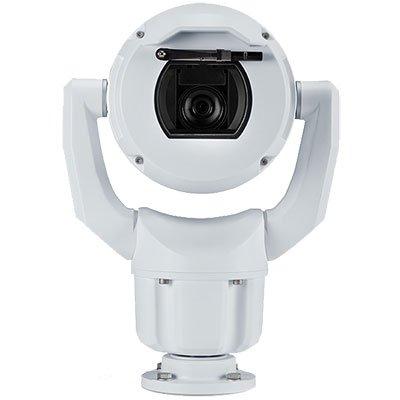


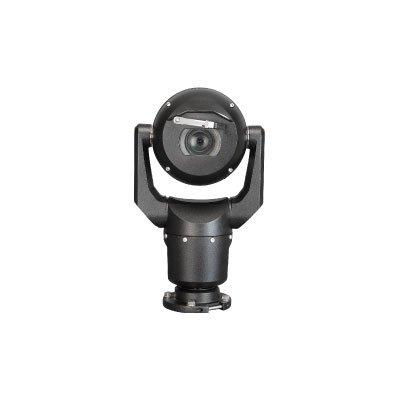

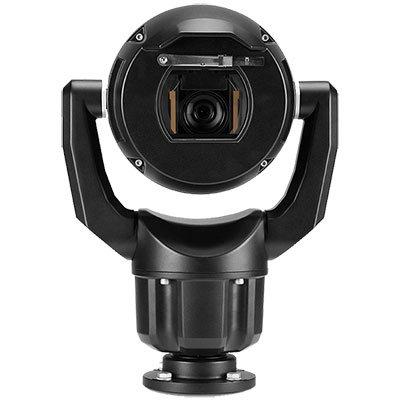





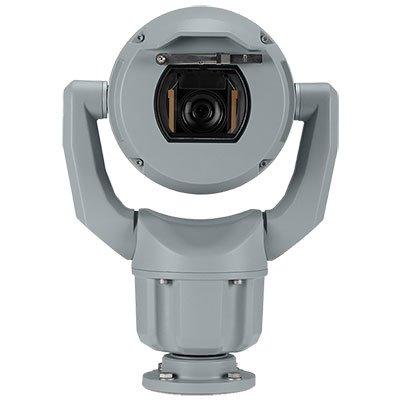
Videos


Port surveillance: Manufacturers & Suppliers

Technology's role in securing banks and financial institutions
Download
Security technologies promote real-time awareness in K-12 schools
Download
Integrated systems enable critical and compliant security for transportation
Download
Modernising physical access control
Download
Access. Intrusion. One estate.
Download