Physical security - Expert commentary

There was a time when physical security and cybersecurity occupied two very different worlds. One was concerned with the nuts and bolts of locks, doors and perimeter protection. The other focused on networks, software and digital threats. Today’s modern access control systems – used in everything from offices and hotels to hospitals and data centres – combine the two, fusing mechanical engineering and cloud platforms. That means that a door is no longer simply a physical barri...
The eagerness to adopt AI in physical security is increasing as teams want to implement technology solutions for faster, smarter operations. At the same time, the conversations surrounding AI have changed. The focus now includes not only efficiency gains but also concerns about accountability and trust. According to the Genetec 2026 State of Physical Security report, AI ranked alongside access control and video surveillance as a key priority. However, approximately 40% of the over 7,000 physica...
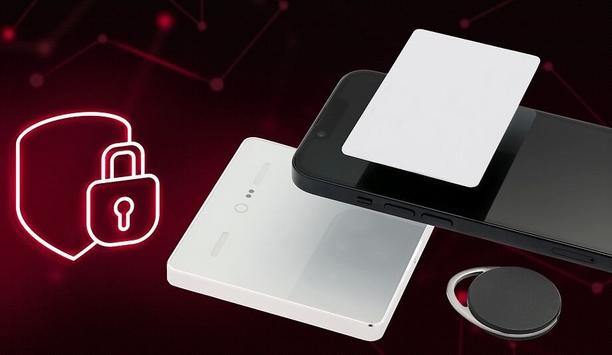
In logistics hubs, production facilities and distribution centres, the access control system is invisible—until it isn't. For decades, the 125 kHz card has been the workhorse of industrial credentialing: inexpensive, reliable and universally understood. It does exactly what it has always done. That consistency has served many organisations well, even as security needs and credential From authentication to smart buildings, gain expert insights about unified access. The same card technology...
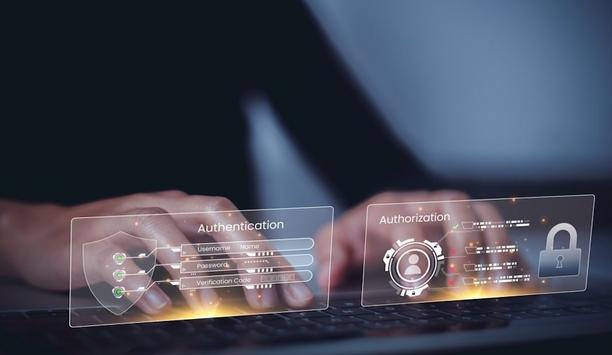
For years, physical security and cybersecurity evolved on parallel tracks. One team managed doors, badges and cameras, while the other handled network access, authentication and logical assets. The systems rarely shared information and, in many organisations, they still do not. That separation is becoming harder to defend now that employees move continuously between physical and logical environments throughout the workday. A single person may badge into a building, access cloud applications, re...
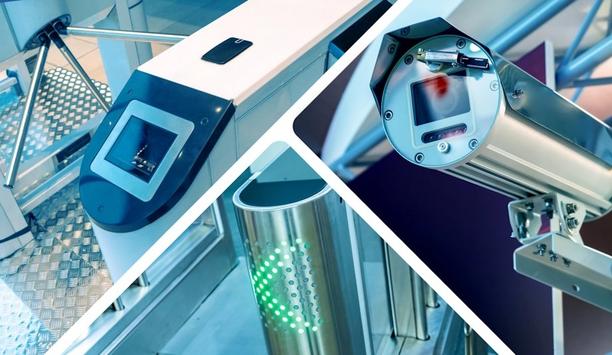
Modernising security infrastructure requires research and planning to build intelligent, connected systems that are secure, scalable and positioned to take the organisation into the future. Prioritising needs, total cost of ownership, interoperability, resilience and sustained value will help ensure that a surveillance system upgrade will deliver both protection and measurable operational impact. Before making that investment, however, security leaders must answer a few key questions to manage...
Security is a top priority for any organisation responsible for safeguarding critical infrastructure. However, recent events have highlighted the fragility of the global energy supply chain and the need for change. When tankers cannot safely navigate the Strait of Hormuz, fuel prices rise and public anxiety grows. This often results in long lines at the fuel pump and fears of shortages quickly becoming a self-fulfilling prophecy. The reality is that critical infrastructure will always be a tar...

For years, innovation in physical security has focused on what systems can do: higher-resolution cameras, AI-driven analytics, smarter access control, and cloud-based management. But across deployments, from residential systems to enterprise campuses, a more fundamental issue continues to undermine performance: Connectivity. It is increasingly clear that the effectiveness of modern security systems is not limited by sensors or software, but by the reliability, reach, and architecture of the net...
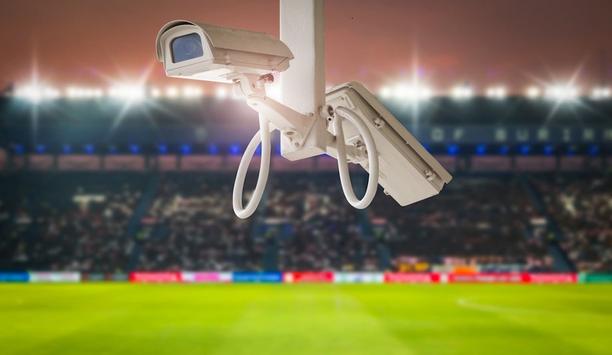
The FIFA World Cup is the ultimate celebration of “The Beautiful Game.” Every four years, we welcome this highly anticipated competition on the global stage, unifying nations and bringing people from all corners of the world together in the name of soccer. While the culmination of the World Cup’s unmatched energy creates electrifying moments on the soccer pitch, the underlying security and risk threats cannot be overlooked.World Cups are not just sporting events, they are tempo...

The physical security industry's entire value proposition is built on the idea that the right people get in and the wrong people stay out. It is somewhat ironic, then, that the industry itself has been fairly cavalier about who gets into a career inside it. I work in an industry that designs and deploys the systems that decide who enters a building, who carries a credential, and who is trusted with access. The technology has grown remarkably sophisticated with AI-based and biometric technologie...
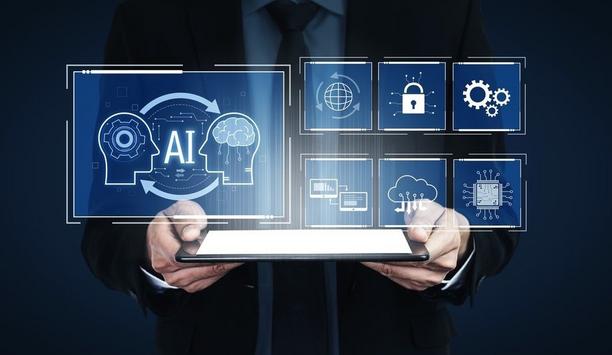
A security camera installed today has more AI processing power than the systems that guided early autonomous vehicle prototypes. And yet the operator who mounts that camera on a wall will, in all likelihood, never use most of that capability. Industry surveys bear this out: a wide gap persists between the number of security professionals who believe AI can improve outcomes and the much smaller share who have adopted it operationally. The reason has nothing to do with the silicon and every...

Acquisitions are often billed as moments of bold opportunity. For senior executives and boards, these deals are about accelerating growth, unlocking synergies, and strengthening competitive advantage. But for the teams responsible for making operations run safely and smoothly — including physical security — acquisitions can feel like controlled chaos. Decisions happen without warning, details are opaque, and the ripple effects of choices made in the boardroom cascade down through ev...
As AI infrastructure concentrates into fewer, more powerful data centres, the most dangerous disruption method is no longer just hacking, but control, too. And the weakest link is often identity, authority, and operational access, not software vulnerabilities. All data centres have operational levers that can shut them down instantly, and none require sophisticated cyberattacks. Shut off the cooling, turn off the power, close down access, or misuse maintenance procedures, and you can shut down...

For years, the worlds of physical security and information technology (IT) remained separate and often at cross-purposes. The departments often worked in silos, despite the fact that infrastructure needs were crucial in the security industry and network traffic and data were of interest to IT professionals. Today, these practices are no longer divided. Physical security depends on network security, and vice versa. For partners, this presents a new challenge – how to speak to both IT and s...
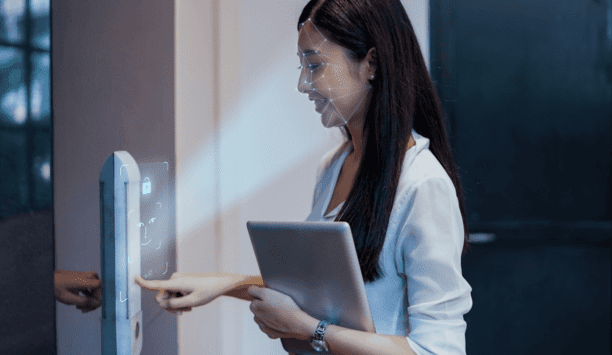
A lot has been said about door security — from reinforced door frames to locking mechanisms to the door construction — all of which is crucial. But what security measures are in place beyond the perimeter door in case the worst happens and it’s somehow breached? Hopefully, many more levels of access control are in place to prevent, or at least slow down, a perpetrator’s ability to compromise protected assets. Additional interior layers Interior security measures must...
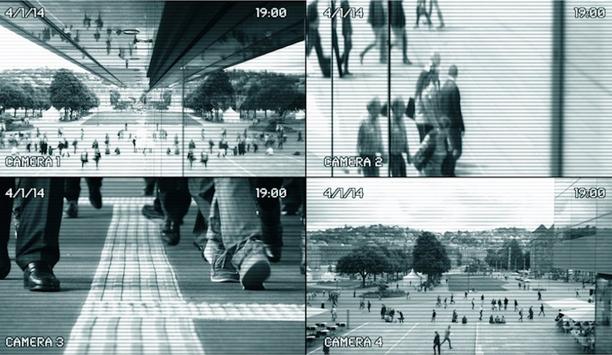
The terrorism threat in the UK is very real. In fact, since July 2019, the threat level has never dropped lower than “substantial” or “severe.” To ensure preparedness across public places and events, the UK government has introduced the new Terrorism (Protection of Premises) Act 2025, more commonly known as Martyn’s Law in memory of Martyn Hett, a victim of the 2017 Manchester Arena bombing. Overarching aim The new legislation requires operators of public spaces...

The sheer volume of smart locks, lock management systems, connected readers and an increasing array of Internet of Things (IoT) devices complicates the issuance and management of certificates that are foundational to establishing trust between a device and the credential used to access it. That’s why more companies are turning to PKIaaS for IoT devices. But there’s another reason to consider PKIaaS: the rise of quantum computing. Secure digital communications Gartner predict...

Physical security isn’t a one-time project or a static system. It’s a dynamic, ongoing process and program that requires constant attention and management to remain effective. While the initial implementation of a security system — what we often call Day 1 — is critical, the ongoing maintenance, service, and adjustments made after systems are operational, or Day 2, are equally essential. Security program long-term Organisations that fail to focus on post-occupancy sec...

Gun violence remains one of the most unpredictable threats in today’s physical security landscape. When it strikes, seconds matter. The ability to detect and respond to gunfire almost instantaneously can determine outcomes. Security pioneers and first responders know this, and yet too many gunshot detection systems in operation today are shackled by outdated assumptions and aging architecture. The demand now is not for incremental improvements, but for a complete rethinking of how these...

The physical security industry has been in love with the cloud for quite some time. And understandably so. The promise of instant scalability, centralised access, and simplified maintenance is hard to ignore, especially in an era of remote work and distributed facilities. But reality is catching up to the hype. For many, especially those dealing with video surveillance at scale, the cloud is no longer the catch-all solution it once seemed. Rising costs, bandwidth limitations, and latency issue...

In the old days, hopping onto the platform from a not-yet-stopped train was a commonplace stunt for daily commuters in a hurry. It was a thrilling, but dangerous part of railway travel. Today, rail travel is generally much safer, but thrill and fame seekers are finding new, creative ways to use the railway to court notoriety online. Earlier this month, a young man filmed himself laying on the tracks and allowing a train to pass over him. In another instance, two people were seen misusing...
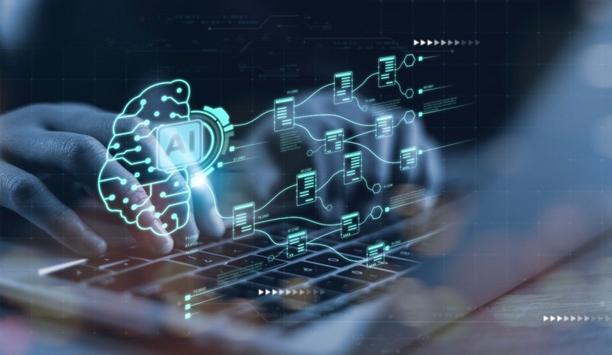
For businesses today, loss prevention is no longer just about safeguarding inventory from theft. While retail theft makes frequent headlines in the United States, and is indeed the leading cause of shrinkage, The National Retail Foundation (NRF) has reported that process failures, operational inefficiencies and employee theft also drive significant losses. Legacy security systems In 2022, the shrink loss is estimated to be $ 120 billion in the United States, and that’s for reta...

Technology advances in the security industry are transforming the way modern systems are designed and installed. Customers today are looking for greater scalability and flexibility, lower up-front costs, and operational efficiency. Cloud-based software as a service (SaaS) solutions, AI-enhanced tools, and IoT-enabled sensors and devices are increasingly in demand. The traditional role of the systems integrator is evolving as a result. While security integrators have always worked closely with e...
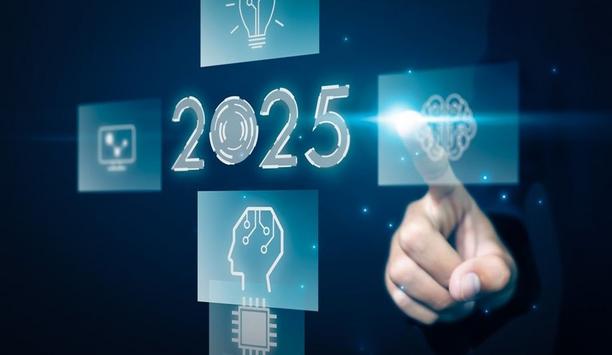
Access control solutions will continue their evolution in 2025 as organisations assess and adapt to dynamic and increasingly dangerous threats. Trends to watch include the growing adoption of mobile access credentials and digital IDs, and the integration of digital and physical security and other technologies. Other ongoing trends include the integration of AI into access control solutions and the increasing adoption of contactless biometrics for enhanced convenience. New access control...
In the past, security and IT teams operated independently, but today collaboration is critical. Modern security systems rely on various devices and systems that are linked to internal and external networks. Without IT involvement, physical security can become a weak point for cybersecurity. Although these groups have made headway in partnering up to ensure the successful implementation of new solutions, often there’s still a disconnect. Differing skills, priorities, and unique ways of th...

The artificial intelligence revolution in physical security has arrived, transforming how we protect people, assets, and infrastructure. From smart buildings that automatically adjust access protocols based on real-time threat assessments to healthcare facilities using AI-enhanced video analytics for patient safety, these technologies are reshaping the industry landscape. But with this transformation comes a new era of regulatory oversight that security professionals must navigate carefully.&nb...

In today’s world, almost any electronic security system holds the potential to become a gateway for cybercriminals. With physical security and cybersecurity increasingly entwined, security professionals aren’t doing their job unless they take all possible precautions to lock down unauthorised access to camera systems, access control platforms, intercoms, and other network-based security devices and solutions. Let’s explore the many steps companies should take throughout their...

As the backbone of community welfare, healthcare facilities cater to crucial public needs from emergency care to specialised medical treatments, and due to its position as a significant facet of the world's critical infrastructure, the healthcare sector faces a multitude of challenges in ensuring patient and visitor security, managing high traffic, and safeguarding sensitive data. Medical sites, such as large hospitals and urgent care clinics, see a wide variety of patients, medical staff, adm...

Security manufacturers throw around the term “scalable” a lot these days, but few dive into what scalable really means for modern organisations and their security programs. Achieving true scalability, or as I like to refer to as “expandable with a purpose,” takes planning and coordination from security pioneers alongside the broader organisation. Implementing a flexible strategy is critically important in the age of advancing analytics and intelligence-driven technology....

For K12 education pioneers, embarking on a journey to upgrade security controls can present a myriad of questions about finding the best-fit solutions and overcoming funding hurdles. A majority of public-school districts today are faced with outdated infrastructure and security controls, requiring necessary upgrades. By addressing these concerns head on, schools will ensure a safer environment for both students and staff, mitigating risks posed by unforeseen physical and digital threats. Common...

In the realm of physical security, the distinction between being perceived as a security vendor and a security partner holds great importance. While both may seem interchangeable at first glance, how an organisation is viewed by its clients can have a huge impact on the success of its security programmes. At the heart of this differentiation is the concept of relationships and how they shape the dynamics between providers and their clients. Time, care, and diligence For security vendors...

Technology's role in securing banks and financial institutions
Download
Security technologies promote real-time awareness in K-12 schools
Download
Integrated systems enable critical and compliant security for transportation
Download
Modernising physical access control
Download
Access. Intrusion. One estate.
Download
