Perimeter protection

Hirsch, a global manufacturer of high-assurance electronic security solutions, announces its merger with Prysm, the French software editor behind the AppVision command-and-control platform and a specialist in intelligent video monitoring. Effective 1 January 2027, the transaction will establish the new Prysm by Hirsch brand. The objective is to better meet the needs of Hirsch and Prysm customers and partners alike, including system integrators, end users, OEMs and VARs, through an even more com...

There was a time when physical security and cybersecurity occupied two very different worlds. One was concerned with the nuts and bolts of locks, doors and perimeter protection. The other focused on networks, software and digital threats. Today’s modern access control systems – used in everything from offices and hotels to hospitals and data centres – combine the two, fusing mechanical engineering and cloud platforms. That means that a door is no longer simply a physical barri...
For a data centre operator, risk rarely comes down to a single system or department. It can begin with a cut fence, an intruder approaching a substation, an alarm no one trusted enough to investigate, or a rack that ran hot overnight. The cause may be different, but the consequence is often the same: an interruption to operations that can be costly. More than half of significant data centre outages can now cost a company over $100,000, and roughly one in five exceed $1 million, according to the...

Nice and its HySecurity division will demonstrate the StrongArm® M30 crash-rated vehicle barrier at GSX (Global Security Exchange) 2026, September 14–16, at the Georgia World Congress Center in Atlanta. Visitors to Booth #1752 can experience live demonstrations of one of the industry's most trusted hostile vehicle mitigation solutions while learning how Nice supports security professionals with a comprehensive portfolio of perimeter protection technologies, engineering expertise, and...

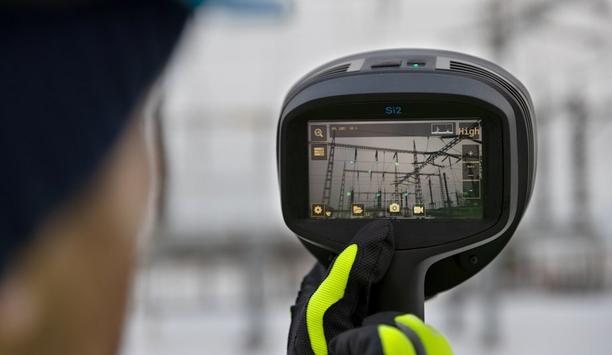
Teledyne Flir to demonstrate integrated thermal imaging, AI-enabled detection and intelligent security technologies at Security Exhibition & Conference 2026. As security threats become increasingly complex, organisations responsible for protecting critical infrastructure, commercial facilities and high-value assets are moving beyond standalone security technologies in favour of integrated, multi-layered security strategies that provide earlier detection, greater situational awareness and fa...

Hanwha Vision has launched its new VGA AI Tele lens Thermal Camera series, introducing a next-generation thermal surveillance solution designed to deliver highly accurate AI-based detection across both land and maritime environments. Combining ultra-sensitive thermal imaging, advanced AI analytics, mission-critical cybersecurity, and rugged durability, the new series is engineered to support critical infrastructure, perimeter protection, coastal monitoring, and border security operations in the...
News

A critical infrastructure security system unifies high-assurance access control, scalable intrusion detection including video verification, perimeter protection, and lone worker safety into a single platform, helping operators of electricity, water, and gas networks protect distributed sites, support regulatory compliance, and maintain the uninterrupted delivery of essential services. A loss of these services disrupts economies and endangers communities, which makes protecting them a national priority. It's also uniquely difficult, because critical infrastructure is rarely a single site. It's a distributed network of substations, treatment plants, and pipelines, often spread across vast and remote geographies. Most demanding environments That challenge is now backed by strict regulations across in all sectors including energy, water, and sewerage. Responsible entities must maintain a Critical Infrastructure Risk Management Program that addresses physical security alongside cyber, personnel, and supply chain hazards. For operators, strong physical security systems have become a compliance necessity. For over 38 years, Inner Range has purpose-built security solutions alongside critical infrastructure experts, protecting these vital assets with a multi-layered approach designed for the most demanding environments. Multi-factor authentication Access control is the foundation. Inner Range ensures only authorised personnel reach a site, using access cards, mobile credentials, PINs, or biometric authentication. Multi-factor authentication combines these methods for stronger protection, while video surveillance, granular scheduling, and real-time logging give operators complete visibility over every access point. The highest-risk zones demand more. Inner Range's High-Security solution has attained Class 5 accreditation which is the highest classification for intruder alarm systems under the Australian and New Zealand standard AS/NZS 2201.1, built for Zone 3 high security environments. Where traditional alarms focus only on external intruders, Class 5 also defends against insider tampering, through two-factor disarming, faster polling, and end-to-end encryption. Inner Range’s High Security solution has also been deployed to secure defence sites and critical infrastructure throughout Europe, the Middle East and the America’s. Advanced video analytics For operators, this means genuine assurance. Every detector, cable, and message is encrypted, from the edge device right through to the control panel, so the system can be trusted to detect and report a breach even when someone is actively trying to defeat it. For most sites, the perimeter is the first line of defence. Inner Range provides advanced video analytics for intruder detection that can scale across thousands of locations. Integrations with perimeter devices such as electric fences, beams, and other detection technologies provide the physical additional layers of perimeter security for large areas. Whether the protected area is an open expanse or a small building, smart analytics enable instant, automated threat responses. Distance is no barrier. The Multipath IP Cellular communication platform uses the internet and 4G cellular networks to transmit encrypted alarm messages to monitoring center's, ensuring first responders can act quickly no matter how remote the site. Video surveillance systems Critical infrastructure work often happens at remote and dangerous sites where, sometimes, people work alone. Protecting these workers is both an operational and a duty-of-care priority. Inner Range supports duress alarms from fixed or mobile systems that integrate with lone worker systems featuring man-down detection and personal tracking. When an alarm is raised, guards and staff are notified instantly through the Communicator messaging application via SMS and email, while Real-Time Location Systems pinpoint personnel on site for a faster response and video surveillance systems provide the eyes and ears on the situation. Specialised key locking A single utility can span hundreds of sites and dozens of subsystems. Inner Range's Enterprise platform unifies access control, video surveillance, building management, intercom, environmental monitoring, and specialised key locking, all into one interface. Operators get a single platform to monitor people, assets, machinery, and site conditions, and to respond to incidents in real time. This centralised oversight is what turns a sprawling, complex estate into something manageable, visible, and defensible. Unifying access control The real strength is in how the layers work together. Access control, video surveillance, intruder detection, perimeter sensors, facial recognition, location tracking, and lone worker safety operate as one coordinated system through a single pane of glass to detect, locate, and respond to threats automatically. Alerting the right people the moment an incident occurs. Every deployment is backed by professional support, from software maintenance and cyber security updates to remote assistance and custom integration. With over 130 native integrations and more than 170,000 systems deployed globally, the platform scales from a single facility to a national network. The infrastructure a nation relies on cannot afford gaps or guesswork. By unifying access control, video surveillance, intrusion detection, perimeter protection, and worker safety into one coordinated platform, Inner Range helps operators protect what matters most, and keep essential services running, from the core to the edge.

OPTEX has launched a new whitepaper examining how datacentre operators can strengthen physical security as facilities grow in scale, complexity and strategic importance. The paper, Physical security for datacentres: A new era, explores the risks of unauthorised access, sabotage and operational disruption, and sets out practical guidance on strengthening perimeter protection, securing restricted areas and server rooms, and improving overall resilience across the entire site. Advanced detection technologies It also examines the role of advanced detection technologies such as LiDAR can play in helping operators reduce false alarms, identify genuine threats more accurately and respond more quickly to potential incidents. “Datacentres are expected to deliver resilient, always-on operations, so physical security needs to be just as robust as the digital defences protecting the data inside,” says Mark Cosgrave, Marketing Director of OPTEX EMEA. “With sites becoming more complex and security teams under pressure to respond quickly and accurately, advanced detection technologies can support a more layered and reliable approach to detection.”

Arista Networks, a pioneer in networking for cloud and artificial intelligence (AI) fabrics, announces the launch of its new AI-driven Edge Threat Management (ETM) for VeloCloud SD-WAN, delivering integrated zero trust security for enterprise branch offices. Customers can leverage this integration to simplify the branch, collapsing multiple disparate boxes into a single unified secure SD-WAN edge platform. Integrated ETM provides perimeter protection at the WAN edge as an ideal software upgrade option to VeloCloud SD-WAN, enabling customers to unify zero trust branch office security with SD-WAN connectivity in a single platform. This platform helps simplify the branch with a common operating system, a uniform enforcement engine, and common end-to-end security policies, all with cognitive management via a single pane of glass in the VeloCloud Orchestrator. AI-powered policy insights Key features include advanced firewalling and threat prevention capabilities, zone-based segmentation, Geo-IP filtering, DNS filtering, and AI-powered policy insights, all delivered locally at the branch WAN edge. This unified approach provides fine-grained policy control and strengthens the security posture for branch networks. “The new ETM functionality allows us to offer requested security services on top of the existing SD-WAN infrastructure managed within the same GUI. This eliminates the need to deploy a separate firewall box managed from a separate GUI, especially for small branches,” said Till Bockenheimer from T&A SYSTEME GmbH, a German MSP managing 7500+ sites in 98 countries for 10+ years within VeloCloud SD-WAN for its customers. Complex security policies "The network edge must evolve to be smarter and more autonomous as our clients expand their AI-driven operations from reactive troubleshooting to predictive management," states Edward Fox III, Chief Technology Officer at MetTel. The new Edge Threat Management solution leverages Arista AVAⓇ (Autonomous Virtual Assist) for AI-driven policy intelligence. Features like 'Policy Explainer' and 'Traffic Simulation' use Ask AVA to translate complex security policies into simple language. This helps security administrators reduce errors and quickly understand the impact and outcomes of security policies, especially in scenarios where policies may be contributed by multiple administrators. Virtual edge platforms “The new zero trust integrated security with ETM, developed organically by Arista, showcases the power of the combined Arista and VeloCloud teams on the anniversary of the VeloCloud acquisition. Customers can now simplify and unify the branch, extending enterprise-grade zero trust security to the branch office WAN edge,” said John McCool, Senior Vice President at Arista Networks. The introduction of Edge Threat Management in VeloCloud SD-WAN edge platforms underscores Arista’s commitment to providing end-to-end secure networking infrastructure from client to cloud, making the enterprise network simpler, more secure, and ready for AI-driven operations. Availability ETM for VeloCloud SD-WAN will be generally available in Q4 of 2026. ETM will be available for all current VeloCloud hardware and virtual edge platforms.

Hirsch UK is proud to announce the successful integration of its advanced perimeter security technologies with Genetec™ Security Center, giving Genetec customers a powerful new way to address complex perimeter protection challenges through a unified security platform. For organisations already using Genetec™ Security Center, the integration provides a practical route to enhancing existing security infrastructure with Hirsch UK’s proven high-security perimeter solutions. By bringing specialist perimeter intrusion detection and physical security technologies into the Genetec ecosystem, customers can improve perimeter visibility, strengthen alarm verification, accelerate response times, and reduce operational complexity. Dual detection technologies The integration is enabled through SecureBus integration technology and allows customers to manage and monitor a comprehensive range of Hirsch UK perimeter protection systems directly within Genetec™ Security Center. This helps security teams bring perimeter events into a single, intuitive interface, supporting greater situational awareness and a more coordinated response to potential threats. The integration includes support for Hirsch UK’s flagship perimeter technologies, including FenceSecure PIDS, PulseSecure electric fencing, and HatchSecure hatch detection systems. The platform also supports infrared beams, fibre optic perimeter intrusion detection systems, and dual detection technologies, creating a scalable and adaptable perimeter security solution for critical infrastructure, commercial estates, and high-security environments. Consolidating perimeter detection As a global leader in high-security access control, video intelligence, perimeter protection, and identity authentication, Hirsch helps organisations around the world protect people, secure critical assets, manage risk, streamline operations, and maintain compliance in mission-critical environments. This integration further highlights Hirsch UK’s strength in the high-security perimeter market and its commitment to delivering interoperable solutions that work within customers’ existing security ecosystems. For Genetec customers, the integration offers a clear path to improving existing systems without introducing unnecessary fragmentation. By consolidating perimeter detection and security management into one unified platform, organisations can move away from isolated perimeter systems and give operators the tools they need to manage, monitor, and verify perimeter threats more effectively. Managing complex perimeters Adam O’Reilly, Perimeter Director at Hirsch UK, commented: “This integration with Genetec represents an important milestone for Hirsch UK and our customers. Many organisations already rely on Genetec™ Security Center as a core part of their security operations. By integrating Hirsch UK’s high-security perimeter technologies directly into that environment, we are giving customers a powerful way to strengthen perimeter protection while keeping operations simple, unified, and highly effective.” Nicholas Smith, Regional Sales Director, UK & Ireland at Genetec added “Across the UK and Ireland, enterprise security teams are rapidly modernising their estates. They are moving away from isolated, legacy infrastructure toward highly integrated, data-driven security ecosystems. This new collaboration represents a major leap forward for organisations managing complex perimeters and high-assurance facilities. Operators can now manage, monitor, and verify perimeter threats on a single, intuitive geographic map. This eliminates the blind spots and high false-alarm rates that so often plague standalone systems.” Mission-critical environments Ionatan Lavric, Perimeter Technical Director at Hirsch UK, concluded: “Our focus has always been on developing high-performance perimeter detection technologies that can integrate seamlessly within wider security ecosystems. Working alongside Genetec allows us to offer customers greater flexibility, scalability, and control over their perimeter security infrastructure. This integration ensures that critical detection events are delivered quickly and accurately, helping security teams respond more effectively to potential threats.” The partnership highlights Hirsch UK’s continued investment in innovation, open-platform integration, and future-ready security ecosystems. It also reinforces Hirsch’s position as a trusted global provider of high-security perimeter technologies for organisations operating in demanding and mission-critical environments.

OPTEX, the global sensor manufacturer, has launched the TXI Series, a new range of high-mount outdoor curtain detectors designed for residential and commercial perimeter protection. Built to create an invisible curtain barrier along a building façade, the TXI Series is designed to address the challenge of balancing reliable human detection and nuisance alarm reduction in external security. By creating a controlled detection curtain at the perimeter, the TXI Series is specifically designed to support earlier detection before an intruder reaches the building itself. Common applications include ground-floor perimeter protection, balconies, warehouses, office buildings and retail sites where a narrow detection field can help define and secure the boundary of a property. Reducing detection reliability In high-mount applications, detectors typically look downward to detect activity at ground level, which can make them more susceptible to nuisance alarms caused by pets, small wildlife and environmental movement. In many installations, reducing sensitivity can minimise false alarms but may also reduce detection reliability. At the heart of the TXI is OPTEX’s patent-pending Triple AND Logic, which uses three independent sensing areas to create three detection zones, with an alarm only triggered when all three zones detect simultaneously. Working in combination with OPTEX’s Super Multidimensional Analysis (SMDA) digital processing, which analyses multiple characteristics of detected movement to help filter environmental noise and support more stable performance as conditions change, these technologies help maintain reliable human detection while reducing nuisance alarms. High-mount outdoor detection “Ensuring accurate outdoor detection at height has traditionally been a real challenge, often requiring installers to manage nuisance alarms through compromise,” says Masaya Kida, Managing Director of OPTEX EMEA. “The TXI Series has been designed specifically to address this challenge. By combining our patent-pending Triple AND Logic and SMDA digital signal processing, it delivers true pet tolerance while maintaining reliable and accurate human detection. It represents an important development in addressing a longstanding pain point for installers in high-mount outdoor detection.” High-mount installations For installers, the TXI Series has been designed to support flexible set-up across different sites. The detectors offer a selectable mounting height from 2.2m to 4m and a 12m x 2.4m curtain coverage area. An optional look-down zone addresses a common vulnerability in high-mount installations and can be enabled or disabled depending on requirements. Installation is supported by included brackets to enable secure fitting and clean, concealed wiring, with an optional TXI-BKT ceiling/wall mount bracket available for angle and gradient adjustment. TXI includes multiple security and anti-sabotage features, including a front tamper switch for cover removal detection and a built-in accelerometer designed to detect changes in angle or positioning. Providing additional protection Dual-technology models also include anti-masking functionality to provide additional protection against deliberate interference. Rated IP55 for weather resistance, and able to operate in temperatures ranging from -30°C to +60°C, the TXI Series is designed to perform reliably across a broad range of outdoor environments. The TXI Series comprises four models to support a range of installation requirements: the TXI-ST (PIR) and TXI-DAM (dual technology with anti-masking) in wired variants, plus the TXI-R (PIR) and TXI-RDAM (dual technology with anti-masking) as battery-operated models. Battery models are compatible with third-party wireless transmitters to integrate with a preferred alarm system.

Pointer has appointed Christopher Valentino as Senior Business Development Manager, strengthening the company's presence as it expands in the UK data centre security market. The appointment comes at a time of continued momentum for Pointer, which has been building its profile across critical infrastructure and data centre environments through a combination of specialist fire and security integration, in-house design capability, regional delivery strength and long-term service support. With more than 50 years of experience, 300-plus specialists internationally and seven UK locations, Pointer is continuing to invest in the people and capabilities needed to support complex, high-assurance environments. Life safety systems Christopher joins the business with extensive experience in the security sector and a remit to support strategic growth and help more organisations access Pointer's integrated fire and security expertise. His appointment reflects the company's focus on sectors where resilience and compliance are central to the brief, particularly data centres, where physical security and life safety systems are increasingly recognised as mission-critical. UK data centres now sit at the heart of the country's digital backbone and are under growing pressure to meet rising expectations around operational continuity and compliance. Pointer brings decades of critical national infrastructure experience to hyperscale, colocation and edge environments. Its data centre offer spans perimeter protection, advanced access control, IP video, grey space and white space protection, integrated fire detection, specialist design and long-term maintenance support. Critical environments markets Christopher Valentino, Senior Business Development Manager at Pointer, said: "Pointer has built its reputation over more than five decades by delivering complex fire and security projects with integrity, technical depth and long-term commitment to its clients. That was a major part of what attracted me to the business.” “Across data centres, critical infrastructure and other high-resilience environments, clients need more than just technology. They need a trusted partner who understands the operational importance of security, safety, compliance, resilience and long-term support. I'm excited to be joining Pointer at a pivotal stage in its growth and to be playing a key role in building our London presence, strengthening our position across England, and delivering a focused growth strategy across the data centre, CNI and wider critical environments markets." Building strong relationships Stuart Maxwell, Commercial Director at Pointer, said: “Christopher’s appointment is an important step for Pointer. He has quickly embraced the business, building strong relationships with our colleagues, clients and technology partners while developing a clear understanding of the demands within critical environments. Data centres are a key growth area for us, and Christopher is already helping to strengthen our position and engagement across that market.” Pointer's growing focus on data centres reflects wider market change. As digital infrastructure becomes more strategically important to the UK economy, operators and project teams are placing greater emphasis on layered protection, secure-by-design thinking, integrated systems and proactive lifecycle support. The company's recent thought leadership has highlighted the role electronic fire and security systems now play in protecting uptime, business continuity and trust across mission-critical facilities. Dependable service model Christopher's appointment also supports Pointer's broader growth trajectory across the UK. Alongside its expanding sector presence, the company has continued to invest in regional reach, including the recent opening of its London office. For data centre operators, consultants and contractors, the commercial requirement is increasingly clear. They need delivery partners that can align fire, security, design, compliance and long-term support into a single, dependable service model. Pointer's investment in commercial leadership is designed to strengthen that position further.

Expert commentary

The autumn equinox, which marks the start of autumn, occurs this weekend on Saturday, September 23. With darker evenings ahead, the experts at ADT have shared five ways to maximise your home's security. Author's quote Michele Bennett, General Manager at ADT UK&I comments: “Opportunistic thieves use darkness to their advantage, so it’s no surprise that the number of burglaries committed increases when the darker nights draw in." He adds, "Our 2022 burglary report found that burglaries are most common at night, with 58% of burglaries occurring between 6 p.m. and 6 a.m. Taking steps to optimise your home’s security before the clocks go back this year will provide reassurance that your property is as secure as possible.” Five ways to secure your property: Get a monitored alarm installed: A visible alarm system is a strong deterrent to potential burglars, as criminals are less likely to target a home that is protected. In the event of a break-in, a monitored alarm will alert you, your keyholders and depending on the package you take out, the police, ensuring a swift response to an alarm activation. Light up the dark: Well-lit exteriors make your home less appealing to potential intruders. Install motion-activated lights around any entry points, particularly porches and gardens, which alert you to movement on your property. This will also prevent burglars from operating under the cloak of darkness and increase the chance of a passerby spotting suspicious activity. Trim your garden landscape: Thieves look for escape routes and hiding spots when deciding which homes to break into, making gardens with high, overgrown hedges more likely to be targeted. This is especially true in the darker evenings, so be sure to give your garden a thorough tidy-up to make your property less likely to be targeted. It’s also advisable to ensure any tools are locked away in sheds and garages that could assist a burglar such as ladders, or a garden spade to force entry. Be smart with your lights: Using smart plugs allows you to turn on a few well-appointed lights and radios or televisions from any location from your phone. Used in conjunction with an outdoor camera or video doorbell, you can have lamps plugged into smart plugs come on when motion is detected. Programming lights to come on at different times throughout the night will help to deter burglars by making your property look occupied. Purchase a smart doorbell or outdoor camera: Smart doorbells are an effective way to deter burglars as they provide evidence in the event of a break-in, package theft, or other suspicious activity around your home. They also notify you when someone is at your door reducing the chance of you being caught out by a late evening or early morning robbery. Further encroachment Smart doorbells also act as a deterrent to unscrupulous door-to-door sellers and con artists, as video footage is recorded. In the event of a late-night door knock, you can see and speak to whoever is at your front door, without having to open the door. ADT’s new outdoor camera also has two-way audio and a high-pitch deterrent siren so you can warn off anyone from your property to deter any further encroachment.

Daniel May of Consort reviews the integration of access control systems in healthcare settings, outlining the benefits and key considerations decision-makers must make throughout product specifications. From patient safety and traversal to the protection of sensitive data and pharmaceuticals, healthcare environments are faced with several operational challenges. And where security remains at the forefront of decision-making, modern access control systems may often hold the answers. Physical security systems Hospitals in particular have developed into multi-faceted spaces that house hundreds to thousands of patients, staff and visitors at any one time. In England for example, research has found in the three months leading to June 2023, an average of 44,626 people visited major hospital A&E departments each day, with over 16 million attendances typically recorded over the course of a year-not to mention an additional nine million logged at other minor units. For any building, this level of sustained footfall can request severe security difficulties For any building, this level of sustained footfall can invite severe security tests. With that, the need to deploy effective physical security systems in healthcare is clear. And so, as access control continues to become more readily adopted and new products enter the market, decision-makers are reminded to consider the requirements of their building, ensuring they select the solutions most suited to their settings and budget. Security controlled Patient safety will always remain the top priority in healthcare settings, and where matters of health and social care come into question, a diverse set of professional regulatory bodies are tasked with setting and maintaining high standards. When it comes to healthcare premises specifically, patient security and perimeter security often come hand in hand and are amongst the most pressing of challenges that decision-makers must face. To help address operational planning and potential design concerns in the NHS, the Health Building Note (HBN), provides general design guidance for healthcare buildings under HBN 00-01-citing the use of access control measures as a way of maintaining security and protecting the safety of patients, staff and visitors. Use of access control Hospital buildings control varied levels of access for a number of security purposes Hospital buildings, for example, must control varied levels of access for a number of operational and security purposes. Routine scenarios exist where vulnerable patients are under monitoring and thus refrained from exiting the premises for their own safety, while at the same time, permitted staff must be able to reach their patients and medicines when required. For this, the use of access control is key. Equally, access credentials can also help management teams keep track of those who may be entering or exiting rooms with equipment and pharmaceutical supplies, deterring any unwanted visitors and opportunists in the process. Incorporation of access control systems On a similar note, regulations have set a minimum standard for how personal data should be stored and managed in healthcare environments, giving decision-makers an added responsibility to regulate staff-controlled areas with patient medical records. While instances of personal data breaches are rare, healthcare facilities and professionals are at legal risk should confidential data be found misused or missing. As such, the incorporation of access control systems has become essential in keeping data storage areas secure, with intuitive online systems capable of permitting access to staff with the correct credentials while simultaneously tracking who has requested clearance at digital entry points. HBN guidance Healthcare experts are better fitted to control the sheer volume of people entering and exiting To function effectively, healthcare facilities must always be perceived as safe places by the people who reside within them, and as HBN guidance implies, a unified physical security system can help address key safety and security concerns while enhancing patient and staff experience. Opportunely, access control systems are more accessible and adaptable than ever and combine several technologies such as mechanical locks and automatic doors with electronic access credentials in the form of smartphone apps, badge readers and biometric scanners. By integrating these systems into the building’s existing infrastructure, healthcare professionals are better equipped to control the sheer volume of people entering and exiting the premises without impairing the general flow of movement and coordination around the facility. Better by design Despite the clear benefits offered to healthcare facilities, there are a number of considerations to be mindful of when choosing an access control solution. Poorly implemented systems can have an adverse effect on security and functionality - quickly costing healthcare organisations time and budget to rectify and replace the inadequate products that don’t meet the building’s requirements. For that reason, decision-makers and design teams are reminded that there is no single solution that fits all healthcare buildings. As such, it’s crucial for decision-makers to understand the systems that are being put in place throughout each of the touchpoints in their facility. Clear collaboration is required during periods of specification, where together, teams can ensure the selected product works on all angles, from meeting fire safety and sustainability standards to aesthetics and scalability. Modern access control products Scalability is a key area that decision-makers must review when selecting access control systemsFrequently overlooked, scalability is a key area that decision-makers must review when selecting access control systems. Such is their diverse nature; healthcare facilities can often change and develop as years go by, and by selecting a system that facilitates growth, such as a cloud-based solution-security and efficiency is long-established. While modern access control products are known for seamless integration, there are some systems that may restrict the ability to use different vendors throughout the remainder of the building’s infrastructure. This, in effect, causes a monopolisation of products throughout the estate, which can have an adverse effect on growth by increasing costs and reducing the levels of service associated with the security system already in place. Improve security and safety A scalable and reliable access control system will continue to improve security and safety by adapting to a building’s new requirements-and all while having minimal impact on its operational network. And so, while technology will no doubt continue to influence and transform the access control market, healthcare facilities and their professionals must continue to remain educated on their own systems, ensuring they have the best options in place to keep their patients, staff and visitors safe and secure for years to come.

Security systems represent a significant investment, yet many organisations still only use a small percentage of their physical security systems’ capabilities. That’s before we even begin to consider the different ways that the likes of video, access control and ANPR can add additional value beyond security by serving the needs of other business functions. Whether that be to obtain additional insight, streamline compliance or drive operational efficiencies. Consumption gap When users aren’t tapping into the full power of the solution they bought, they aren’t realising their full return on investment. This creates a consumption gap. It’s a situation that has the potential to go in one of two very different directions. A misreading of a system, its capabilities and functionality can fast result in user discontent Left unchecked a consumption gap can create frustration for system integrators, manufacturers and end users alike. A misunderstanding of a system, its capabilities and functionality can quickly result in user dissatisfaction. Leading to a greater likelihood that they’ll look to change or focus investment into overlapping and likely competing solutions. Customers’ security goals Addressed appropriately it can help manufacturers, system integrators and end users to build trusted partnerships in which everybody wins. Understandably, systems integrators are primarily focused on installation—delivering reliable solutions that meet customers’ security goals to ensure their long-term success. However, engagement can go beyond deployment. Closing the consumption gap can be a strategic way to differentiate yourself from competitors. The deeper you understand your customer’s business, the better advice you’re able to offer—and the stronger the partnership you form. Why do consumption gaps exist? For customers, finding the time to learn multiple capabilities of a security system can be time-consuming. Often, taking advantage of new tools and solutions takes a backseat to the urgency of daily tasks. Often, taking use of new tools and keys takes a backseat to the speed of daily tasks There are many reasons why customers may not be taking full advantage of the features available to them in their security platform. They may feel overwhelmed by a steep learning curve after deployment and might delay diving into the additional system features. Sometimes, there might be a lack of awareness of the technology’s full capabilities, and despite a willingness to learn, there are few options for training. Often, it can simply be they are not aware of the benefits of their system or are too busy with day-to-day and urgent tasks to learn other features. Bridging the consumption gap Systems are built to deal with a wide variety of use cases and broaden market appeal, but the goal isn’t to get everyone to use all the features of every product. You want to guide your customers towards the features and functionality that best meet their needs. This could entail reducing the friction they experience in their day-to-day operations, solving unique issues related to their business, or addressing their most important challenges. Having these conversations with your customers deepens your relationship and can organically open up new revenue streams. Continuous engagement allows you to recommend other relevant products or services that they may find helpful. Customised training plan Customers can learn at their own pace and gradually expand their understanding of their system Furthermore, customers are often not able to implement all features at once. You can help by proposing a plan to gradually evolve systems and processes over time. This could include a customised training plan to get the most value from their investment. Some manufacturers are also now providing learning management tools that system integrators can pass on to their customers. Customers can learn at their own pace and gradually expand their understanding of their system in accordance with their bandwidth. This allows them to get more out of their system. Simplifying deployment With the right software partners, systems integrators can focus on solving customer problems, not reactively troubleshooting issues. Look for manufacturers who offer good support systems for integrators. This includes not only quality technical support but also configuration and training services you can build on. Look for partners that offer tools and consultation services you can use to complement your value-added services, either to spend less time on the basics or for specialised expertise on complex projects. Beyond support and services, one telling sign is the configuration interface and tools that you as an integrator will primarily interact with. Ask yourself whether the manufacturer invests in their back-end tools and their primary user interface. Is there a noticeable difference between these two interfaces in terms of look and feel? Does one feel more dated? Widening consumption gap The harder it is to implement upgrades, the more reticent customers are to make the changes If the end user interface is easy to use but changes on the back end are difficult, the resulting friction can contribute to the widening consumption gap. It can become too time-consuming or difficult to upgrade or make changes to the system. The harder it is to implement upgrades, the more reticent customers are to make the changes. Configuration should be painless. If the system has a solid graphical user interface, you’ll be able to interact with the software in a fluid and intuitive way. When the system is intuitive for both you and your customers, you spend less time on setup and training. You can invest more attention in value-added activities. Conclusion A consumption gap could be a sign that technological innovation is outpacing people's ability to implement them in their day-to-day lives. You can work with your customers to simplify the adoption of the innovations so they can more easily implement them and realise the full value of their investment. By reviewing opportunities to bridge the consumption gap for your customers, you increase the likelihood of growing and renewing your system and service contracts. You also build relationships as a trusted partner. Customers will turn to you when looking to expand their security system and proactively solve new and incipient problems.
Security beat

The practice of executive protection changed forever on Dec. 4, 2024, when UnitedHealthcare CEO Brian Thompson was shot outside a Manhattan, New York, hotel. The shocking event raised awareness in board rooms around the world about the need for, and challenges of, executive protection. Questions followed immediately, including why was the high-level executive not protected? Combination of risk and reward UnitedHealthcare’s stock price has gone down more than 20% since the shooting The event also highlighted what is at stake for companies, extending beyond the safety of executives and impacting many factors, even including a company’s stock price. UnitedHealthcare’s stock price has gone down more than 20% since the shooting, equating to tens of billions of dollars. “Companies are considering the combination of risk and reward like never before when it comes to executive protection,” says Glen Kucera, President of Allied Universal Enhanced Protection Services. “What are the chances this could happen? Before Dec. 4 many thought it was zero. And what are the financial implications for a company if it happens? Executive protection is a small investment to protect against a worst-case scenario.” Evaluation of an executive protection Before the UnitedHealthcare shooting raised awareness, fewer than 50% of executives had protection. But concerns that previously fell on deaf ears now have the full attention of companies, says Kucera. “Boards of directors are having to figure this out,” he adds. “They may not have executive protection, but now they have to do it.” A threat assessment, conducted by a company such as Allied Universal, provides an independent evaluation of a company’s executive protection needs. The assessment evaluates factors such as an executive’s travel habits, the safety of their home, etc. Does the executive need protection 24/7, or just when they travel into more dangerous areas? Risks increase related to corporate earnings Sometimes, cases increase the need for executive protection, such as an internal threat In assessing threats, security professionals also look beyond the individual to consider the safety of a corporate facility, for example. “Is there a visual deterrent, controlling who comes and goes?” asks Kucera. “If there is good security, it all ties together. We do home assessment, facility assessment, route assessment, and travel assessment as needed.” Sometimes, circumstances increase the need for executive protection, such as an internal threat. Timing is a factor, and risks increase related to corporate earnings releases, new product announcements, and corporate layoffs or consolidation. Monitoring social media tracks shifting threats that impact the need for executive protection. UnitedHealthcare shooting “He didn’t have it and probably didn’t think he needed it,” comments Kucera about the UnitedHealthcare executive who was gunned down in the streets of New York City. “He was staying at the hotel across the street and was used to walking down the street every day.” “Sometimes executives want to preserve their privacy and be able to walk down the street,” says Kucera. “Getting protection can be seen as a sign of weakness. Some CEOs in the past have said they just didn’t want it.” However, the UnitedHealthcare shooting raised the stakes of the need for more vigilance. “The bottom line is you have to yet beyond objections and make the investment to protect against a worst-case scenario,” says Kucera. Anti-capitalist sentiment in the general population An internal police bulletin warned of an online hit list naming eight executives and their salaries Threats to executives sometimes arise from anti-capitalist sentiment in the general population about perceived inequalities in wealth and power. Executives provide symbolic targets for anyone who fights the system, and social media has amplified the voices of those who oppose capitalism. For example, a "Most Wanted CEO” card deck seeks to shine a spotlight on "titans of greed." Also, in the aftermath of the UnitedHealthcare shooting, CEO "wanted" posters appeared across New York City, threatening various executives of large companies. An internal police bulletin warned of an online hit list naming eight executives and their salaries. Careful monitoring of social media posts Careful monitoring of social media posts and other sources enables executive protection professionals to analyse data and separate the dangerous threats from the merely negative ones. Sadly, positive support of the UnitedHealthcare shooting was expressed by the 300,000 or so followers of the shooter, who became a celebrity of sorts. A huge outcry of negative sentiment toward the insurance industry led to fear that copycat incidents might occur. “There has been an unprecedented amount of positive support for committing murder,” commented Kucera. Executive protection requests HR executives can be at risk, especially at a time of layoffs or consolidation “Let’s face it, there has been a lot of controversy, from COVID to the Middle East crisis, to the political campaign, and there is negativity on both sides,” says Kucera. “People have opportunities to pick sides, and there is a lot of sentiment going both ways, and there is a small percentage of people who will act aggressively.” Executive protection requests now extend beyond the CEO to include others in the management ranks of companies. Basically, any public-facing executive is at risk, including anyone who makes statements to the press. Human resource (HR) executives can be at risk, especially at a time of layoffs or consolidation. Private information on the Internet Typically, an executive is assigned a single armed operative for protection. The firearm serves primarily as a visual deterrent that hopefully makes a potential perpetrator think twice. “When they plan an event like this, their expectation is that it will be a soft target,” says Kucera. “If there is an officer, it gives them pause.” Controversial or high-profile CEOs are typically protected 24/7, including when they travel with their family. Adding risks is the fact that private information is now posted on the Internet, including where an executive lives and where their children go to school. Internet monitoring Internet monitoring also includes the “dark web,” which includes sometimes dangerous information “We offer social media monitoring, and we advise them to be more careful with what they post,” says Kucera. “We monitor reactions to posts including any that might be threatening. We watch social media carefully if a company announces earnings or a change in their service or product offering.” Internet monitoring also includes the “dark web,” which includes sometimes dangerous information that is intentionally hidden and requires specific software, configurations, or authorisation to access. Own layer of protection Public and government officials can also come under fire in a variety of scenarios. FEMA officials faced threats after the recent floods in the Southeast, for example, among other situations where perceived unfair treatment promotes thoughts of retribution. Although government agencies have their own layer of protection, there are instances when they call on companies such as Allied Universal for additional help. Ad hoc protection for various executives In the aftermath of the UnitedHealthcare shooting, calls to Allied Universal’s Command Centre increased by 600%, reflecting requests for ad hoc protection for various executives. These requests are in addition to the company’s business providing “embedded” operatives that travel with executives all or some of the time. On that side of the business, requests for services are up probably 300%, says Kucera. {##Poll1742194323 - Has the recent increase in violent threats changed your company's view on executive protection?##}

Casinos face multiple security issues caused by potential bad actors, everything from cheating to vandalism, from theft to vagrancy. A new intelligent technology can monitor for specific keywords and behaviours. The technology scans the entire casino premises constantly for potential threats and notifies key personnel when they happen. Casinos are among the environments deploying the OpticSense system by Huvr Inc., which uses special fibre optic technology called an interferometer to secure large areas. Imagine a very sensitive loop made of fibre-optic cables placed around the perimeter of a facility. System’s artificial intelligence Basically, it converts the entire facility into a highly sensitive microphone, detecting any slight disturbances, such as an unusual movement or sound. When the system senses something out of the ordinary, it immediately triggers cameras to look at the disturbance and record a short video. The system’s artificial intelligence (AI) then analyses both the sound and video to determine what's happening. It compiles a detailed report and immediately sends the information to security teams. OpticSense OpticSense can hear, see, and analyse potential threats automatically before they get out of control. “This makes it possible for fewer people to do more,” says Herman C. DeBoard III, CEO and Founder of Huvr Inc, adding “When you don’t need as many personnel to monitor video feeds and analyse data, you can drastically reduce your labour costs. Best of all, when you optimise your resource allocation, your security teams can respond more effectively to each threat.” The system’s AI analyses sound and video to define what's happening. Combining fibre optics and AI Huvr was originally designed as a platform to provide immersive virtual travel experiences Huvr was originally designed as a platform to provide immersive virtual travel experiences. However, with the acquisition of OpticSense and Grip Places, the company pivoted to integrate advanced fibre-optic technology and AI-driven analytics into a comprehensive security system. The system’s artificial intelligence and fibre-optic interferometer technology work together to detect and analyse real-time threats. When the Fibre Optic Ring Interferometer (FoRi) detects even minute audio abnormalities, it triggers AI analysis. In split seconds, the AI directs cameras to record 60 seconds of video, compiles a detailed report, and then texts the real-time intelligence to security teams and authorities. Intelligent security solutions The growing need for intelligent security solutions can help to drive Huvr's entry into the security marketplace. Advanced technology enables the company to meet the increasing concerns surrounding public safety and the growing need for real-time threat analysis. The AI system classifies each detected anomaly according to its severity and stores data from various incidents to improve its risk assessment abilities over time. This continuous learning enables the AI to become more adept at accurately identifying and responding to threats specific to the casino environment. AI system classifies each detected anomaly according to its severity. Simple and discreet installation The system involves installing fibre optic cables around the casino’s perimeter The system involves installing fibre optic cables around the casino’s perimeter. It’s a simple job that typically requires less than a day. “These cables allow the casino to establish a smart perimeter detection system without significant infrastructure alterations,” says DeBoard Casinos typically employ upwards of 6,000 cameras, but human security teams cannot feasibly monitor all the incoming data at once. Huvr's OpticSense product becomes like the brain of the casino, constantly monitoring disturbances and responding in real time. Huvr’s fibre optic cables Huvr’s advanced detection algorithms work in tandem with a casino’s existing camera infrastructure, simply adding a layer of security that converts traditional security measures into an intelligent system that continuously monitors and analyses video footage. With Huvr’s fibre optic cables easily hidden or buried and the server roughly the size of a shoe box, the system is designed to be extremely discreet. It can be operated by a single person using a small handheld device. The security system is simple to scale and manage without disrupting casino operations. Security system is simple to work without disrupting casino operations. Autonomy boosts productivity Huvr automates surveillance and anomaly detection to decrease the load on security teams Autonomy is an important aspect of this new technology. Traditional security systems have required constant human monitoring, but Huvr automates surveillance and anomaly detection to decrease the load on security teams. “Without any human direction, Huvr detects minute disturbances, triggering the AI system to direct cameras and analyse video footage instantaneously,” says DeBoard. He adds, “The intelligent system rapidly monitors every anomaly and accurately decides which present potential threats. When it detects an issue, it compiles a detailed report that includes the number of individuals involved, their appearances, direction of movement, and licence plates. It takes only seconds to text this report to security teams and authorities.” Applications beyond casinos Beyond casinos, Huvr already provides proactive security in a wide variety of settings. In banks, the system monitors parking lots and ATM machines for suspicious activity. In large stadiums, it proactively detects target words such as “help” or “gun.” In schools, Huvr’s fibre optic ring interferometer secures campuses against unauthorised intrusions. In hospitals, it alerts medical staff when patients need immediate care. In airport terminals, it monitors for suspicious behaviour. In restaurants or construction sites, the system learns to monitor for safety violations and health hazards. Smart perimeters around critical infrastructure The fibre optic cables also form smart perimeters around critical infrastructure like power grids, cell towers, and bridges to watch for physical disturbances or tampering. “Because the system can be customised to each new environment and can learn quickly, the applications are virtually limitless,” says DeBoard. {##Poll1728555696 - Do you believe AI-driven perimeter detection systems will significantly reduce security labour costs?##}

Already a strong player, particularly in New Zealand and Australia, Gallagher is still climbing in the U.S. market, which it sees as a big opportunity to invest in the company. Active in the United States for 10 years, Gallagher undertook a more aggressive growth strategy about five years ago. There are 52 employees in Gallagher’s U.S. security business, and about half the workforce has been hired in the last couple of years. They have grown from three sales territories to 16, operated by a full sales and engineering staff. Culture of innovation sets As it happens, Gallagher’s U.S. headquarters is located a short drive from my home office in the wider vicinity of Atlanta. I missed seeing them at GSX in Dallas, so we scheduled an in-person visit to catch up on their company. Gallagher’s strong culture of innovation sets them apart, as does their “people-first” commitment, says Scott Elliott, Gallagher’s Executive Vice-President, The Americas. “We have intentionally recruited for a diversity of thought that drives the business,” says Elliott. “We are a people business.” Melissa Vidakovic, Director of Marketing, Americas; and Scott Elliott, Executive VP, Americas, at Gallagher Security's office in Canton, GA. Unified approach An advantage Gallagher has in the market is total ownership of their supply chain; it manufactures each of the hundreds of products used across their solutions, from plastic components to readers to controllers to their own software systems. Among other advantages, the unified approach enables tighter control from a hardening and cybersecurity perspective, enabling them to minimize any threat vectors or vulnerabilities. The strategy also avoids dependence on third-party suppliers, which was a huge advantage during recent supply chain disruptions. While competitors struggled with availability issues related to third-party manufacturers, Gallagher’s supply was uninterrupted. Gallagher’s commitment Gallagher uses the same norms as the nation and subjects its effects to inner and outer penetration As a manufacturer serving a broad spectrum of markets, it’s Gallagher’s commitment to the high end of the market (e.g., high-security applications), where the company incorporates core tenets such as authentication and encryption. Gallagher uses some of the same standards as the government and subjects its products to internal and external penetration testing. These core strengths are also integral to Gallagher’s complete product line. “If it’s good enough for a high-level customer, it’s good enough for Mr. Business Owner,” says Elliott. The New Zealand company was founded in 1938 and was the first company to commercialize the electric fence, which it still uses for its agriculture business sector, separate from the security business. Gallagher entered the access control business 35 years ago in 1988 when a product used to restrict access to fuel pumps evolved into broader access control. Gallagher platform In the intervening years, the product has grown into a unified platform that incorporates access control, intrusion detection, and perimeter detection in a single ecosystem. “The platform is all-encompassing,” says Elliott. “No other platform does all three.” Augmenting access control, intrusion, and perimeter protection, there are other applications available in the Gallagher platform, such as workforce management, health and safety functions, and a spectrum of features useful to a wider stakeholder community. Fatigue management applications For example, Gallagher can implement routine randomized checks to proactively mitigate potential risks such as drug or alcohol abuse, thus ensuring workers are fit to work, to operate various machinery and that they do not pose a threat to fellow employees or the company. “Fatigue management” applications can monitor the use of equipment to avoid repetitive injuries or manage how long an employee works at a job site, requiring a worker to swipe or tap a card to a reader mounted on a machine to monitor and limit the time they operate that machine. Mobile mustering provides location and identification of evacuees in case of an emergency. Impact of digital transformation Gallagher’s “Better Ways of Working” concept zeroes in on the impact of digital transformation Gallagher is also embracing the “digital transformation” of the industry. Security companies must adapt to a more agile workforce and shifting processes, says Elliott. Gallagher’s “Better Ways of Working” concept zeroes in on the impact of digital transformation on their workforce. They also seek to address the changing workforce, where Gen-Z’ers work side-by-side with tenured, experienced workers, and where creating trust is the best approach to closing the generational gap. Gallagher also seeks to educate the market on trends such as artificial intelligence (AI), machine learning, cloud adoption, various service delivery models, and other issues. Industry consolidation Gallagher has more than 1,200 employees; operates in 140 countries, from South America to Canada, Europe to the Asia-Pacific and Australia; and serves almost 16,000 customers. Gallagher is part of New Zealand’s growing technology export sector, which is growing 30% faster than the overall economy and is now the second-largest export sector in New Zealand. In an age of industry consolidation and a market dominated by corporate conglomerates, Gallagher is a privately held organization seeking to be agile and innovative, and to deliver customer value more quickly. Gallagher re-invests about 15% of its profits into research and development. “Our customer service is the primary reason people buy from us,” says Elliott. Security integrators Security integrators quickly appreciate the breadth and strength of the product line Gallagher positions itself as an alternative in a market in the midst of disruption. Brand awareness continues to be a challenge in the United States, and the sales team often hears the question: “Who is Gallagher?” Once the introduction is made, security integrators quickly appreciate the breadth and strength of the product line, says Elliott. “We allow our customers to select among best-of-breed platforms, and [using open systems,] we are not limited by the technology we offer,” says Elliott. “Our value proposition to the integrator channel is our focus on the relationship,” says Elliott. Supporting end users through an authorized, certified channel, Gallagher also emphasizes value, cost-competitiveness, and cybersecurity. “Our partner relationships are built around cultural alignment,” says Elliott. Product innovation perspective What’s ahead for Gallagher and for the industry as a whole? Hard to say, notes Elliott, given the unfolding of unpredictable geopolitical and financial trends. However, from a product innovation perspective, Gallagher will continue to evolve, balancing a dependence on “cash cow” legacy product lines with investment in leapfrog innovations such as frictionless access control, cloud platforms, and mobile systems. In general, Elliott predicts AI will yield an opportunity to analyze a person’s pattern of behavior and intent, thus enabling a security system to adapt down the road. “With the ability to predict with some degree of certainty what might happen, these capabilities will evolve,” says Elliott.
Case studies

The land of the Ionian arc in Apulia is now protected 24/7 by an advanced early fire detection system thanks to Teledyne FLIR's high-sensitivity thermal imaging cameras. This represents a synergy between innovation and environmental protection to prevent disasters from happening. The Ionian arc of Puglia is an area rich in history, evocative coastal landscapes and millenary cultural traditions that tell of the encounter between nature and civilisation. However, this area is also particularly exposed to fire risk, especially during the summer season when it’s more vulnerable due to high temperatures, dry vegetation, and increased tourist population density. Thermal imaging cameras Fire risk prevention and management is therefore a key priority to protect the environment, biodiversity Fire risk prevention and management is therefore a key priority to protect the environment, biodiversity, the safety of local communities and of the many visitors who choose this fascinating area for their holidays. In order to mitigate fire risks, the Apulia Region has decided to equip its territory with an Automatic Fire Outbreak Detection and Alerting System capable of managing the entire phase of fire outbreak detection, both in the preventive phase and during the management of declared emergencies, through state-of-the-art and highly reliable technologies. The system is active 24/7 and in all environmental conditions. After a successful first implementation which allowed the natural heritage of the Alta Murgia National Park to be kept under control, a new early woodland fire detection system has been set up to protect the most valuable areas of the Ionian arc of Puglia, exploiting the same basic technologies, in particular Teledyne FLIR's high-sensitivity thermal imaging cameras. The electro-optical infrared sensor’s pivotal role The cornerstone of CAE's early fire detection system is the advanced dual-sensor thermal imaging cameras of the FLIR PT-Series family. Thermal imaging cameras are scaled on special elevated monitoring levels, each of which covers a radius of 12 km It combines a thermal sensor and a visible light sensor on a high-speed, high-precision pan/tilt structure which is able to continuously scan the area for even the slightest signal that could indicate abnormal and potentially dangerous overheating. The thermal imaging cameras are mounted on special elevated monitoring stations, each of which covers a sighting radius of 12 km and beyond with the ability to monitor the surrounding area at 360°. Thus, the territory is protected on an ongoing basis and in all conditions, from total darkness to full sunlight. Sophisticated video-analysis system As Pierpaolo Piracci, Regional Sales Manager for Italy, Greece, South and South-East Europe at Teledyne FLIR (FLIR Security/AIS) explains: "Timely intervention is fundamental to protect the territory from fire risk. We need to be able to identify the smallest outbreak well before flames develop, even before smoke is generated. Our thermal imaging cameras, which are based on the world's most advanced sensors exclusively developed and manufactured by Teledyne FLIR offer the best thermal sensitivity technically achievable today." "This enables the early fire detection system to pick up minimal and potentially dangerous thermal signals, and to warn of abnormal overheating with unparalleled speed. The images captured by the cameras are processed in real time by a sophisticated video-analysis system, developed and supplied by a specialised third-party company, which contributes greatly to the effectiveness of the entire warning system." "In this type of application, we know how even a few minutes can make the difference between a thwarted event and the triggering of a catastrophic fire.” Integrated detection system that secures reactivity and reliability The six monitoring stations are united to a central station, by means of a loyal fibre optic transmission network The entire early fire detection system in the Ionian arc area of Apulia consists of six sighting stations equipped with Teledyne FLIR thermal imaging cameras, which cover an area of monitored woodland of approximately 2000 km2. The six monitoring stations are connected to a central station, by means of a dedicated fibre optic communication network and microwave radio links, for the automatic collection and analysis of the images acquired by the thermal cameras in real time. The central station in turn communicates any fire alert status to the Apulia Region Civil Protection Operations Room. The communication network and the real-time automatic image collection and analysis system were implemented by CAE, which acted as system integrator for the entire early fire detection project. Innovative technical features “We had already collaborated successfully with Teledyne FLIR in the previous early fire detection project in the Alta Murgia National Park,” says Luca Papandrea, Technical Director at CAE. “In this project as well, we provided a turnkey system. The challenge was to take care of all stages from design to implementation and, finally, maintenance. Decisions are made in order to maximise the quality, efficiency and reliability of the systems and the choice of suppliers is also guided by the same principles." "Throughout all these years, the FLIR Teledyne cameras have worked perfectly as expected, testifying to their great reliability. Therefore, for the new protection project in the Ionian arc area of Apulia we once again chose Teledyne FLIR thermal imaging cameras, whose innovative technical features allowed us to provide the best possible solution.” Comprehensive technological keys for the safety of critical areas The integration of the infrared thermal sensor and the electro-optical sensor in the visible range, with a robust pan The integration of the infrared thermal sensor and the electro-optical sensor in the visible range with a robust pan/tilt handling structure is one of the strengths of the PT Series family of thermal imaging cameras, which brings together decades of experience gained by Teledyne FLIR in the development of optimised and extremely reliable solutions for the protection of critical areas in a variety of contexts. In addition to the thermal imaging cameras, the early fire detection system also includes other security technologies provided by Teledyne FLIR, to protect the sighting stations from unwanted intrusion and thus ensure all-round security. Integration of different types of products “The ability to provide products, complete solutions and technical application consulting spanning the entire field of critical infrastructure protection and security is one of Teledyne FLIR's strengths,” Mr. Piracci points out. “Our offer starts with products with market-pioneering performance. This is the result of massive R&D investments in basic sensor technologies though embracing the entire “safety and security” system, which enables the integration of different types of products to facilitate technology incorporation into a single holistic system, ranging from perimeter security to detection of risk factors, such as in the case of early fire detection.” Preserved land for the benefit of society and the environment Teledyne FLIR's PT-Series thermal imaging cameras allows for prompt detection of even the smallest outbreak Reliability and ability to minimise false alarms and to increase efficiency even in the intervention phase are the main assets of the automatic early detection of fire outbreaks system in the Ionian arc of Puglia. The extreme thermal sensitivity offered by Teledyne FLIR's PT-Series thermal imaging cameras allows for prompt detection of even the smallest outbreak in any environmental condition, while the automatic image processing software makes it possible to send real-time alarms to the centre, to zoom in to verify the situation on-site, and to save video recordings showing the outbreak onset and the surrounding area. Thanks to video and data, the Apulia administration has useful information to direct the intervention of the teams on-site. The use of technologically advanced components, combined with specialised design and construction experience in the protection and prevention sector, ensures peace of mind for an area of great value and undoubted economic and environmental worth for the entire local community. FLIR PT Series AI SR thermal camera FLIR PT Series AI SR is the latest multi-sensor PTZ thermal imaging camera model in the PT-Series family, designed by Teledyne FLIR to meet all the most sophisticated requirements of surveillance and fire prevention systems. Based on a high-sensitivity uncooled thermal sensor (< 25 mK NETD, 640 × 512 resolution) combined with a 4K optical camera with up to 25× optical zoom, this unit ensures sharp and detailed images even in the most extreme conditions: total darkness, bright light, smoke, or haze. With its simplified integration into existing video surveillance systems (ONVIF, VMS), 360° pan/tilt/zoom functionality, resistance to outdoor conditions (IP66, de-icing) and continuous tracking via the FLIR Nexus® sensor, this thermal imaging camera is the ideal solution for monitoring large areas and identifying outbreaks or hot spots before they become fires.

Founded in 2020 by a team of energy professionals in Milan, Sunprime is a fast-growing independent renewable energy producer that develops sustainable photovoltaic plants across Italy. Their focus is mainly commercial and industrial (C&I) segment, ground-mounted systems on industrial land and industrial electricity storage systems. Challenges With global initiatives toward green sustainability and carbon neutrality, the demand for photovoltaic power generation construction is growing rapidly. Sunprime's project pipeline currently consists of several projects, many of which are located in very remote and often unattended areas (e.g., Maleo, Lodi Province), making it vulnerable to thieves that steal valuable cables and panels. Securing the vast area of photovoltaic plants requires a comprehensive surveillance system that can monitor the site at all times. Solution Dahua and Sunprime enabled the project team to come up with an effective design The technical and commercial partnership between Dahua and Sunprime enabled the project team to come up with an effective design, implement cutting-edge technologies and pay great attention to the positioning of the cameras. In order to safeguard one of the client’s solar power plants covering approximately 70,000 m2, more than 1,500 hybrid cameras (thermal cameras + traditional cameras) equipped with AI algorithms were deployed around the area, actively monitoring for potential intrusion 24/7. These state-of-the-art Dahua products can stably operate even under harsh weather conditions, making them ideal for outdoor applications. They are equipped with advanced AI algorithms capable of generating accurate alarms while filtering out false positives, which makes monitoring more efficient and more convenient for the client. Dahua AirShield wireless alarm system In addition, through fibre optics, the video steam from the cameras are sent to the technical rooms in the solar park via Dahua’s industrial switches. The signals are then managed by another row of switches and finally transmitted to high-resolution recorders. The Dahua AirShield wireless alarm system was also installed in each technical room in the park, providing another level of protection for the central equipment. What’s more, all the systems of Sunprime’s solar parks are now centralised through local routers thanks to the Dahua DSS management software installed in the surveillance operations centre. Results Dahua has assisted Sunprime from pre-sale stage to the implementation of the products Sunprime’s solar power plant has witnessed how Dahua’s thermal perimeter protection solution can be utilised to safeguard its property and assets located in remote and secluded areas. In addition to early business communication, Dahua has assisted Sunprime from pre-sale stage to the implementation of the products, with plans and designs based on the actual needs of the customer. The high-quality service offered by Dahua has gained praised from the client. Dahua secured new projects “The implementation of this type of systems was made possible thanks to the support of the Dahua projects department, which assisted us from the pre-sale stage up to the implementation of the products,” says Mr. Michele Vianello, Asset Manager at Sunprime. “I take this opportunity to once again thank them for their support throughout the entire project,” he added. After the successful completion of this project on the first site, Dahua has secured new projects for another 80 sites with approximately 20 thermal imaging cameras for each site, generating a total supply of 1,600 thermal imaging cameras.
ZeroEyes, the creators of the only AI-based gun detection video analytics platform that holds the full U.S. Department of Homeland Security SAFETY Act Designation, announced that its proactive gun detection and intelligent situational awareness platform has been deployed by the Modesto Police Department (PD) in strategic locations throughout the city. This partnership reflects the Modesto Police Department’s commitment to utilising the latest tools to improve public safety and reduce crime in the community. Firearms and instant alerts “We want our community members to feel secure in their work, leisure, and daily lives,” said Cat McFadon, Police Civilian Manager of Modesto PD. “ZeroEyes’ ability to detect firearms and trigger instant alerts will allow us to respond more quickly and efficiently to gun-related threats. With this additional technology in our toolbelt, we’re reinforcing our efforts to drive down crime and make Modesto a safer place for everyone.” Effectiveness of ZeroEyes technology Pilot program is intended to assess the effectiveness of ZeroEyes technology in real-world conditions Modesto, a city of 216,000 residents in Northern California, is known for its progressive law enforcement efforts. The department has a long-standing dedication to equipping its officers with the most advanced technology to support their mission to protect life and property. This pilot program is intended to assess the effectiveness of ZeroEyes technology in real-world conditions, with the goal of expanding its use in key areas such as local schools and the city’s shopping mall. ZeroEyes' AI gun detection ZeroEyes' AI gun detection and intelligent situational awareness software layers onto existing digital security cameras. If a gun is identified, images are instantly shared with the ZeroEyes Operations Centre (ZOC), the industry’s only U.S.-based, fully in-house operation centre, which is staffed 24/7/365 by specially trained military and law enforcement veterans. If these experts determine that the threat is valid, they dispatch alerts and actionable intelligence — including visual description, gun type, and last known location — to Modesto PD as quickly as 3 to 5 seconds from detection. Modesto PD’s expectations “The Modesto PD’s commitment to increasing public safety through innovative technology aligns perfectly with our mission, and we look forward to the collaboration,” said Mike Lahiff, CEO of ZeroEyes. “We’re confident that ZeroEyes will not only meet but exceed Modesto PD’s expectations, enhancing response times and reducing the impact of gun-related threats.”
Newbury Manor School, a specialist institution managed by Aspris Children’s Services, has recently undertaken a major security upgrade to enhance the safety of its students. Located in Somerset, the school provides education and care for young people aged 6-19 with additional needs. Ensuring student safety is paramount, and the school sought a fencing solution that would offer both security and durability while maintaining a welcoming environment. Modern safeguarding standards The school’s outdated fencing and gates no longer met modern safeguarding standards Understanding the need for a long-term, high-quality security system, Newbury Manor School partnered with Jacksons Fencing, a pioneering provider of security fencing solutions. The school’s outdated fencing and gates no longer met modern safeguarding standards, prompting the decision to invest in Jacksons Fencing’s EuroGuard® Extra V Mesh security fencing system. A secure and durable solution To ensure the safety of students, the decision was made to replace the outdated fencing with a more secure and durable solution. After thorough consideration, EuroGuard® Extra was chosen for its strength, resilience, and anti-climb design, making it the ideal choice for a school setting. Installed by 1st Aid 4 Fencing, a Jacksons Approved Installer, the system consists of 5mm thick wire mesh panels with a 200 x 30mm mesh pattern, providing significantly enhanced security compared to standard V mesh fencing. The tamper-proof fixings and rigid mesh construction ensure durability and resistance to impact, making it particularly suited for schools where students may come into contact with the fencing. EuroGuard Extra system EuroGuard Extra system is rigid and secure, making it perfect for schools EuroGuard® Extra is more resilient than traditional V mesh fences, which often feature a thinner 4mm wire thickness and larger 200 x 50mm apertures. What’s more, the wire in Jacksons mesh fencing is always measured before coating, for an accurate representation of strength. With its tamper-proof fixings and smaller mesh apertures, the EuroGuard Extra system is rigid and secure, making it perfect for schools where children may lean on or interact with the fence. It also features an anti-climb design, making it an ideal solution for schools where protection against truancy and trespassing are needed on both sides of the boundary. Open mesh design Beyond its security benefits, the open mesh design allows for unobstructed visibility, enabling staff to supervise students effectively while maintaining a sense of openness. The increased visibility offered by the EuroGuard Extra fencing also enables staff and teachers to supervise the students more effectively while maintaining a sense of openness on the school grounds. Unlike solid barriers that can feel closed off, the V mesh design provides clear views of the outside environment, helping reduce anxiety and creating a more welcoming atmosphere. Enhanced security with modern aesthetics EuroGuard Extra is designed to withstand the elements, resisting rust and corrosion To further reinforce perimeter security, a double-leaf green V mesh gate was installed to replace the previous wooden gate, which had fallen into disrepair. This upgrade not only enhances security but also integrates seamlessly with the school’s overall aesthetic. Manufactured from galvanised steel and finished with a green polyester powder coating, EuroGuard Extra is designed to withstand the elements, resisting rust and corrosion. Backed by Jacksons Fencing’s 25 year guarantee, the system offers a long-term, low-maintenance security solution, providing peace of mind for the school. High quality fencing solution Commenting on this successful project, Peter Jackson, Managing Director at Jacksons Fencing, expressed, “At Jacksons Fencing, we understand that schools like Newbury Manor require security solutions that go beyond just perimeter protection-they need durability, visibility, and an environment that feels open yet secure." "EuroGuard Extra delivers on all these fronts, ensuring both safety and peace of mind. We’re proud to have contributed to this important project, reinforcing the school’s commitment to student welfare with a long-lasting, high quality fencing solution.”

Founded in 2020 by a team of energy professionals in Milan, Sunprime is a fast-growing independent renewable energy producer that develops sustainable photovoltaic plants across Italy. Their focus is mainly commercial and industrial (C&I) segment, ground-mounted systems on industrial land and industrial electricity storage systems. Challenges With global initiatives toward green sustainability and carbon neutrality, the demand for photovoltaic power generation construction is growing rapidly. Sunprime's project pipeline currently consists of several projects, many of which are located in very remote and often unattended areas (e.g., Maleo, Lodi Province), making it vulnerable to thieves that steal valuable cables and panels. Securing the vast area of photovoltaic plants requires a comprehensive surveillance system that can monitor the site at all times. Solution Dahua and Sunprime enabled the project team to come up with an effective design The technical and commercial partnership between Dahua and Sunprime enabled the project team to come up with an effective design, implement cutting-edge technologies and pay great attention to the positioning of the cameras. In order to safeguard one of the client’s solar power plants covering approximately 70,000 m2, more than 1,500 hybrid cameras (thermal cameras + traditional cameras) equipped with AI algorithms were deployed around the area, actively monitoring for potential intrusion 24/7. Advanced AI algorithms These state-of-the-art Dahua products can stably operate even under harsh weather conditions, making them ideal for outdoor applications. They are equipped with advanced AI algorithms capable of generating accurate alarms while filtering out false positives, which makes monitoring more efficient and more convenient for the client. Dahua AirShield wireless alarm system The signals are managed by row of switches and transmitted to high-resolution recorders In addition, through fibre optics, the video steam from the cameras are sent to the technical rooms in the solar park via Dahua’s industrial switches. The signals are then managed by another row of switches and finally transmitted to high-resolution recorders. The Dahua AirShield wireless alarm system was also installed in each technical room in the park, providing another level of protection for the central equipment. What’s more, all the systems of Sunprime’s solar parks are now centralised through local routers thanks to the Dahua DSS management software installed in the surveillance operations centre. Results Sunprime’s solar power plant has witnessed how Dahua’s thermal perimeter protection solution can be utilised to safeguard its property and assets located in remote and secluded areas. In addition to early business communication, Dahua has assisted Sunprime from pre-sale stage to the implementation of the products, with plans and designs based on the actual needs of the customer. The high-quality service offered by Dahua has gained praised from the client. “The implementation of this type of systems was made possible thanks to the support of the Dahua projects department, which assisted us from the pre-sale stage up to the implementation of the products,” says Mr. Michele Vianello, Asset Manager at Sunprime. “I take this opportunity to once again thank them for their support throughout the entire project,” he added. After the successful completion of this project on the first site, Dahua has secured new projects for another 80 sites with approximately 20 thermal imaging cameras for each site, generating a total supply of 1,600 thermal imaging cameras.

Porthaven Care Homes, a provider of high-quality care services in the UK, recently completed the opening of its latest addition, Cavell Park Care Home, located in Maidstone, Kent. This marks another significant addition to their growing portfolio of 18 purpose-built care homes, each designed with a person-centred approach. Located near the historic town of Maidstone, Cavell Park Care Home provides a peaceful and secure environment for up to 80 residents. The care home offers a wide range of services - all within a setting that combines safety, comfort, and aesthetic appeal. Elevating security standards To ensure the safety of residents while also maintaining an inviting atmosphere, Jacksons Fencing was chosen to install a combination of black metal bow-top railings and matching gates at varying heights around the care home. The 1.8-metre-high bow top railings surround the gardens where residents enjoy much of their leisure time, while 1.2 metre high fencing was installed around the car park and entrance. First impressions matter The railings are built with welded pale-through-rail construction and tamper-proof panel-to-post connectors The design of the bow top railings features rounded pales, posts, and curved hoop tops which score highly for both safety and aesthetics, creating a secure and inviting environment while minimising injury risk. Additionally, the railings are built with welded pale-through-rail construction and tamper-proof panel-to-post connectors, ensuring that the fencing is resistant to vandalism or break-in attempts. Weather-resistant railings Made from galvanised tubular steel, these railings are strong and weather-resistant. The polyester powder coating ensures a sleek, durable finish that won't crack or peel, offering long-lasting protection against wear and tear. This combination makes the railings both visually appealing and a sustainable investment. The design of the railings complements the home’s contemporary architecture and seamlessly blends with the surrounding landscaped gardens, creating a harmonious and secure environment for residents. Each railing installation is backed by a 25-year Service Life Guarantee from Jacksons Fencing, providing long-term peace of mind that the fencing will continue to deliver security and aesthetic value for years to come. A sense of safety and autonomy The advanced keypad entry system at the entrance further enhances security, not allowing unauthorised access Located adjacent to the reception entrance, the garden’s visibility offers visitors and prospective residents immediate assurance that their loved ones are in a safe and welcoming space. The vertical pale design of the fence ensures high visibility, which not only improves supervision but also enhances the autonomy of residents by making them feel connected to the outside world. The advanced keypad entry system at the entrance further enhances security, not allowing unauthorised access, while maintaining ease of entry for staff and residents. Bow top fencing and gates Reflecting on the success of the project, Peter Jackson, Managing Director at Jacksons Fencing, commented, “The installation of our bow top fencing and gates has not only provided Cavell Park Care Home with a secure and well-defined perimeter but also ensured exceptional durability. Jacksons Fencing’s products are designed to withstand the test of time, offering long-term protection while retaining an attractive finish." “A care home is more than just a building - it’s a community where safety, comfort, and a sense of belonging are paramount,” continued Peter. “We’re proud to have played a role in bringing this vision to life and blending robust security with sleek design.”
Products


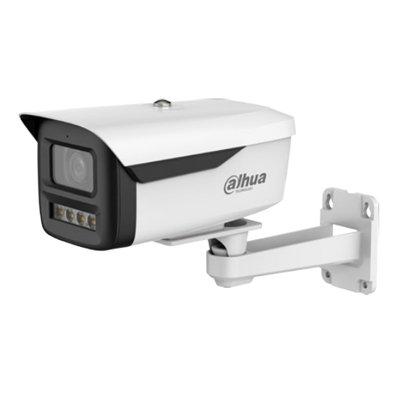
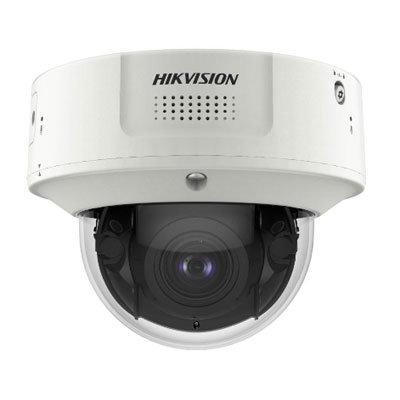


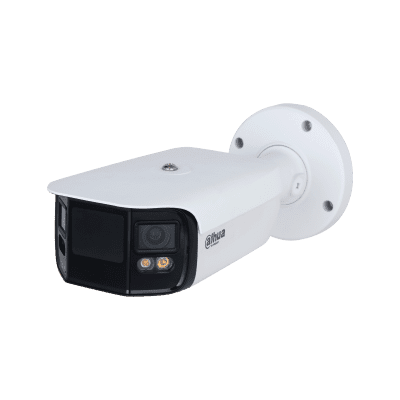

Round table discussion

When working in the technology marketplace, it’s always good to expect the unexpected. Increasingly, readiness to anticipate and embrace uncertainty is the baseline for survival in the world of technology. If we in the physical security industry know anything, it is that technology is in a state of perpetual disruption. Therefore, looking ahead to the next 12 months, surprises are inevitable. We turn to our Expert Panel Roundtable for guidance, asking our panelists: What will be the biggest surprise for security in the year ahead?

Access control, video surveillance, and intrusion detection systems evolved largely independently in the physical security industry. Integrating those systems to the benefit of an enterprise's overall security has traditionally fallen on security integrators working in cooperation with manufacturers. However, today's market has also evolved to include companies that provide "unified platforms,” bringing together various disparate security systems and functions under a single, centralised management interface. We asked our Expert Panel Roundtable: What are the advantages of installing physical security systems as a unified platform?

In the physical security marketplace, artificial intelligence (AI) has evolved beyond the novelty phase. The emphasis has now shifted to the more practical aspects of implementing AI technology. That a system implements AI is no longer impressive in and of itself. The question becomes: What can this AI system do for me? How can it improve my physical security stance? We asked our Expert Panel Roundtable: How is artificial intelligence (AI) transforming physical security?
White papers



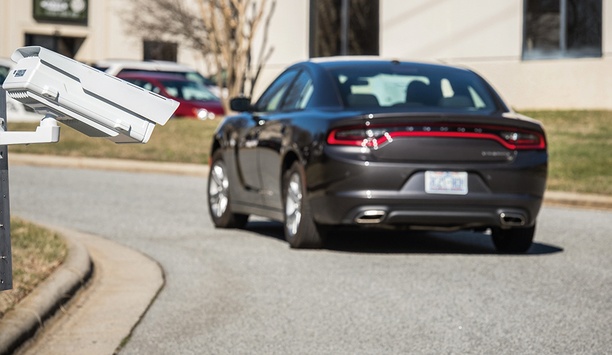
Videos


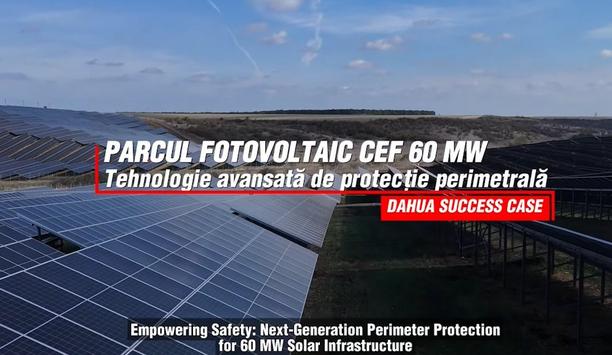
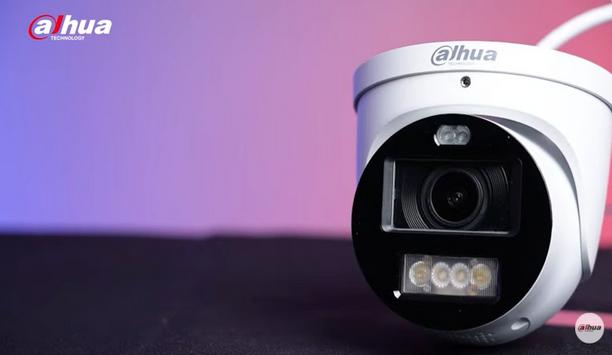
Perimeter protection: Manufacturers & Suppliers
- Dahua Technology Perimeter protection
- Hikvision Perimeter protection
- Senstar Perimeter protection
- Bosch Perimeter protection
- DSC Perimeter protection
- eneo Perimeter protection
- OPTEX Perimeter protection
- Visonic Perimeter protection
- Climax Technology Perimeter protection
- Honeywell Security Perimeter protection
- Aritech Perimeter protection
- RISCO Group Perimeter protection

Technology's role in securing banks and financial institutions
Download
Security technologies promote real-time awareness in K-12 schools
Download
Integrated systems enable critical and compliant security for transportation
Download
Modernising physical access control
Download
Access. Intrusion. One estate.
Download