Oil & Gas Security

For a global oil and gas organisation, achieving and maintaining PCI compliance across its USA and EMEA operations was becoming increasingly complex. Their existing PCI auditing system lacked the visibility, scalability, and automation required to meet evolving compliance demands. To modernise, they set out to replace their legacy QRadar platform with Splunk, aiming to gain complete, end-to-end visibility into PCI-DSS compliance data. But the business lacked the in-house expertise to build, man...

Raytec Ltd, a pioneer in LED lighting for security and safety-critical applications, announces the acquisition of Atexor Oy, a Finnish specialist in portable ATEX and IECEx lighting. This strategic acquisition broadens Raytec’s product portfolio and reinforces its commitment to delivering high-performance lighting for any hazardous location. Raytec’s own commitment “Atexor’s reputation for technical excellence and quality perfectly complements Raytec&rsq...

Raytec Ltd, a pioneer in LED lighting for security and safety critical applications, is acquiring Atexor Oy, a Finnish specialist in portable ATEX and IECEx lighting. This strategic acquisition broadens Raytec’s product portfolio and, according to the company reinforces its commitment to delivering high performance lighting for any hazardous location. Hazardous area lighting “Atexor’s reputation for technical excellence and quality perfectly complements Raytec’s own co...

Blackline Safety Corp., a global pioneer in connected safety technology, has announced plans to open two new international offices — one in Cologne, Germany, and another in Abu Dhabi, United Arab Emirates. The expansion strengthens Blackline’s operations across Europe, the Middle East and Africa (EMEA), bringing the company closer to its rapidly-growing customer base in these regions. Blackline’s Cologne office adds to its established network in the U.K. and France, providing...

Infrared thermography has become an indispensable tool in the petrochemical and refining industries, and Jason Czajkowski, IRT Thermography Manager at PROtect, is leading the charge in applying the latest technologies to improve safety, efficiency, and asset integrity. A Level III #13966 certified Master Thermographer and CWI, Czajkowski and his team at PROtect are early adopters of FLIR’s newest furnace inspection tool: the FLIR G609. This article outlines why PROtect transitioned from t...

Synectics will showcase the latest advances in AI-enabled surveillance for oil, gas, and transitional energy projects at this year’s ADIPEC and celebrate the 40th anniversary of its COEX camera range. Visitors to stand 15548, Hall 15 – The Chevron Hall, will see how COEX hazardous and safe area camera stations, together with Synectics’ Synergy software, are helping operators cut costs, improve safety, and extend asset life across traditional facilities and new e...
News

ADIPEC 2025, the upcoming global epicentre for oil and gas industry professionals seeking the latest technology advances, will see Teledyne Gas & Flame Detection present event visitors with a preview of its next-generation gas detector. Not set for official release until 2026, this exciting pre-launch will form one of six demonstration areas on the eye-catching stand, where the expert Teledyne Gas and Flame Detection team will be available to discuss optimal solutions to existing or new challenges. Progress for the future of energy Taking place in Abu Dhabi on 3-6 November, ADIPEC 2025 aims to accelerate game-changing solutions and transformational progress for the future of energy. Teledyne Gas and Flame Detection, exhibiting on stand 9413 in hall 9, has a strong legacy of pioneering breakthroughs in gas and flame detection to help the oil and gas sector solve its primary challenge: safety. Latest and upcoming innovations “Manufacturing both fixed and portable gas and flame equipment, we can reference more than 190 years of combined expertise across our three sites in Cypress (USA), Renfrew (UK) and Arras (France),” says Thomas Möller, Vice-President Sales and Marketing, Teledyne Gas and Flame Detection. “The 200,000+ visitors expected at ADIPEC will have the opportunity to discover our latest and upcoming innovations. Of particular interest, the pre-launch of our next-generation gas detector is not-to-be-missed.” Next generation of gas detection technology This exciting new development will take centre stage on the stand of Teledyne Gas and Flame Detection, which has participated at ADIPEC for over 10 consecutive years. Carrying the strapline ‘Freedom - The Instinct of Detection’, this the next generation of gas detection technology offers the perfect blend of intelligence, reliability and safety - with security built into every detail. Embracing a wide range of cutting-edge sensor technologies, the detectors adapt to even the harshest operating environments. Hydrogen sulphide, methane, flame detection, wireless technology and cloud connectivity represent the other five focus areas on the stand. Range of fixed and portable equipment Teledyne Gas and Flame Detection’s range of fixed and portable equipment ensures safety against hydrogen sulphide (H2S) and its associated risks. On display will be the ground-breaking GD1 laser-based gas detector with full SIL2 third-party approval, the market’s only open-path gas detector for H2S safety-related applications. Also on show will be the DG gas detector with highly visible display and the ability to operate at temperatures up to +65°C. From a personal safety perspective, Teledyne GFD is set to highlight the Protégé ZM zero-maintenance, single-gas portable gas monitor and the PS DUO dual-gas detector that can detect both H2S and SO2 (sulphur dioxide). NDIR sensor technology Methane (CH₄) emissions are firmly in the spotlight. Teledyne GFD will use its CH₄ focus area at ADIPEC to present solutions featuring a variety of technologies, including infrared optical gas imaging, and acoustic sensors to measure and quantity gas leaks. Among notable solutions will be the new MethaSense Trace for continuous low-emission monitoring, detection and quantification with 50 ppm sensitivity utilising non-dispersive infrared (NDIR) sensor technology. IR and UV-IR open-path flame detectors Regarding flame detection, Teledyne Gas and Flame Detection will showcase the benefits of its MultiFlame DF-TV7–T, a multi-spectrum infrared flame detector with three wavelengths. Designed to respond to unwanted hydrocarbon fires, the DF-TV7–T maintains a high degree of false alarm immunity. Also present will be Spyglass triple IR and UV-IR open-path flame detectors. Crucially, customers can opt to integrate Spyglass with high-definition video, facilitating safety decisions from a distance. Key among wireless technologies on the stand will be a new gas detection monitoring system with touchscreen panel. Users can build the system to meet individual needs with its ability to accommodate a mix of custom gas sensors, touchscreen options, alarm set points and power options. Connecting up to 64 Modbus or 4-20mA gas detectors (wired or wireless) into a single network, the new system delivers flexibility, safety and performance. Teledyne GFD’s cloud-based solution The remaining area will focus on the new Teledyne GDCloud™ for fast and secure data sharing and analysis. Teledyne GFD’s cloud-based solution simplifies compliance reporting by providing easy access to records, audit trails and field event visualisation. Users will learn how Teledyne GDCloud can support the digital transformation and unlock its potential by transforming field data into actionable business data. Only by visiting the Teledyne Gas and Flame Detection stand at ADIPEC 2025 will oil and gas professionals gain access to new knowledge upon which they can base their future safety strategies.

Using B&R automation technology in maritime environments is easier and more flexible than ever thanks to additional certifications by DNV, KR, LR, and ABS for the X20 control and I/O system. B&R has also expanded the temperature and input voltage ranges of the X20 system. Certifications Life at sea puts extreme demands on automation components, so certification authorities subject them to intensive testing. The recent addition of type examination certificates from Det Norske Veritas (DNV), Korean Register (KR), Lloyd’s Register (LR), and the American Bureau of Shipping (ABS) further attests to the extreme resilience of the X20 control and I/O system. Down to -40°C The expanded temperature range enables use in cold storage facilities and polar regions The coated variants of X20 components are now also specified for an even broader temperature range. They can be used safely even at starting temperatures as low as -40°C. The expanded temperature range enables use in cold storage facilities and polar regions. X20-coated modules are standard X20 units whose circuit boards have been specially coated to protect them from condensation, harmful gases, and other factors. Expansive power networks An expanded input voltage range further simplifies the use of the X20 family in maritime environments. The 24 VDC power supply now tolerates deviations from -25% to +30%. That equates to a voltage range of 18 to 31.2 VDC. This facilitates use in power networks that are spread out over large areas, such as those found on ships. Even with the voltage drops that occur over long cables, there is no need for distributed power supplies.

The oil and gas sector faces some of the toughest operational challenges of any industry – working in remote, high-risk environments where safety, security, and uptime are non-negotiable. Operators must protect valuable infrastructure, ensure worker safety, and maintain compliance with stringent regulations, all while minimising downtime and managing costs. In this environment, visibility is critical – and the right surveillance technologies can make all the difference. Role of surveillance The role of surveillance has expanded from simple monitoring to proactive risk management Video surveillance plays a key role in helping oil and gas operators monitor remote assets, detect potential hazards, and streamline incident response. With solutions now incorporating AI-powered analytics and thermal detection, the role of surveillance has expanded from simple monitoring to proactive risk management. From offshore rigs and onshore oil wells to pipelines, processing plants, and refineries, video systems must deliver purpose-built, high-resolution imaging – even in harsh environments with dust, vibration, salt air, or low light. Effective surveillance An effective surveillance system goes beyond the camera – it includes integration with audio, video management platforms, and cloud-based tools for real-time response and scalable control. Many Hanwha Vision cameras are equipped with license-free, advanced AI analytics. Features like AI-powered object detection, intrusion alerts, and real-time event tracking allow security professionals to immediately identify potential threats. AI surveillance systems The actionable insights caused by AI surveillance systems enable security experts to make more informed decisions These capabilities also help detect safety risks – such as falls, slips, or unusual activity – whether operators are onsite or monitoring from a central control room. The actionable insights generated by AI surveillance systems enable security professionals to make more informed decisions to improve operational efficiency, evaluate workload distribution among staff, and ensure critical safety regulations are always followed. Protecting the perimeter and assets Perimeter security is another critical concern. Safe operations start with keeping intruders out of facilities. Multi-directional and PTZ cameras with AI analytics – when integrated into a centralised video management system – are well suited for monitoring the wide-open spaces typical of oilfields and remote sites. With a single multi-sensor device taking the place of several conventional cameras, it also helps to lower total cost of ownership (TCO), as well as installation costs, and simplifies ongoing device management requirements. Enhanced perimeter monitoring and intrusion detection Thermal and radiometric devices can identify people and vehicles in all types of weather and low-light conditions These units can continuously monitor and analyse vast amounts of data in real-time, while machine learning algorithms detect unusual patterns and behaviours, such as unauthorised access attempts to restricted spaces. In addition, for enhanced perimeter monitoring and intrusion detection, thermal and radiometric devices can identify people and vehicles in all types of weather and low-light conditions. Thermal monitoring Alongside intrusion detection, thermal monitoring plays a vital role in predictive maintenance. Temperature changes are among the earliest warning signs of equipment overload and performance problems. By identifying abnormal heat signatures in electrical or mechanical systems, thermal imaging helps detect potential issues before they escalate into costly downtime or safety incidents. This kind of predictive maintenance is crucial for avoiding unplanned downtime, reducing maintenance costs, and maintaining a safe working environment. Bolstering safety and compliance Advanced video systems can assist in identifying slip, trip, and fall incidents the moment they happen With AI-powered analytics, advanced video systems can assist in identifying slip, trip, and fall incidents the moment they happen. Quick detection allows for faster emergency response and more accurate incident documentation. This not only protects employees but also helps mitigate legal and insurance risks. Likewise, monitoring and reporting on compliance with the numerous health and safety regulations for oil and gas operators has traditionally been a challenging, costly, and time-consuming effort. Intelligent AI-enabled security systems Companies spend considerable amounts of money on education, signage, video demonstrations, and classroom analysis. With intelligent, AI-enabled security systems, combined with IP audio solutions, companies can better track how their training investments are paying off and how employees are adhering to key safety and compliance best practices. AI-powered surveillance systems help accurately monitor and track if employees are following key safety guidelines, helping them to avoid accidents and ensure they use proper protective equipment. AI-enabled electronic security systems Alert sensors and audio network solutions can detect and call out when employees are not following procedures Alert sensors and audio network solutions can detect and call out when employees are not following procedures or wearing the recommended personal protective equipment (PPE), such as safety goggles, helmets, masks, or protective suits. These technologies can also identify and provide safety alert messages if employees come too close to dangerous equipment or have any worksite or health-related issue, like falling or passing out. Finally, when it comes to compliance reporting and incident tracking, AI-enabled electronic security systems can significantly reduce costs and time. Regulatory requirements and safety standards They feature comprehensive logging and reporting features and can automatically generate reports on security incidents, and access control logs as well as surveillance footage. This allows security professionals to effortlessly demonstrate compliance with regulatory requirements and further enforce compliance and safety standards to employees. In a sector where regulations are strict, environments are unforgiving, and downtime can destroy the bottom line, surveillance technologies that combine AI, thermal detection, and advanced analytics are helping operators stay safe, compliant, and efficient – without compromising productivity.

Blackline Safety Corp., a pioneer in connected safety technology, announced that the Abu Dhabi National Oil Company (ADNOC), one of the world’s pioneering energy producers, has placed its first purchase order under a multi-year agreement for up to 28,000 Blackline devices plus services. The order was secured through Blackline’s channel partner, Al Masaood. The initial order includes approximately 1,000 G6 wearable single-gas detectors with four years of service and 1,200 Blackline Location Beacons to enhance location signals inside ADNOC facilities. ADNOC’s commitment ADNOC generates over 4 million barrels of oil per day along with substantial volumes of natural gas ADNOC generates over 4 million barrels of oil per day along with substantial volumes of natural gas. This deployment marks a significant step in protecting frontline energy workers in the region with connected safety technology — reinforcing ADNOC’s commitment to operational excellence and workforce safety at scale. “This first order under the new agreement with ADNOC is an important milestone in our multi-year growth strategy in the Middle East,” said Andrea Lamond, Vice President, Growth Operations and Interim VP of International Sales, Blackline Safety. “Through our partnership with ADNOC and Al Masaood, we are investing in the region and delivering advanced connected worker technology that helps protect workers while improving operational efficiency.” Best-in-class safety features The award-winning G6 delivers a new standard in single-gas detection with long-lasting connectivity, best-in-class safety features, and an industry-pioneering service life. Blackline Location Beacons further enhance location accuracy, providing protection even in indoor It not only detects hazardous gas but can also provide precise real-time location data, enabling responders to reach workers quickly in the event of an emergency, when every second counts. Blackline Location Beacons further enhance location accuracy, providing protection even in indoor or GPS-challenged environments. Blackline Safety’s footprint Blackline Safety’s footprint in the Middle East has grown significantly over the past three years, with connected safety deployments across leading energy companies in the region. This latest long-term purchase agreement underscores the demand for Blackline’s connected safety ecosystem—combining wearable devices, cloud-hosted software, and 24/7 live monitoring—to help organisations safeguard workers in even the most challenging conditions.

FLIR, a Teledyne Technologies company, has announced an IECEx-certified version of the Si2x, an advanced industrial acoustic imaging camera purpose-built for professional inspectors who need fast, accurate compressed air and gas leak detection in hazardous environments. Now certified to both ATEX and IECEx standards, the FLIR Si2x is engineered for safe operation in explosive atmospheres while delivering industry-leading performance and usability. FLIR Si2x empowers maintenance FLIR Si2x empowers care experts to identify and quantify these issues with unmatched precision Compressed air and pressurised gas leaks, mechanical faults and partial discharge are all common and costly issues in industrial sectors such as chemical processing, oil & gas, and pharmaceuticals, where safety and reliability are paramount. The FLIR Si2x empowers maintenance professionals to identify and quantify these issues with unmatched precision and speed, even in environments where traditional tools are not permitted. Key features of the FLIR Si2x-Series ATEX and IECEx Certified: The Si2x is fully certified for use in hazardous locations, enabling safe and compliant inspections in explosive atmospheres. Best-Performing Acoustic Detection: A highly sensitive microphone array delivers pinpoint accuracy for fault detection up to 200 metres away, making it ideal for high ceilings, hard-to-reach assets, and noisy plant floors. On-Device Quantification: Instantly view leak size and estimated annual cost, as well as partial discharge severity, enabling prioritisation of repairs and fast ROI. Data can be used to support ESG and sustainability reporting initiatives. Bandpass Filtering: Customisable bandpass filter allows users to target specific ultrasonic frequencies, cutting through noisy environments to detect the most subtle leaks with clarity. High-resolution visual documentation: Integrated 12 MP visual camera with 8× digital zoom and built-in LED lighting helps users capture detailed contextual images for reports and maintenance workflows. Safe and Easy to Use with Minimal Training: Built for demanding field conditions, the Si2x is lightweight, compact, and easily operated with one hand. A large touch-screen interface and intuitive UI reduce training time and increase inspection throughput. Seamless Data Transfer and Reporting: Use Wi-Fi, USB, or the new secure data transfer cable to move images and analytics to FLIR Thermal Studio or FLIR Acoustic Viewer. Support for Over-The-Air (OTA) firmware updates ensures continuous improvement and compatibility. High-performance acoustic imaging “The Si2x is a breakthrough for inspectors who need high-performance acoustic imaging in the most safety-critical environments,” said Darrell Taylor, Global Acoustic Business Development Manager at FLIR. “It empowers teams to work safely and efficiently, detect leaks faster, and reduce energy waste — all while meeting the industry’s most demanding standards. With its rugged design, precision performance, and intuitive operation, the Si2x is built to handle real-world challenges.” Capabilities of the LD model plus Two versions of the Si2x are available: the Si2x-LD, designed for detecting pressurised gas leaks and mechanical faults, and the Si2x-Pro, which includes all the capabilities of the LD model plus the ability to identify partial discharge. All other features remain the same.

Cequence Security, a pioneer in API security and bot management announced significant momentum in the Middle East and Africa (MEA) region, driven by rapid customer adoption, strategic partnerships, and a strengthened leadership team. This expansion further solidifies Cequence’s position as the go-to API security and bot management provider in the region, addressing the growing demand for advanced threat protection and digital risk mitigation. Modern digital transformation “APIs are the backbone of modern digital transformation, but they are also the most exploited attack surface,” said Ameya Talwalkar, CEO of Cequence Security. “We are not just expanding—we are transforming how businesses defend their digital assets. As the only solution that provides data sovereignty in the region, we empower enterprises with AI-driven security tailored to their unique regulatory and threat landscapes. By combining innovative threat intelligence with proactive defence, we enable organisations to anticipate and mitigate attacks before they impact operations.” MEA expansion Cequence’s expansion in MEA has been marked by: 1) New customer acquisitions across financial services, telecommunications, oil and gas, and technology, securing organisations such as: A top Islamic bank in the UAE. One of the largest financial institutions in the Middle East and Africa. A major telecom provider in Turkey. A digital transformation pioneer in the energy sector. 2) A 193% increase in ARR in the MEA region year-over-year. 3) A 68% increase in partner deal registrations, demonstrating strong market demand for Cequence’s Unified API Protection (UAP) platform. 4) An 83% increase in reseller partnerships, spanning KSA, UAE, Qatar, Jordan, Kuwait, Bahrain, and Egypt. 5) The planned signing of a strategic Memorandum of Understanding (MOU) at LEAP 2025 with a strategic GTM partner, underscores Cequence’s commitment to regional cybersecurity initiatives. 6) Hiring for multiple positions across various departments in the region reinforces Cequence’s investment in local talent and its commitment to long-term growth in the MEA. Strategic leadership appointment Ismail brings a proven track record of driving business growth and forging strategic alliances To drive Cequence’s expansion in MEA, the company has appointed Mohammad Ismail as its new Head of Go-to-Market (GTM) & Sales for EMEA, strategically based in Dubai to accelerate regional growth and customer success. With over 25 years of experience in cybersecurity and enterprise IT across the Middle East, Africa, and Southeast Asia, Ismail brings a proven track record of driving business growth and forging strategic alliances. Reliance on APIs “My focus at Cequence is to strengthen our presence in the EMEA region by deepening relationships with customers and partners,” said Mohammad Ismail, Head of GTM & Sales for EMEA. “With the increasing adoption of the growing reliance on APIs to power digital services, organisations need robust API security and bot management solutions. I look forward to leveraging my experience to expand our footprint, provide strategic guidance, and help customers stay ahead of evolving cyber threats.” Customer success and industry validation Cequence’s platform has helped organisations across MEA overcome critical API security and bot management challenges. Customers have leveraged Cequence to: Secure APIs during open banking transitions, ensuring compliance and real-time protection for sensitive financial data. Enhance API governance and security testing, integrating seamlessly with CI/CD pipelines to enforce OWASP Top 10 protections. Detect and stop sophisticated API attacks with AI-driven threat detection and real-time behavioral analysis, mitigating risks from shadow APIs and automated threats. Improve visibility and response times with comprehensive API activity monitoring, automated security enforcement, and automated enforcement with no human intervention. Meet stringent data sovereignty requirements, ensuring security policies remain within customer-controlled environments. These capabilities combined with Cequence’s unified approach, continue to drive strong adoption among MEA enterprises seeking to protect their digital environments. Investor confidence and market leadership Cequence’s expansion in MEA has garnered continued support from investors Cequence’s expansion in MEA has garnered continued support from investors, including Prosperity7 Ventures and Sanabil Investments. “The Middle East presents a unique and fast-growing opportunity for cybersecurity innovation, and Cequence is pioneering the charge with its best-in-class API security solutions,” said Abhishek Shukla, managing director and head of North America at Prosperity7 Ventures. “With an experienced leadership team, strong regional partnerships, and a relentless focus on innovation, Cequence is well-positioned to drive continued success in the MEA market.” Commitment to innovation As part of its ongoing commitment to innovation, Cequence has introduced new capabilities tailored to the MEA market, including: Expanded cloud and on-premises deployment options, ensuring compliance with regional data sovereignty requirements. Enhanced partner enablement programs, equipping resellers and service providers with advanced API security expertise. Protecting digital assets “With API threats growing more sophisticated, we remain focused on delivering cutting-edge security solutions that empower organisations to stay ahead of attackers,” added Talwalkar. “Our investment in MEA reflects our dedication to supporting businesses with the tools they need to protect their digital assets and maintain trust with their customers.” LEAP 2025 Cequence will be at Stand H1.D30 during LEAP 2025. Stop by to meet the team and learn more about how the industry-pioneering API security and bot management solutions can help protect the digital ecosystem. Join Ameya Talwalkar, CEO of Cequence, as he discusses the evolving API security and bot management landscape. His session will cover emerging threats, regional trends, and strategies for mitigating cyber risks. When: 7:30 PM - 7:50 PM Where: Stand H1.D30

Expert commentary
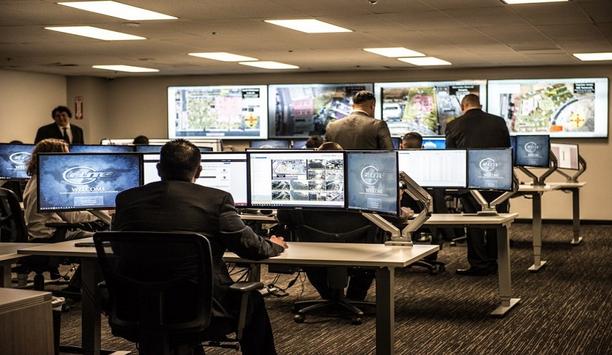
The average business owner or investor has some kind of security precaution in place, especially in the after-hours when there are fewer deterrents to inhibit criminal activity. Security guards, video surveillance systems, motion sensor lights, or even just fake cameras placed around the property are some of the common options people choose. Future of overnight security Smart business owners are starting to realise, however, that some of these traditional security measures are becoming antiquated and no longer cutting. The now and future of overnight security is in remote guarding. Pioneered by companies like Los Angeles-based Elite Interactive Solutions, which was founded back in 2007, remote guarding is revolutionising the overnight security business. Minimising criminal activity Remote guarding is fast becoming the most popular choice among commercial end-user property owners Remote guarding utilises a combination of cutting-edge technology, “digital guards,” highly trained security agents, and local law enforcement if and when necessary to minimise the potential of criminal activity. For those adequately enlightened to its overwhelmingly impressive crime prevention capabilities, remote guarding is fast becoming the most popular choice among commercial end-user property owners to secure and protect their investments. What Is remote guarding? Remote guarding is a revolutionary concept and increasing trend in security systems that utilises a combination of methods to effectively analyse potential threats to property. Cameras and/or other monitoring devices running highly advanced algorithmic software are installed in strategic areas or vulnerable places onsite and remotely located security agents are immediately notified of any activity within a designated perimeter of the property. A blend of AI, cybersecurity, and video analytics When properly deployed by an expert provider, the technology stack includes a proprietary blend of video analytics, artificial intelligence, cybersecurity, and more. Done right, “noise” is effectively filtered out, allowing agents to act on legitimate alerts and achieve zero false alarms communicated to first responders. Today, there are a lot of terms and descriptions tossed around about remote guarding, remote video, virtual guarding, etc., but those attributes must be present to represent the true definition of the offering and its many virtues. Realtime situational awareness Many systems have a two-way speaker that allows the security agent to give a verbal warning When specially trained security agents are alerted to trespassers, possible intruders, or other suspicious activity, they analyse the situation in real-time and determine the necessary level of action. Many systems have a two-way speaker that allows the security agent to give a verbal warning, known as a voice-down, to the individual(s) that they are being watched. Most perpetrators, often believing the response is emanating directly from security personnel on the property itself rather than from a remote command centre, flee immediately. However, if the threat persists, the security agent enlists local law enforcement to get on the scene. Customised remote guarding When properly deployed, remote guarding systems are also customised to specific properties. A team of consultants visits the client’s property to evaluate its vulnerabilities and where to best place cameras and/or other monitoring devices for system efficacy. Traditional security shortfalls According to Keith Bushey, a retired commander for the Los Angeles Police Department, there is much frustration between law enforcement officers and potential victims of crime due to the historically unreliable performance of traditional burglar alarm systems and central monitoring stations. He states about 90% of security-related calls are false alarms, a problem that has been well-documented through the years. Onsite challenges When a legitimate emergency does occur, the perpetrators have often already done their damage When a legitimate emergency does occur, the perpetrators have often already done their damage and/or escaped by the time law enforcement arrives. Onsite security guards are not the remedy either as they bring their own set of issues and challenges. Unexpected costs Traditional security systems can also have unexpected costs. The cost is not only in the security guards’ paycheck or the cost of the equipment itself. The cost comes when an actual incident occurs. In worst-case scenarios, the security guard(s) are injured, the business suffers inventory loss, and/or damage is sustained to the property. The medical and other costs for the security guard(s), the loss of inventory, property damage, deployment of law enforcement resources, and possible fallout of legal expenses all add up. Even in the best-case scenario, false alarm expenses incur if law enforcement is dispatched. These, among many others, are some of the primary issues that remote guarding resoundingly answers as a superior alternative. A bounty of benefits Remote guarding systems have been proven to cut costs and be more effective than traditional security systems. Even though the monthly monitoring costs of remote guarding are significantly higher than traditional intrusion detection system monitoring, the much higher effectiveness in crime reduction, elimination of false alarms, and augmenting or replacement of manned guards result in a substantially higher return on investment (ROI) to the end user. Easy tracking of threats The security cameras already have their image captured on record, making them easier to track down For example, case studies have demonstrated reduced security costs for clients by 60%, on average. These reductions have come from the costs of security staff, inventory, or property loss, plus saving money on insurance premiums and deductibles. The nature of remote guarding reduces the risk and costs of false alarms, with professional security agents able to determine an actual threat before law enforcement is called. In a rare instance when a perpetrator escapes before law enforcement arrives or can detain the individual(s), the security cameras already have their image captured on record, making them easier to track down and identify. Reduction of false alarms The significant reduction in false alarms is greatly appreciated by law enforcement, as it allows them to focus on real emergencies or crises. Better relationships are also developed between clients and law enforcement, as remote guarding systems are highly reliable in providing accurate and real-time information to officers as they approach the scene. In short, it assists law enforcement in doing their job more effectively, as well as more safely thanks to having eyewitness information before engaging in an active crime scene. Partnership When you combine the decreased cost with the increased efficiency and success rate, it is easy to see why many commercial end-user property owners across the country are making the shift to remote guarding. It’s also an outstanding opportunity for professional security dealers and integrators to partner with a remote guarding services provider to bring a superior solution to their end customers and pick up a recurring monthly revenue stream in the process.

It’s no secret that the data security sector is constantly changing. It has an annual CGR of about 12.3%. Future trends in data security Much of this has to do with the rise of cybercrime in recent years, with reports showing that cyberattacks happen as often as every 39 seconds. To combat the growing rate of cybercrime, data security has been on the rise. As we journey further into this era, it becomes evident that a spectrum of significant trends is molding the future of data security. This exploration delves into a selection of these trends, unraveling their importance and the potential implications they carry 1. AI security tools will increase Artificial Intelligence is also being used in the development of smart attacks and malware The introduction of Artificial Intelligence in the data security industry brought significant changes, especially in cybersecurity. AI has been the golden standard for face detection, natural language processing, automated threat detection, and automated security systems. Additionally, Artificial Intelligence is also being used in the development of smart attacks and malware, bypassing even the latest security protocols in data control. And as time progresses, AI security tools will flourish and dominate the scene. Let’s take a more in-depth look at three of the top AI security tools. Targeted attack analysis tool Manufacturers utilise targeted attack analysis tools to uncover targeted and stealthy attacks. Artificial Intelligence can be applied to the program’s capabilities, processes, and knowledge. For instance, Symantec launched this tool to combat the Dragon 2.0 attack in 2022. The phishing attack reprimanded multiple energy companies while trying to gain access to their operational networks. Targeted Attack Analysis Tools can analyse incidents and look for similarities from previous situations. They also help detect suspicious activities and collect all the necessary data to determine whether a specific action is malicious. Intercept X tool Results from the Intercept X Tool feature high accuracy and a low false positive rate Sophos, a British security hardware and software company, launched the Intercept X Tool. It engages a neural network that records and analyses data like a human brain. Sophos’ Intercept X Tool can extract features from a single file and perform a deep analysis. It detects malicious activities within 20 milliseconds. Plus, it’s also trained to work on bi-directional sharing and real-world feedback of threat intelligence. Results from the Intercept X Tool feature high accuracy and a low false positive rate. IBM Watson Technology IBM’s QRadar Advisor uses IBM Watson Technology, a unique AI tool for fighting cyber attacks. Artificial Intelligence can auto-investigate activities and indicators for potential exploitation or compromise. With cognitive reasoning, IBM Watson Technology can present critical insights to accelerate the response cycle. Security analysts can utilise this technology to search for threat incidents, reducing the risk of letting them fly under the radar. 2. Blockchain as a security solution It guarantees no points of failure or hackable entrances that can expose datasets inside the system Blockchain is a type of distributed ledger technology (DLT) that aims to establish trust within an untrusting ecosystem. Today it’s one of the most robust cybersecurity technologies in the industry. Blockchain utilises a decentralised ledger system, but your team members can still gain access to transparent information in the cloud. Members can also record, pass along, and view necessary transactional data in the blockchain. The entire blockchain process maintains data integrity within the system while establishing trust among team members. It guarantees no points of failure or hackable entrances that can expose datasets inside the system. Cybersecurity, biometrics Cybersecurity primarily benefits from these features because blockchain can create a secure and robust wall between data and hackers. On top of that, blockchain ledgers can include biometrics like fingerprints and retina scans. These prevent hackers from accessing any private data. Because blockchain is decentralised, it also limits hackable data. Together with the technology’s record-keeping system, each node is provided insight into data manipulation exposing real-time cybercrime attempts. 3. Increased and widened access control Without access control, expect your company to be open to security issues, including theft, data loss, and breach of data Access control is critical in data security. More than a valuable security tool, business leaders can use access control to regulate people accessing any given resource. A company with an IT security setting can control who has the liberty to edit certain files. One of the primary goals of access control is to minimise threats or attacks to organisations and businesses to keep people and data secure. Without access control, expect your company to be open to security issues, including theft, data loss, and breach of data protection laws. Benefits The benefits of increased and widened access control include: Identifying who can access and control your data at specific time intervals. Protecting data from overwriting, accidental deletion, and malicious intent. User permissions that can be readily changed. Compliance and regulation with data privacy laws. Central management of access to data through a reporting portal or a dashboard. Multi-factor authentication Access control comes in various types and systems, so it’s critical to know the features of what you’re looking for. The most common type is multi-factor authentication or MFA. It involves multiple steps before logging in, requiring the user to enter other relevant information besides the password. Some other examples of information include biometrics, answering a security question, or entering a code sent to the user’s email address. Two-factor authentication, role-based access control Two-factor authentication further prevents unauthorised entries that can result in unnecessary data possession Two-factor authentication further prevents unauthorised entries that can result in unnecessary data possession. Another type of access control is role-based access control. In this setup, only one individual can set up access guidelines and grant permissions to specific team members within an organisation. 4. Greater use of the zero-trust security model The zero-trust security model is a framework that requires every user within and outside the organisation to undergo authentication, authorisation, and validation. These are all essential to ensure proper security configuration before access is granted to the company’s applications and data. A zero-trust model assumes that anyone can cause data breaches and that a traditional network edge is not taken into effect. Moreover, it addresses the following modern-day challenges: Hybrid cloud environments. Security of remote workers. Ransomware threats. This framework utilises the combination of multiple advanced technologies, including: A risk-based multi-factor authentication. Endpoint security. Identity protection. Cloud workload technology. The zero-trust model uses all these innovative tools for system identification, user verification, access consideration, and system security maintenance. Constant validation and monitoring Enforcing strict policies and compliance with data privacy laws are also essential Additionally, it also considers data encryption, email security, and asset verification before establishing connections with applications. The architecture of a zero-trust framework requires constant validation and monitoring of the users and the devices they are using. Enforcing strict policies and compliance with data privacy laws are also essential. More importantly, the zero trust architecture requires all organisations to be aware of all their available services and accounts to gain complete control of data handling and manipulation. 5. Increased privacy regulations Privacy regulations and policies guide organisations in proper data control, handling, and security. These policies guide organisations in proper data control, handling, and security. As a responsible business owner, you must comply with these regulations to avoid legal issues. With cybersecurity attacks becoming common, expect increased and stricter privacy regulations to be released in the next few years. While current policies are still taken into effect, various modifications and adjustments will occur to compete with the rising numbers of data breaches, thefts, data loss, and more. California Privacy Rights Act (CPRA) Currently, the California Privacy Rights Act (CPRA) is the most comprehensive legislation on state data privacy. It only started to take effect on January 1, 2023. The CPRA introduces the following principles: Broad individual consumer rights. Significant duties of people who need to collect sensitive and personal information. Additional definitions of data privacy and security. An individual’s duties include releasing information about data collection to concerned data subjects and proper access, correction, and deletion of information. Final thoughts 2023 is a big year for data security. Trends such as increased adoption of zero-trust policies, a greater reliance on AI security tools, and the implementation of blockchain as a security solution are all things we expect to see shortly. Staying up-to-date with these trends is important for keeping your business current and ensuring that you’re adhering to new and changing regulations. Doing so can give you an edge over the competition and keep you out of legal hot water.

We work with and buy from “middlemen” all the time, yet the term remains loaded with negative connotations. It’s telling that the term remains gendered, no one has tried very hard to normalise the term “middleperson” in the same way as “chairperson” or “police officer.” Why? It’s easy to see a middleman as an inconvenience, someone who skims profit off the top while offering no real value to the end customer. Think of the second-hand car salesperson or estate agent of the popular imagination. Management of added services Yet we buy from retailers and marketplaces every day without complaint. As long as we see a middleman as providing value and convenience rather than getting in the way, they’re safe. This does mean, however, that resellers and integrators need to carefully manage how they are perceived and how much their added services are valued by their customers. The risk to security integrators Security policies need to be integrated, and the way physical and cybersecurity works needs to reflect these policies Businesses have often relied on security integrators to break down silos between security systems to strengthen both physical and cybersecurity postures. Typically, these have been seen as separate, but the increase in remote working and the adoption of cloud-based physical security has blurred the lines between the physical and the digital. Security policies need to be integrated, and the way physical and cybersecurity works needs to reflect these policies, rather than a siloed approach that will mean one is more secure than the other, and security integrators can help bridge this gap. Macroeconomic headwinds, digital transformation Security integrators have also proved invaluable in filling skill gaps within organisations. Not every business can be expected to have the staff and skills needed to successfully overcome integration challenges, they may have cybersecurity and physical security experts, but perhaps not both. And if they do have experts on staff, they may lack knowledge of the cutting-edge technologies that will protect their businesses best. This unique and esteemed role of security integrators is today at risk of disruption. Macroeconomic headwinds mean that businesses are scrutinising every budget line and asking if each is necessary. Digital transformation means they are questioning old ways of doing things are the providers they worked with five years ago, or longer, the same people who are going to give them the best value today? Research findings on current trends Unfortunately, many security integrators are not keeping up with change. Our research has found that only 26% of customers consider integrators up to date with the latest technologies. Businesses rely on these providers to navigate a new and confusing security landscape and only one in four say they are confident their partners have researched the road ahead. In the past, providers may have relied on having better knowledge than their customers. But 73% of security solutions buyers are doing their research on vendors and technology. Integrators risk being underprepared to serve a market that is more and more educated in the products they are providing a dangerous situation for any middleman. Finding the gap Who needs to outsource in-depth technical knowledge of security when they have that knowledge available in-house? The research suggests a shrinking gap for security integrators. Who needs to outsource in-depth technical knowledge of security when they have that knowledge available in-house? However, the problem may not be as dire as the research first suggests as long as integrators act to address the risks they face. Education Businesses are educating themselves about the market. They want to know what is available to stay safe, both in a physical environment and from online threats. This is understandable given how the news cycle, both of these spaces have seen an increase in potential threats, and the cost of cleaning up after a ransomware or similar attack has spiralled. Any sensible business will review what they have in place and their future options. Advance industry knowledge It has never been more important for the integrator community to advance their industry knowledge. They truly are the experts, and have an in-depth understanding of the latest trends, the advancement in cloud security, and the shifting demands of users. They also need to provide better service and consultancy. As the security world gets smarter and more cloud-based, security integrators who are well-informed and educated will have a clear advantage in the market. After all, most businesses don’t want to spend time researching and upskilling in areas where they can effectively outsource. Security integrators must be able to reassure their customers that they are up to the task. Bring on added value But to thrive, security integrators need to bring more value to the table and also be seen to be providing more value The problem may be perceptions rather than the actual value that integrators can offer. If integrators are more informed than their customers realise, they need to do more to let their customers know. This could be down to being too reactive i.e., not anticipating customer needs and simply waiting for them to ask for particular services or products or not demonstrating knowledge as part of regular customer service. There is still very much of a gap for security integrators in today’s market. They can survive in this gap. But to thrive, security integrators need to bring more value to the table and also be seen to be providing more value, more than a middleman, but a provider that can advise on the right products to meet specific needs and make those products work for their customers in an integrated way. Reinventing via consultancy They need to provide consultancy so their customers understand how best to ensure online and physical security work together to keep a business safe. Most of all, they need to demonstrate their knowledge to their customers and make sure they understand the value they bring. Businesses won’t be safer by relying on their research and knowledge to buy and install security products, but if they don’t understand the benefits of a specialist integrator, they may choose this route. It’s up to security integrators to reinvent themselves as the better kind of middleman if they want to remain relevant.
Security beat

Casinos offer several attractive applications for LiDAR, including security and business intelligence. Using laser sensors, the technology can replace the use of surveillance cameras. For casino security, LiDAR can track player movement and provides complete coverage and accuracy that have not been achievable by surveillance cameras. Massive coverage areas can save on costs of sensor deployment versus other technologies. LiDAR and its applications LiDAR is a method for determining ranges by targeting an object with a laser and measuring the time for the reflected light to return to the receiver. LiDAR sensors emit pulsed light waves into a surrounding environment, and the pulses bounce off surrounding objects and return to the sensor. The sensor uses the time it took for each pulse to return to the sensor to calculate the distance it travelled. LiDAR is commonly used in markets such as robotics, terrestrial mapping, autonomous vehicles, and Industrial IoT (Internet of Things). Today, casinos offer a lucrative emerging market for technology. LiDAR tracking enables casino operators to understand the guest path, journey, queue time, count Crowd management LiDAR can contribute to a casino’s guest experience by counting people at doors or in sections of the gaming floor to provide intelligence about crowd size to track occupancy. LiDAR tracking enables casino operators to understand the guest path, journey, queue time, count, and other statistical information by comparing previous time frames to current occupancy levels. This approach allows them to understand digital media advertisement and experience placement. Aid in advertisement “Inside a casino, sensors are deployed like surveillance cameras,” says Gerald Becker, VP of Market Development & Alliances, Quanergy. “But instead of security, they are used to provide anonymous tracking of all people walking through the gaming floor. We can get centimetre-level accuracy of location, direction, and speed of the guests. With this data, we can access the guest journey from the path, dwell count, and several other analytics that provides intelligence to operations and marketing to make better decisions on product placement or advertisement.” Quanergy Quanergy is a U.S.-based company that manufactures its hardware in the USA and develops its 3D perception software in-house. Quanergy has various integrations to third-party technology platforms such as video management systems (VMSs) in security and analytics for operational and business intelligence. Perimeter security Sensors can be mounted to a hotel to monitor for potential objects being thrown off the hotel LiDAR is deployed in both exterior and interior applications. For the exterior of a casino or resort, sensors can be mounted to a hotel to monitor for potential objects being thrown off the hotel, or people in areas where they should not be. For example, they can sense and prevent entrance to rooftops or private areas that are not open to the public. Some clients install sensors throughout the perimeter of private property to safeguard executives and/or a VIP’s place of residence. Flow tracking and queuing capabilities Tracking crowd size can initiate digital signage or other digital experiences throughout the property to route guests to other destinations at the property. It can also help with queue analysis at the reservation/check-in desk or other areas where guests line up to tell operations to open another line to maintain the flow of guests passing. Flow tracking and queuing capabilities help casino operators to understand which games groups of customers frequent and allow for the optimisation of customer routing for increased interaction and playtime on the casino floor, quickly impacting the financial performance and return of the casino. No privacy concerns LiDAR provides a point cloud; its millions of little points in a 3D space create the silhouettes of moving or fixed objects The main hurdle right now is market adoption. LiDAR is an emerging technology that is not so widely known for these new use cases, says Becker. “It will take a little bit of time to educate the market on the vast capabilities that can now be realised in 3D beyond traditional IoT sensors that are available now,” he comments. One benefit of LiDAR is that it poses no risk of personally identifiable information (PII) and therefore no privacy concerns. No PII is captured with the technology. Cameras can capture images and transmit them over the network to other applications. However, LiDAR provides a point cloud; its millions of little points in a 3D space create the silhouettes of moving or fixed objects. IoT security strategy There is a lot of interest from surveillance and security to include marketing and operations, says Becker. “LiDAR will become a part of the IoT security strategy for countless casinos soon. It will be common practice to see LiDAR sensors deployed to augment existing security systems and provide more coverage.” Also, the intelligence gained with the accuracy of tracking guests anonymously provides peace of mind to the visitors that they are not being singled out or uniquely tracked but provides valuable data to the casinos that they have not been able to capture before. “This will help them maximise their operations and strategy for years to come,” says Becker.

The cloud is here to stay. Its resilience and ability to connect the world during during the COVID-19 pandemic has proved its worth, even to the uninitiated who have now witnessed first-hand the value of connected systems. Video and access control as a service provides a flexible and fluid security and business solution to meet the demands of a rapidly evolving industry, where the changing threat landscape means investing in the cloud is an investment towards success. This article will look back at our articles in 2020 about the growing popularity of cloud solutions for physical security, with links to the original content. Product offering While most people agree on the definition of “cloud,” there are several points about the terminology that may require clarification. Private cloud or public cloud? VSaaS or unlimited storage for video? Beyond the basics, the terms become foggy, reflecting a variety of notions about how cloud services fit into the broader physical security marketplace. As cloud usage becomes more popular, it’s important that marketers be precise in their terminology, and that integrators and end users be diligent in understanding the specifics of available product offerings. Different meanings “The cloud has many different possible connotations, depending on the context,” says Yu Hao Lin of Rasilient Systems, one of our Expert Roundtable panelists. For example, corporate CIOs will more likely understand the cloud to be a private cloud platform. As such, the public cloud is a ubiquitous term while the private cloud is more specified. Cloud system security Security of cloud systems is an ongoing discussion in the industry, especially how cloud system cybersecurity compares to that of on-premise systems. Our Expert Panel Roundtable weighed in on this question. “While both kinds of security systems serve their purpose, it can be argued that the streamlined updates that are commonplace with cloud-based solutions may put them at more of an advantage when it comes to data security,” says panelist Eric Widlitz of Vanderbilt Industries. “Also, most reputable cloud-based solutions are running in secured data centers by companies such as Google, Microsoft or Amazon, so you also get to take advantage of all the security layers they have protecting your data.” Hybrid cloud video security solution A growing list of cloud players reinforces the importance of the cloud in the future of physical security There are several relatively new companies pushing cloud in a big way. Verkada is fast-growing company currently currently focusing to deliver an all-in-one hybrid cloud video security solution powered by edge processing inside the camera. The growing list of cloud players reinforces the importance of the cloud in the future of physical security. Combining AI and cloud video One company investing in the cloud is Eagle Eye Networks, which has raised $40 million of Series E funding from venture capital firm Accel to finance the realisation of their vision to combine AI and cloud video. The money will allow Eagle Eye to continue its steep growth curve and leverage AI on its true cloud platform to reshape video surveillance. “The investment will make video surveillance smarter and safer for end-users,” says Ken Francis, President. Eagle Eye offers an application programming interface (API) to enable the integration of best-in-breed third-party AI and analytics systems to leverage the video. Eagle Eye is also investing in its own AI development and hiring additional development and customer service personnel. Hirsch Velocity Cirrus and MobilisID Identiv introduced the Hirsch Velocity Cirrus cloud-based Access Control as a Service (ACaaS) solution and MobilisID smart mobile physical access control solution. Hirsch Velocity Cirrus is an optimal solution for both end-users and integrators, with lower upfront costs, reduced maintenance, enhanced portability, and the future-proof assurance of automatic security updates and feature sets. MobilisID is a smart mobile physical access control solution that uses Bluetooth and capacitive technologies to allow frictionless access to a controlled environment without the need to present a credential. Advantages and disadvantages Advantages of cloud-based physical security technologies are many, when supporting staff The advantages of cloud-based physical security technologies are many, and have wide-ranging applications for all areas of the transport sector; across stations, transport hubs and vehicles. When used to support staff and complement existing processes, such systems can prove invaluable for transport professionals in helping to create a safer working environment, promoting confidence among personnel and passengers, and assuring passengers who are fearful about the current pandemic that all possible precautions are being taken during their journey. 5G supporting cloud-based applications 5G is the first communication environment that is cloud-native. As such, such, 5G networks will support cloud-based applications in a way that 4G, 3G and 2G can’t support. For instance, sensors (e.g. in a manufacturing plant) often have small internal storage and rely on synced devices (e.g. gateways) to interact with the cloud. Soon, these sensors will be able to work more efficiently, interacting with the cloud via the ultra-low latency and the edge computing capabilities supported by 5G networks. Increasing use of IoT Unlike current IoT services that make performance trade-offs to get the best from these existing wireless technologies, 5G networks will be designed to bring the high levels of performance needed for the increasing use of IoT. It will enable a perceived fully ubiquitous connected world, with the boosted capacity offered by 5G networks transferring exponentially more data at a much quicker rate.

The mission of the North American Electric Reliability Corporation (NERC) is to ensure the reliability of the North American bulk power system (BPS). While electric utility companies are responsible for administering the day-to-day operations of the electric grid, regulators such as NERC and the Federal Energy Regulatory Commission (FERC) are charged with the overall responsibility of ensuring reliability and security. NERC develops and enforces Reliability Standards, annually assesses seasonal and long-term reliability, monitors the bulk power system through system awareness, operates the Electricity Information Sharing and Analysis Center (E-ISAC) and educates, trains and certifies industry personnel. Normal everyday operations of the system are the responsibility of utility owners and operators. Protecting critical infrastructure An attack by a disgruntled former employee, ideologically motivated activist, or a criminal could inflict significant damage Currently, a significant reliability threat to the U.S. grid is associated with squirrels and balloons, and not religiously inspired terrorists. However – and more applicable to grid operators – we have recently seen noteworthy interest in disabling or destroying critical infrastructure. Coordinated attacks can target the grid, and an attack by a disgruntled former employee, ideologically motivated activist, or a criminal stumbling across a “soft target,” could inflict significant damage. With an interconnected grid of over 450,000 miles of high voltage transmission lines (100 kV and higher) and over 55,000 substations (100 kV and larger), the targets of opportunity are endless. Data capture form to appear here! According to the Department of Energy, the number-one cause of most power outages in the U.S. is bad weather, which costs the economy between $18 billion and $33 billion every year in lost output and wages, spoiled inventory, delayed production and damage to grid infrastructure. The number-one cause of most power outages in the U.S. is bad weather, which costs the economy between $18 billion and $33 billion every year Large power transformers A large power transformer (LPT) is an enormous, custom-built piece of equipment tailored to customers’ specifications. They usually are not interchangeable with each other, and they are not produced for spare-part inventories; so if one blows, a lot of companies and homes could be without power for more than six months. They are not cheap, either. According to EEP (Electrical Engineering Portal), $10 million is a fairly average cost, but that doesn’t include transporting the gargantuan piece of equipment or installing it, which usually adds an additional 35 percent to the bill. Protecting power grids is essential to deliver electricity that serves millions of consumers. Transmission substations are a component of the power infrastructure that presents unique security challenges. These important facilities often sit out in the open, in remote locations, and were historically protected by little more than cameras or chain-link fences. According to EEP, $10 million is a fairly average cost for a large power transformer NERC/CIP guidelines The North American Electric Reliability Corporation’s Critical Infrastructure Protection (NERC/CIP) guidelines address security needs of electrical substations. Every facility has a baseline requirement for perimeter security protection around the site, although medium- and high-impact sites will have more stringent requirements. The geography surrounding sites – Is it an urban area or rural? Does the surrounding elevation provide additional lines of sight? – also impacts the types of systems they require. Electricity coming from coal, nuclear or hydroelectric plants goes to local utilities The U.S. power grid is divided into three sections: The Eastern Interconnection for states east of the Rocky Mountains, The Western Interconnection for states from the Pacific Ocean to the Rocky Mountains, and the smallest—the Texas Interconnected system—covering most of Texas. Electricity coming from coal, nuclear or hydroelectric plants goes to local utilities and they distribute power to homes and businesses, to millions of personal devices, lights, refrigeration, computers, and to other “loads,” that tap it. Inherited challenges According to the American Society of Civil Engineers (ASCE), the nation’s electric infrastructure is “nothing but a patchwork system” that has evolved wildly since the first substation was erected by Thomas Edison in 1882, on New York City’s Pearl Street. Contributing to the challenges of securing the grid are the crazily disparate ages and capacities of the grid’s equipment. There are many possible targets, too. Approximately 300 control centres around the country monitor voltage and watch the data from SCADA (supervisory control and data acquisition) systems, which are placed at transformers, generators and other critical areas. Ideally, this allows engineers to monitor the data for signs of trouble and then communicate with each other to deal with whatever is happening to the grid, but SCADA has cybersecurity issues.
Case studies
A major oil and gas organisation faced a critical challenge in securing its applications at scale. With a vast, globally distributed technical organisation, security and development teams operated in isolation, each focused on their own priorities. This siloed approach created significant bottlenecks, leading to slow vulnerability remediation, missed security risks, and frustrated developers. A common problem in large enterprises In large, complex organisations, security is often seen as a gatekeeper rather than an enabler. Security teams are tasked with identifying vulnerabilities but lack the mechanisms to ensure fixes are implemented effectively. Meanwhile, development teams are under pressure to deliver features rapidly, often seeing security as an external function rather than a core part of their workflow. This misalignment results in: Backlogs of Unresolved Security Issues: Security vulnerabilities piled up because developers had no direct accountability for remediation. Without embedded security expertise, fixes were delayed or deprioritised in favour of feature development. Slow, Inefficient Security Processes: Security was treated as an external checkpoint rather than an integrated function. Developers had to hand off security-related work, leading to long lead times between identifying and resolving vulnerabilities—sometimes spanning multiple sprints. Lack of Clear Ownership: Security was considered “someone else’s problem,” rather than a shared responsibility. Without direct security support within development teams, security best practices were inconsistently applied, increasing risk across the organisation. Developer Resistance to Security Processes: Developers often saw security as a blocker rather than a partner. Security reviews felt like an extra burden, slowing down releases rather than enabling a more secure development process. These challenges are not unique to this organisation—they are common across large enterprises where scale, complexity, and competing priorities make security integration difficult. The organisation knew it needed a different approach—one that would embed security into the development lifecycle without slowing down innovation. The solution: Embedding security engineers into development teams To break down silos and improve security efficiency, the organisation introduced Embedded Security Engineers within development teams. This approach ensured that security expertise was always available where it was needed, eliminating bottlenecks and enabling a proactive security culture. Key Changes Implemented: Security Engineers Became Part of Dev Teams Instead of working as an external function, security engineers were placed directly into development teams. This eliminated handoffs and competing priorities, ensuring security expertise was built into day-to-day development. Security Became Seamless and Developer-Friendly Security engineers worked alongside developers to automate security checks and integrate them into existing workflows. Hands-on support was provided to help developers understand why security fixes mattered and how to address them efficiently. Faster Vulnerability Remediation With security engineers embedded, vulnerabilities were now identified, triaged, and resolved within the same sprint. The organisation moved from reactive, end-of-cycle security interventions to continuous security integration. Building Long-Term Security Capability Developers were trained to proactively manage security in their codebases, reducing dependency on external security teams. Teams created and maintained their own threat models within a few sprints, enabling self-sufficiency in secure development. Minimised Dependency on External Reviews Security was no longer an afterthought that required costly external audits or last-minute fixes. By shifting security “left” into development, teams could proactively manage risks before they became critical issues. The outcome: Security as an enabler, not a barrier By embedding security engineers within development teams, the organisation achieved: Faster Security Fixes What once took multiple sprints to resolve was now often fixed within a single sprint. Security became an enabler of fast, secure development rather than a blocker. Stronger Collaboration Between Dev and Security Security was no longer a separate function—it was part of the team. Developers had immediate access to security guidance, leading to better, more secure coding practices. Reduced Bottlenecks and Handoffs Security was no longer a slow-moving external review process. Developers had real-time security support, eliminating delays in identifying and fixing vulnerabilities. A Scalable, Self-Sufficient Security Culture Developers took ownership of security, reducing reliance on a stretched central security team. Teams became security champions within their own projects, ensuring security was integrated into every stage of development. Conclusion: A model for large-scale security integration This transformation enabled the organisation to scale its security practices without slowing down development. By embedding security engineers within development teams, they shifted from reactive security fixes to proactive security integration, ensuring a faster, more resilient approach to securing applications.

LATINA Construction and Drilling needs to maximise staff safety and site security on the La Santa Maria oil drilling platform in the Gulf of Mexico. To achieve this, they have implemented a Hikvision solution featuring explosion-proof cameras equipped with deep learning algorithms for perimeter protection and fire detection. This system provides real-time alerts to the security team for swift incident response. Challenge: Maximising security and safety High value of hydrocarbon products makes perimeter security crucial for safeguarding staff and assets Oil and gas sites face unique security and health and safety challenges. The extraction, refining, and transport of hydrocarbons present significant fire and explosion risks that require all equipment and installations to operate at safe working temperatures. Additionally, the high value of hydrocarbon products makes perimeter security crucial for safeguarding staff and assets. These are some of the well-known challenges facing Constructora y Perforadora LATINA (LATINA Construction and Drilling), a major geothermal drilling company in Latin America with more than 60 years of experience. ‘La Santa Maria’ drilling platform The organisation is responsible for operating the ‘La Santa Maria’ drilling platform in the Gulf of Mexico, while also ensuring protection of the local maritime environment and wildlife based on responsible operations. The platform, built in 2013, is relatively close to land, making it more vulnerable to security breaches and property damage from trespassers. To address these risks, and to ensure that environmental risks are mitigated, the platform needed a new, improved, security solution. 24x7 perimeter security This needed to provide 24x7 perimeter security, excellent fire prevention capabilities, and the ability to minimise health and safety risks for employees. In addition, the system needed to be highly corrosion-resistant to withstand the harsh maritime environment, where the platform is located. Solution: Hikvision explosion-proof thermal imaging cameras with on-board deep learning for fire detection and perimeter security To overcome these challenges, LATINA Construction and Drilling, in collaboration with the renowned System Integrator - STC Global System, has deployed a Hikvision solution, which incorporates Thermal & Optical Bi-spectrum Network Bullet Cameras (DS-2TD2637-35/P) and Explosion-Proof Thermographic Network Bullet Cameras (DS-2TD2466T-25X). Hikvision explosion-proof thermal imaging cameras The explosion-proof cameras are housed in 316L stainless-steel casings The explosion-proof cameras are housed in 316L stainless-steel casings, preventing sparks or heat from coming into contact with potentially flammable fumes. The casings meet the NEMA-4X anti-corrosion standard, ensuring durability in the salty sea environment. The cameras’ thermal imaging capabilities, along with the sensitive fire-detection algorithm, ensure that any overheating equipment is reported immediately, even in low-visibility conditions such as fog and rain. Cameras feature powerful analytics functions Both Hikvision camera models use an on-board deep learning algorithm to provide powerful analytics functions. This means the cameras can generate alerts immediately for certain types of incidents, including perimeter invasions (line crossing) and entry of unauthorised people. The algorithm also distinguishes false alarms caused by moving objects like seabirds, high waves or storms from genuine threats, such as people invading the platform perimeter. This helps to minimise false alarms. The cameras also feature light and strobe alarms to alert intruders, deterring them from further actions. Benefits: Increased staff health and safety, optimised operational efficiency, and durable performance Enclosed in heavy-duty casings, the Hikvision explosion-proof cameras help to maximise staff health and safety by ensuring that the risk of camera-related sparks and resulting fires and explosions is minimised. Additionally, the cameras' thermal imaging helps the platform respond quickly to temperature increases or fires, ensuring the safety of personnel and assets, while adhering to environmental regulations. False alarm reduction deep learning algorithm The company can mitigate security risks associated with the platform’s location close to land The false alarm reduction deep learning algorithm ensures that members of the security team can focus 100% of their effort on genuine security threats, speeding up responses, saving time, and increasing operating efficiency and performance. With automated alerts for security incidents, such as ‘line crossing’, the company can mitigate security risks associated with the platform’s location close to land and ensure the safety of everyone working on the platform. Corrosion-resistant cameras offer chemical resistance Finally, but equally importantly, the corrosion-resistant cameras offer exceptional chemical resistance and durability, making them well-suited to withstand the harsh maritime conditions of the Gulf of Mexico. This reliability ensures that LATINA Construction and Drilling continues to benefit from the system for years, despite constant exposure to saltwater. Additionally, the reduced need for repairs and maintenance results in significant cost savings.

A major European oil and gas company that acquires, explores, produces and supplies chemical and petroleum products had a cybersecurity challenge. Company leadership wanted a better way to quantify and respond to the industry’s increasing levels of cybersecurity risk. Cybersecurity challenges Pioneers were looking for a new way to understand better and improve their company’s OT cybersecurity. As part of this effort, pioneers wanted to compare the company’s current levels of protection against a series of hypothetical attacks to identify gaps. With operations in several locations and a supply chain network of over 1,000 gas stations, auditing and improving the company’s cybersecurity would be no small task. csHAZOP services To help overcome these challenges, the company called in Honeywell and, specifically, its Honeywell Cybersecurity HAZOP (csHAZOP) services team to perform a detailed design evaluation based on OT cybersecurity risk. The Honeywell csHAZOP solution is designed to deliver a comprehensive set of analysis and recommendations – it goes beyond the standard cybersecurity vulnerability assessment or IEC 62443 compliance audit by adding deeper analysis that is designed to: Investigate a significant amount of what can go wrong, including approximately 500+ attack scenarios – evaluating these for multiple threat actors and different consequences. Address – via risk assessments – both the likely risk reduction through the regular IT type of countermeasures (AV, firewall, hardening, etc.) and the consequence severity reduction through the implementation of safeguards (e.g., hardwiring critical control signals). Estimate residual risk for each hazard, allowing identification and quantification, making mitigation actionable. Focus on process automation cybersecurity risk (csHAZOP stage 1) or production process cybersecurity risk (by adding csHAZOP stage 2 vs. cybersecurity production risk) to add a higher level of cybersecurity analysis from an OT perspective unique in the industry. Determining cybersecurity hazards The Honeywell cybersecurity professionals also identified some high-risk design deficiencies For this project, the Honeywell OT cybersecurity professionals used the Honeywell proprietary csHAZOP method to identify several concrete recommendations for immediate remediation and technical design in the company’s ICS to be considered in upcoming migrations. The Honeywell cybersecurity professionals also identified some high-risk design deficiencies. The Honeywell csHAZOP framework was also used to identify levels of residual risk to determine which cybersecurity hazards were more critical to address versus others. Cybersecurity assessments Honeywell provided targeted guidance on several aspects of the study, using experience from real-world cyber attacks in the industry. Honeywell’s csHAZOP service is one of the few cybersecurity assessments available on the market that is designed to apply counterfactual risk analysis. Given a system’s protective measures, this method helps a company evaluate which cyber attacks (based on countermeasures, security protections, and type of threat actor) may succeed. This evaluation directly links OT cybersecurity to loss prevention and process safety. Honeywell’s csHAZOP report for this oil and gas refinery was considered successful by the customer because of its well-defined procedure, the tools Honeywell has specifically designed for OT systems, and the team’s experience and efforts in OT cybersecurity. Customer's quote “The results of the cshazop assessment from Honeywell went beyond our expectations. We have received a detailed and analytical cybersecurity hazard and operability report concerning both identified risks and realistic recommendations for remediation," said a major refinery in Europe. "Additionally, the report is a valuable tool for future upgrades of our systems as well as new projects and the development of an incident response plan. We intend to repeat this assessment periodically, as it is a valuable tool in our continuous efforts to improve security for our systems from the ever-evolving cybersecurity threats.”

Alarming increases in vehicle thefts, unsolved traffic collisions, and stolen cargo in the Mexican State of Tlaxcala, motivated the Executive Commission of the State Public Security System (CESESP) to expand and upgrade its video security system. To counter the rise in crime, the CESESP sought a flexible, scalable, open-platform video management system (VMS) that could seamlessly incorporate existing cameras as well as over 800 new cameras and edge devices from a range of hardware and software providers. Tlaxcala Located in East-Central Mexico, Tlaxcala is one of 32 states within the Federal Entities of Mexico. With a population of approximately 1,343,000, based on the 2020 census, Tlaxcala is the smallest yet one of the most densely populated states in Mexico. The CESESP of Tlaxcala is tasked with safeguarding residents across the state's 60 municipalities. C4 centre C4 centre has multiple teams of six security professionals who monitor the system around the clock At the core of all security operations, including the 911 emergency response and 089 confidential tip line, is the CESESP's Control, Command, Communications, and Computing centre (C4). The state’s C4 centre has multiple teams of six security professionals who monitor the system around the clock on a large, 24-screen video wall. The C4 also houses the system’s HP and Lenovo servers. Flexibility, scalability, and budget “Flexibility, scalability, and strictly adhering to the budget were top requirements for this critical, state-wide project,” said Maximino Hernández Pulido, Executive Commissioner of the State Public Security System. “We considered a variety of proposals and providers, but we ultimately followed the advice of our integrator, Digital Information Systems, and selected XProtect Corporate from Milestone Systems.” XProtect Corporate The new system includes cameras from Hanwha Vision, Bosch Security and Safety Systems, Hikvision, and Pelco The new system includes cameras from Hanwha Vision, Bosch Security and Safety Systems, Hikvision, and Pelco, all integrated within the system and managed by XProtect Corporate VMS from Milestone Systems. The system is also fully integrated with the BriefCam Video Analytics Platform, delivering video intelligence for system managers to identify, monitor, investigate, and visualise incidents plus video data to make smarter decisions. Efficient and cost-effective integration “Because state officials rely on their video system 24/7, the update needed to be gradual with no downtime. As new cameras were integrated into the Milestone platform, the previous system slowly disappeared,” said Isaac Sánchez Morales, an engineer at Digital Information Systems (SDI), an integrating company. “The XProtect Corporate open platform VMS allowed us to leverage our existing cameras and servers, integrate new equipment and devices, making the process very efficient and cost-effective, and we never had a gap in service.” Data-driven video for fast response times BriefCam video analytics technology The solution detects, identifies, and classifies video metadata to drive more efficient investigations The BriefCam video analytics technology seamlessly integrates into Milestone’s XProtect Smart Client. The solution detects, identifies, and classifies video metadata to drive more efficient investigations and business decisions, such as finding missing persons, investigating the vandalism, theft, assaults, accidents, injuries, or acts of violence, as well as extracting and analysing through heatmaps, dashboards, and visualisations. The analytics have proven beneficial in accelerating investigations, attaining situational awareness, and optimising operational intelligence for enhanced video search, alerting, and data visualisation. Real-time alerts, situational awareness “We installed the BriefCam Insights and Investigator products, and regularly use the platform’s RESPOND and RESEARCH capabilities. One of the advantages of all these XProtect-integrated analytics is that operators do not have to open additional windows or enter new credentials to access them,” said Sánchez. “With this integration of technologies, operators can trigger real-time alerts based on complex object classifications and filter combinations to increase situational awareness meaning authorities can react to events as they unfold.” Proactive policing with LPR With the BriefCam RESPOND solution, object characteristics and licence plate recognition tools can be used" Sánchez added, "With the BriefCam RESPOND solution, object characteristics such as a vehicle, person, or animal, and licence plate recognition tools can be used to trigger rule-based alerts." "These tools can help overcome the challenges of urban video surveillance and drive proactive policing in Tlaxcala." Video technologies reduce state crime rates Following the comprehensive expansion of the security infrastructure, statistics from the Executive Secretariat of the National Public Security Systems revealed Tlaxcala boasted the lowest crime rate nationwide. With the modernised system in place, officials documented a 93% reduction in pilfered freight from transport companies. Similarly, vehicle theft declined by 22.5%. A cost-efficient and flexible way Milestone Interconnect provides a cost-efficient and flexible way to gain central surveillance According to Sánchez and the SDI team, it is expected that each municipality within the territory will soon have its own locally focused VMS. With the use of Milestone Interconnect, all the municipality subsystems will integrate directly with the state-wide platform. Milestone Interconnect provides a cost-efficient and flexible way to gain central surveillance of multiple sites spread across a region. C4 video surveillance operation “The integrated solution delivered through Milestone is a robust, efficient, and secure system that provides all the necessary tools for the C4 video surveillance operation,” added Executive Commissioner Hernández-Pulido. “In addition, the excellent technical and post-sales support from Milestone and SDI has led us to meet the system and performance goals we set for ourselves.”

Residents at Chapel View can receive and answer door entry requests via mobile while granting temporary access using QR codes, due to Comelit-PAC’s dedicated mobile app and use of the latest security technology. Chapel View Set in the quaint village of Gildersome in Leeds, Chapel View is an exclusive housing development, presenting seven residential homes in a discreet cul-de-sac, all secured with a communal gate. The community featured a legacy door entry system that required an upgrade to ensure the security of residents. Comelit-PAC worked with local installation specialists AC Secure from the initial design process, through the works programme to project completion. Door entry Each house has its licence and users can use the feature-rich Comelit app to control the gate Door entry, via Comelit-PAC’s VIP system, was specified, utilising its stylish Ultra door entry solution, to enable control of the gate to the housing estate. Each house has its licence and users can use the feature-rich Comelit app to control the gate while also creating QR codes to allow temporary access for visitors. Says David of the resident’s association of Chapel View, “With high expectations for our residents to deliver ultimate security, every element of the new door entry system also had to be considered from a convenience perspective, to enable them to answer door entry requests remotely, from their smartphone." Additional benefits “AC Secure worked with us right from the specification process and took the time to understand these requirements, before recommending Comelit-PAC as an ideal solution." "The additional benefits of utilising app technology to present door entry and QR codes for temporary access to visitors immediately appealed. And the system was installed with minimal disruption and a great benefit to our community." Smart home security systems Adam Cousens, Managing Director at AC Secure added, “Chapel View has the look and feel of a quaint village community where security and door entry is a high priority. All the smart home security systems had to be stylish and futureproof to suit the requirements of the community, whilst also ensuring ease of installation and simple use." “Comelit-PAC’s Ultra system with VIP technology, coordinating with its dedicated app was the natural choice for door entry." Ultra digital entrance panel The system enables new residents to grant access through the vehicle gates using Comelit’s dedicated mobile app "Residents love the sleek design and the VIP technology is easy to use and allows them the convenience to receive calls and see visitors from anywhere. The combination has truly elevated the door entry experience.” The entrance to Chapel View has been enhanced with Comelit-PAC’s stylish, flush-mounted Ultra digital entrance panel. The system enables new residents to grant access through the vehicle gates using Comelit’s dedicated mobile app. Mobile-first solution Stephen Wragg, Business Development Manager for Comelit-PAC concluded, "What our work with AC Secure at Chapel View demonstrates is how Comelit-PAC is ‘with you always.” There is no project too big or too small for us to work with our installers and partners to provide smart, yet stylish door entry solutions for residents to benefit from the latest in smart access control." "Ultra, together with VIP presents a powerful mobile-first solution that can ensure the ultimate security for this residential community.”

Amthal has installed a bespoke integrated system, designed to ensure the fire safety and security of staff, volunteers, and visitors at Youth Talk, a local youth counselling service. Youth Talk Based in St Albans, Youth Talk provides free confidential counselling services to young people aged 13 to 25 who live, work, or study in the local area. With over 3,500 counselling sessions taking place each year, the safety and security of its staff and clients are of paramount importance. Around-the-clock protection Amthal installed a security solution that included intruder alarms, fire safety measures, and access control To help Youth Talk meet its security and fire safety needs, Amthal designed and installed a comprehensive security solution that included intruder alarms, fire safety measures, and access control technologies. The system is designed to provide around-the-clock protection to the premises and ensure that any security breaches or incidents can be remotely detected and responded to accordingly. Safe, non-judgmental, and confidential space Says David Barker, CEO of Youth Talk, “Since 1997 thousands of young people have trusted us to provide a safe, non-judgmental, and confidential space to talk." He adds, "Demand for the service has never been greater and our recent move to new, larger premises is part of our five-year strategy for growth. Working with Amthal has been great and we are looking forward to a productive relationship going forwards." Safe and secure service They worked closely with us to design the system and ensure installation worked sensitively" David Barker continues, “They worked closely with us to design the system and ensure installation worked sensitively around our dedicated counselling services." He adds, "We now have peace of mind that our staff, volunteers, and those who attend our services are safe and secure and that our premises are protected around the clock.” Intruder alarm system The intruder alarm system is designed to detect any unauthorised access to the premises and instantly alert the monitoring centre, which can then notify the police if necessary. The system is also fully integrated with access control technologies, ensuring that only authorised personnel can enter the building at any time. Fire safety measures To further enhance safety, fire safety measures include smoke detectors, heat sensors, and emergency lighting, all of which are monitored 24/7. The system provides early detection of any fire risks and provides prompt alerts to the occupants, helping to minimise the risk of injury or damage. Installing an integrated security system We are confident that the new systems will provide long-term security for Youth Talk" Paul Rosenthal, Sales Director of Amthal, added, "We are proud to have partnered with Youth Talk to design and install an integrated security system that meets their unique and growing needs." He adds, "Our team of experts worked closely with the charity to ensure that the overall solution provides the necessary protection, while also being user-friendly and easy to operate. We are confident that the new systems will provide long-term security for Youth Talk and the young people it so closely supports." Advanced electronic fire and security solutions Independently owned, Amthal is dedicated to satisfying end-user needs for security safety and convenience offering design, installation, service, and remote monitoring of advanced electronic fire and security solutions, including intruder, Fire, Access, and CCTV systems. Amthal is accredited by the Security Systems and Alarm Inspection Board (SSAIB) United Kingdom Accreditation Services (UKAS) and British Approvals for Fire Equipment (BAFE.)
Round table discussion

Headlines of violence in our schools are a reminder of the need to keep educational institutions safe. In fact, if there is a positive aspect to the constant bombardment of headlines, it is that it keeps our attention perpetually focused on how to improve school security. But what is the role of physical security systems? As the new school year begins, we asked this week’s Expert Panel Roundtable: Are schools safer because of physical security systems? Why or why not?

As physical security technologies become more complex, it is incumbent on the dealer/integrator to have the skills and expertise needed to ensure that a system operates smoothly. The value of integrators increasingly rests on the skill sets they bring to bear when installing a system. If the skills are missing, there is a problem. We asked this week’s Expert Panel Roundtable: What missing skills among security integrators can cause problems for customers?

Driving the smart homes market is the convenience of simple technology solutions. Almost every home now has a “smart speaker” that makes it easier than ever for homeowners to interface and control their technology. But where does security fit into the new landscape of smart home systems? We asked this week’s Expert Panel Roundtable: What’s new in smart homes and residential security systems?
Products







Technology's role in securing banks and financial institutions
Download
Security technologies promote real-time awareness in K-12 schools
Download
Integrated systems enable critical and compliant security for transportation
Download
Modernising physical access control
Download
Access. Intrusion. One estate.
Download