Maritime security

Hanwha Vision has launched its new VGA AI Tele lens Thermal Camera series, introducing a next-generation thermal surveillance solution designed to deliver highly accurate AI-based detection across both land and maritime environments. Combining ultra-sensitive thermal imaging, advanced AI analytics, mission-critical cybersecurity, and rugged durability, the new series is engineered to support critical infrastructure, perimeter protection, coastal monitoring, and border security operations in the...

The Doha International Maritime Defence Exhibition & Conference (DIMDEX 2026) continues to reinforce its position as one of the pioneer specialised events in the defence and maritime security sectors, reflecting its expanding role in supporting economic diversification and industrial development in the State of Qatar. As preparations progress for the ninth edition of the event, DIMDEX remains a dynamic platform for commercial growth, technological innovation, and enhanced collaboration bet...
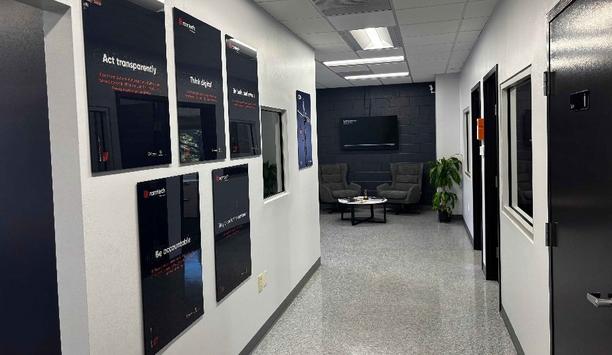
Pioneer wireless fire safety solutions provider Ramtech has established its first international base, opening a new U.S. office in Charlotte, North Carolina. The move reinforces the company’s commitment to delivering modern fire and safety across the construction industry and establishing a full U.S. supply chain. By establishing a permanent presence on the Atlantic coast, Ramtech, which is headquartered in Nottingham, will enhance efficiency, mobilisation and reliable delivery of safety...
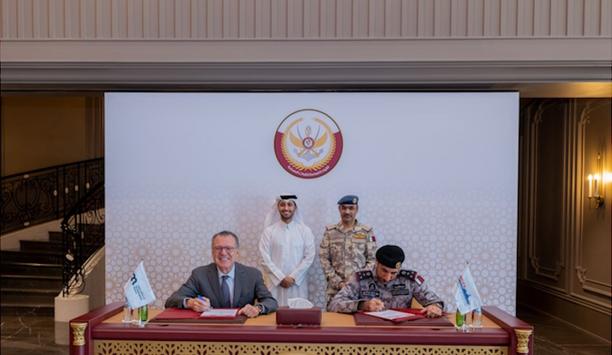
The Organising Committee of the Doha International Maritime Defence Exhibition and Conference (DIMDEX 2026) has signed an agreement with Al Abdulghani Motors, appointing the company as the “Platinum Sponsor” of the ninth edition of the event, scheduled to take place from 19–22 January 2026 at the Qatar National Convention Centre. The four-day event will be held under the esteemed patronage of His Highness Sheikh Tamim bin Hamad Al Thani, The Amir of the State of Qatar, Head of...

FLIR, global pioneer in high-performance marine thermal-imaging systems, is pleased to announce that the Ocean Scout Pro handheld thermal imaging camera, has been awarded top honours in the “Personal Equipment” category at the 2025 DAME Design Awards. The DAME Design Awards, held annually at Metstrade in Amsterdam, celebrate excellence in marine equipment design, innovation, and functionality. Winning in the category highlights the Ocean Scout Pro’s contribution to enhan...

The Organising Committee of the Doha International Maritime Defence Exhibition and Conference (DIMDEX 2026) has announced MBDA, a world pioneer in the field of complex weapon systems, as the Gold Sponsor for the ninth edition of the exhibition, taking place from 19 to 22 January 2026 at the Qatar National Convention Centre (QNCC). Held under the esteemed patronage of His Highness Sheikh Tamim bin Hamad Al Thani, the Amir of the State of Qatar, Head of State and Supreme Commander of Qatar Armed...
News

Iris Innovations, a world pioneer in specialised marine camera technology, has announced the launch of Photon, a compact ultra-low-light 4K night vision camera designed to make safe nighttime navigation accessible to every boater. Whether cruising after dusk, fishing before sunrise or patrolling remote coastlines, Photon delivers exceptional clarity and full-color imagery in near-total darkness – all without the need for infrared or thermal imaging. New benchmark for performance Unlike thermal cameras, which can struggle in low thermal contrast conditions, Photon excels in real-world environments, maintaining exceptional visibility and situational awareness. With an incredible minimum illumination of just 0.0003 lux (extremely high sensitivity to low light), the camera captures detailed, full-color video even under starlight conditions. Combined with best-in-class ultra-high-definition 4K resolution and a highly competitive price tag, Photon sets a new benchmark for performance and value in marine imaging. Cost of thermal and other night vision cameras “Photon is for anyone who wants to navigate with confidence after dark and can be used on any vessel: from leisure and sports fishing boats to yachts, commercial operators and law enforcement patrol craft,” said Carl Hitchcock, CEO of Iris Innovations. “It delivers extraordinary low-light performance at a fraction of the cost of thermal and other night vision cameras, and because it’s 4K, the detail and definition are outstanding. We’ve designed it to work seamlessly with pioneering marine electronics systems, so it’s ready for any boat.” Power over Ethernet (PoE) connectivity Built for the demands of the marine environment, Photon is fully EN60945 EMC compliant and rated to IP67, ensuring long-lasting performance in saltwater and harsh weather. Power over Ethernet (PoE) connectivity simplifies installation, while an included rugged, waterproof PoE injector makes setup quick and reliable. Compatible with major navigation systems, including Raymarine, Navico (Simrad, B&G and Lowrance), Furuno and Garmin (via Iris’s CMAC management system and IrisControl App for Garmin OneHelm), Photon integrates effortlessly into modern helm displays. Marine and commercial applications “We’ve always focused on designing rugged, purpose-built cameras for demanding marine and commercial applications,” added Hitchcock. “With Photon, we’ve taken that expertise and combined it with cutting-edge low-light and 4K processing technology to deliver a camera that performs brilliantly at a price point that puts it within reach for all boat owners and operators.” Photon camera at METSTRADE 2025 Iris Innovations will be launching its Photon camera at METSTRADE 2025 in Amsterdam this November. Retailing at just $1295.00, Photon will be available worldwide through Iris Innovations’ global dealer network from the end of November and is available with a standard 12mm lens for viewing at distance, and a 2.8mm super wide-angle lens option for rear view, side view and backup applications.

ACR Electronics, the pioneering provider of safety and survival equipment, is launching its latest innovation in maritime safety technology – the Pathfinder AIS SART (Search and Rescue Transmitter). Debuting at METSTRADE, the new AIS SART builds upon the success of its predecessor, the ACR Pathfinder Pro, combining proven reliability with cutting-edge AIS (Automatic Identification System) technology to advance search and rescue efforts at sea. IMO SOLAS regulations The ACR Pathfinder Pro has long been trusted by mariners worldwide for its compliance with IMO SOLAS regulations and its ability to significantly enhance search and rescue operations. With its 12 intense blips returned to radar screens upon interrogation, superior lithium battery life, and versatile mounting options, the Pathfinder Pro has been a staple for vessels requiring GMDSS compliance. New level of maritime safety Now, with the introduction of AIS functionality, the Pathfinder AIS SART offers a new level of maritime safety. Unlike traditional radar signals, the Pathfinder AIS provides increased visibility, with its distress signals received and displayed on any AIS-receivers installed on nearby ships, SAR vessels, and aircraft. The AIS signals can also be picked up by AIS-equipped vessels and shore stations over a longer range. Improves situational awareness and coordination This next-generation SART, which utilises GPS technology, can precisely transmit the vessel’s location and status, and provide more accurate positioning information. This real-time data exchange greatly improves situational awareness and coordination among rescuers, it allows vessel tracking to prevent collisions, and expedites response times to increase the likelihood of a swift and successful rescue, even in remote or less-trafficked areas. Advancement in maritime safety “Utilising precise AIS technology in our new GMDSS SARTs represents another pivotal advancement in maritime safety,” said Mikele D’Arcangelo, Vice President of Global Marketing and Product Management, ACR Electronics. “We are leveraging these great AIS capabilities to empower mariners, giving them enhanced visibility and communication during emergencies. Ultimately, helping to save more lives at sea." “ACR Electronics remains committed to providing the highest standard of safety equipment for the maritime industry, and the launch of the AIS-SART reaffirms this commitment.” New AIS version of the Pathfinder In addition to its AIS functionality, the Pathfinder AIS also provides users with Near-Field Communications, or NFC capabilities, which allows for use with the ACR mobile App to view self-test, programming and beacon performance metrics. The new AIS version of the Pathfinder retains all the features that have made the Pathfinder Pro a trusted companion for mariners, including its rugged design, long battery life, and versatile mounting options. New Pathfinder AIS SART The ACR Pathfinder AIS is designed to help search and rescue services quickly locate a life raft in the event of a rescue at sea. The AIS SART can either be stowed in a life raft or mounted next to emergency exits and then carried to the life raft in an emergency. ACR will continue to manufacture the Pathfinder Pro Radar SART alongside the new Pathfinder AIS SART, providing customers with the technology options they trust to keep them compliant and safe at sea.

The Organising Committee of the Doha International Maritime Defence Exhibition and Conference (DIMDEX 2026) has announced Fincantieri, one of the world’s pioneering shipbuilding groups, as the Diamond Sponsor for the ninth edition of the show scheduled to take place from 19 to 22 January 2026 at the Qatar National Convention Centre (QNCC). The four-day event is held under the esteemed patronage of His Highness Sheikh Tamim bin Hamad Al Thani, Head of State and Supreme Commander of Qatar Armed Forces, and hosted and organised by the Qatar Armed Forces. Latest technological advancements DIMDEX is positioned as a premier platform for expertise and commercial exchange among pioneering defence companies, international investors, and key decision-makers. It offers participants exclusive access to the latest technological advancements, next-generation defence systems, and state-of-the-art maritime equipment, enabling them to assess innovations that are shaping the future of global security and defence. Beyond serving as a gateway to advanced solutions in the maritime defence sector, the event will not only highlight Qatar’s pivotal role in advancing global defence cooperation, but also create an environment that stimulates investment, innovation, and long-term partnerships across the sector. Critical security challenges In addition, DIMDEX 2026 is recognised as a comprehensive forum that fosters high-level discussions and strategic dialogue on critical security challenges arising in an increasingly complex global landscape. The signing ceremony was held at the Ministry of Defence in the presence of HE Lt Gen (Pilot) Jassim bin Mohammed Al Mannai, Chief of Staff of Qatar Armed Forces, and high representatives from the two parties, including Mr. Aldo Zizzo, Qatar Country Manager at Fincantieri. The agreement was signed by Staff Brigadier (Sea) Abdulbaqi Saleh Al-Ansari, Chairman of the DIMDEX Organising Committee and Mr. Mauro Manzini - SVP Director Sales Naval Vessel at Fincantieri. Investment in advanced technologies HE Lt Gen (Pilot) Jassim bin Mohammed Al Mannai, Chief of Staff of Qatar Armed Forces, said: “In an era defined by rapid change and technological advancement, Qatar remains steadfast in its commitment to shaping the defence and security landscape of tomorrow with foresight and determination." "The challenges of the future call for relentless innovation and adaptability, and through sustained investment in advanced technologies, the exchange of knowledge, and strategic cooperation with our international partners, we aim to strengthen collective capabilities and enhance global stability. Our vision is to help build a safer, more resilient world defined by economic growth, progress and peace.” Future naval advancements Staff Brigadier (Sea) Abdulbaqi Saleh Al-Ansari, Chairman of the DIMDEX Organising Committee, said: "We are thrilled to once again welcome Fincantieri as our Diamond Sponsor for DIMDEX 2026, a partnership that truly elevates the exhibition's stature." "Their consistent support and participation are a testament to the exhibition's growing significance as a premier platform for maritime defence and security, embodying a shared vision for advancing global maritime capabilities." "Fincantieri's global leadership in naval shipbuilding brings invaluable expertise and innovation to DIMDEX, further enriching the experience for all attendees and contributing significantly to the dialogue on future naval advancements.” Evolving geopolitical dynamics and emerging challenges Pierroberto Folgiero, CEO and Managing Director of Fincantieri, stated: “We are honoured to renew our participation in DIMDEX as a Diamond Sponsor, reaffirming our commitment to supporting one of the most prestigious events in the global defence and security landscape." "In a time marked by evolving geopolitical dynamics and emerging challenges, DIMDEX stands out as a vital platform for fostering dialogue, building strategic partnerships, and promoting innovation across the maritime domain and beyond." Resilient and forward-looking defence ecosystem Folgiero added: "Fincantieri’s longstanding collaboration with the Qatar Emiri Naval Forces remains one of our most significant international engagements, rooted in shared objectives and mutual trust. The naval construction programme and the local after-sales infrastructure we have developed in Qatar are tangible expressions of this partnership, reflecting a common vision for technological excellence and operational capability." "By actively contributing to DIMDEX 2026, we continue to play a key role in shaping a resilient and forward-looking defence ecosystem, while strengthening our ties with the State of Qatar and the broader international community”. Deep commitment to supporting maritime security Fincantieri has delivered a total of seven state-of-the-art naval vessels to the Qatar Emiri Naval Forces, supported by comprehensive In-Service Support, Integrated Logistic Support, and Industrial and operative training programmes for the crew. This enduring partnership reflects Fincantieri’s commitment to long-term collaboration and operational excellence and stands as a cornerstone of its strategic presence in the region. Fincantieri’s continued sponsorship underscores its deep commitment to supporting global maritime security, fostering technological advancements, and strengthening strategic partnerships within the region. As a global pioneer in the design and construction of high-tech naval vessels, Fincantieri, now a sponsor of the previous four editions, will showcase its cutting-edge capabilities and innovative solutions tailored to meet the evolving demands of modern navies. Maritime defence and security landscape With over 230 years of history and more than 7,000 ships built, Fincantieri is a pioneer in the construction of cruise ships, naval and offshore vessels, and stands out for its extensive experience in the development of underwater solutions, thanks to its integrated industrial structure capable of managing and coordinating all activities related to the commercial, defence, and dual-use sectors. From the very beginning, DIMDEX has played a pivotal role in shaping the global maritime defence and security landscape. The show continues its mission to provide a premier platform for showcasing cutting-edge technologies and fostering strategic dialogues essential for bolstering security and defence at both national and international levels.

Accelleron has signed an agreement with Hyundai Marine Solution (HMS), the aftermarket and digital division of shipbuilder HD Hyundai Group, to enter a strategic cooperation on digital solutions. Two Accelleron solutions will cover engine and turbocharger monitoring and optimisation. Under the partnership, the companies will seek closer integration and further efficiencies across digital tools. These include HD Hyundai Marine Solution's ship management system, Integrated Smart Ship Solution ISS 2.0 and AI-based emissions monitoring solution OceanWise, and Accelleron’s engine performance optimisation solution LOREKA360° Tekomar XPERT Engine and monitoring tool Turbo Insights. Accelleron’s advanced digital analytics solution Accelleron currently delivers LOREKA360° Tekomar XPERT Engine to around 100 vessels in HMS’s customer pool. Further licences for HHI vessels – including those already in service and those to be built – will be issued on Accelleron’s behalf by HMS, with the number expected to reach around 500 vessels in the near future. The solution assesses engine performance and delivers related advisory instantly on board the vessel. Turbo Insights is Accelleron’s advanced digital analytics solution designed to transform raw operational data into actionable intelligence from the moment a turbocharger is installed. It enables shipowners and operators to verify performance during shop tests, sea trials, and throughout the warranty period and beyond. It can support sustainability goals and cost reduction efforts while enabling seamless integration with digital services such as LOREKA360° Tekomar XPERT Engine. AI-based vessel performance Hyundai’s ISS 2.0 is a state-of-the-art ship management system that collects real-time data from key onboard devices to provide analysis services as well as optimal navigation services. OceanWise is an AI-based vessel performance model that expands to emissions analysis and route optimisation, leveraging operational voyage data without the need for onboard hardware. Delivery of Accelleron solutions Accelleron Global Head of Sales and Operations, Digital Solutions, Shailesh Shirsekar, said: “With a customer pool comprising vessels built by one of the world’s pioneering shipbuilders, HMS is a strong partner in the delivery of Accelleron solutions. Working together, we will enable ship operators to make the most of both platforms, driving efficiency and cost improvements.” Bong-jun Choi, Head of HD Hyundai Marine Solution’s Digital Technology Centre, said: "Through this partnership, we will help ship owners and operators achieve a new level of operational efficiency not only for ships built at HD Hyundai but also ships in operation. We are confident that our strategic cooperation with Accelleron will create new opportunities for our customers."

The Organising Committee of the Doha International Maritime Defence Exhibition and Conference (DIMDEX 2026) has announced that EDGE, one of the world’s pioneering advanced technology groups, will be the Main Sponsor of the ninth edition of the event, set to take place from 19 to 22 January 2026 at the Qatar National Convention Centre (QNCC). Held over four days, DIMDEX 2026 takes place under the esteemed patronage of His Highness Sheikh Tamim bin Hamad Al Thani, Amir of the State of Qatar, Head of State and Supreme Commander of Qatar Armed Forces, and is hosted and organised by the Qatar Armed Forces, under the theme: “A Global Hub for Defence Innovations: Invest in Possibilities to Shape a Secure Tomorrow.” Participating for the first time in Qatar’s flagship international defence and security exhibition, EDGE’s sponsorship underscores the growing global interest in DIMDEX, which has evolved into a premier international platform for exhibitors to showcase the latest technological breakthroughs, cutting-edge defence systems, and state-of-the-art maritime equipment. Signing ceremony The partnership further enhances opportunities for commercial exchange, industry collaboration, and international investment. The signing ceremony was held at the Ministry of Defence in the presence of HE Lt Gen (Pilot) Jassim bin Mohammed Al Mannai, Chief of Staff of Qatar Armed Forces and Rashed AlHashmi, Sr. Manager, Executive Office and Special Projects at Office of the MD and CEO of EDGE. The agreement was inked by Staff Brigadier (Sea) Abdulbaqi Saleh Al-Ansari, Chairman of the DIMDEX Organising Committee, and Salma AlMansoori, SVP of Marketing and Communications at EDGE. Close collaboration with neighbouring nations HE Lt Gen (Pilot) Jassim bin Mohammed Al Mannai, Chief of Staff of Qatar Armed Forces stated: “Through close collaboration with neighbouring nations and regional stakeholders, we strive to anticipate emerging challenges and deploy advanced solutions, building a resilient and secure future grounded in collective progress.” “Strengthening security and stability across the region requires fostering robust partnerships, enhancing our capabilities, and leveraging shared expertise to address evolving defence and security needs effectively.” Strong global reputation Commenting on the announcement, Staff Brigadier (Sea) Abdulbaqi Saleh Al-Ansari, Chairman of the DIMDEX Organising Committee, said: “We are delighted to welcome EDGE as the Main Sponsor of the ninth edition of DIMDEX, in addition to being an exhibitor in the event.” “With its strong global reputation as a leader in advanced defence-related technology, DIMDEX offers the ideal platform for EDGE to showcase its innovations to an international audience, opening new avenues to expand its global presence and business opportunities, while also strengthening the region’s capabilities to meet evolving defence and security challenges.” “We look forward to a successful collaboration with EDGE and to witnessing the positive impact of their participation at this edition of DIMDEX.” Advanced defence and maritime technologies Hamad Al Marar, Managing Director and CEO, EDGE, said: “EDGE joins DIMDEX 2026 as the Main Sponsor for the first time, demonstrating the scale of our ambition and our determination to lead in advanced defence and maritime technologies.” “This debut highlights the strength of our portfolio, the value we place in regional and global collaboration, and our focus on delivering solutions designed for export.” Launched in 2019 in the UAE, EDGE is one of the world’s pioneering advanced technology groups, established to develop agile, bold and disruptive solutions for defence and beyond. 4IR technologies Focusing on harnessing Fourth Industrial Revolution (4IR) technologies, EDGE is advancing sovereign capabilities for global export and national security. Working with customers and international partners, EDGE’s portfolio of highly competitive solutions includes next-generation land and naval systems, autonomous capabilities, smart weapons, propulsion systems, and advanced electronic warfare solutions. DIMDEX The Doha International Maritime Defence Exhibition and Conference (DIMDEX) has grown into a premier international event on the global maritime defence and security calendar. Beyond its role as an exhibition, it serves as a strategic platform for showcasing innovation, forging partnerships, and facilitating high-level dialogue vital to strengthening defence cooperation at both national and international levels. By promoting investment, innovation and sustainable collaboration, DIMDEX continues to underline Qatar’s pivotal role in advancing global security and shaping the future of maritime defence.

Teledyne Technologies Incorporated announced the successful completion of the acquisition of the TransponderTech business from Saab AB. The newly acquired business - Teledyne FLIR TransponderTech AB will join Teledyne’s Raymarine, FLIR Marine, ChartWorld and Teledyne CARIS brands, broadening the group’s maritime technology solutions. Maritime communication solutions Based outside of Linköping Sweden, the company will market its products and solutions as FLIR TransponderTech. The brand will continue to innovate and deliver major Automatic Identification System (AIS), VHF Data Exchange System (VDES), and Global Navigation Satellite System (GNSS) technologies. Going forward, FLIR TransponderTech will be well-positioned to continue to pioneer maritime communication solutions for civil and military customers in shipping, marine traffic, airborne and space segments. FLIR TransponderTech’s communications “We are delighted to welcome the TransponderTech team to the Teledyne family,” said George Bobb, President and Chief Executive Officer. He adds, “From complete autonomous underwater vehicles to products and services for large Safety of Life at Sea (SOLAS) class vessels, maritime instrumentation and software for imaging, navigation, and safety are core markets for Teledyne. FLIR TransponderTech’s communications and navigation solutions are highly complementary and further expand FLIR Marine’s portfolio of industrial, military, and airborne technologies.”

Expert commentary

The global maritime surveillance market is projected to grow from $21.9 billion in 2023 to $ 42.7 billion by 2033. This growth is being driven by increasing global trade, maritime security concerns, and the adoption of advanced surveillance technologies such as radars, drones, and satellite monitoring systems. Moreover, the global shipping industry is now on the frontlines of a new kind of conflict — one defined by economic coercion, shadow fleets, and contested logistics – a durable competition where adversaries seek control and influence over global supply chains. As tariff regimes expand and national security policies increasingly target commercial vessels, maritime operators are being forced to navigate a risk environment shaped more by geopolitics than wind and weather. Infrastructure of global trade Trade disruptions are no longer accidental by products of diplomacy — they are deliberate policy levers. Tariff escalation between the U.S. and China, sanctions on Russian oil, and Houthi attacks in the Red Sea are not isolated threats; they signal a new normal in which governments treat the shipping industry as a tactical asset. From China's military-civil fusion shipbuilding policies to LOGINK, its state-run maritime surveillance network, the very infrastructure of global trade is becoming entangled in nation-state agendas. Contested logistics: Struggle for global economic stability The current maritime threat landscape involving contested logistics contains strategic positioning The current maritime threat landscape involving contested logistics encompasses strategic positioning across critical chokepoints and infrastructure. The statistics are sobering: major shipping companies reported traffic through the Suez Canal dropped by 66% as of September 2024 due to Houthi attacks, with J.P. Morgan estimating shipping costs have surged significantly, particularly from Asia to Europe, nearly five-fold. Regional maritime security issues These developments illustrate how foundational industries, such as shipbuilding, semiconductors, and rare earth minerals, have become battlegrounds in a broader geopolitical struggle where a cascade of effects have the potential to destroy economies. For example, a military blockade of Taiwan — where Taiwan Semiconductor Manufacturing Corporation operates — would impact every company dependent on advanced semiconductors. This interconnectedness means that what may, on the surface, appear to be regional maritime security issues, can be much more — the potential for global economic disruption across multiple industries. Monitoring of Arctic fleet movements Shadow fleets operated by sanctioned states rely on tactics such as false flagging, frequent ownership changes New threat vectors are coming into focus as the seas expand. As the polar ice caps melt, new Arctic shipping lanes are opening, with a large portion of traffic driven by Russian vessels. These routes present unique surveillance challenges due to their remote nature and the limited presence of traditional maritime enforcement bodies. Monitoring of Arctic fleet movements and infrastructure developments is essential for maintaining security in this emerging corridor. Concerns about dual-use capabilities and strategic readiness Shadow fleets, illicit networks, and military-grade commercial vessels represent real risks, posing challenges in the areas of regulatory compliance, insurance viability, and operational safety. Shadow fleets operated by sanctioned states rely on tactics such as false flagging, frequent ownership changes, and manipulations of the Automatic Identification System (AIS). By turning off transponders, spoofing locations, or falsifying data, these vessels can effectively vanish from traditional tracking systems. This disappearance makes ships harder for authorities to trace and easier for adversaries to exploit for sanctions evasions and/or covert logistics. China's commercial fleets increasingly mirror military standards, raising concerns about dual-use capabilities and strategic readiness under the guise of trade. The need for a new risk framework To navigate this new threat landscape on the high seas, organisations must adopt a new kind of visibility For logistics and shipping pioneers, these implications are profound. This is no longer about simply avoiding sanctioned cargo — it's about forecasting how governments will act and how quickly those actions can alter operations. Vessels may be commandeered, sanctioned, or rerouted without warning. Insurance may evaporate. Contracts may become liabilities. To navigate this new threat landscape on the high seas, organisations must adopt a new kind of visibility — one that models the cascading effects of tariffs, military requisition policies, and enforcement shifts. This is where Open-Source Intelligence (OSINT) becomes indispensable. Real-time context on geopolitical risks OSINT draws from publicly available data -- including satellite imagery, port registries, and social media — to provide real-time context on geopolitical risks. It can be used to track vessel flagging and ownership changes, monitor transshipment hubs, and surface anomalies in crew rosters and employment histories — indicators often tied to sanctions evasion or illicit activity. AIS anomaly detection reveals when ships "go dark." Satellite imagery exposes vessels operating without transponders. Tracking shifts in vessels' flagging or changes in crew manifests can signal risk before it hits operations. Early indicators of disruption OSINT supports risk modelling by revealing trends like flag-of-convenience usage, secondary insurance For insurers and regulators, OSINT supports risk modelling by revealing trends such as flag-of-convenience usage, secondary insurance underwriting in high-risk zones, and affiliations with known bad actors. OSINT doesn't just enhance compliance — it enables foresight, empowering industry players to anticipate when and where governments will act. Now, tariff announcements, sanction designations, and strategic military exercises are not isolated datapoints — they're potentially early indicators of disruption. Maritime situational awareness is a business imperative The age of separating business risk from political risk is over. Global shipping is now a domain of contested logistics where the rules can change as fast as a sanctions update or new enforcement directive. Companies that integrate OSINT into their operational planning gain the ability to model and mitigate threats proactively. Those that don't may find themselves caught in the wake of potential financial, operational, and reputational harm. The shipping industry needs access to the same kind of threat modelling governments use to act. In an era of growing complexity, the role of OSINT in securing global shipping networks cannot be overstated.
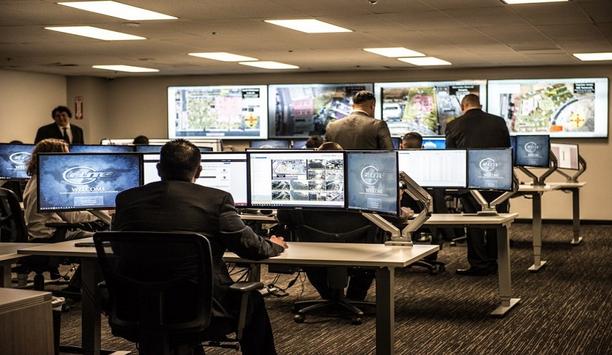
The average business owner or investor has some kind of security precaution in place, especially in the after-hours when there are fewer deterrents to inhibit criminal activity. Security guards, video surveillance systems, motion sensor lights, or even just fake cameras placed around the property are some of the common options people choose. Future of overnight security Smart business owners are starting to realise, however, that some of these traditional security measures are becoming antiquated and no longer cutting. The now and future of overnight security is in remote guarding. Pioneered by companies like Los Angeles-based Elite Interactive Solutions, which was founded back in 2007, remote guarding is revolutionising the overnight security business. Minimising criminal activity Remote guarding is fast becoming the most popular choice among commercial end-user property owners Remote guarding utilises a combination of cutting-edge technology, “digital guards,” highly trained security agents, and local law enforcement if and when necessary to minimise the potential of criminal activity. For those adequately enlightened to its overwhelmingly impressive crime prevention capabilities, remote guarding is fast becoming the most popular choice among commercial end-user property owners to secure and protect their investments. What Is remote guarding? Remote guarding is a revolutionary concept and increasing trend in security systems that utilises a combination of methods to effectively analyse potential threats to property. Cameras and/or other monitoring devices running highly advanced algorithmic software are installed in strategic areas or vulnerable places onsite and remotely located security agents are immediately notified of any activity within a designated perimeter of the property. A blend of AI, cybersecurity, and video analytics When properly deployed by an expert provider, the technology stack includes a proprietary blend of video analytics, artificial intelligence, cybersecurity, and more. Done right, “noise” is effectively filtered out, allowing agents to act on legitimate alerts and achieve zero false alarms communicated to first responders. Today, there are a lot of terms and descriptions tossed around about remote guarding, remote video, virtual guarding, etc., but those attributes must be present to represent the true definition of the offering and its many virtues. Realtime situational awareness Many systems have a two-way speaker that allows the security agent to give a verbal warning When specially trained security agents are alerted to trespassers, possible intruders, or other suspicious activity, they analyse the situation in real-time and determine the necessary level of action. Many systems have a two-way speaker that allows the security agent to give a verbal warning, known as a voice-down, to the individual(s) that they are being watched. Most perpetrators, often believing the response is emanating directly from security personnel on the property itself rather than from a remote command centre, flee immediately. However, if the threat persists, the security agent enlists local law enforcement to get on the scene. Customised remote guarding When properly deployed, remote guarding systems are also customised to specific properties. A team of consultants visits the client’s property to evaluate its vulnerabilities and where to best place cameras and/or other monitoring devices for system efficacy. Traditional security shortfalls According to Keith Bushey, a retired commander for the Los Angeles Police Department, there is much frustration between law enforcement officers and potential victims of crime due to the historically unreliable performance of traditional burglar alarm systems and central monitoring stations. He states about 90% of security-related calls are false alarms, a problem that has been well-documented through the years. Onsite challenges When a legitimate emergency does occur, the perpetrators have often already done their damage When a legitimate emergency does occur, the perpetrators have often already done their damage and/or escaped by the time law enforcement arrives. Onsite security guards are not the remedy either as they bring their own set of issues and challenges. Unexpected costs Traditional security systems can also have unexpected costs. The cost is not only in the security guards’ paycheck or the cost of the equipment itself. The cost comes when an actual incident occurs. In worst-case scenarios, the security guard(s) are injured, the business suffers inventory loss, and/or damage is sustained to the property. The medical and other costs for the security guard(s), the loss of inventory, property damage, deployment of law enforcement resources, and possible fallout of legal expenses all add up. Even in the best-case scenario, false alarm expenses incur if law enforcement is dispatched. These, among many others, are some of the primary issues that remote guarding resoundingly answers as a superior alternative. A bounty of benefits Remote guarding systems have been proven to cut costs and be more effective than traditional security systems. Even though the monthly monitoring costs of remote guarding are significantly higher than traditional intrusion detection system monitoring, the much higher effectiveness in crime reduction, elimination of false alarms, and augmenting or replacement of manned guards result in a substantially higher return on investment (ROI) to the end user. Easy tracking of threats The security cameras already have their image captured on record, making them easier to track down For example, case studies have demonstrated reduced security costs for clients by 60%, on average. These reductions have come from the costs of security staff, inventory, or property loss, plus saving money on insurance premiums and deductibles. The nature of remote guarding reduces the risk and costs of false alarms, with professional security agents able to determine an actual threat before law enforcement is called. In a rare instance when a perpetrator escapes before law enforcement arrives or can detain the individual(s), the security cameras already have their image captured on record, making them easier to track down and identify. Reduction of false alarms The significant reduction in false alarms is greatly appreciated by law enforcement, as it allows them to focus on real emergencies or crises. Better relationships are also developed between clients and law enforcement, as remote guarding systems are highly reliable in providing accurate and real-time information to officers as they approach the scene. In short, it assists law enforcement in doing their job more effectively, as well as more safely thanks to having eyewitness information before engaging in an active crime scene. Partnership When you combine the decreased cost with the increased efficiency and success rate, it is easy to see why many commercial end-user property owners across the country are making the shift to remote guarding. It’s also an outstanding opportunity for professional security dealers and integrators to partner with a remote guarding services provider to bring a superior solution to their end customers and pick up a recurring monthly revenue stream in the process.

It’s no secret that the data security sector is constantly changing. It has an annual CGR of about 12.3%. Future trends in data security Much of this has to do with the rise of cybercrime in recent years, with reports showing that cyberattacks happen as often as every 39 seconds. To combat the growing rate of cybercrime, data security has been on the rise. As we journey further into this era, it becomes evident that a spectrum of significant trends is molding the future of data security. This exploration delves into a selection of these trends, unraveling their importance and the potential implications they carry 1. AI security tools will increase Artificial Intelligence is also being used in the development of smart attacks and malware The introduction of Artificial Intelligence in the data security industry brought significant changes, especially in cybersecurity. AI has been the golden standard for face detection, natural language processing, automated threat detection, and automated security systems. Additionally, Artificial Intelligence is also being used in the development of smart attacks and malware, bypassing even the latest security protocols in data control. And as time progresses, AI security tools will flourish and dominate the scene. Let’s take a more in-depth look at three of the top AI security tools. Targeted attack analysis tool Manufacturers utilise targeted attack analysis tools to uncover targeted and stealthy attacks. Artificial Intelligence can be applied to the program’s capabilities, processes, and knowledge. For instance, Symantec launched this tool to combat the Dragon 2.0 attack in 2022. The phishing attack reprimanded multiple energy companies while trying to gain access to their operational networks. Targeted Attack Analysis Tools can analyse incidents and look for similarities from previous situations. They also help detect suspicious activities and collect all the necessary data to determine whether a specific action is malicious. Intercept X tool Results from the Intercept X Tool feature high accuracy and a low false positive rate Sophos, a British security hardware and software company, launched the Intercept X Tool. It engages a neural network that records and analyses data like a human brain. Sophos’ Intercept X Tool can extract features from a single file and perform a deep analysis. It detects malicious activities within 20 milliseconds. Plus, it’s also trained to work on bi-directional sharing and real-world feedback of threat intelligence. Results from the Intercept X Tool feature high accuracy and a low false positive rate. IBM Watson Technology IBM’s QRadar Advisor uses IBM Watson Technology, a unique AI tool for fighting cyber attacks. Artificial Intelligence can auto-investigate activities and indicators for potential exploitation or compromise. With cognitive reasoning, IBM Watson Technology can present critical insights to accelerate the response cycle. Security analysts can utilise this technology to search for threat incidents, reducing the risk of letting them fly under the radar. 2. Blockchain as a security solution It guarantees no points of failure or hackable entrances that can expose datasets inside the system Blockchain is a type of distributed ledger technology (DLT) that aims to establish trust within an untrusting ecosystem. Today it’s one of the most robust cybersecurity technologies in the industry. Blockchain utilises a decentralised ledger system, but your team members can still gain access to transparent information in the cloud. Members can also record, pass along, and view necessary transactional data in the blockchain. The entire blockchain process maintains data integrity within the system while establishing trust among team members. It guarantees no points of failure or hackable entrances that can expose datasets inside the system. Cybersecurity, biometrics Cybersecurity primarily benefits from these features because blockchain can create a secure and robust wall between data and hackers. On top of that, blockchain ledgers can include biometrics like fingerprints and retina scans. These prevent hackers from accessing any private data. Because blockchain is decentralised, it also limits hackable data. Together with the technology’s record-keeping system, each node is provided insight into data manipulation exposing real-time cybercrime attempts. 3. Increased and widened access control Without access control, expect your company to be open to security issues, including theft, data loss, and breach of data Access control is critical in data security. More than a valuable security tool, business leaders can use access control to regulate people accessing any given resource. A company with an IT security setting can control who has the liberty to edit certain files. One of the primary goals of access control is to minimise threats or attacks to organisations and businesses to keep people and data secure. Without access control, expect your company to be open to security issues, including theft, data loss, and breach of data protection laws. Benefits The benefits of increased and widened access control include: Identifying who can access and control your data at specific time intervals. Protecting data from overwriting, accidental deletion, and malicious intent. User permissions that can be readily changed. Compliance and regulation with data privacy laws. Central management of access to data through a reporting portal or a dashboard. Multi-factor authentication Access control comes in various types and systems, so it’s critical to know the features of what you’re looking for. The most common type is multi-factor authentication or MFA. It involves multiple steps before logging in, requiring the user to enter other relevant information besides the password. Some other examples of information include biometrics, answering a security question, or entering a code sent to the user’s email address. Two-factor authentication, role-based access control Two-factor authentication further prevents unauthorised entries that can result in unnecessary data possession Two-factor authentication further prevents unauthorised entries that can result in unnecessary data possession. Another type of access control is role-based access control. In this setup, only one individual can set up access guidelines and grant permissions to specific team members within an organisation. 4. Greater use of the zero-trust security model The zero-trust security model is a framework that requires every user within and outside the organisation to undergo authentication, authorisation, and validation. These are all essential to ensure proper security configuration before access is granted to the company’s applications and data. A zero-trust model assumes that anyone can cause data breaches and that a traditional network edge is not taken into effect. Moreover, it addresses the following modern-day challenges: Hybrid cloud environments. Security of remote workers. Ransomware threats. This framework utilises the combination of multiple advanced technologies, including: A risk-based multi-factor authentication. Endpoint security. Identity protection. Cloud workload technology. The zero-trust model uses all these innovative tools for system identification, user verification, access consideration, and system security maintenance. Constant validation and monitoring Enforcing strict policies and compliance with data privacy laws are also essential Additionally, it also considers data encryption, email security, and asset verification before establishing connections with applications. The architecture of a zero-trust framework requires constant validation and monitoring of the users and the devices they are using. Enforcing strict policies and compliance with data privacy laws are also essential. More importantly, the zero trust architecture requires all organisations to be aware of all their available services and accounts to gain complete control of data handling and manipulation. 5. Increased privacy regulations Privacy regulations and policies guide organisations in proper data control, handling, and security. These policies guide organisations in proper data control, handling, and security. As a responsible business owner, you must comply with these regulations to avoid legal issues. With cybersecurity attacks becoming common, expect increased and stricter privacy regulations to be released in the next few years. While current policies are still taken into effect, various modifications and adjustments will occur to compete with the rising numbers of data breaches, thefts, data loss, and more. California Privacy Rights Act (CPRA) Currently, the California Privacy Rights Act (CPRA) is the most comprehensive legislation on state data privacy. It only started to take effect on January 1, 2023. The CPRA introduces the following principles: Broad individual consumer rights. Significant duties of people who need to collect sensitive and personal information. Additional definitions of data privacy and security. An individual’s duties include releasing information about data collection to concerned data subjects and proper access, correction, and deletion of information. Final thoughts 2023 is a big year for data security. Trends such as increased adoption of zero-trust policies, a greater reliance on AI security tools, and the implementation of blockchain as a security solution are all things we expect to see shortly. Staying up-to-date with these trends is important for keeping your business current and ensuring that you’re adhering to new and changing regulations. Doing so can give you an edge over the competition and keep you out of legal hot water.
Security beat

Fueled by mounting concerns about the cybersecurity vulnerability of U.S. ports, President Joe Biden has signed an Executive Order aimed at shoring up defences against cyberattacks. Cybersecurity initiative The cybersecurity initiative marks a significant shift in policy, empowering key agencies and outlining concrete actions to bolster defences. By empowering agencies, establishing clear standards, and fostering collaboration, the initiative aims to strengthen U.S. ports against the evolving threat of cyberattacks, safeguarding the nation's maritime economy and national security. Expanded authority for DHS The proactive approach aims to prevent incidents before they occur The Executive Order grants expanded authority to the Department of Homeland Security (DHS) and the Coast Guard to address maritime cyber threats. DHS gains the power to directly tackle these challenges, while the Coast Guard receives specific tools. The Coast Guard can compel vessels and waterfront facilities to address cyber vulnerabilities that endanger safety. The proactive approach aims to prevent incidents before they occur. Real-time information sharing Reporting any cyber threats or incidents targeting ports and harbors becomes mandatory. This real-time information sharing allows for swifter response and mitigation efforts. The Coast Guard also gains the authority to restrict the movement of vessels suspected of posing cyber threats. Inspections can be conducted on vessels and facilities deemed risky. Mandatory cybersecurity standards The standardisation aims to eliminate weak links in the chain and prevent attackers from exploiting Beyond these broad powers, the Executive Order establishes foundational elements for improved cybersecurity. Mandatory cybersecurity standards will be implemented for U.S. ports' networks and systems, ensuring a baseline level of protection across the board. This standardisation aims to eliminate weak links in the chain and prevent attackers from exploiting individual vulnerabilities. Importance of collaboration and transparency Furthermore, the initiative emphasises the importance of collaboration and information sharing. Mandatory reporting of cyber incidents fosters transparency and allows government agencies and private sector partners to work together in mitigating threats. Additionally, the Executive Order encourages increased information sharing among all stakeholders, facilitating a unified response to potential attacks. Maritime Security Directive The Executive Order encourages investment in research and development for innovative cybersecurity solutions To address specific concerns, the Coast Guard will issue a Maritime Security Directive targeting operators of Chinese-manufactured ship-to-shore cranes. This directive outlines risk management strategies to address identified vulnerabilities in these critical pieces of port infrastructure. The long-term success of this initiative hinges on effective implementation. The Executive Order encourages investment in research and development for innovative cybersecurity solutions, recognising the need for continuous improvement and adaptation to evolving threats. Recognising the urgency of cyber threats The initiative has been met with widespread support from port authorities, industry stakeholders, and cybersecurity experts who recognise the urgency of addressing cyber threats. However, some concerns exist regarding the potential burden of complying with new regulations for smaller port operators. Effective communication, resource allocation, and collaboration among all stakeholders will be crucial to ensure the successful implementation of this comprehensive plan. Enhancing cybersecurity The more impactful and noteworthy piece is the associated NPRM from the U.S. Coast Guard (USCG) “This Executive Order is a positive move that will give the U.S. Coast Guard (USCG) additional authority to enhance cybersecurity within the marine transportation system and respond to cyber incidents,” comments Josh Kolleda, practice director, transport at NCC Group, a cybersecurity consulting firm. The more impactful and noteworthy piece is the associated Notice of Proposed Rulemaking (NPRM) from the U.S. Coast Guard (USCG) on “Cybersecurity in the Marine Transportation System,” adds Kolleda. Portions of the notice of proposed rulemaking (NPRM) look similar to the Transportation Security Administration (TSA) Security Directive for the rail industry and the Emergency Amendment for the aviation industry. Coordinating with TSA on lessons learned The USCG should be coordinating with TSA on lessons learned and incorporating them into additional guidance to stakeholders and processes to review plans and overall compliance, says Kolleda. “At first glance, the NPRM provides a great roadmap to increase cybersecurity posture across the various stakeholders, but it underestimates the cost to private companies in meeting the requirements, particularly in areas such as penetration testing,” says Kolleda. Cyber espionage and threats The focus is on PRC because nearly 80% of cranes operated at U.S. ports are manufactured there “It is unclear if or how the federal government will provide support for compliance efforts. As this seems to be an unfunded mandate, many private companies will opt for the bare minimum in compliance.” “Cyber espionage and threats have been reported by the Director of National Intelligence from multiple nation-states including China, Russia, and Iran,” adds Paul Kingsbury, principal security consultant & North America Maritime Lead at NCC Group. The focus here is on the People’s Republic of China (PRC) because nearly 80% of cranes operated at U.S. ports are manufactured there, he says. Destructive malware “The state-sponsored cyber actors’ goal is to disrupt critical functions by deploying destructive malware resulting in disruption to the U.S. supply chain,” says Kingsbury. “These threat actors do not only originate in China or other nation-states but also include advanced persistent threats (APTs) operated by criminal syndicates seeking financial gain from such disruptions." "The threat actors don’t care where the crane was manufactured but rather seek targets with limited protections and defences. The minimum cyber security requirements outlined within the NPRM should be adopted by all crane operators and all cranes, regardless of where they are manufactured.” PRC-manufactured cranes Kingsbury adds, “The pioneering risk outlined in the briefing is that these cranes (PRC manufactured) are controlled, serviced, and programmed from remote locations in China." "While this is a valid concern and should be assessed, there are certainly instances where PRC-manufactured cranes do not have control systems manufactured in PRC. For example, there are situations in maritime transportation system facilities where older cranes have been retrofitted with control systems of European Union or Japanese origin.” Monitoring wireless threats “The Biden Administration’s recent Executive Order is a critical step forward in protecting U.S. ports from cyberattacks and securing America’s supply chains,” says Dr. Brett Walkenhorst, CTO at Bastille, a wireless threat intelligence technology company. “To ensure proper defence against malicious actors accessing port-side networks, attention must also be paid to common wireless vulnerabilities." "Attacks leveraging Wi-Fi, Bluetooth, and IoT protocols may be used to access authorised infrastructure including IT and OT systems. Monitoring such wireless threats is an important element in a comprehensive approach to upgrading the defences of our nation’s critical infrastructure.”

Well attended and generating levels of excitement not seen since before the pandemic, ISC West may provide just the shot of adrenaline we need to drive industry success through the uncertain economic times ahead. Buzzwords like artificial intelligence (AI) and the cloud were still prevalent at the conference and exhibition in Las Vegas, but the hype of yesteryear seemed more subdued. Rather than breakthroughs to be celebrated, AI and cloud were discussed more as ways systems can realise even greater potential. Rampant cybersecurity attacks Rather than hype, discussions seemed much more practical and down-to-earth, encompassing shifting customer needs and how to address pain points. There was more discussion of the shift of security from a cost center to a profit center, where industry technologies can contribute to an enterprise’s bottom line. More companies seemed to be vigorously addressing the challenges of cybersecurity More companies seemed to be vigorously addressing the challenges of cybersecurity, although perpetually an obstacle. The industry seems more devoted than ever to protecting physical security systems in an age of rampant cybersecurity attacks. But more than in years past, it was the ISC West event itself that generated the most buzz. The crowded aisles of the exhibition seemed both reminiscent of the pre-covid past and prescient of the industry’s even brighter future. From booth to booth and attendee to attendee, the enthusiasm was both conspicuous and contagious. Everybody was thinking: ‘Wow! What a show!’ Pushing technology to the edge “The practice of physical security is about more than understanding threats, and end users are thinking now about the bigger picture of security and how networks work in the broader context of the business,” said Andrew Elvish, Vice President, Marketing at Genetec. Problems of latency and miscommunication are elements pushing technology to the network edge, he says. For example, in an access control scenario, decision-making should be as close to the door as possible to avoid network congestion, delays, or failure. Andrew Elvish, Vice President, Marketing at Genetec, displays Axis network door controller ‘powered by Genetec’ Elements pushing technology Reflecting the philosophy is a new collaboration introduced at the show called ‘Axis Powered by Genetec,’ an enterprise-level access control offering that combines Genetec Synergis software with A1210 and A1610 network door controllers by Axis Communications. Elvish says lines are blurring when it comes to edge versus cloud technologies. Rather than choosing ‘either-or,’ a blending of approaches is optimum, always ensuring that “Decision-making is close to the point of actuation,” he says. On-premise versus cloud systems Elvish also points to changing assumptions about the industry roles of on-premise versus cloud systems Elvish also points to changing assumptions about the industry roles of on-premise versus cloud systems. Historically, the assumption was that on-premise systems are most appropriate for enterprise customers, while the cloud is the best approach for small- to medium businesses (SMBs). Depending on the end customer’s needs, a system can be either or both at the same time. Rather than debate cloud versus edge, customers should consider the outcomes they seek, and how technologies can be merged to provide those outcomes. “They should consider a solution where they do both, with the gradation of controls provided at their fingertips,” says Elvish. Combining security into one platform Unifying security and related functions on a single platform was a widely evident trend at ISC West. An example is Verkada which now offers a unified platform that includes video, access control, and intrusion detection, as well as other functions such as air quality sensors, visitor management, and a door intercom. David Tsang, Product Director of Verkada, predicts demand to combine technologies into a single platform will grow in the industry. Furthermore, as data is collected in the single system, enterprises will find new ways to ‘connect the dots’ to provide better business intelligence. Air quality sensors Verkada’s cloud-based system enables fast deployment of the single platform “Our approach to building products is based around the idea that every company has different needs, and they want technologies to integrate seamlessly and operate off the same platform,” says Tsang. In addition to seamless integration, each product must also be able to stand on its own. Tsang manages Verkada’s various product categories, including access control, air quality sensors, intercoms, etc. Verkada’s cloud-based system enables fast deployment of the single platform, and the company works with dealers to ensure delivery of a 'better partner experience.' What happens after a binge of acquisitions? Acre Security unveiled a new corporate ‘identity’ and a big booth highlighting the technology brands the company has acquired over the last several years. Brands such as Feenics, ACTMobile, Comnet, Razberi, and others reflect Acre’s acquisition of these companies but are now being promoted as technology choices under the ‘one Acre’ approach. Don Joos, CEO of Acre Security, looked ahead to the future of the company at ISC West Visitor management product categories Change is in the air, and the booth’s unified visual design signifies the new direction for the company, says Don Joos, Acre’s CEO. Various technologies can be delivered via the cloud, through an on-premise installation, or using a hybrid approach Acre is highlighting ACTMobile’s mustering capability, useful in the K-12 market In tying technologies together, the ACTMobile product will play a key role in two major verticals -- command-and-control and K-12 schools. Acre is highlighting ACTMobile’s mustering capability, useful in the K-12 market, which was adapted from a technology used in the cruise industry. The Acre approach is to embrace the variety of opportunities available in the access control, intrusion, and visitor management product categories within a broad definition of ‘security’ that embraces both core capabilities and ‘adjacencies,’ says Joos. Acre seeks to enable customers to protect people, facilities, and critical assets. They manage customers’ security data and provide the insights they need. Ensuring a cohesive security system A challenge in the industry is combining various single products into a cohesive whole. “There are many products that do one thing well, but it’s harder to build a cohesive security platform,” says Ryan Schonfeld, Founder and CEO of Hivewatch. Hivewatch is a software platform that performs the functions previously associated with a ‘PSIM,’ which is a physical security information management system. The term PSIM has earned a questionable reputation in the industry, plagued by added costs and the perpetual challenges of integrating with ever-changing software platforms. Information management system Hivewatch seeks to bypass other software systems and to integrate as closely as possible with devices Hivewatch seeks to bypass other software systems and to integrate as closely as possible with devices on the edge, thus avoiding the impact of software system changes. They integrate with data in a ‘different way’ that eliminates the need to conform to other software systems. In today’s climate, the term ‘security’ could be seen as limiting when it comes to the various functions our industry’s systems can perform in the broader enterprise, says Schonfeld. Traditional enterprise reporting structures that have physical security reporting to the facilities or real estate department are limiting the broader role security can play in the enterprise. Positioning physical security Changing norms are positioning physical security to report to the CIO or CISO, thus reflecting physical security’s role in collecting and analysing data. Higher visibility within the enterprise can help security expand its influence and impact. “Security is too limiting, and it can keep us from getting a seat at the table,” says Schonfeld. “We need to shift from being a cost center to generating revenue and/or driving business — and data is the key. Rather than leading by fear, we need to show the value security can drive.”
Case studies

Complex terrain, water proximity and wildlife are just some of the considerations that G4S Uganda had to account for when it recently took on a contract to secure a fish farm on the shores of Lake Victoria. The site in Buikwe is owned by Yalelo, one of the largest aquaculture companies in Sub-Saharan Africa, and produces 8,400 tonnes of tilapia fish annually. Plans are underway to scale this up to 30,000 tonnes. Logistical support structures G4S secures the entire production life cycle, covering assets both on land and in water. This includes fish hatchery systems, storage facilities, shops and logistical support structures, pond management areas, animal conservation zones and water access points. “The dual nature of the contract requires operational flexibility and demands a higher level of training, discipline and situational awareness,” says Fred Mugenyi, chief operating officer at G4S Uganda. “Our security officers must adapt to shoreline conditions, open water patrol coordination and more.” Safeguard biological production cycles “Critically, we are supporting a high value aquaculture investment. Our role is not just to prevent unauthorised access but to safeguard biological production cycles, protect specialised infrastructure and maintain environmental compliance standards.” The production cycle begins on land where fingerlings are bred and raised in hatches under controlled conditions. G4S monitors the hatchery facilities, cage preparation areas, feed storage and equipment zones, among other areas. Given the biological sensitivity of this environment, strict monitoring is required to prevent contamination. Structured access control Once matured, the fish are transferred into cages for further growth which are later positioned into the lake in designated zones for larger scale cultivation. “The farm is surrounded by marine life and submerged areas, making aquatic security both essential and technically demanding,” adds Fred. These cages require continuous monitoring to ensure protection against theft, unauthorised boat access and, again, environmental observation. Once harvesting from the cages is complete, the fish are transported to the processing facility where they are cleaned and prepared for distribution. Here, G4S is responsible for protection of the finished products, and monitoring load and dispatch procedures to prevent theft or tampering. With approximately 150 operational staff working within the farm daily, G4S also manages structured access control and crowd flow. Marine patrol orientation To address the risks of water-based operations, every security officer undergoes a swimming proficiency test, water safety training, marine patrol orientation and wildlife handling procedures. At night, when the risk is heightened, security officers will patrol the site via a boat. Fred says: “This synchronised land-water security model demonstrates G4S’s ability to manage multi-dimensional, high-risk environments. It’s a partnership grounded in trust and operational excellence.”

Cattewater Harbour in Plymouth is harnessing the power and performance of 360 Vision Technology’s Invictus cameras, to protect and secure operations across the challenging and changing conditions at the harbour’s extensive shoreline. The UK manufacturer of ruggedised HD, radar and thermal PTZ imaging cameras, was selected to provide their industry-pioneering camera technology after a comprehensive on-site evaluation. Civilian pleasure traffic Plymouth is the largest city on the southwest Peninsula and the port is also home to the largest naval base Located on the south coast of Devon, Plymouth is the largest city on the southwest Peninsula and the port is also home to the largest naval base in Western Europe. As well as civilian pleasure traffic from paddleboards to yachts, the Port of Plymouth handles a variety of cargo vessels through its commercial terminals at Cattedown Wharves, Victoria Wharf and Corporation Wharf. Freight includes liquid and dry bulk, as well as specialist project consignments for construction and heavy industry. Safe operation The Cattewater Harbour Commissioners are responsible for the smooth and safe running of the port. They are required to maintain and order safe navigation for all manner of craft, maintain and survey dredging channels, maintain navigation marks and lights, provide pilotage services and traffic regulation within the Cattewater Harbour and remainder of the civil port. At the port, nationally agreed standards for the safety of marine operations are required to be applied with a commitment to both local and international security measures, with the port’s own pilots boarding and guiding vessels with a 24/7 essential safety service - ensuring that all vessels over 50m complete their passage safely. Ensure the safety of navigation The harbour covers an wide coastline, with limits to the east of a line joining Mountbatten Breakwater The harbour covers an expansive coastline, with limits to the east of a line joining Mountbatten Breakwater to Fishers Nose, bounded by Sutton Lock Gates to the North, and Laira Bridge to the East. The Harbour Master’s role is to ensure the safety of navigation for all harbour users - whether military warships, cross-channel ferries, UAVs, underwater research vessels, small fishing boats, fuel tankers, large cargo ships, jet skis, or paddle boarders - and to take preventative measures to avoid incidents. “We are responsible for the safety of vessels, people and operations,” says Capt. Richard Allan, CEO & Harbour Master, PFSO (Port Facility Security Officer), Cattewater Harbour Commissioners. “We need to know what’s happening in the port at all times”. Effective surveillance coverage To achieve this, a camera system covering the port was deemed invaluable, with requirements for total coverage of the water and shoreline, combined with economy, performance and longevity of the camera equipment in the harsh seaport environment. The camera system covering the port was deemed invaluable, with a need for total coverage of the water To bring the project to fruition, Outersight (UK), a 'hands-on' consultancy dedicated to delivering innovative technical solutions were brought on board. Working with the Cattewater Harbour Commissioners and 360 Vision on previous projects for over ten years, and with experience working with universities, government departments, broadcasters, nature conservation bodies, natural heritage visitor centres, as well as port authorities-Cattewater Harbour Commissioners knew that Outersight (UK) were the people with the experience required for the project. Surveillance camera experience and technological expertise “We have worked with 360 Vision on many projects and have relied on the manufacturer’s surveillance camera experience and technological expertise before,” says Peter Barlow, Managing Director of Outersight (UK). “It was no different with this project. Right from the start, the team at 360 Vision helped us to demonstrate the advantages of using a network of their Invictus cameras at the port - primarily with an on-site demonstration to the port management team - so they could get real ‘eyes-on’ experience of the Invictus camera within the environment in which it would be used.” 360 Vision Invictus cameras Outersight team installed a network of 360 Vision Invictus cameras around the port to cover the water The Outersight (UK) team installed a network of 360 Vision Invictus cameras around the port to cover the water and shoreline, including cameras high on the marker light poles that signal the entrance to the port. “The camera locations were selected based on the most economical way to cover the area required,” continues Peter. “The flexibility of mounting options and visual performance of the Invictus cameras really paid dividends, allowing us to provide the port with the coverage they required, allied to the most economical cost." Brilliant zoom function of the Invictus cameras Peter added: “The fact that we have access to the navigation light towers which by default have a great view of the water, allied with the brilliant zoom function of the Invictus cameras means we do not need many cameras to cover a really large area." "By specifying really great cameras and optimising each camera position, we have managed to cover an extensive area with only a small amount of equipment - giving us great return on investment and the lowest possible running costs.” Access to the cameras to oversee operations The 360 Vision cameras cover the entire harbour area, including Cattewater Berths, Barbican Landing Stage, marina areas, slipways and the vast shoreline. They are located on navigation lights dotted around the estuary and on top of the harbour master’s building, with all having good open aspects to the water for maximum surveillance coverage. 360 Vision Invictus cameras feature 32x zoom and a 5-year guaranteed marine-grade paint Additionally, The Cattewater Harbour Master provides the Kings Harbour Master with access to the cameras to oversee operations in the MoD dockyard and Plymouth Sound. 360 Vision Invictus cameras feature 32x zoom and a 5-year guaranteed marine-grade paint – an essential attribute for use within the harbour’s corrosive saline environment. Additionally, several Invictus cameras with PoE option were used – greatly simplifying installation at the more remote reaches of the system. Image quality of the Invictus camera “The 32x zoom capability and stable image quality of the Invictus camera provides wide area coverage and excellent zoomed-in image results,” explains Peter. “This is especially advantageous to identify small vessels at distance – an essential requirement at the port.” “The Invictus camera has everything we need and at a very competitive price,” adds Richard. “It’s especially reliable in the harsh coastal environment, where we deal with a combination of sea salt, saline air and hot summer sun.” Network of Invictus cameras Surveillance system is recorded 24/7 and video footage can be accessed by the Harbour Master in the control room With essential marine environment features, such as viewing window wiper and low light capability, the network of Invictus cameras is capable of alerting the harbour management team to any operational, security or safety situation, allowing them to take action and suppress the situation before it escalates. The surveillance system is recorded 24/7 and video footage can be accessed by the Harbour Master in the control room and by mobile login by authorised duty personnel on site, via seamless integration with the Blue Iris VMS. Optical clarity and zoom capability Optical clarity and zoom capability of the camera network ensures instant visual confirmation, no matter what size of vessel or incident, with members of the harbour management team afforded remote access to the camera network via their phones for instant confirmation of incidents while on the ground or out on the water. The low power operation of the Invictus cameras also means lower running costs for the port, as certified by the camera’s Elexon charge code compliance for Unmetered Supply (UMS) outdoor powered devices, where electricity consumption is billed at just 30W per camera deployed 360 Vision’s Invictus cameras Organisations operating CCTV systems can achieve power consumption savings of an incredible 70% Organisations operating CCTV systems can achieve power consumption savings of an incredible 70%. This is a significantly lower power draw versus peer PTZ cameras with generic Charge Codes which are typically billed at 100W, and helps to lower daily running costs at the port. Using 360 Vision’s Invictus cameras as its backbone, Cattewater Harbour Commissioners now have an electronic surveillance system that is reliable, future-proof, rugged, economical and delivers the high performance required to meet the demanding daily operations of the busy seaport. Inception of the new CCTV system “Making things safe and secure for everyone using the port is greatly aided by the surveillance camera system,” says Richard. “The port keeps watch on a wide variety of vessels, including those carrying oil, gas, cattle feed and aggregate, to military warships, cross-channel ferries and underwater research vessels." "We also see paddle boarders and jet ski enthusiasts out on the waters too. Evidential footage from the system provides us with the power to convict irresponsible users, such as jet ski riders speeding, or illegal bass fishing brought in on small boats at night." “Since the inception of the new CCTV system, we have been able to solve a vast variety of incidents from the control room - keeping the public safe, ensuring shipping adheres to the rules of the port and preventing crime.”

Nizam Zachman Port, one of Indonesia's most important fishing hubs, supports thousands of local fishermen and maritime businesses. Recognizing the potential to enhance operations and better serve the community, the port management deployed Hikvision’s AIoT (AI-powered Internet of Things) technologies to make the port smarter and more efficient. Standard AIS signalling Port management identified several key areas where they believed technology could make a significant difference Every day, Nizam Zachman Port handles huge volumes of fish destined for both the Indonesian domestic market and for export around the world. Such an operation relies heavily on technologies that can make the port safer, more efficient, and more secure. Recently, the port management identified several key areas where they believed technology could make a significant difference. The first was to develop comprehensive capabilities to identify ships entering their waters, including unregistered fishing boats that don't use standard Automatic Identification System (AIS) signalling. They wished to adopt a unified detection approach that would operate effectively in all weather conditions, from foggy mornings to dark nights. Traditional communication methods The management team also recognised the value of upgrading their ship-counting and reporting systems. While their experienced staff performed excellent manual counting, management knew that combining human expertise with automated technology could deliver even more accurate records. This would be particularly valuable during busy periods, and when ships arrive at night and depart before dawn. Another area for improvement was communication. Here, the management team wanted to replace traditional communication methods with a modern audio system for efficient message delivery across the harbour. Innovative technologies for a smarter port To put their plans into action, Nizam Zachman Port partnered with PT. Dea Global Niaga, who designed a comprehensive system that perfectly matched the port's ambitious goals. Ship detection and identification: At the heart of the new system is an Anti-corrosion Thermal & Optical Bi-spectrum Network Positioning System (DS-2TD6267-100C4L/WY). This specialised camera uses thermal imaging to detect heat signatures from ship engines and hulls up to 2 km away and works equally well in fog, rain, or darkness. The casing meets the NEMA-4X anti-corrosion standard, ensuring durability in the salty sea environment. The camera is complemented by a Security Radar (DS-TDSB0W-FK/2km). At any point in time, this can identify and track the movement of up to 32 vessels in the harbour, providing detailed speed and distance information. When the radar detects movement, it automatically directs the camera system for seamless coordination. Enhancing perimeter security: To enhance perimeter security, two DarkFighter IR Network Speed Domes (DS-2DE5425IW-AE(T5)) have been installed. These cameras, with their Pan-Tilt-Zoom (PTZ) functionality, offer flexible movement and orientation. They come equipped with a 25x optical zoom, enabling them to provide detailed views of the port’s perimeter, ensuring that any incidents are quickly identified, even in low-light conditions. Improving communications across the port: For communication, seven Network Speakers (DS-QAZ1310G1T-E) have been installed across the port. These speakers allow the command centre to broadcast announcements and alerts much more efficiently than before. Centralized intelligence: Everything connects through Hikvision’s 64-Channel 8K Network Video Recorder (DS-9664NI-M16/R), to the HikCentral Professional Platform. This video management platform serves as the system’s brain, automatically counting ships, analysing patterns, and generating comprehensive reports that provide valuable insights into port traffic. Enhanced efficiency, accuracy, and community safety According to Mr. Al Fajar Alam, a Port Master at Nizam Zachman Port, the results have been remarkable. “The capability to maintain high performance in all-weather ensures that no ship goes undetected,” he said. The automated ship counting system delivers accurate information that improves everything from fee collection to capacity planning. As a result, port operations became significantly more efficient, with automated systems handling routine monitoring while staff focus on higher-value activities. Benefit from enhanced security and smoother processes For the broader fishing community, these advances mean a safer, more organised port experience “Communication has also been improved dramatically,” Mr. Alam added, “Port staff can now deliver clear messages instantly throughout the harbour. Emergency announcements, docking instructions, and routine communications now flow smoothly through the IP speaker system.” For the broader fishing community, these improvements mean a safer, more organised port experience. Fishing operations benefit from enhanced security and smoother processes, while the entire local maritime economy gains from having a truly modern facility. Maritime tradition meets AIoT The transformation showcases what's possible when maritime tradition meets AIoT. Nizam Zachman Port hasn't just upgraded technology–they've reimagined how a fishing port operates in the modern era. As other ports across Indonesia seek modernisation, this project stands as an inspiring example of how AIoT can enhance community-focused maritime facilities while preparing them for future growth.

Ecuador’s border control authorities have significantly enhanced their identity verification capabilities by deploying a suite of advanced document examination devices from Regula. The nationwide upgrade, supported by the International Organisation for Migration (IOM) and local partner INSETK, brings automation, precision, and speed to the country’s border checkpoints, which collectively process nearly 1.5 million travellers annually. Regula’s advanced forensic devices The project is a major step in Ecuador’s mission to modernise all land, air, and maritime entry points The project is a major step in Ecuador’s mission to modernise all land, air, and maritime entry points, including key international airports in Quito and Guayaquil, as well as northern and southern border crossings. These strategic locations now benefit from Regula’s advanced forensic devices, which enable fast and reliable detection of fraudulent documents—critical in the fight against identity-related crime. Closing the gap with a set of forensic devices Previously, document checks at Ecuador border crossings were largely manual and supported by outdated equipment, often handled by just two officers per site. This made the process slow, error-prone, and vulnerable to sophisticated fraud. To address this, Ecuador’s border checkpoints were equipped with the following Regula solutions: Regula 4308 at Quito International Airport: Ideal for high-traffic airports, this dual-video spectral comparator supports the full spectrum of light sources and optical filters. It also offers high-quality image capture capabilities thanks to its up to 320x optical zoom and up to 140,000 ppi resolution. As a result, border officers can thoroughly inspect all of the ID security features, including printing techniques, holograms, optically variable inks, and more. Regula 4306 at Guayaquil International Airport and major land borders: A space-saving device with an 8 MP high-resolution camera and over 40 LED light sources for analysing document authenticity, just like its counterpart, the Regula 4308. Regula 4205D at frontline checkpoints: A multi-functional device tailored for primary control zones. It includes 12 light sources, automated cross-checks, and up to 30x on-screen magnification for thorough document authentication. Regula 8333M at mobile checkpoints: Designed for remote or non-standard border control situations, such as processing charter flights or cruise ship passengers, this compact mobile document reader ensures that ID checks remain reliable and consistent outside traditional migration offices. Regula’s Information Reference System Regula’s video spectral comparators are controlled via Regula Forensic Studio (RFS), a cross-platform software solution for advanced document checks. It enables precise measurements, image comparison, report generation, and scripted workflows for faster, consistent inspections. With RFS, officers can also verify MRZs, RFID chips, barcodes, and IPI—all without extra tools. For deeper document examination, border control officers have real-time access to Regula’s Information Reference System (IRS), which provides synchronised reference images and lighting presets for fast, precise comparison of travel documents. Data cross-verification and robust authenticity checks RFS also integrates with Regula Document Reader SDK to automate travel document verification RFS also integrates with Regula Document Reader SDK to automate travel document verification and prevent fraud through data cross-verification and robust authenticity checks. Importantly, Regula’s software is backed by its proprietary identity document template database—the world’s largest—featuring over 15,000 templates from 252 countries and territories, ensuring reliable validation at border checkpoints. Trusted results, faster than ever Since implementing Regula’s solutions, Ecuadorian border control authorities have noticed notable improvements: Document authentication now takes minutes instead of hours. Detection of forged documents has significantly increased. Automation reduces human error and increases operational efficiency. Officers have more time to focus on complex cases and decision-making. Technology upgrade and fraud detection “Apart from the technology upgrade and fraud detection improvement at the border crossings, our collaboration with Regula demonstrated another success." "The project was fulfilled very smoothly. From the beginning, we’ve received full support from Regula’s team—they were always ready to help with any issue, even those caused by users on the ground. It’s definitely a level of service that makes a real difference,” says Diego Calderon, Chief Executive Officer at INSETK. How technology can turn critical inspection tasks “Border security is where precision, speed, and trust must converge. We're proud to support Ecuador in modernising its checkpoints with tools that meet forensic standards while being easy to use in the field." "This project shows how technology can turn critical inspection tasks from time-consuming to streamlined, without compromising security,” comments Arif Mamedov, CEO at Regula Forensics, Inc.

Alarming increases in vehicle thefts, unsolved traffic collisions, and stolen cargo in the Mexican State of Tlaxcala, motivated the Executive Commission of the State Public Security System (CESESP) to expand and upgrade its video security system. To counter the rise in crime, the CESESP sought a flexible, scalable, open-platform video management system (VMS) that could seamlessly incorporate existing cameras as well as over 800 new cameras and edge devices from a range of hardware and software providers. Tlaxcala Located in East-Central Mexico, Tlaxcala is one of 32 states within the Federal Entities of Mexico. With a population of approximately 1,343,000, based on the 2020 census, Tlaxcala is the smallest yet one of the most densely populated states in Mexico. The CESESP of Tlaxcala is tasked with safeguarding residents across the state's 60 municipalities. C4 centre C4 centre has multiple teams of six security professionals who monitor the system around the clock At the core of all security operations, including the 911 emergency response and 089 confidential tip line, is the CESESP's Control, Command, Communications, and Computing centre (C4). The state’s C4 centre has multiple teams of six security professionals who monitor the system around the clock on a large, 24-screen video wall. The C4 also houses the system’s HP and Lenovo servers. Flexibility, scalability, and budget “Flexibility, scalability, and strictly adhering to the budget were top requirements for this critical, state-wide project,” said Maximino Hernández Pulido, Executive Commissioner of the State Public Security System. “We considered a variety of proposals and providers, but we ultimately followed the advice of our integrator, Digital Information Systems, and selected XProtect Corporate from Milestone Systems.” XProtect Corporate The new system includes cameras from Hanwha Vision, Bosch Security and Safety Systems, Hikvision, and Pelco The new system includes cameras from Hanwha Vision, Bosch Security and Safety Systems, Hikvision, and Pelco, all integrated within the system and managed by XProtect Corporate VMS from Milestone Systems. The system is also fully integrated with the BriefCam Video Analytics Platform, delivering video intelligence for system managers to identify, monitor, investigate, and visualise incidents plus video data to make smarter decisions. Efficient and cost-effective integration “Because state officials rely on their video system 24/7, the update needed to be gradual with no downtime. As new cameras were integrated into the Milestone platform, the previous system slowly disappeared,” said Isaac Sánchez Morales, an engineer at Digital Information Systems (SDI), an integrating company. “The XProtect Corporate open platform VMS allowed us to leverage our existing cameras and servers, integrate new equipment and devices, making the process very efficient and cost-effective, and we never had a gap in service.” Data-driven video for fast response times BriefCam video analytics technology The solution detects, identifies, and classifies video metadata to drive more efficient investigations The BriefCam video analytics technology seamlessly integrates into Milestone’s XProtect Smart Client. The solution detects, identifies, and classifies video metadata to drive more efficient investigations and business decisions, such as finding missing persons, investigating the vandalism, theft, assaults, accidents, injuries, or acts of violence, as well as extracting and analysing through heatmaps, dashboards, and visualisations. The analytics have proven beneficial in accelerating investigations, attaining situational awareness, and optimising operational intelligence for enhanced video search, alerting, and data visualisation. Real-time alerts, situational awareness “We installed the BriefCam Insights and Investigator products, and regularly use the platform’s RESPOND and RESEARCH capabilities. One of the advantages of all these XProtect-integrated analytics is that operators do not have to open additional windows or enter new credentials to access them,” said Sánchez. “With this integration of technologies, operators can trigger real-time alerts based on complex object classifications and filter combinations to increase situational awareness meaning authorities can react to events as they unfold.” Proactive policing with LPR With the BriefCam RESPOND solution, object characteristics and licence plate recognition tools can be used" Sánchez added, "With the BriefCam RESPOND solution, object characteristics such as a vehicle, person, or animal, and licence plate recognition tools can be used to trigger rule-based alerts." "These tools can help overcome the challenges of urban video surveillance and drive proactive policing in Tlaxcala." Video technologies reduce state crime rates Following the comprehensive expansion of the security infrastructure, statistics from the Executive Secretariat of the National Public Security Systems revealed Tlaxcala boasted the lowest crime rate nationwide. With the modernised system in place, officials documented a 93% reduction in pilfered freight from transport companies. Similarly, vehicle theft declined by 22.5%. A cost-efficient and flexible way Milestone Interconnect provides a cost-efficient and flexible way to gain central surveillance According to Sánchez and the SDI team, it is expected that each municipality within the territory will soon have its own locally focused VMS. With the use of Milestone Interconnect, all the municipality subsystems will integrate directly with the state-wide platform. Milestone Interconnect provides a cost-efficient and flexible way to gain central surveillance of multiple sites spread across a region. C4 video surveillance operation “The integrated solution delivered through Milestone is a robust, efficient, and secure system that provides all the necessary tools for the C4 video surveillance operation,” added Executive Commissioner Hernández-Pulido. “In addition, the excellent technical and post-sales support from Milestone and SDI has led us to meet the system and performance goals we set for ourselves.”

SystemHouse Solutions' security system Integra and the graphical presentation interface Artifex will be installed at Kriminalvården's custody centres in Helsingborg, Gothenburg, and Sollentuna. The installation includes a total of 765 custody cells and means that SystemHouse Solutions strengthens its position as one of the major security producers in the Nordics. Interface Artifex The existing technical security facilities in the custody centres will be updated for new functionality, and a new platform for CCTV will be implemented. In addition, the SystemHouse Solutions presentation interface Artifex will be installed and replace the previous user interface. Unified common web interface Through Artifex, the custody centres get a unified common web interface for access control, burglary/breakout alarms, fixed assault alarms, wireless portable assault alarms, door and cell telephony, fire alarms, and CCTV. All maneuvering and control of the various integrated systems will occur in the same interface. "We are very proud of Kriminalvården's trust in continuing to develop its facilities with Integra and Artifex, and we look forward to another fruitful collaboration," says Jonas Ahlgren, sales manager at SystemHouse Solutions.
Round table discussion

Headlines of violence in our schools are a reminder of the need to keep educational institutions safe. In fact, if there is a positive aspect to the constant bombardment of headlines, it is that it keeps our attention perpetually focused on how to improve school security. But what is the role of physical security systems? As the new school year begins, we asked this week’s Expert Panel Roundtable: Are schools safer because of physical security systems? Why or why not?

As physical security technologies become more complex, it is incumbent on the dealer/integrator to have the skills and expertise needed to ensure that a system operates smoothly. The value of integrators increasingly rests on the skill sets they bring to bear when installing a system. If the skills are missing, there is a problem. We asked this week’s Expert Panel Roundtable: What missing skills among security integrators can cause problems for customers?

Driving the smart homes market is the convenience of simple technology solutions. Almost every home now has a “smart speaker” that makes it easier than ever for homeowners to interface and control their technology. But where does security fit into the new landscape of smart home systems? We asked this week’s Expert Panel Roundtable: What’s new in smart homes and residential security systems?
Products
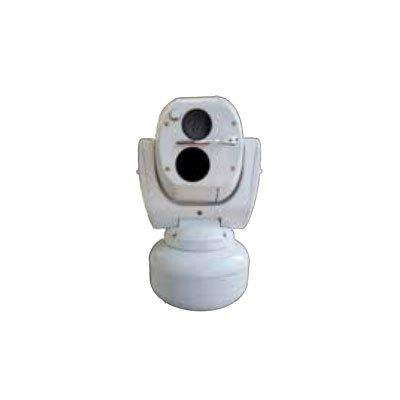




Maritime security: Manufacturers & Suppliers

Technology's role in securing banks and financial institutions
Download
Security technologies promote real-time awareness in K-12 schools
Download
Integrated systems enable critical and compliant security for transportation
Download
Modernising physical access control
Download
Access. Intrusion. One estate.
Download