Fiber Optics

Altronix, the recognised pioneer in power and networking solutions, is showcasing its latest innovations that elevate security and system performance at ISC East Booth 713. Altronix will feature eFlow Pro Series auto-ranging power supply/chargers with enhanced features, Trove™ Access and Power Integration Solutions, and advancements in LINQ™ network power management, fibre, PoE, and long-range Ethernet for greater flexibility for a broad range of applications. Product enhancem...

Bandweaver Technology is proud to announce the general launch of ZoneSentry, a new perimeter intrusion detection system that utilises state of the art fibre optic sensing technology to protect both property and assets with smaller perimeters up to 8km in an efficient and cost-effective manner. The new ZoneSentry is a zonal based Perimeter Intrusion Detection System (PIDS) based on Bandweaver’s fibre optic distributed acoustic sensing (DAS) technology. By attaching a single fib...

Perimeter protection is the essential first line of defence in physical security, acting as a critical barrier against unauthorised access and safeguarding valuable assets. However, traditional perimeter security systems often struggle with false alarms, environmental interference, and costly manual verification — issues that can undermine both safety and efficiency. As threats grow in sophistication and perimeter security needs become more dynamic, organisations require smarter, more ad...
Pioneering global sensor manufacturer - OPTEX will showcase its latest intrusion detection and perimeter security technologies at the Danish Security Fair, including a preview of soon-to-be-launched high-security sensors. Throughout the event, the OPTEX team will present live demos of its award-winning REDSCAN LiDAR series. These versatile LiDAR sensors can be mounted horizontally or vertically to create high-resolution virtual laser planes to protect roofs and skylights, narrow spa...

AMG Systems of the United Kingdom and the USA introduces the AMG Secure-Net SFP carrier, an SFP-based IP-level device that offers 128-bit encryption for traffic over any IP network. This device operates as an SFP carrier and can host most standard MSA-compliant 100Mb or 1Gb SFP modules. The Secure-Net SFP carrier transparently envelopes a wide variety of SFPs, enabling full reuse of existing equipment and easy deployment across various infrastructure types, including both fibre and copper...

Hosted America, a pioneering fibre network operator, has announced a groundbreaking partnership with KelTech IoE to implement the innovative LOC platform, making Hosted America the first fiber provider in the United States to utilise this advanced smart network technology. The LOC platform, with its AI-driven capabilities, will enable Hosted America to optimise network performance, streamline operations and future-proof infrastructure for long-term scalability. KelTech IoE's LOC platform Host...
News

Sensor solutions provider HENSOLDT has been awarded a contract by the Federal Office of Bundeswehr Equipment, Information Technology and In-Service Support (BAAINBw) to develop an innovative capability demonstrator for optical detection. The product, called ODAEON, is designed to revolutionise the capability for automated reconnaissance of enemy optical systems on the battlefield and will be developed in cooperation with BAAINBw. Optical reconnaissance systems The aim of the result is a demonstrator at technology TRL6, which is to be tested by BAAINBw The design phase of the project has already begun, after the first customer acceptance (concept review) was successfully completed in December 2024. The contract, which runs until the end of 2026, is worth 17.6 million euros. The aim of the development is a demonstrator at technology readiness level six (TRL6), which is to be tested by BAAINBw from 2026. The innovative solution enables real-time detection, reporting and display of optical reconnaissance systems, such as enemy drones and optical target acquisition systems, to the crew. This represents a decisive time advantage. Detection and analysis of enemy optics ODAEON is based on the proven technology of the MUSS Jammer Head 2 (MJ2). The next step in the development of this advanced technology will be to enable the detection and analysis of enemy optics. Further protective functions, such as jamming and dazzling, can be added in subsequent development stages. Interferes with electro-optical systems Jamming interferes with electro-optical systems by means of targeted interference signals, while dazzling oversaturates optical systems such as cameras and target acquisition devices with strong light pulses. Both methods increase the protection of vehicles by effectively impairing enemy reconnaissance and target acquisition. Multi-sensor approach: integration into existing systems In a further step, the fusion of ODAEON and MUSS technologies is planned to ensure total protection As a multi-sensor system, the series version of ODAEON will feature interfaces to existing systems and further sensory means to reduce possible false alarms. In a further step, the fusion of ODAEON and MUSS technologies is planned to ensure comprehensive protection. HENSOLDT is thus pursuing the strategic goal of consistently combining reconnaissance, situational awareness and self-protection in order to offer the user highly integrated systems with the corresponding added value. Automated warning systems “With ODAEON, we are responding to a central requirement of modern battlefields: The ability to detect threats from enemy optical systems at an early stage and to protect combat vehicle crews in real-time using automated warning systems,” explains Dr. Oliver Rudow, Head of the “Survivability” product line at HENSOLDT. “This is a further step in equipping our armed forces with innovative technologies that not only increase their effectiveness but also improve their safety.”

Sensor specialist - HENSOLDT is supplying an unspecified number of state-of-the-art optical vision systems for the PUMA infantry fighting vehicle. The customers are the system houses - KNDS and Rheinmetall, which produce the PUMA infantry fighting vehicle and distribute it through the jointly founded PSM GmbH. The order value is in the double-digit million range. In addition to the vision systems for the turrets of the infantry fighting vehicles, the order also includes the equipment for twelve turret trainers for training vehicle crews. With this delivery, HENSOLDT is helping to improve the PUMA on the K-Stand S1. PERI-RTWL The order consists of the delivery of the turret-independent stabilised main optics PERI-RTWL for the commander and the turret-bound stabilised fire control optronics WAO for the gunner. Three high-performance sensors are integrated into each of the two sighting systems: A third-generation ATTICA thermal imaging device, an eye-safe laser rangefinder with a long-range, a highly sensitive day vision camera in the WAO, and a scanning camera in the PERI, which films the high-performance glass-optical channel. Increased combat value "In the variant for S1, new colour camera views and displays have been installed for the PERI and WAO, significantly improving reconnaissance on the battlefield for the commander and gunner," says Jan Erbe, Head of the Ground-based Systems business unit at HENSOLDT. Jan Erbe adds, "With the improved optics, the PUMA has a significantly increased combat value." 360-degree vision system It is the only vision system in the world that has a fibre-optic channel in an unmanned turret The PERI-RTWL is the commander's 360-degree vision system. Functionally, it largely corresponds to the WAO and, like the WAO, has a separate monitor for displaying the sensor views. It is the only vision system in the world that has a fibre-optic channel in an unmanned turret and therefore, combines the advantages of direct vision with those of optronic vision in one system. The PERI also has a swiveling eyepiece. This means that the glass-optical direct vision can also be used by the gunner. ATTICA thermal imaging camera The WAO was developed for the gunner as a purely optronic vision system. The ATTICA thermal imaging camera provides the soldier with detailed and clear observation around the clock and in poor weather conditions. The laser rangefinder supplies range data directly to the fire control system and the command information system. The WAO, therefore, enables the gunner to detect and engage targets at great distances with the utmost precision.

AMG Systems of the United Kingdom and USA introduces the industry’s most innovative new fibre optic video, data and contact closure line available. AMG sees an application for these new fibre optic products to support a new generation of multi-megapixel coaxial cameras with the need for ultra-high security. The AMG Fibre optic transmission line is not IP-based, disallowing any potential security risk into the network, in addition, there is no latency due to no encoding used as with an Ethernet system. The introduction of the AMG fibre optic line is the first advancement in many years and will set the standard for years. The AMG line consists of fibre optic video, video, and data, serial data, and contact closure products for signal transport using the benefits of fibre optic media. AMGFIB-1VT/(VR) series Three product lines are designed in the USA and UK, manufactured in the UK in an ISO Certified AMG facility The line consists of the AMGFIB-1VT/(VR) Series of industrially hardened single channel video transmitter/receiver, with one Duplex RS422/485 Serial Data, two Contact Closure, and supporting all modern SD & HD video formats including CVBS (PAL, NTSC, SECAM), CVI, TVI & AHD and camera resolutions up to 1960p with SD, HD, up to 5-megapixel camera types all major brands. An AMGFIB-1SD Series Industrially hardened serial data transceiver with one Duplex RS422/485 Serial Data, and two Contact Closures. In addition, a Fibre Optic Contact Closure AMGFIB-3CC Series Industrially Hardened Contact Closure Transceiver with two Contact Closures. All three product lines are designed in the USA and UK, manufactured in the UK in an ISO Certified AMG facility, are hardened for use in challenging environments, capable of meeting NEMA TS-2 standards, and lifetime warranted. Next generation of AMG fibre Steve Clarke, AMG's Managing Director, said, “Although legacy fibre optic transmission systems are being replaced by IP, there are thousands of fibre optic transmission networks still in use. With the push toward, IP, no real effort has been directed toward modernising traditional fibre optic video and data products." He adds, "This next generation of AMG fibre optic products is a major step forward. Completely new, with modern available components, now made in our ISO9001 certified facility, AMG fibre optic products are a great combination of quality, availability and still extremely cost-effective compared to what’s out there,” Clarke concluded." AMG fibre optic transmission product line The AMG fibre optic transmission product line continues our quality standard" Tom Exley, AMG Technical Director, said “The AMG fibre optic transmission product line continues our quality standard. Our engineering team looked at what was currently available, identified weaknesses, and engineered our fibre optic product line to overcome those weaknesses. One of the big issues facing the competition is parts availability. Competing fibre optic products were developed 15-20 years ago, sourcing 20-year-old components is a challenge, and that’s likely the reason for extended production delays and price increases." He adds, "The AMG line is all new. New designs, and new components and now manufactured in an ISO9001-certified facility. And, most importantly, they are available when you need them. We believe in the quality and stand behind them with lifetime support.” AMG Lifetime Warranty AMG believes having products in stock, being fully supported by the AMG design team, and being covered by the AMG Lifetime Warranty gives AMG customers worldwide a measurable advantage in the competitive marketplace. AMG Systems offers an extensive line of fibre optic, copper, and wireless Ethernet, video, and data transmission equipment that is uniquely designed to meet the needs of the Security, Intelligent Transportation Systems, Utility, and Industrial markets.

Sharry, a workplace experience platform around digital employee badges, is excited to welcome Ondřej Vodňanský and Carlos Vazquez to its team. Previously at Spaceflow and Cushman & Wakefield, Ondřej joins Sharry as a new Head of Sales for the EMEA region. Carlos comes on board as a Business Development Representative responsible for managing the North and South American markets. Ondřej’s main responsibilities as the Head of Sales at Sharry will be supporting new business in the EMEA region, reviewing and improving the various growth channels, and co-creating a go-to-market strategy for the region with Sharry’s management team. Sharry’s regional growth “I am excited that we are joining forces with Sharry as they continue growing their presence in the EMEA region,” said Ondřej Vodňanský, Head of Sales for EMEA. “There are many reasons I was excited about joining the company but most importantly it’s their robust and fully fleshed out solutions that combine two of my passions: impacting how people interact with buildings while also promoting sustainability.” Carlos supports Sharry’s regional growth by setting affinities with new and future channel In his role as a Business Development Representative, he will drive Sharry’s expansion in the mobile credentials market and specifically of the Apple Wallet solution. Carlos will also support Sharry’s regional growth by establishing relationships with new and prospective channel partners and clients. He will also ensure that existing customers such as SL Green, Shapack or Urbanova in North and South America receive ongoing support. International growth and rapid introduction “I had already been familiar with Sharry’s work and have observed its global growth from afar and as such I was thrilled when we agreed to work together,” said Carlos Vazquez, Business Development Representative. “I have previous experience in B2B sales, product distribution and customer experience management and I am excited to use my knowledge to support Sharry in its international expansion.” “I am excited that both Ondřej and Carlos are joining Sharry,” said Josef Šachta, Co-Founder and CEO of Sharry. “Over the years, we have been building a strong presence in the United States and Europe and both of them will be pivotal in our international growth and rapid introduction of the digital employee badges in Apple Wallet thanks to their vast combined experience.” Long-standing collaboration with HID Sharry’s plug-and-play solution and open API, ready for third-party integrations, perfectly fit the needs of a hybrid workstyle and flexible offices even across a property portfolio. This is especially important in post-pandemic times when businesses are establishing new protocols for office attendance. With Sharry, enterprises can provide employees and occupiers with a best-in-class workplace experience through the integration of all office and building systems into one platform. Sharry redefines workplace experience with its platform built around digital employee badges Based out of Prague, Sharry redefines workplace experience with its platform built around digital employee badges, with Apple Wallet support. Over the past year, Sharry has launched an employee badge in Apple Wallet at 167 Green Street, a multi-tenant office in Chicago. This has been possible thanks to a long-standing collaboration with HID. In fact, Sharry's capabilities and reliability were recently recognised through the company's designation as an Elite Level HID Origo Technology Partner, a premium tier for industry pioneers offering innovative and integrated HID Origo solutions. Czech startup scene Additionally, in the past year, Sharry delivered its workplace experience platform at office developments in Spain, Belgium, and Peru. Over the years, Sharry has established itself on the Czech startup scene, this also being supported by its recent inclusion in the 20 most popular Czech Startups (as selected by the magazine CzechCrunch). The brand also continues receiving international accolades for its product in international media outlets such as Forbes Peru, PlaceTech, Security Journal Americas, Verdantix, and more.

The Partnership for Priority Verified Alarm Response (PPVAR), an organisation established to promote the value of verification and validation of alarm events during the emergency response process, recently announced their new president and secretary for the 2023-2024 board. The 2023-2024 term will be led by President Mark McCall, Director of Global Operations for IMMIX. Mr. McCall takes over from Immediate Past-President David Holl, Director of Public Safety for Lower Allen Township, PA. The PPVAR board is structured to alternate the role of President between the alarm industry and public safety each term. Author's quote Mr. McCall commented on his new role at PPVAR “I have long believed that PPVAR is in a unique position to bridge the gap between the security industry and Public Safety and push forward topics that were important to both." He adds, "They certainly have proven that over the past few years, as evidenced, in part, by pushing for and working with TMA in the creation of the AVS-01 Standard. I am honoured to be a part of PPVAR and look forward to working with our members to advance our mission.” Partnerships with public safety The electronic security industry plays a vital role in safeguarding life and property" Kristy Johnson, Director of Integrations at ADT, has been voted to the PPVAR Secretary role. Ms. Johnson remarked, “The electronic security industry plays a vital role in protecting life and property. However, it is just one piece of a larger picture, heavily reliant on collaboration with law enforcement and public safety partners. When I joined the industry in 2012, I discovered a significant issue concerning false alarms leading to unnecessary police dispatches. This realisation motivated me to work passionately on bridging the gaps within our industry, and in my various roles throughout my time in the industry, I’ve remained dedicated to correct this discrepancy." She adds, "My mission is to enhance the sector by focusing on solutions that make the best use of our combined resources and form true partnerships with public safety. My commitment to prioritised and verified alarm responses drives my enthusiasm to assume a more formal role within PPVAR (Priority Partners Verified Alarm Response) and actively contribute to these ongoing efforts.” Complete board members The complete board includes the following: Mark McCall - President Frank Fernandez - Vice President Joey Rao-Russell - Treasurer Kristy Johnson - Secretary David Holl - Immediate Past-President Rob Baxter John Chiaramonte Bob Finney Larry Folsom Scott Harkins Andy King Tom Nakatani Steve Walker Jeanne Palmer-Wulforst - Executive Director PPVAR’s board PPVAR’s board represents a balanced team of professionals from the public safety, electronic security, alarm monitoring industries and consultants in these fields. Each one has demonstrated exceptional commitment to their industry and is dedicated to improving public safety. Each of the individuals enjoys excellent relationships across public and private sectors, and each brings a unique perspective on the issues related to the alarm response process. Their collective expertise and diverse insights ensure PPVAR’s mission to encourage the exploration and adoption of proven alarm verification technologies.

Teledyne FLIR, part of Teledyne Technologies Incorporated, announced the release of its much-anticipated Lepton 3.1R, the radiometric thermal camera module with a 95-degree field of view (FOV), 160 × 120 resolution, and a scene dynamic range of up to 400 degrees Celsius. The 3.1R model maintains the same compact and low-power form factor that made the Lepton family of thermal camera modules the best-selling in the world for mobile, small electronics, and uncrewed systems. Radiometric thermal camera Lepton 3.1R can now propel advancements in cost-saving and lifesaving unattended products" “The revolutionary Lepton was the world’s first thermal micro camera module integrated into millions of devices from ruggedised smartphones to drones,” said Mike Walters, Vice President, Product Management, Teledyne FLIR. He adds, “Lepton 3.1R can now propel advancements in cost-saving and lifesaving unattended products ranging from early fire monitoring of critical machinery, electrical switchgear, and data centres to IoT products for smart factory, occupancy monitoring, smart homes, smart appliances, and even elderly care applications.” Lepton 3.1R The Lepton 3.1R is a drop-in enhancement for existing Lepton-based products. It incorporates the same visual object and space perception interface (VoSPI), inter-integrated circuit (I2C), and electrical and mechanical form and fit as predecessor Leptons to simplify development. Furthermore, Lepton continues to be the lowest-cost focal plane array (FPA) based thermal sensor on the market. Enhanced thermal radiometric performance All Lepton modules include unmatched thermal sensitivity of <50 mK for an uncooled micro thermal camera. Lepton features many proprietary technologies, including wafer-level detector packaging, wafer-scale micro-optics, a custom application-specific integrated circuit (ASIC), and a low-cost, easy-to-integrate camera package. The Lepton family also includes integrated digital thermal image processing and radiometry, the ability to provide the temperature of every pixel in the scene. Resources for integrators and developers To help reduce development costs and shorten time to market, users can take advantage of an online Lepton integration toolbox with application notes and source code for testing on Windows, Linux, Raspberry Pi, and BeagleBone. The Teledyne FLIR Technical Services team is available to support customers licencing MyFLIR® application software and image-enhancing multispectral dynamic imaging (MSX®) and Vivid-IR™, helping customers reduce technical risk and maximise performance.

Expert commentary

In my coverage of China Tariffs impacting the security industry over four recent articles, products on the tariff schedules routinely integrated into security solutions included burglar and fire alarm control and transmission panels, video surveillance lenses, HDTV cameras used for broadcast use cases and fiber optic media converters. The general ‘callout’ of ADP (Automatic Data Processing) devices and peripherals technically includes servers, workstations and microcomputers, all of which are commonly used to support security solutions. The underperformance, from June 15 to August 24, of U.S. stocks with high revenue-exposure to China, and that of Chinese stocks with high revenue-exposure to the United States was significant and almost identical at 3.2%, significant losses to some investors already involved in security industry M&A activity. Significant public safety Facial Recognition (FR) vendors leveraging AI expanded their market focus to retail and public safety While it was not apparent that practitioners’ security program budgets kept pace with the growth of the more popular solution providers like video surveillance and cyber security, the ICT industries supporting the security economy continued to expand, especially in wireless and wired infrastructure, including preparations for 5G wireless rollouts. These omnipresent technologies drove significant public safety, smart city and public venue projects in 2018. Facial Recognition (FR) vendors leveraging AI expanded their market focus to retail and public safety. In 2018, virtually every public presentation, webinar and published Q&A on social media monitoring and facial recognition technologies I worked on, involved significant pushback from privacy advocates, almost to the point of alarmism. Massive risk reduction Several solution providers in these areas have made significant strides on data protection, accuracy, powered by AI and documented crime reduction cases; however, this real news is quickly shadowed by privacy advocates, seemingly ignoring massive risk reduction, especially in the case of active assailants and gang-related crime. Will FR become mainstream? The cautious security industry may take a cue from the maverick retail industry, sports venue and VIP verification solution providers that grew in 2018. 2019 trends: presupposition or repudiation; winners and losers. Chinese tariffs have had a huge impact on the security industry, which can be seen from changes to U.S and Chinese stocks Although technology adoption forecasting is inexact, there are definitive opportunities in the security industry born on necessity. With the widespread problem of false alarm transmission and inability for first responders to ‘be everywhere,’ developers of solutions that provide automated verification and alternative security incident detection are expected to become mainstream. Promising detection systems The use of AI, NLP, LiDAR, UAS (Unmanned Aerial Vehicles aka drones) with surveillance and thermal imaging will grow, mostly due to higher acceptance in other industries like autonomous vehicles, rail safety, terrain and post devastation mapping/rescue. However, legacy ‘listing’ or certification organisations will be forced to make an important decision for their own survival: work toward integrating these promising detection systems into acceptance by insurance, licensing and standards development organisations. 2019’s ‘true’ Industrial Philanthropists will be needed to fund early warning tech for firefighters and the presence of active assailants 2019’s ‘true’ industrial philanthropists will be needed to fund early warning tech for firefighters and the presence of active assailants. For these use cases, 5G infrastructure rollouts, FR acceptance, lower cost perimeter detection and long range object and fire recognition by LiDAR and Thermal imaging will all be watched closely by investors. Should public agencies and philanthropical solution providers in the security industry cross paths, we may just yet see a successful, lifesaving impact. Cyber risk profile The ‘Digital twin’ refers to a digital replica of physical assets (physical twin), processes, people, places, systems and devices that can be used for various purposes. Your ‘Security Digital Twin’ has a similar physical and cyber risk profile, either through common threats, similar assets or both. Good news: managing your risk, protecting assets and securing your facilities in 2019 will get easier as security digital twin profiles will grow in maturity, while keeping their data sources private. This will be accelerated by the maturity of AI-based, auto-generated visualisations and image recognition, that happens to also drive the FR solutions. The 5G wireless infrastructure market is emerging as far more of a quantum leap in connectivity, like ‘wireless fiber optics’ performance, than an upgrade to 4G LTE. The 5G infrastructure market will be worth $2.86 billion by 2020 and $33.72 billion by 2026, growing at a compound annual growth rate (CAGR) of 50.9%. Intelligent applications The explosion of ingested voice, video, and meta-data, the interconnectivity of devices, people and places, and the integration of intelligent applications into expanding ecosystems all require faster communications. To be more accurate, 5G rollouts will accelerate in 2019; however, current project funding will include and be impacted by future enterprise security connectivity: 5G and FWA (Fixed Wireless Access). 5G rollouts will accelerate in 2019; however, current project funding will include and be impacted by future enterprise security connectivity Quite simply put, larger solution providers are gently coaxing practitioners into seemingly ‘open systems;’ the negative discovery during an M&A process, audit or integration with a smart city’s public/private partnerships will continue to be revealed, and related industries will force reform. Autonomous things will be enabled by AI and image recognition. With few affordable rollouts of security robots and outdoor unmanned ground vehicles (UGV) that leveraged platforms popular with research and even NASA, the autonomous security robot was mostly MIA from a security practitioner’s program in 2018. Perimeter intrusion detection One platform was even accused of intimidating homeless people in a public place, at a major city. Industries mutually beneficial are often unaware of each other; this will change gradually: one major domestic airport is currently evaluating a UGV platform performing perimeter intrusion detection, runway weather conditions and potential aircraft taxiing dangers. The platform is being used largely in transportation research, yet offers significant opportunities to the security industry. Research firm Gartner estimates that 70% of today’s technology products and services can be enhanced with ‘multi-experience’-based VR/AR/MR The ‘immersive experience’ of virtually any security or threat detection is a twist on virtual/augmented/mixed reality (VR/AR/MR) with additional sensory features. Although VR/AR/MR is well underway in other industries, there are several companies with solutions like VR-based active assailant training that could provide a fighting chance for practitioners, employees, visitors, faculty and children. Research firm Gartner estimates that 70% of today’s technology products and services can be enhanced with ‘multi-experience’-based VR/AR/MR. Security ecosystem members Not necessarily MIA, but of special mention is the need of security and safety practitioners to prioritise communications systems over ‘nice to have’ expansive video surveillance systems for mass casualty threats. This will eventually improve with 5G for Enterprise solution rollouts. At the past GSX and upcoming CES Technology trade shows, a new roundup of technologies is discovered: a wider diversity of protection promise to save ASIS members on their technical security program is realised. With each of the ‘winners,’ (5G, AI, NLP, LiDAR, UAS [Unmanned Aerial Vehicles aka drones], thermal imaging, digital security twins and smart-city-friendly technologies) it is both exciting and challenging work for both security practitioners and solution providers. All things equal and with the necessary technology acceptance testing processes, this is a truly great time for security ecosystem members.

Security consultants are on the front lines of trends such as “smart buildings” and the increasing demand for green technologies. We recently gathered together several consultants to reflect on what’s new in these areas, joined by a representative of HID Global. Participants were Chris Grniet of Guidepost Solutions, Brandon Frazier of Elert & Associates, Terry Harless of Burns & McDonnell, and Harm Radstaak, HID Global’s Vice President and Managing Director, Physical Access Control. SourceSecurity.com: What are your thoughts on the emergence of “smart buildings”? How do you see the concept expanding? How does making a building “smart” add value to it as an asset? Brandon Frazier: The term smart building has been a moving target beginning in the late 1800s with the electric thermostat. As I see things now becoming networked, becoming smarter, I think we’ll be able to aggregate a lot of data, and probably use that data. I think there will be new ways to use data for the average customer. Chris Grniet: Smart buildings have been a long time coming. It’s about green, sustainability, the ability to control your environment, and making sure you get the most efficiency out of an asset. To understand how an asset is being used is very important. A lot of clients these days are looking for occupancy calculations: Are my facilities being used to their utmost capabilities? What are my populations, and how do I control the environments? And is the real estate really worth keeping because so many people are working remotely? Harm Radstaak: I believe that smart buildings will bring our traditional security industry potentially into a new space, with data analytics and servicing end users, and channeling data to be used for green buildings, sustainability, space utilisation. It’s important for our industry to know how we will make sure that data is secure and trusted for end users and to provide the correct technology, services and solutions. Terry Harless: Another thing is that smart buildings can be used for maintenance. In the security world, you can keep a log of how many people have gone through a door, or use it for maintaining batteries if you’re using wireless devices, or maybe maintain your locks when they have been cycled so many times. {##Poll1697625082 - How do you make your security systems more green?##} SourceSecurity.com: How important is being “green” related to design decisions and product selection? How do you use green products? Frazier: The world of selecting electronics based on green criteria has always been very tricky. A lot of manufacturers have come out with “green products.” I’ve seen more power-efficient products, and we are seeing certifications on them. But it is very difficult, I think, to truly design a green technology-based system end-to-end. Not just single components but an entirely efficient system. Radstaak: I see it as absolutely a trend for end users to specify new buildings according to sustainability and green specifications. For HID Global and ASSA ABLOY, we see it as one of the megatrends worldwide. Green and sustainability are critical as we define our products and solution set and bring that back to the table in design engineering and product marketing. Harless: I’m on board and think green is good. But as far as helping with accumulating points for the LEED [Leadership in Energy and Environmental Design] certification, I have talked with several architects and engineers in the past who are LEED certified and discussed with them some of the green security products out there. For the most part, they say the products are not providing any points for them. They typically don’t want to waste the time of adding security into their evaluation. SourceSecurity.com: So the “green” that we have achieved in the security market is not translating into enough quantitative scoring to make a difference in the LEED certification. Frazier: I think our power usage is so miniscule compared to the big building systems that the savings we offer are just not worth their time (to document). Grniet: I have had some opposite experiences where we are able to contribute if we don’t call it a security category, but we put it in with the low voltage category, so now we have greener power consumption on my switches, my computing systems, people are putting OTNs (optical transport networks) in, and not utilising as much power on a floor-by-floor basis. Now I have smart power supplies, smart locks, green locks. Where the industry has always lacked is the sustainability piece. We talk about zero landfill projects. We talk about rare earth metals involved in these processes, and other materials; this industry continues to source from remote regions. Everybody is pitching “built in America,” but we all have to source something from abroad, and those are real challenges for the security industry. Not to mention the fact that, unfortunately, we ship everything in small packages – it’s all unitised. So we create massive landfills by doing that. There are some companies that have gone out and started packaging in mass relative to orders and said: “This is how we are going to ship, not on an individual piece-by-piece basis.” That has to speak to the entire supply chain relative to sustainability. Read part 2 of our Consultants' Forum series here

CCTV security deployments require high reliability and availability in order to prove truly effective In recent years, there has been incredible growth in the security video surveillance market with law enforcement agencies embracing video surveillance to enhance security in problematic areas across cities. But these projects require connectivity to carry video feeds from multiple deployed CCTV cameras distributed over one or more sites, to the control room for viewing and recording and analysis. Because of network congestion and interference issues, it is critical for transmission technology capabilities to improve. In this article, three systems integrators discuss the challenges they face with network CCTV projects and how millimetre wave technology has helped them to provide the speed, capacity and connectivity needed for today’s data-heavy security system deployments. What are some of the challenges inherent in designing and installing video surveillance systems? Marc Hancock, Technical Director of Net View Systems: There is so much noise, as we like to call it, or traffic on traditional wireless networks (sub-6 GHz networks) that interference proves to be quite a common problem. Obviously, that is a significant issue when the wireless network is part of a city’s critical infrastructure, used for its CCTV security. CCTV security deployments require high reliability and availability in order for the CCTV system to prove truly effective but with traditional wireless networks, there is often not enough bandwidth or reliability to deliver the camera responsiveness required. Craig Lerman, President and CEO of LTW: Public safety networks employ mission critical voice, data and video solutions that cannot lockup or go offline during a storm Reliability is paramount when you are working in the public safety space, no matter what the current weather or ambient radio frequency environment is outside. It is critical that wireless network-based surveillance solutions are engineered properly for the environment in which they are operating. In addition, the wireless network components must be resilient, temperature hardened and be designed to operate in the target environment. Public safety networks employ mission critical voice, data and video solutions that cannot lock up or go offline during a storm. Nick Metcalfe, Technical Sales, TrellisWorks: Five years ago, two megabytes per second (mbps) was enough bandwidth for each camera on a traditional wireless CCTV network. As camera technology has progressed, that number has gone up significantly. Today, each camera requires anywhere from 10 to 32 mbps of bandwidth, due to the high resolution of 1080p HD cameras and the addition of analytics and other tools. When designing an enterprise or town CCTV network, you can very quickly need 100 mbps. Getting that much bandwidth on a traditional 5 GHz wireless network is very difficult. How is millimetre wave technology affecting your surveillance projects and designs? What is it helping you do that you couldn’t achieve before? Marc Hancock, Technical Director of Net View Systems: MmWave has provided huge cost savings, while delivering a better network and higher video resolution to the customer. We began using mmWave to address the interference experienced on traditional wireless networks, particularly with our city CCTV and traffic projects, and also with critical infrastructure customers, such as power companies. The mmWave backhaul links that we are using for security deployments are cost effective for us as a company and for our end users due to the power and speed of mmWave technology. We can install fewer links or hops as a result. For some projects, we also previously had to lease Internet Service Provider (ISP)-controlled fibre lines for customers to get the required reliability, capacity and speed. Because of mmWave’s fibre-like performance, we can use the radios to replace fibre lines, which provides cost reductions and allows us to directly design and control the entire network. The attractive price with the high performance make MmWave a perfect fit for video surveillance wireless networks Craig Lerman, President and CEO of LTW: We have been using millimetre wave for a while now and have deployed many links in our larger city-wide deployments. We recently deployed millimetre wave radios in our project with the City of Bethlehem, Pa., for the Hoover-Mason Trestle, which is a recreational walking path 40 feet above the ground at an old steel mill that has been converted to an entertainment venue. Obviously, there was concern for visitor safety due to the height of the walkway and its use at night, so LTW installed millimetre wave radios for increased bandwidth and throughput for the site’s video surveillance system, addressing a lot of the same issues that we mentioned above: bandwidth loads, throughput speeds and reliability and durability in extreme weather conditions. We have found that millimetre wave is really the most cost effective way to access high capacity throughput. The attractive price with the high performance make it a perfect fit for video surveillance wireless networks. Currently, you can buy millimetre wave radios with five GB/sec throughput, which will soon be 10 GB/sec throughput, which is as fast as fibre. Nick Metcalfe, Technical Sales, TrellisWorks: As the density of deployment in the 5 GHz frequency band increased, we began using mmWave radio links because the mmWave frequency bands can provide much greater throughput for wireless CCTV systems and at a very affordable price. With mmWave, you never run out of bandwidth and you always have the ability to change an uplink or downlink as needed. Interference from other networks is a rare occurrence. In our designs, we often use a combination of mmWave radio links in conjunction with traditional 5 GHz links, depending on the nature of the project. Now, we are seeing a trend in which many town councils are replacing leased fibre infrastructure with wireless networks that use mmWave radios for their CCTV systems. The speed and bandwidth are nearly the same as fibre, but the cost is significantly less. Do you expect that adoption of mmWave technology will increase within the physical security industry? Marc Hancock, Technical Director of Net View Systems: CCTV is being driven by the need for capacity and millimetre wave lends itself perfectly for that application, especially when priced competitively Many of Net View’s security projects involve traffic light control systems and variable message signs near roadways as part of a city’s CCTV security network. Obviously one can’t trench fibre in all of those locations and even when it is possible, it is costly. Since its prices have decreased significantly in the last few years, mmWave technology has become the best choice when fibre is not an option. It is the underlying network design and topology that makes a security system effective and mmWave is allowing us to provide the powerful network needed for today’s bandwidth-heavy CCTV systems. Craig Lerman, President and CEO of LTW: CCTV is being driven by the need for capacity and millimetre wave lends itself perfectly for that application, especially when priced competitively. Millimetre wave radios have the right form factor, capacity and scalability for the ever-evolving video surveillance systems of today. In addition, the millimetre wave frequency band enables high density deployments without the frequency re-use limitations imposed by lower frequency (sub 6 GHz) solutions. Nick Metcalfe, Technical Sales, TrellisWorks: As I mentioned, many cities are considering replacing fibre or traditional wireless networks with mmWave technology and in general, the need for higher capacity and more robust wireless CCTV networks is certainly increasing. Through rapid product development, Siklu enables integrators like TrellisWorks to meet our customers’ demands and requirements. In the future, I think we will see more interest from systems integrators in deploying mmWave links because of how effective mmWave is and because it is easy to install. Ofcom is the U.K. regulatory body for communications and it requires systems integrators to register all wireless networks and links. Five years ago, there were a few hundred registered mmWave links. Today, there are thousands and that number is only going to continue to grow as technology advances and bandwidth demands increase. {##Poll1697625079 - Which technology do you use to transmit CCTV/video data over your network?##} Meet the Integrators: LTW: Pine Brook, N.J., United States Specialty: systems integration for wireless, network, security and energy solutions. Primary focus in public safety deployments, including law enforcement, municipal and state and local government. Net View Systems: Bradford, West Yorkshire, United Kingdom Specialty: designing and installing integrated electronic security systems and their infrastructure, including traditional analogue systems and High Definition and IP systems. TrellisWorks, Ltd.: Thatcham, Berkshire, United Kingdom Specialty: designing and installing comprehensive network wireless solutions, radio and 4G communications, IT support maintenance, mobile data routing and simulation.
Security beat

Casinos face multiple security issues caused by potential bad actors, everything from cheating to vandalism, from theft to vagrancy. A new intelligent technology can monitor for specific keywords and behaviours. The technology scans the entire casino premises constantly for potential threats and notifies key personnel when they happen. Casinos are among the environments deploying the OpticSense system by Huvr Inc., which uses special fibre optic technology called an interferometer to secure large areas. Imagine a very sensitive loop made of fibre-optic cables placed around the perimeter of a facility. System’s artificial intelligence Basically, it converts the entire facility into a highly sensitive microphone, detecting any slight disturbances, such as an unusual movement or sound. When the system senses something out of the ordinary, it immediately triggers cameras to look at the disturbance and record a short video. The system’s artificial intelligence (AI) then analyses both the sound and video to determine what's happening. It compiles a detailed report and immediately sends the information to security teams. OpticSense OpticSense can hear, see, and analyse potential threats automatically before they get out of control. “This makes it possible for fewer people to do more,” says Herman C. DeBoard III, CEO and Founder of Huvr Inc, adding “When you don’t need as many personnel to monitor video feeds and analyse data, you can drastically reduce your labour costs. Best of all, when you optimise your resource allocation, your security teams can respond more effectively to each threat.” The system’s AI analyses sound and video to define what's happening. Combining fibre optics and AI Huvr was originally designed as a platform to provide immersive virtual travel experiences Huvr was originally designed as a platform to provide immersive virtual travel experiences. However, with the acquisition of OpticSense and Grip Places, the company pivoted to integrate advanced fibre-optic technology and AI-driven analytics into a comprehensive security system. The system’s artificial intelligence and fibre-optic interferometer technology work together to detect and analyse real-time threats. When the Fibre Optic Ring Interferometer (FoRi) detects even minute audio abnormalities, it triggers AI analysis. In split seconds, the AI directs cameras to record 60 seconds of video, compiles a detailed report, and then texts the real-time intelligence to security teams and authorities. Intelligent security solutions The growing need for intelligent security solutions can help to drive Huvr's entry into the security marketplace. Advanced technology enables the company to meet the increasing concerns surrounding public safety and the growing need for real-time threat analysis. The AI system classifies each detected anomaly according to its severity and stores data from various incidents to improve its risk assessment abilities over time. This continuous learning enables the AI to become more adept at accurately identifying and responding to threats specific to the casino environment. AI system classifies each detected anomaly according to its severity. Simple and discreet installation The system involves installing fibre optic cables around the casino’s perimeter The system involves installing fibre optic cables around the casino’s perimeter. It’s a simple job that typically requires less than a day. “These cables allow the casino to establish a smart perimeter detection system without significant infrastructure alterations,” says DeBoard Casinos typically employ upwards of 6,000 cameras, but human security teams cannot feasibly monitor all the incoming data at once. Huvr's OpticSense product becomes like the brain of the casino, constantly monitoring disturbances and responding in real time. Huvr’s fibre optic cables Huvr’s advanced detection algorithms work in tandem with a casino’s existing camera infrastructure, simply adding a layer of security that converts traditional security measures into an intelligent system that continuously monitors and analyses video footage. With Huvr’s fibre optic cables easily hidden or buried and the server roughly the size of a shoe box, the system is designed to be extremely discreet. It can be operated by a single person using a small handheld device. The security system is simple to scale and manage without disrupting casino operations. Security system is simple to work without disrupting casino operations. Autonomy boosts productivity Huvr automates surveillance and anomaly detection to decrease the load on security teams Autonomy is an important aspect of this new technology. Traditional security systems have required constant human monitoring, but Huvr automates surveillance and anomaly detection to decrease the load on security teams. “Without any human direction, Huvr detects minute disturbances, triggering the AI system to direct cameras and analyse video footage instantaneously,” says DeBoard. He adds, “The intelligent system rapidly monitors every anomaly and accurately decides which present potential threats. When it detects an issue, it compiles a detailed report that includes the number of individuals involved, their appearances, direction of movement, and licence plates. It takes only seconds to text this report to security teams and authorities.” Applications beyond casinos Beyond casinos, Huvr already provides proactive security in a wide variety of settings. In banks, the system monitors parking lots and ATM machines for suspicious activity. In large stadiums, it proactively detects target words such as “help” or “gun.” In schools, Huvr’s fibre optic ring interferometer secures campuses against unauthorised intrusions. In hospitals, it alerts medical staff when patients need immediate care. In airport terminals, it monitors for suspicious behaviour. In restaurants or construction sites, the system learns to monitor for safety violations and health hazards. Smart perimeters around critical infrastructure The fibre optic cables also form smart perimeters around critical infrastructure like power grids, cell towers, and bridges to watch for physical disturbances or tampering. “Because the system can be customised to each new environment and can learn quickly, the applications are virtually limitless,” says DeBoard. {##Poll1728555696 - Do you believe AI-driven perimeter detection systems will significantly reduce security labour costs?##}
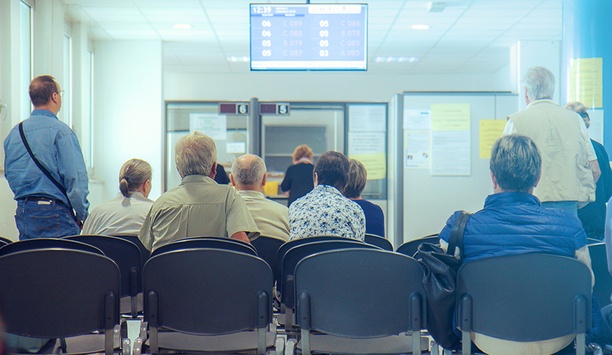
Video, access control and visitor management are among the technologies that are enabling greater safety and security at hospitals and other healthcare facilities. Video surveillance systems enable hospital management and security professionals to know what goes on in and around a medical facility. Recording images in high resolutions (megapixels and gigapixels) is becoming more and more important in healthcare, says Jason Ouellette, Product Line Director – Access Control, Tyco Security Products. Video event management software Video analytics are now being leveraged for patient tracking, asset tracking, and operational purposes If an incident occurs in a medical facility, the security staff has to be able to identify faces easily and accurately. Storage and costs have to be considered, of course. With technology improving and prices decreasing, video solutions can even be used for purposes beyond traditional security. For example, video analytics are now being leveraged for patient tracking, asset tracking, and operational purposes, and captured video can be used to defend against liability claims. What’s next? Video analytics will continue to be a valuable addition to any surveillance infrastructure due to its ability to address patient needs, operational efficiencies and early risk detection, says Brandon Reich, Senior Director of Surveillance Solutions, Pivot3. Through video event management software (VEMS), hospitals can customise the statistics that are relevant to their individual buildings or campuses without having to spend extra time or money on rigorous employee training. Data capture form to appear here! Real-time access control security updates Furthermore, once healthcare facilities are able to digitise all of their patient records, secure any of their ingress and egress points with real-time access control security updates, and fully transition from analogue to IP video surveillance cameras, VEMS systems that house analytical software will be able to multiply the benefits offered to hospitals, not just in real time, but in planning ahead for future risk, expansion and safety protocols. It is vital to implement integrated and innovative access control solutions With large, complex facilities, directors of security at hospitals struggle with controlling access to various levels of the facility, according to Eric Widlitz of Vanderbilt Industries. To manage the risks that hospitals face and ensure a comprehensively protected atmosphere for patients and staff, it is vital to implement integrated and innovative access control solutions. For example, ease of access with controlled entrances is vital to medical crash teams, as is the need for a zonal access control lockdown in the event of a contagious disease outbreak. Strict access limitations Different hallways, rooms, floors and waiting areas within a hospital require different amounts of restriction, and sensitive materials, such as medical files, controlled substances and sterile environments (such as operating and procedure rooms) all necessitate an additional layer of protection. Access control in particular has advanced significantly to offer healthcare facilities the ability to control access remotely, through mobile applications, confirm identity quickly and easily and program varying levels of access for visitors, patients, doctors and staff. One area that is recently experiencing rapid growth – and drastic change – is the securing of narcotics within healthcare facilities, says Robert Laughlin, CEO and Chairman, Galaxy Control Systems. In the past, all medicine was controlled in a central pharmacy located somewhere in the hospital or health facility. These pharmacies were highly secured areas, with strict access limitations; only authorised staff could get near the medicine stocks. Fiber optic communication lines For vehicle access control, medical centers and hospitals prefer beam barricades and shallow foundation barriers To improve the speed of delivery, and to have the necessary medicines ready at hand for in-patients without retaining a large delivery staff, the current trend is to have distributed pharmaceutical closets or carts that hold medicines much closer to the intended patients. For vehicle access control, medical centers and hospitals prefer beam barricades and shallow foundation barriers, according to Gregg Hamm of Delta Scientific. Manual beam barricades are installed at the Fort Bragg Veterans Administration Hospital in North Carolina to shut down certain areas of the facility when a higher alert is sounded. They will stop a 15,000-pound vehicle traveling 50 mph. The Navy Hospital in San Diego uses high speed, high security and very shallow foundation barricades to control all vehicles going in and out of the facility. With their extremely shallow foundation, they obviate the concerns of interference with buried pipes, power lines and fiber optic communication lines. They will stop a 15,000-pound vehicle traveling 50 mph. At the National Institute of Health in Bethesda, Maryland, even stronger shallow foundation barriers are used for traffic control and protection. These barriers will destroy a 65,000-pound (5.4 million foot-pounds) dump truck traveling 50 mph and continue to stand. Physical access control systems Controlling visitors to hospitals and healthcare facilities can directly impact security Controlling visitors to hospitals and healthcare facilities can directly impact security. Traditional methods of visitor management, such as paper visitor logs and handwritten badges are insufficient given today’s variety of security challenges. A hospital using paper-based systems cannot easily cross-check information, confirm patient information, check visitor names against up-to-date watch lists, or visually confirm identity. An increasingly popular and important application is secure and simplified visitor management, integrated with the physical access control systems (PACS). Today’s visitor management systems enable the screening, badging and tracking all visitors or, at a minimum, those visiting critical areas or during ‘after hours’ periods, Quickly identify inappropriate visitors One other growing technology is the ability to link to internal or governmental watch lists, to quickly identify inappropriate visitors before they gain access to the facilities. For example, Visitor Management systems can be configured to perform a Sex Offender search in both Children’s Hospitals and Pediatric areas, further decreasing the likelihood that someone of the list could gain access. Wayfinding is indoor navigation to guide a person step-by-step on the way to a desired destination HID Global and Phunware Inc. are addressing the need of healthcare institutions to deploy standardised technology to provide a better wayfinding and visitor engagement experience inside the hospital, across campus and even in parking lots. The companies are collaborating to improve the experience for hospital patients and visitors to find their way within medical facilities, using wayfinding on their mobile phones. Wayfinding is indoor navigation to guide a person step-by-step on the way to a desired destination. Enterprise-level mobile wayfinding “It’s easy for visitors and patients to get lost in hospitals, and every time they do it puts appointment times and patient satisfaction at risk,” says Rom Eizenberg, Vice President of Sales, Bluvision, part of HID Global “With our location-aware app on a mobile device, we equip the visitor to get instant, turn-by-turn navigation that creates a better experience than that which is currently available on the market.” HID’s healthcare IoT solution-enablement platform simplifies the delivery of real-time location of clinicians, patients and devices. The platform is enabled by Bluvision (part of HID Global). Phunware’s Multiscreen-as-a-Service (MaaS) platform also provides enterprise-level mobile wayfinding, engagement, data and more for other vertical markets, including retail, residential, hospitality, media and entertainment and more. Missed the rest our healthcare mini series? Read part one here and part two here.
Case studies

Climate and weather can have a damaging impact on digital devices, especially in locations where extremes in summer and/or winter are common. This may be an obstacle to implementing digital technologies or digitalising outdoor workflows. For controlling access, it can prevent organisations from realising the benefits of digital access at remote and/or outdoor sites. Intelligent digital locking, which meets the highest standards of durability and reliability, is required. Expansion of infrastructure OXG builds and operates a high-speed fibre optic network designed to meet the digital needs OXG Glasfaser GmbH is a joint venture founded in 2023 by Vodafone and Altice. Their goal is to make a significant contribution to the expansion of infrastructure throughout Germany. OXG builds and operates a high-speed fibre optic network designed to meet the digital needs of individuals and companies. In the next few years, they aim to connect 7 million households with fibre optic. An investment of up to €7 billion is being made for broadband solutions and innovative FTTH (Fibre to the Home) expansion. Modern access solution They sought a modern access solution suited to securing the stations required for the expansion of their network: a locking system able to provide flexible security for their fibre optic stations. Of course, these stations are outdoors, often in public spaces, and exposed around the clock to wind and weather. Reliable security and outdoor operation are a must. They are also dispersed nationwide, which means frequent maintenance visits would represent a drain on time and money. OXG sought devices that were easy to install and would require as little maintenance as possible over their working lifetime. ECLIQ solution An eCLIQ system can be expanded, combined, and retrofitted according to its evolving needs With the programmable key-based eCLIQ solution, part of a suite of Digital Access Solutions from ASSA ABLOY, OXG chose digital access, which is reliable, robust, and suitable for environments with demanding climate conditions. An eCLIQ system can be expanded, combined, and retrofitted according to its evolving needs. “In addition to the flexibility, the resistance and durability of eCLIQ are particularly advantageous. That convinced us,” explains Markus Walther, Senior Manager Deployment Aggregation Network at OXG Glasfaser. Digital access With around 2,500 wireless cylinders, OXG’s eCLIQ solution provides an efficient, effective way to fit digital access. Installers simply slot in one of more than 60 different eCLIQ cylinder types instead of a mechanical cylinder. These innovative cylinders operate maintenance-free for up to 200,000 cycles. For system administrators, eCLIQ is easy to operate and programme. They benefit from the convenience of digital management. For instance, they do not need to activate every locking cylinder individually. Lock power supply and communication with the cylinder are conducted via battery-powered user and programming keys only. Award-winning CLIQ technology upgrades security by making it simpler to issue individual access authorisations. If a key is lost, its access permissions are simply deleted from the system with a few clicks in the intuitive software.

Founded in 2020 by a team of energy professionals in Milan, Sunprime is a fast-growing independent renewable energy producer that develops sustainable photovoltaic plants across Italy. Their focus is mainly commercial and industrial (C&I) segment, ground-mounted systems on industrial land and industrial electricity storage systems. Challenges With global initiatives toward green sustainability and carbon neutrality, the demand for photovoltaic power generation construction is growing rapidly. Sunprime's project pipeline currently consists of several projects, many of which are located in very remote and often unattended areas (e.g., Maleo, Lodi Province), making it vulnerable to thieves that steal valuable cables and panels. Securing the vast area of photovoltaic plants requires a comprehensive surveillance system that can monitor the site at all times. Solution Dahua and Sunprime enabled the project team to come up with an effective design The technical and commercial partnership between Dahua and Sunprime enabled the project team to come up with an effective design, implement cutting-edge technologies and pay great attention to the positioning of the cameras. In order to safeguard one of the client’s solar power plants covering approximately 70,000 m2, more than 1,500 hybrid cameras (thermal cameras + traditional cameras) equipped with AI algorithms were deployed around the area, actively monitoring for potential intrusion 24/7. These state-of-the-art Dahua products can stably operate even under harsh weather conditions, making them ideal for outdoor applications. They are equipped with advanced AI algorithms capable of generating accurate alarms while filtering out false positives, which makes monitoring more efficient and more convenient for the client. Dahua AirShield wireless alarm system In addition, through fibre optics, the video steam from the cameras are sent to the technical rooms in the solar park via Dahua’s industrial switches. The signals are then managed by another row of switches and finally transmitted to high-resolution recorders. The Dahua AirShield wireless alarm system was also installed in each technical room in the park, providing another level of protection for the central equipment. What’s more, all the systems of Sunprime’s solar parks are now centralised through local routers thanks to the Dahua DSS management software installed in the surveillance operations centre. Results Dahua has assisted Sunprime from pre-sale stage to the implementation of the products Sunprime’s solar power plant has witnessed how Dahua’s thermal perimeter protection solution can be utilised to safeguard its property and assets located in remote and secluded areas. In addition to early business communication, Dahua has assisted Sunprime from pre-sale stage to the implementation of the products, with plans and designs based on the actual needs of the customer. The high-quality service offered by Dahua has gained praised from the client. Dahua secured new projects “The implementation of this type of systems was made possible thanks to the support of the Dahua projects department, which assisted us from the pre-sale stage up to the implementation of the products,” says Mr. Michele Vianello, Asset Manager at Sunprime. “I take this opportunity to once again thank them for their support throughout the entire project,” he added. After the successful completion of this project on the first site, Dahua has secured new projects for another 80 sites with approximately 20 thermal imaging cameras for each site, generating a total supply of 1,600 thermal imaging cameras.

Founded in 2020 by a team of energy professionals in Milan, Sunprime is a fast-growing independent renewable energy producer that develops sustainable photovoltaic plants across Italy. Their focus is mainly commercial and industrial (C&I) segment, ground-mounted systems on industrial land and industrial electricity storage systems. Challenges With global initiatives toward green sustainability and carbon neutrality, the demand for photovoltaic power generation construction is growing rapidly. Sunprime's project pipeline currently consists of several projects, many of which are located in very remote and often unattended areas (e.g., Maleo, Lodi Province), making it vulnerable to thieves that steal valuable cables and panels. Securing the vast area of photovoltaic plants requires a comprehensive surveillance system that can monitor the site at all times. Solution Dahua and Sunprime enabled the project team to come up with an effective design The technical and commercial partnership between Dahua and Sunprime enabled the project team to come up with an effective design, implement cutting-edge technologies and pay great attention to the positioning of the cameras. In order to safeguard one of the client’s solar power plants covering approximately 70,000 m2, more than 1,500 hybrid cameras (thermal cameras + traditional cameras) equipped with AI algorithms were deployed around the area, actively monitoring for potential intrusion 24/7. Advanced AI algorithms These state-of-the-art Dahua products can stably operate even under harsh weather conditions, making them ideal for outdoor applications. They are equipped with advanced AI algorithms capable of generating accurate alarms while filtering out false positives, which makes monitoring more efficient and more convenient for the client. Dahua AirShield wireless alarm system The signals are managed by row of switches and transmitted to high-resolution recorders In addition, through fibre optics, the video steam from the cameras are sent to the technical rooms in the solar park via Dahua’s industrial switches. The signals are then managed by another row of switches and finally transmitted to high-resolution recorders. The Dahua AirShield wireless alarm system was also installed in each technical room in the park, providing another level of protection for the central equipment. What’s more, all the systems of Sunprime’s solar parks are now centralised through local routers thanks to the Dahua DSS management software installed in the surveillance operations centre. Results Sunprime’s solar power plant has witnessed how Dahua’s thermal perimeter protection solution can be utilised to safeguard its property and assets located in remote and secluded areas. In addition to early business communication, Dahua has assisted Sunprime from pre-sale stage to the implementation of the products, with plans and designs based on the actual needs of the customer. The high-quality service offered by Dahua has gained praised from the client. “The implementation of this type of systems was made possible thanks to the support of the Dahua projects department, which assisted us from the pre-sale stage up to the implementation of the products,” says Mr. Michele Vianello, Asset Manager at Sunprime. “I take this opportunity to once again thank them for their support throughout the entire project,” he added. After the successful completion of this project on the first site, Dahua has secured new projects for another 80 sites with approximately 20 thermal imaging cameras for each site, generating a total supply of 1,600 thermal imaging cameras.

Heat waves caused by climate change are currently also increasing strongly across Europe and the associated risk of forest fires is rising immensely. Fires in natural areas are increasingly getting out of control due to drought or wind, and the risk of danger to people, animals, nature, and infrastructure is growing. But how can fires be detected and localised at an early stage to minimise or even avoid serious damage? Artificial intelligence With image processing and artificial intelligence, even such challenges can be mastered. Instead of elaborately programming a solution, neural networks and deep learning algorithms teach an image processing system to see, recognise and verify objects in this case smoke. Furthermore, AI enables a corresponding image processing system to conclude what it learns. The French company Paratronic has taken up this issue. Within the scope of its field of activity of monitoring natural hazards, the solution provider has successfully devoted itself, among other things, to the development of an intelligent product for fire monitoring. Automatic forest fire detection system ADELIE Four industrial cameras from IDS Imaging Development Systems GmbH are integrated into each system The automatic forest fire detection system ADELIE (Alert Detection Localisation of Forest Fires), whose key components are industrial image processing and artificial intelligence, has proven itself in practice. Four industrial cameras from IDS Imaging Development Systems GmbH are integrated into each system. These permanently observe a specific forest area within a radius of up to 20 kilometres. Depending on the system, they need a maximum of two minutes to monitor a radius of 360 degrees. Efficient planning and control With the help of algorithms specially developed by Paratronic, the system can recognise and localise fire sources based on the recorded images and provide real-time information for appropriate options for action. In this way, ADELIE ensures efficient planning and control of the fire brigade to protect the living space and, last but not least, to protect buildings, power lines, telecommunication lines, and road or rail infrastructure. Application The ADELIE system is composed of at least two surveillance points that are networked together. Each surveillance point consists of two detection cameras and an additional camera that serves to eliminate doubts. Four Gigabit Ethernet cameras from IDS are integrated per ADELIE detection camera. Thus, a total of eight IDS cameras are used per surveillance point. These monitoring points allow 360° monitoring, with each azimuth visualised approximately every two minutes. Automatic monitoring of the observed natural area takes place around the clock, 24 hours a day, seven days a week. AI-based image processing algorithms By comparing the images and using taught-in features, the system detects the rising smoke The system is connected to a processing unit whose software contains artificial intelligence-based image processing algorithms. The program developed by Paratronic registers compares and analyses the images provided by the cameras. Long before a tree burns, smoke is released from the surrounding grass and scrub. By comparing the images and using taught-in features, the system detects the rising smoke. Remote monitoring and detection As soon as this smoke is visible from the monitoring point, ADELIE triggers an alarm. This phase is called automatic fire and forest fire detection. The operator on duty then controls the doubt-removal camera remotely and checks the type of detection. He locates the source of the fire on a map using triangulation and informs the control centre, which initiates the fire-fighting measures. Real-time visualisation At the same time, all information, images, and knowledge gained by the AI are transmitted to the fire alarm centre or the fire control centre without delay. With the help of the real-time visualisation of the event, the localisation of the source of the fire on a digital map, and various augmented reality functions, the context, extent, and development of the fire can be immediately visualised there and appropriate fire-fighting measures can be taken. A remote-controlled video camera completes this system. This is used to verify and monitor the fire until the first fire-fighting unit arrives and enables the fire to be tracked from the outbreak until it is extinguished. Role of IDS cameras The IDS cameras continuously film the forest azimuth by azimuth and provide the software with images" "The IDS cameras play an important role in the operation of the ADELIE system. They have the task of continuously filming the forest azimuth by azimuth and providing the software with these images in real-time," underlines Edouard BOUILLOT, Director of Projects and Innovation at Paratronic. "When choosing the appropriate model for the automatic forest fire detection system, the decision was made in favour of a Gigabit Ethernet camera from the SE series from IDS. "Our system uses the UI-5240SE-NIR-GL model," explains Loïs Carrié, Paratronic engineer. Industrial camera with a 1.3-megapixel CMOS sensor This particularly powerful industrial camera is equipped with a 1.3 megapixel CMOS sensor from e2v. The highly sensitive sensor is used by Paratronic in the NIR version (EV76C661ABT). In addition to its outstanding light sensitivity, the sensor offers two global and rolling shutter variants that can be switched during operation. This allows maximum flexibility for changing requirements and environmental conditions, as in this case caused by different times of day and weather conditions. In addition, four areas of interest are available. This allows either several features to be checked at the same time or the AOIs to be captured in an exposure series with different parameters. Reasons for choosing the cameras The camera thus meets all requirements, confirms Lois Carrie. "We chose this model for three main reasons. Firstly, it convinces with its spectral sensitivity. The sensor picks up all visible colour wavelengths, with particularly good sensitivity in the near-infrared." "We also need the option of screwing a wavelength filter into the C-mount close to the sensor. Thirdly, the camera offers the direct possibility of sequentially taking four pictures with increasing exposure time. Continuous shooting makes it possible to get a very high dynamic range." Software The ADELIE software then does the image analysis to detect the presence of smoke on the canopy" For image acquisition, the system uses the uEye SDK, "Then our image processing system comes into play," explains Edouard BOUILLOT. "The ADELIE software then does the image analysis to detect the presence of smoke on the canopy." "The analysis is done by comparing two images taken in the same orientation to detect any smoke. This is made possible by several exclusive algorithms developed by PARATRONIC that allow the comparison of a very large number of factors that are not visible to the naked eye." 3 phase analysis This analysis is carried out in three phases. In phase one, the images to be compared are registered to the nearest 50th of a degree. In phase two, the images are compared to highlight any changes, such as the movement or displacement of objects or the appearance of smoke. In the third stage, advanced analysis takes place, based on the use of different algorithms: The highlighted differences are not only examined in terms of their shape, size, distance, etc., to eliminate all elements other than smoke as best as possible. Other algorithms using automatic classifiers and working with parameters extracted from one or more images complete this analysis. Fibre optics transmission The data is then transmitted to the computer control system via a digital network such as fibre optics. The respective data sets contain both a JPEG file of the image for display on the screen, as well as a file containing the camera number, the angle of view, the date and time of the shot, and the azimuth. By integrating a weather station, meteorological data such as wind strength or precipitation can also be recorded and taken into account. Permanent smoke If at least two towers have detected it, the exact location fire source in the control center is determined If an image and its linked file report a fire, an automatic check is carried out: the system estimates the location of the smoke, then cross-checks it against known locations where other types of smoke appear. This ensures that an alarm is only triggered if this detection has not occurred in an exclusion zone, i.e. a zone where permanent smoke is known to exist, such as a factory chimney. If only one tower has detected the smoke, the distance indicated in the telemetry is used. If at least two towers have detected it, the exact location of the source of the fire in the control center is determined by triangulation. High-resolution camera As with any automatic system, human validation of the alarms transmitted is essential with ADELIE. The staff at the control center use a high-resolution camera with a powerful optical zoom (30x, with a wide-angle lens) to confirm whether it is indeed a fire outbreak. The persons responsible for surveillance can observe the situation from a distance without interrupting the detection system thanks to these cameras, the so-called doubt removal cameras. The ADELIE detection system thus remains fully active to be prepared even if several fires occur. Optimising measures The system is extremely powerful. For each site, 13500 images are taken, transmitted, and stored for 30 days within 24 hours, regardless of whether they contain a detection or not. In addition to these captured images, the system also stores the videos from the camera that were used to observe and validate the incident, thus enabling comprehensive documentation. Based on all the data collected, ADELIE can generate statistics based on which emergency services can align and optimise their measures. Reliability The amount of data grows continuously with each event that feeds the database" "With the help of the stored images, we can analyse the course of the fire and the firefighting afterward. The amount of data grows continuously with each event that feeds the database." "This in turn increases the reliability of the statistics needed for the continuous improvement of prevention and control measures," sums up Edouard Bouillot. Network monitoring The system is successfully used in the Sarthe department, the most densely forested department in the northwestern quarter of France. Forest fires are increasingly a reality there, especially in the spring and summer months. For several years, there have been more and more fires in natural habitats. After numerous forest fires in 2019, a total of 117,000 hectares of forest were equipped with a network of automatic fire detection systems at the beginning of 2021. A total of 48 cameras monitor the forests above the treetops at twelve points distributed across the department near particularly endangered areas. “The ADELIE System allowed us to improve the detection time as well as the precision of the fire location,” says Christophe Burbaud, Comptroller General at the Sarthe Fire Department (SDIS72). Advantages Continuous monitoring of forest fires: all year round, on the whole, or part of the territory, day and night. Time-saving: real-time visualisation of the disaster, the immediate transmission of alarms, and precise localisation of the source of the fire thanks to a triangulation system. Thanks to the cameras and especially the doubt-removal camera, verification and confirmation are much faster than an emergency call. Elimination of human risks: no more isolated men on watch towers. Long-term monitoring: data storage enables continuous improvement of forest fire monitoring and detection. Monitoring and information management system Early fire detection and precise localisation of fire outbreaks, significantly reduce the risk of spread ADELIE is thus more than an automatic fire and forest fire detection system, but an integrated fire and forest fire monitoring and information management system. The French image processing solution thus makes a decisive contribution to damage limitation. Through early fire detection and precise localisation of fire outbreaks, significantly reduces the risk of spread and can minimise associated damage to people, the environment, and the national economy. Client PARATRONIC is a French manufacturer of hardware, software, and integrated systems for the management of water, the environment, and natural risks. Its areas of expertise range from the production, distribution, or remediation of measurement equipment for water, groundwater, and surface water, to monitoring fires. PARATRONIC thus offers complete solutions for the acquisition, transmission, processing, and management of field data.

Costex Tractor Parts of Miami, Florida is a forty-year-old distributor of replacement parts and engines for Caterpillar and Komatsu heavy equipment. When they were preparing to build a new, 350,000-square-foot headquarters in Miami, Florida, they knew they needed a state-of-the-art security system designed, installed, and configured specifically for the facility. It contracted E.G. Telecommunications & Technologies, security, and telecom installer, to deploy a complete Dahua security solution that was scalable, easy to use, and dependable. Challenges Before construction began, Evaristo Galvez, founder and president of E.G. Telecommunications & Technology (EGT&T), laid out a blueprint for the new security system. Due to the facility's massive square footage, which includes offices, a warehouse, and a parking lot, he decided to use fiber optic cable. “The system is so huge I had to design it with fibre optics – I needed to cover distances of 600-800 feet,” he explained. “In the end, we installed 20,000 feet of fibre.” Scalable security system Costex wanted each division to be able to access only the cameras that covered their respective departments Another effect of such a large building was that while it needed a lot of camera coverage, Costex wanted managers of each division to be able to access only the cameras that covered their respective departments. At the same time, Costex's owner and CEO wanted to be able to access all the cameras from the comfort of his office. Additionally, Costex wanted to implement a system that was scalable as their facility grew, they wanted to be able to easily add more cameras and storage devices and integrate them seamlessly with the existing system. Solution Dahua had worked with EGT&T before and became the first choice for this project because of its high-quality products, economical price, and dependability. Once he designed the system, Galvez turned to Luis Gomez and Greg Larson of Dahua Technology USA for product recommendations. Not only did they provide guidance on which devices would be best for the job, but they also visited Costex with him to do product demos, and they were able to offer bilingual English-Spanish support. IP transmission, PoE switch The Discovery feature lets the switches discover cameras and recorders quickly and automatically In the end, Galvez deployed a full Dahua system including 190 IP cameras, recorders with a total of 256 channels of recording, a Digital Surveillance System (DSS) Server (DHI-DSS4004-S2), an Extended Video Server (EVS) (DHI-EVS5016S-R), and thirteen switches of either 16 ports (DH-LR2218- 16ET-240) or 24 ports (DH-LR2226-24ET-360). These transmission devices are layer 2, managed, PoE switches that have two 1000 base combo ports and two 10/100/1000 base T-ports compatible with fiber or Cat5e/6. Galvez chose these switches due to their fibre capabilities and straightforward integration: they integrate with the web management portal to make system supervision easy, and the Discovery feature lets the switches discover cameras and recorders quickly and automatically. DSS Express Dahua's DSS Express allowed Costex managers the access they needed to manage their specific departments. "We were able to provide nine client stations, each with the capability to access about 20-30 cameras that covered their department and not access cameras of other departments," explained Gomez. "Each manager had access to their cameras in their office on a 50" TV with a client PC attached. At the same time, the Costex CEO was set up in his office so that he could pull footage from any camera." Remote monitoring, storage The DSS platform will let Costex access remote locations from the main location as its footprint gets bigger – Costex plans to expand into two more buildings and is already adding more cameras. With nearly 200 cameras, storage capabilities and reliability are crucial. The total storage requirement will be more than 240 TB. Upon Dahua's recommendation, Galvez added a 16 HDD EVS (DHI-EVS5016S-R) to the system to create redundancy. 32-channel NVRs The 32-channel NVRs, each of which has a built-in storage of 24TB and can accommodate up to 4K resolution "This gave Costex a failover recording system," said Gomez. "If anything happened to any of the NVRs or the mainframe, this lets them keep recording." The 32-channel NVRs (DHI-NVR6A08-32-4KS2), each of which has a built-in storage of 24TB and can accommodate up to 4K resolution, also have full redundancy on their hard drives. Gomez highlighted the significance of this configuration, "If there is any damage to one NVR, you only sacrifice 32 cameras. We made sure that each recorder was receiving inputs from cameras in multiple departments so if an NVR failed, Costex would never lose all the footage from a single department." Results “When a company gives you three years’ warranty for replacement and two more years for repair, that means you can count on them,” Galvez remarked. "I appreciate the support I get from Dahua," Galvez said. "They came with me to the building when I started working on the deal their live demonstration was really important. When spec-ing a project, you can write everything on paper, but people want to see reality. Dahua came with a demo system, and Costex got to see everything." Easy to use "We were excited to be a part of it from the beginning," Larson remembered. "Everything in the building, from the light switches to where the cameras go, was very thoughtfully planned out." "Costex's leadership team was very detailed in knowing everything that was going in that place, and we wanted to create a reliable system that met complex needs while being easy to use." Smart Search feature Using the Smart Search feature of the NVR, Costex caught a construction worker causing damage and shared the incident Costex immediately noticed the benefit of their new Dahua system. During the construction of their new warehouse, a window shattered. Using the Smart Search feature of the NVR, they were able to efficiently pull the incident out of three days' worth of footage and prove that the window had broken on its own, and then claim the warranty on it. They also caught a construction worker causing damage and shared the incident with the construction company. Reliable system "Everything has been working perfectly, and the system is reliable. Dahua gives us great support here: in no more than 24 hours, we can fix anything having to do with the cameras," remarked Galvez. From being able to assign camera access to specific users, to know that their video data is backed up twofold, to being able to easily scale, Costex was happy with their Dahua solution, Galvez reported. Costex was happy with EGT&T as well: they awarded the company with a certificate recognising their outstanding work. "In appreciation of their valuable contribution in the construction of the Costex Tractor Parts headquarters," it read. "Thank you for helping make our dream a reality."

MTS is a major real estate management company with a 20-year history. It has 600 employees and experts in real estate management, real estate consulting, market studies and representation of owners. Dahua Technology, as a globally renowned video-centric smart IoT solution and service provider, customised a comprehensive parking solution, in order to help MTS manage the Santillana Building, located in Medellín, Colombia, more intelligently. Smart parking functions, including video surveillance MTS faces a problem with the management of the Santillana building, as it wanted to control the parking lot with a monthly fee, but had purchased a system that was obsolete and didn’t allow them to control space occupation, parking time and easy integration with a billing system. In addition, the Santillana Building has eight parking levels for the use of two office towers, in Medellín, Colombia. Smart parking functions, including automatic vehicle entrance control, parking guide, vehicle locating, video surveillance and the administration of all the parking lots, were needed. Access ANPR Cameras installed Multiple advanced products were applied with sophisticated technologies, innovated by Dahua Technology Together with local system integrator - Miro Seguridad, Dahua installed Access ANPR Cameras for entrances (ITC215-PW6M-IRLZF), 300 units of Smart Video Parking Detectors (ITC314-PH3A-F Series) covering wide parking spaces, Indoor LED Screens (IPMPGI-AC Series), 36-HDD Enterprise Video Storage (EVS5036S-R), etc. Multiple advanced products were applied with sophisticated technologies, innovated by Dahua Technology. The Access ANPR Camera adopts a high-performance CMOS image sensor and processor for in-depth extraction and analysis of vehicle information, 24/7. In addition, its built-in LED illuminator and motorised vari-focal lens provide ease of installation and commissioning. Smart Video Parking Detector The Smart Video Parking Detector can monitor 3 parking spots in real time, identify vehicles and licence plates, and display the parking spot status, with different indicator colours. It’s capable of capturing clear details, even in strong contrast conditions, in order to ensure detection accuracy, and is ideal for parking buildings and indoor parking lots. EVS5036S-R EVS EVS5036S-R EVS offers unparalleled storage technology. This EVS is ideal for a wide range of applications, such as public safety, transportation stations, government institutions, hotel resorts, shopping malls, city centres, and financial institutions, which demand expansion flexibility, high reliability and centralised storage management. This EVS is compatible with numerous third-party devices, making it the perfect solution for surveillance systems with or without a video management system (VMS). During the implementation, to achieve the optimal performance of the sensors in low parking levels, lots of tests were carried out to find the best spots for installation. To ensure smooth interconnection of various products, it was necessary to standardise configuration and organise the fibre optic link, which took the joint efforts of the Dahua team and Miro Seguridad. Dahua parking solution based on video-centered technologies Based on the ANPR technology, entry control becomes more efficient The parking solution is based on video-centered technologies. ANPR, video analysis and other technologies guide the customers to park and locate vehicles quickly and easily. Based on the ANPR technology, entry control becomes more efficient, while drivers are able to locate vehicles through kiosk with display. Automatically calculating and displaying the number of available parking spaces on the LED screen in each parking level helps drivers to find available spaces rapidly. Furthermore, when an accident happens, video surveillance can provide visual evidence, which makes management much easier. PMS software platform Leonardo Aragon, the Head of Security at Santillana – MTS, said “We are very happy with the project, since we received much more than we expected, the solution works perfectly and the benefits of the PMS software platform are very beneficial for our operation, for example, the reports of information on entrants’ stays, heat map, and the real-time dashboard of information and the occupancy of parking spaces in the parking lots.” Leonardo Aragon adds, “It should be noted that the car locator helps a lot. When drivers search by the vehicle plates, it displays a live view in real time and the location of the vehicle. Our users are also satisfied with the functionality of the solution. We are very grateful to both the system integrator Miro and the manufacturer Dahua for all their support.” Smart parking solution with advanced functionalities Diego Garces, the Director of Special Projects of Miro Seguridad, spoke highly of the Dahua team, stating “We are very grateful to the support from Dahua Medellin team which facilitated the successful delivery of the solution with advanced functionalities. We hope to participate together in the implementation of many more projects with Dahua.”
Products



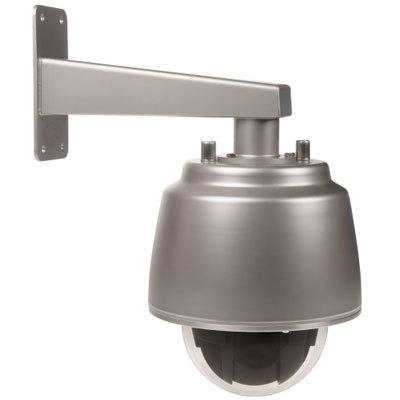


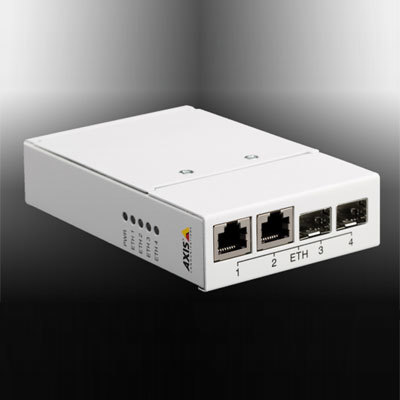


Round table discussion

The ability to treat patients in a secure environment is a base requirement of hospitals and other healthcare facilities. Whether facilities are large or small, security challenges abound, including perimeter security, access control of sensitive areas, video surveillance, and even a long list of cyber-risks. We asked this week’s Expert Panel Roundtable: What are the security challenges of hospitals and the healthcare industry?

There’s a huge cloud hanging over the physical security market, but in a good way. Cloud-based systems, whether for video, access control or another category, are on the verge of taking the industry by storm. The benefits of that mythical “cloud” are well-known, or certainly well-touted, in the market. It’s almost as if the word “cloud” has become a buzzword that can mean different things, or at least whatever the customer wants it to mean (as long as they buy!). We asked this week’s Expert Panel Roundtable to define the term more specifically, and to comment on the industry’s understanding of the terminology. Specifically, we asked: Define what we mean by “the cloud.” Is the definition universally understood in the market?


Fiber Optics: Manufacturers & Suppliers

Technology's role in securing banks and financial institutions
Download
Security technologies promote real-time awareness in K-12 schools
Download
Integrated systems enable critical and compliant security for transportation
Download
Modernising physical access control
Download
Access. Intrusion. One estate.
Download