Coastal surveillance

Colt Technology Services, the global digital infrastructure company, announces further investment in its global network as hyperscalers, neoscalers and wholesale providers scale their AI infrastructure and drive unprecedented demand for connectivity. The investment expands Colt's reach across North America, Africa, Asia and the Middle East, strengthens its presence in key metro markets, and upgrades critical optical fibre infrastructure to support the next generation of AI-driven growth. Trans...

ClanTect, as part of the 3DX-RAY Ltd portfolio, has secured a significant contract to supply six ClanTect Human Presence Detection systems to support state border security operations in Eurasia. The award represents the first major contract secured by ClanTect since becoming part of 3DX-Ray and marks another important milestone in the continued international deployment of advanced clandestine detection technology. Intrusive inspection procedures ClanTect HPDS is designed to provide a fast, hi...

GISEC Global 2026, the Middle East & Africa’s largest and most impactful cybersecurity event, concluded its 15th edition following three days of international collaboration, technology innovation and high-level dialogue on the future of cyber resilience. Held for the first time at Dubai Exhibition Centre, Expo City Dubai, the 2026 edition welcomed thousands of visitors from more than 130 countries, alongside 750+ global cybersecurity brands and 350+ speakers. The international turnout...

Aetina Corporation, a pioneer AI solution provider and an accelerator of AI infrastructure, announces the general availability of its DeviceEdge AIE-KT78 and AIE-KT68 flagship edge AI systems. Powered by NVIDIA Jetson Thor, both new systems integrate NVIDIA Blackwell architecture's high-performance AI compute, high-bandwidth sensor connectivity, and deterministic industrial control into a compact edge system — purpose-built for Collaborative Robots (Cobots), humanoid robots, and next gene...

dormakaba has acquired the operating businesses of Azure Access Technology Inc. (Azure Access), a supplier of innovative, adaptable electronic access control hardware, and ADME, Inc. (Apollo Security), a pioneer in the development and manufacturing of access control and integrated security systems. Founded in 2019 in Newport Beach, California (USA), Azure Access develops next-generation, adaptable electronic access control hardware for the US commercial market. Its open architecture controller...

Hanwha Vision has launched its new VGA AI Tele lens Thermal Camera series, introducing a next-generation thermal surveillance solution designed to deliver highly accurate AI-based detection across both land and maritime environments. Combining ultra-sensitive thermal imaging, advanced AI analytics, mission-critical cybersecurity, and rugged durability, the new series is engineered to support critical infrastructure, perimeter protection, coastal monitoring, and border security operations in the...
News

Inner Range has released Integriti V26.0, the latest evolution of its flagship unified security platform. This release introduces a range of new capabilities designed to improve operational efficiency, strengthen security, and expand integration across access control, biometrics, and license plate recognition (LPR). Integriti V26.0 brings a major upgrade to how users interact with access control at the door level. With OSDP Reader Text Support, operators can display real-time, contextual messages directly on supported readers. This moves beyond traditional LED and audible feedback, providing clearer and more meaningful information at the point of entry. This allows sites to: Communicate door status clearly, including locked, unlocked, or override states Deliver safety messaging during lockdown or emergency events Provide customised, site-specific instructions to users This enhancement transforms the reader into a communication point, improving clarity and usability for everyday access scenarios. Everyday access scenarios Managing visibility within a system is essential for both security and privacy. Integriti V26.0 introduces a new “Review Filters Only” operator permission model, providing more precise control over what users can view. This enables organisations to: Restrict operators to relevant activity and events, Limit exposure to sensitive or unnecessary data, Enable targeted monitoring based on roles, areas, or integrations. Stronger data control The result is a system that balances operational visibility with stronger data control. Integriti V26.0 continues to strengthen its open ecosystem with new integrations released alongside the platform. The LPR integration allows compatible cameras to send vehicle data directly into Integriti without requiring a CCTV server. This simplifies infrastructure while enabling automated vehicle access workflows. Integriti V26.0 introduces native support for Invixium biometric devices, including fingerprint and facial recognition. This enables: Seamless integration with existing access control systems Automatic syncing of users and credentials Support for biometric-based access alongside existing card credentials Secure identity verification These integrations provide more flexible and secure identity verification options across a wide range of environments. Invixium Biometric Readers are available from Wesco globally. Integriti V26.0 expands its role within smart buildings through support for the Schindler PORT Lift Integration (API v1.0). This enables: Greater visibility of lift and floor states Advanced logic for floor access and routing Builds on Inner Range's established Schindler integration By integrating more deeply with building systems, Integriti becomes a central point for managing both security and movement within a facility. Range of platform improvements A range of platform improvements ensures Integriti V26.0 continues to meet the demands of large-scale deployments. Enhancements include: Support for Microsoft SQL Server 2025 Improved performance when processing large datasets Faster responsiveness across enterprise environments Expanded REST API v2 capabilities for deeper data access These updates ensure consistent performance as systems scale in size and complexity. Modernised user experience Integriti V26.0 introduces a refreshed web client theme aligned with the broader Inner Range product portfolio. This delivers: A more consistent user interface across platforms Improved usability for operators Reduced onboarding and training time Security and Reliability at Every Release Protecting system integrity As with every version, Integriti V26.0 includes important security updates and vulnerability patches to protect system integrity and customer environments - reinforcing Inner Range’s commitment to the Integriti platform. Integriti V26.0 introduces a series of improvements that enhance how security systems are managed, experienced, and scaled. Key outcomes include: Smarter interaction at the door with dynamic messaging Stronger security through granular permissions and biometrics Expanded integrations across LPR, biometrics, and building systems Improved performance for enterprise-scale deployments

Zenitel, the supplier of unified critical communication solutions, announced the hiring of a key sales executive in its Americas Onshore Business Unit. David Douglas has been named Regional Sales Leader for the Southwest region, which encompasses the US states of Arizona, California, Hawaii, and Nevada. David has a demonstrated history of working in the security, public safety, emergency management, and public education industries. Before transitioning into the private sector, he served for 31 years with Southern California law enforcement and was a first responder to the 9/11 World Trade Center attacks. His distinguished public service career provided a strong foundation for building trust and solving complex challenges. Solving complex challenges Following his enforcement career, David earned a reputation for delivering exceptional customer service, developing strong client relationships, and achieving consistent business growth with sales and business development roles with integrator American Integrated Security Group (AISG) and with Motorola’s A&E group and Federal Government Division/DoD. David has a bachelor’s degree in criminal justice from California State University, Long Beach. He’s a board member with Optelligent Market Solutions, which offers services tailored for companies venturing into the US physical security market. Critical communication solutions "I'm honoured to join Zenitel and lead the Southwest sales organisation," said David. "Throughout my career—both in public service and business—I've learned that success is built on trust, accountability, and strong relationships. I look forward to working with our customers and team members to deliver our intelligent critical communication solutions.” "We are very excited to welcome David to our team,” said Bruce Czerwinski, SVP of Zenitel Americas. “Beyond his impressive law enforcement career, David has demonstrated a proven ability to build relationships and deliver results. We are confident that his leadership will strengthen our presence across the Southwest region and help us continue to deliver solutions that allow people to hear, be heard, and be understood, every time.” David is based in the Reno, Nevada area.

ONVIF®, whose open standards make IP-based physical security products interoperable worldwide, has introduced the Release Candidate for ONVIF Profile V, a draft standard for cloud-based video surveillance. Profile V extends the ONVIF brand-independent approach to the cloud, giving system integrators, consultants and end users a way to build cloud video systems that are not tied to a single vendor. A cloud-based video management system reduces or replaces on-site hardware and runs video through a remote server. It minimises the need for local servers, simplifies maintenance, supports remote access from a web client, and makes it easier to expand storage as a system grows. Video management software Most cloud video surveillance systems today are proprietary, tying a customer's cameras, video management software and recordings to a single provider. Profile V delivers those cloud benefits without the lock-in: conformant products from different manufacturers work together, and any one of them can be replaced without redesigning the whole system. "Standardising cloud video surveillance is a natural next step for ONVIF," said Leo Levit, Chairman, ONVIF Board of Directors. "As more security systems move to the cloud, we want that shift to give customers more choice, not less. When the fundamentals are standardised, companies can build on top of them, and customers can trust that what they invest in today will still work with what they choose tomorrow." Secure outbound connection Profile V enables a conformant cloud-based video management system (VMS) to reach cameras behind a local firewall, typically without port forwarding or VPN configuration. The conformant device makes a secure outbound connection to the cloud VMS, then streams live video and, if applicable, audio over WebRTC to an ONVIF client or an authorised standard web client. The device can also send event notifications to the cloud VMS to take action. Video and audio are encrypted before they are pushed to cloud storage, such as Amazon S3 or Microsoft Azure Blob Storage. Profile V can be combined with other ONVIF video and access control profiles for integrated or hybrid systems. Evolving security requirements Security is built in. Profile V conformant products must implement the ONVIF Profile V Security Add-on, which covers two areas: it uses the OAuth 2.0 framework so that only authorised devices, clients and cloud services can connect and exchange data, and it encrypts recordings on their way to storage. ONVIF placed these requirements in an add-on instead of the profile itself because an add-on can be updated to keep pace with evolving security requirements without rewriting the full Profile V specification. The draft Profile V specification is available now for review by ONVIF members, and ONVIF expects to finalise it by the end of the year. A technical FAQ about the Profile V Release Candidate is available here.

AEWIN Technologies, a member of BenQ Qisda Group, will showcase its next-generation network appliances and servers at COMPUTEX 2026. The exhibition highlights the convergence of high-performance computing and advanced networking architectures for AI-driven applications. Featured platforms include Taiwan Excellence Award-winning high-availability storage servers, edge computing platforms, general-purpose servers, and high-performance network appliances designed to accelerate AI-powered cybersecurity, Edge AI, and smart storage deployments. Sustainable future together AEWIN Technologies participates in the BenQ Group COMPUTEX AI IN ACTION exhibition and demonstrates its strategic momentum and integration capabilities in the "AI infrastructure" business on the 4th floor of Hall 1, Taipei Nangang Exhibition Center from June 2 to June 5. The booth number is M0104, and the BenQ Group companies will create a smarter and more sustainable future together. “As Agentic AI is rapidly reshaping cybersecurity and networking environments, the demand for infrastructure capable of real-time analytics, large-scale data processing, high-throughput networking, and accelerated storage performance is growing exponentially,” said Charles Lin, General Manager of AEWIN Technologies. “Through deep collaboration with industry leaders including Intel and AMD, AEWIN continues to deliver highly reliable and performance-optimised platforms that help enterprises modernise data center architectures with resource utilisation and energy-efficient deployment.” Threat detection performance For mission-critical applications, AEWIN introduces the MIS-5131 2U2N high-availability storage server powered by Intel Xeon 6 processors. Supporting up to 24 dual-port NVMe SSDs, the platform integrates BMC heartbeat monitoring and high-speed NTB inter-node communication to enable real-time failover for efficient redundancy. For performant networking applications, the SCB-1953 combines Intel Xeon 6 processors, Intel QAT, and PCIe Gen5 technologies with Intel E830-based high-throughput NICs to significantly enhance packet processing and threat detection performance. Exceptional computing performance For scalable computing infrastructure, the dual-socket general-purpose server, BIS-5231, delivers exceptional computing performance with two Intel Xeon 6 CPUs and features 12 3.5” drive bays and eight PCIe Gen5 expansion slots for flexible deployment of NICs, GPUs, FPGAs, and encryption accelerator cards for diverse AI and cybersecurity workloads. Powered by AMD EPYC 9005 processors, the BAS-6101 supports eight PCIe Gen5 slots and one OCP 3.0 expansion slot in a short-depth chassis design, making it ideal for space-constrained edge computing deployments requiring high computing density. Accelerate AI innovation With a comprehensive portfolio of network appliances and servers, AEWIN is advancing next-generation AI infrastructure through the integration of high-performance computing, networking, and cybersecurity technologies. By delivering secure, scalable, and low-latency platforms, AEWIN empowers diverse AI applications across edge, enterprise, and data centre environments. Moving forward, AEWIN will continue strengthening ecosystem partnerships to accelerate AI innovation and adoption worldwide.

Paratech announces the launch of the HydraFusion AutoShore Strut, the most advanced lifting and shoring tool ever engineered for technical rescue. Purpose-built for heavy lift rescue in the world’s most demanding environments, the AutoShore combines automated operation, advanced safety features, and industry-pioneer load performance to set a new standard for the rescue industry. Engineered for high-risk rescue environments, the HydraFusion AutoShore Strut keeps responders farther from danger while delivering unmatched strength and reliability. Its automated operation reduces the manual effort required at the point of greatest hazard, allowing crews to stabilize loads, lift vehicles, and shore unstable structures from a safer working distance. Most demanding conditions “The HydraFusion AutoShore Strut is the most advanced lifting strut in the world,” the company stated. “It is durable, intuitive, and rescue-ready — designed to give modern technical rescue teams a powerful tool that increases efficiency and protects responders in the most demanding conditions.” Automated Operation: Powered actuation streamlines deployment and reduces the physical demands on rescue crews under pressure. Advanced Safety Features: Built-in safeguards help keep responders out of harm’s way during heavy lifts and shoring operations. Industry-Pioneer Load Performance: Engineered to handle the toughest lifts with proven reliability that rescue professionals can trust, with patented Overload Indicator. Rescue-Ready Design: Durable construction and an intuitive interface means less training time and more time in the field. Hands-on demonstrations Rescue professionals will have the opportunity to experience the HydraFusion AutoShore Strut firsthand at Interschutz, the world’s largest trade fair for fire prevention, rescue, civil protection, and safety. Paratech invites attendees to visit its booth for live, hands-on demonstrations, where teams can operate the AutoShore, see its automated lifting and shoring capabilities in action, and speak directly with Paratech product specialists. Whether evaluating new equipment or refining existing capabilities, Interschutz visitors will get an up-close look at why the HydraFusion AutoShore Strut is redefining heavy lift rescue. The HydraFusion AutoShore Strut is available now through Paratech and its authorized distributors.

Yubico, the pioneer of phishing-resistant authentication and creator of the YubiKey – the gold standard of security keys – today announced an industry-first collaboration with OpenAI, the creator of ChatGPT. Beginning today, people can purchase a new two-pack set of custom YubiKeys as part of OpenAI’s Advanced Account Security programme – enabling them to secure their ChatGPT accounts with security keys, containing the strongest hardware-backed passkeys. Highest level of protection Specifically designed for security-conscious users who are at increased risk of targeted digital attacks, the set includes a YubiKey C NFC for tap-to-authenticate on mobile, and a low-profile YubiKey C Nano that stays in the user’s port for everyday laptop use – both packed with modern authentication features for the highest level of protection. With OpenAI already using YubiKeys internally to protect its employees and infrastructure from sophisticated phishing, it is now bringing the same level of account security to its users. This partnership between two industry leaders elevates protection for OpenAI user accounts through proven phishing-resistant, hardware-backed authentication – helping reduce the risk of account takeovers and making secure login simple. Hardware-backed authentication “We are introducing a new model for phishing-resistant security at scale for the AI ecosystem,” said Jerrod Chong, chief executive officer, Yubico. “This partnership with OpenAI delivers the highest level of protection against phishing with a low-friction user experience. Ultimately, our intent is to drastically reduce the threat of unauthorised access to sensitive data in OpenAI accounts worldwide. We are proud to partner with OpenAI to deliver YubiKeys – the leading security key that offers the strongest way to use passkeys – increasing protection of sensitive user data for the AI frontier.” Phishing-resistant protection “Security keys are one of the best ways to protect accounts from phishing, and Yubico has played a leading role in making that protection practical and accessible,” said Dane Stuckey, chief information security officer, OpenAI. “We’ve made YubiKeys a standard part of how we protect OpenAI employees, and with Advanced Account Security, we’re making it easier for ChatGPT users to choose that same kind of phishing-resistant protection when it’s right for them.” By combining Yubico's global scale and enterprise-grade reliability with OpenAI's commitment to user privacy and strong data security, this partnership expands the global adoption of YubiKeys – ensuring the future of AI is more secure against an evolving cyber threat landscape. Once enrolled, users benefit from the strongest account defence available today through a fast, passwordless experience. The YubiKey C NFC - OpenAI and YubiKey C Nano - OpenAI are available with exclusive pricing for existing OpenAI account holders.

Expert commentary

The global maritime surveillance market is projected to grow from $21.9 billion in 2023 to $ 42.7 billion by 2033. This growth is being driven by increasing global trade, maritime security concerns, and the adoption of advanced surveillance technologies such as radars, drones, and satellite monitoring systems. Moreover, the global shipping industry is now on the frontlines of a new kind of conflict — one defined by economic coercion, shadow fleets, and contested logistics – a durable competition where adversaries seek control and influence over global supply chains. As tariff regimes expand and national security policies increasingly target commercial vessels, maritime operators are being forced to navigate a risk environment shaped more by geopolitics than wind and weather. Infrastructure of global trade Trade disruptions are no longer accidental by products of diplomacy — they are deliberate policy levers. Tariff escalation between the U.S. and China, sanctions on Russian oil, and Houthi attacks in the Red Sea are not isolated threats; they signal a new normal in which governments treat the shipping industry as a tactical asset. From China's military-civil fusion shipbuilding policies to LOGINK, its state-run maritime surveillance network, the very infrastructure of global trade is becoming entangled in nation-state agendas. Contested logistics: Struggle for global economic stability The current maritime threat landscape involving contested logistics contains strategic positioning The current maritime threat landscape involving contested logistics encompasses strategic positioning across critical chokepoints and infrastructure. The statistics are sobering: major shipping companies reported traffic through the Suez Canal dropped by 66% as of September 2024 due to Houthi attacks, with J.P. Morgan estimating shipping costs have surged significantly, particularly from Asia to Europe, nearly five-fold. Regional maritime security issues These developments illustrate how foundational industries, such as shipbuilding, semiconductors, and rare earth minerals, have become battlegrounds in a broader geopolitical struggle where a cascade of effects have the potential to destroy economies. For example, a military blockade of Taiwan — where Taiwan Semiconductor Manufacturing Corporation operates — would impact every company dependent on advanced semiconductors. This interconnectedness means that what may, on the surface, appear to be regional maritime security issues, can be much more — the potential for global economic disruption across multiple industries. Monitoring of Arctic fleet movements Shadow fleets operated by sanctioned states rely on tactics such as false flagging, frequent ownership changes New threat vectors are coming into focus as the seas expand. As the polar ice caps melt, new Arctic shipping lanes are opening, with a large portion of traffic driven by Russian vessels. These routes present unique surveillance challenges due to their remote nature and the limited presence of traditional maritime enforcement bodies. Monitoring of Arctic fleet movements and infrastructure developments is essential for maintaining security in this emerging corridor. Concerns about dual-use capabilities and strategic readiness Shadow fleets, illicit networks, and military-grade commercial vessels represent real risks, posing challenges in the areas of regulatory compliance, insurance viability, and operational safety. Shadow fleets operated by sanctioned states rely on tactics such as false flagging, frequent ownership changes, and manipulations of the Automatic Identification System (AIS). By turning off transponders, spoofing locations, or falsifying data, these vessels can effectively vanish from traditional tracking systems. This disappearance makes ships harder for authorities to trace and easier for adversaries to exploit for sanctions evasions and/or covert logistics. China's commercial fleets increasingly mirror military standards, raising concerns about dual-use capabilities and strategic readiness under the guise of trade. The need for a new risk framework To navigate this new threat landscape on the high seas, organisations must adopt a new kind of visibility For logistics and shipping pioneers, these implications are profound. This is no longer about simply avoiding sanctioned cargo — it's about forecasting how governments will act and how quickly those actions can alter operations. Vessels may be commandeered, sanctioned, or rerouted without warning. Insurance may evaporate. Contracts may become liabilities. To navigate this new threat landscape on the high seas, organisations must adopt a new kind of visibility — one that models the cascading effects of tariffs, military requisition policies, and enforcement shifts. This is where Open-Source Intelligence (OSINT) becomes indispensable. Real-time context on geopolitical risks OSINT draws from publicly available data -- including satellite imagery, port registries, and social media — to provide real-time context on geopolitical risks. It can be used to track vessel flagging and ownership changes, monitor transshipment hubs, and surface anomalies in crew rosters and employment histories — indicators often tied to sanctions evasion or illicit activity. AIS anomaly detection reveals when ships "go dark." Satellite imagery exposes vessels operating without transponders. Tracking shifts in vessels' flagging or changes in crew manifests can signal risk before it hits operations. Early indicators of disruption OSINT supports risk modelling by revealing trends like flag-of-convenience usage, secondary insurance For insurers and regulators, OSINT supports risk modelling by revealing trends such as flag-of-convenience usage, secondary insurance underwriting in high-risk zones, and affiliations with known bad actors. OSINT doesn't just enhance compliance — it enables foresight, empowering industry players to anticipate when and where governments will act. Now, tariff announcements, sanction designations, and strategic military exercises are not isolated datapoints — they're potentially early indicators of disruption. Maritime situational awareness is a business imperative The age of separating business risk from political risk is over. Global shipping is now a domain of contested logistics where the rules can change as fast as a sanctions update or new enforcement directive. Companies that integrate OSINT into their operational planning gain the ability to model and mitigate threats proactively. Those that don't may find themselves caught in the wake of potential financial, operational, and reputational harm. The shipping industry needs access to the same kind of threat modelling governments use to act. In an era of growing complexity, the role of OSINT in securing global shipping networks cannot be overstated.

When a bomb detonated in the Port of Beirut, I had hundreds of employees under my care inside the blast zone. Within just two hours, I was able to determine who was impacted, understand their safety conditions, and share resources for on-the-ground support—all thanks to mobile technology. For Chief Security Officers, receiving calls like these launches a variety of protocols and necessary decision-making with the safety and security of people and assets as a top priority. And these calls are only becoming more common. Dependence on threat intelligence Mobile phones have dominated the post-COVID environment where people work from anywhere Threats ranging from natural disasters to geopolitical conflicts are becoming more frequent and complicate the responsibility organisations have in keeping their people safe. To meet these needs CSO’s are staying ahead of negative outcomes through creating a greater dependence on threat intelligence. In these times, effective, real-time risk management depends on hyper-local data from technology that is accessible, portable, and dynamic–such as cell phones. Mobile phones have revolutionised the way people live and work. They allow us all to walk around with a computer in our pocket, bringing the world to our fingertips and eliminating digital borders for over 90% of the world's population. Mobile phones have dominated the post-COVID environment where people work from anywhere and have geographically distributed teams but are also more vulnerable to threatening events. Mobile-friendly risk management platforms Mobile technology assigns workers with easy entry to data that can help keep them and their teams safe As we approach 2024, many organisations are adopting comprehensive risk management tools that empower personnel across the organisation with the intelligence and knowledge they need to stay safe wherever they are. Mobile-friendly risk management platforms, such as Crisis24 Horizon, provide always-on awareness, on-hand threat intelligence, and immediate communications and distress signalling through location monitoring. Users receive location risk assessments and push notifications directly to their devices about nearby issues and threats no matter if they are on or off the job. While only select risk managers have complete control of the platform and all sensitive employee data is protected through encryption, the app distributes critical intel to foster a culture of shared awareness and responsibility. Thus, mobile technology empowers employees with easy access to information that can help keep them and their teams safe. Creating a culture of mobile technology adoption In the last few years, the world has proven the importance of being well-informed of risks and mitigation plans to minimise harm. However, psychological barriers tend to trump physical barriers when it comes to accessing the vast array of tools our mobile devices offer. World has proven the matter of being well-informed of risks and relief plans to minimise harm Adopting this technology and establishing a culture that enforces risk management across an organisation is a daunting challenge that demands substantial commitment from leadership to be successful. Some companies have tackled this challenge by positioning security technology as part of the organisation’s employee benefits package, such as commuter benefits and health insurance, to encourage people to take advantage of these resources and learn how to use them. Cohesive risk management culture Technology is only as effective as the people whose actions it informs, which is why adoption and integration are so important. When a cohesive risk management culture meets a powerful technology platform, individuals are enabled to receive threat alerts and counter their impacts, letting others know when and how to take the necessary precautions to protect themselves and their team. For more information on mobile technology and other security trends, check out the Global Risk Forecast, an annual report by Crisis24 that provides a comprehensive analysis of key events around the world most likely to affect operations in the coming year.

Global transportation networks are becoming increasingly interconnected, with digital systems playing a crucial role in ensuring the smooth operation of ports and supply chains. However, this reliance on technology can also create vulnerabilities, as demonstrated by the recent ransomware attack on Nagoya Port. As Japan's busiest shipping hub, the port's operations were brought to a standstill for two days, highlighting the potential for significant disruption to national economies and supply chains. Transportation sector The attack began with the port's legacy computer system, which handles shipping containers, being knocked offline. This forced the port to halt the handling of shipping containers that arrived at the terminal, effectively disrupting the flow of goods. The incident was a stark reminder of the risks associated with the convergence of information technology (IT) and operational technology (OT) in ports and other critical infrastructures. This is not an isolated incident, but part of a broader trend of escalating cyber threats targeting critical infrastructure. The transportation sector must respond by bolstering its defences, enhancing its cyber resilience, and proactively countering these threats. The safety and efficiency of our transportation infrastructure, and by extension our global economy, depend on it. Rising threat to port security and supply chains XIoT, from sensors on shipping containers to automatic cranes, are vital to trendy port functions OT, once isolated from networked systems, is now increasingly interconnected. This integration has expanded the attack surface for threat actors. A single breach in a port's OT systems can cause significant disruption, halting the movement of containers and impacting the flow of goods. This is not a hypothetical scenario, but a reality that has been demonstrated in recent cyberattacks on major ports. Adding another layer of complexity is the extended Internet of Things (XIoT), an umbrella term for all cyber-physical systems. XIoT devices, from sensors on shipping containers to automated cranes, are now integral to modern port operations. These devices are delivering safer, more efficient automated vehicles, facilitating geo-fencing for improved logistics, and providing vehicle health data for predictive maintenance. XIoT ecosystem However, the XIoT ecosystem also presents new cybersecurity risks. Each connected device is a potential entry point for cybercriminals, and the interconnected nature of these devices means that an attack on one, which can move laterally and can have a ripple effect throughout the system. The threat landscape is evolving, with cybercriminals becoming more sophisticated and their attacks more damaging with a business continuity focus. The growing interconnectivity between OT and XIoT in port operations and supply chains is also presenting these threat actors with a greater attack surface. Many older OT systems were never designed to be connected in this way and are unlikely to be equipped to deal with modern cyber threats. Furthermore, the increasing digitisation of ports and supply chains has led to a surge in the volume of data being generated and processed. This data, if not properly secured, can be a goldmine for cybercriminals. The potential for data breaches adds another dimension to the cybersecurity challenges facing the transportation sector. Role of cyber resilience in protecting service availability Cyber resilience refers to organisation's ability to prepare for, respond to, and recover from threats As the threats to port security and supply chains become increasingly complex, the concept of cyber resilience takes on a new level of importance. Cyber resilience refers to an organisation's ability to prepare for, respond to, and recover from cyber threats. It goes beyond traditional cybersecurity measures, focusing not just on preventing attacks, but also on minimising the impact of attacks that do occur and ensuring a quick recovery. In the context of port operations and supply chains, cyber resilience is crucial. The interconnected nature of these systems means that a cyberattack can have far-reaching effects, disrupting operations not just at the targeted port, but also at other ports and throughout the supply chain. A resilient system is one that can withstand such an attack and quickly restore normal operations. Port operations and supply chains The growing reliance on OT and the XIoT in port operations and supply chains presents unique challenges for cyber resilience. OT systems control physical processes and are often critical to safety and service availability. A breach in an OT system can have immediate and potentially catastrophic physical consequences. Similarly, XIoT devices are often embedded in critical infrastructure and can be difficult to patch or update, making them vulnerable to attacks. Building cyber resilience in these systems requires a multi-faceted approach. It involves implementing robust security measures, such as strong access controls and network segmentation, to prevent attacks. It also involves continuous monitoring and detection to identify and respond to threats as they occur. But perhaps most importantly, it involves planning and preparation for the inevitable breaches that will occur, ensuring that when they do, the impact is minimised, and normal operations can be quickly restored. Building resilience across port security and supply chains In the face of cyber threats, the transport sector must adopt a complete method of cybersecurity In the face of escalating cyber threats, the transportation sector must adopt a comprehensive approach to cybersecurity. This involves not just implementing robust security measures, but also fostering a culture of cybersecurity awareness and compliance throughout the organisation. A key component of a comprehensive cybersecurity strategy is strong access controls. This involves ensuring that only authorised individuals have access to sensitive data and systems. It also involves implementing multi-factor authentication and regularly reviewing and updating access permissions. Strong access controls can prevent unauthorised access to systems and data, reducing the risk of both internal and external threats. Network segmentation Network segmentation is another crucial measure. By dividing a network into separate segments, organisations can limit the spread of a cyberattack within their network. This can prevent an attack on one part of the network from affecting the entire system. Network segmentation also makes it easier to monitor and control the flow of data within the network, further enhancing security. Regular vulnerability assessments and patch management are also essential. Vulnerability assessments involve identifying and evaluating potential security weaknesses in the system, while patch management involves regularly updating and patching software to fix these vulnerabilities. These measures can help organisations stay ahead of cybercriminals and reduce the risk of exploitation. EU’s NIS2 Directive EU’s NIS2 Directive came into effect, and member states have until October 2024 to put it into law The transportation sector must also be prepared for greater legislative responsibility in the near future. The EU’s NIS2 Directive recently came into effect, and member states have until October 2024 to put it into law. The Directive aims to increase the overall level of cyber preparedness by mandating capabilities such as Computer Security Incident Response Teams (CSIRTs). Transport is among the sectors labelled as essential by the bill, meaning it will face a high level of scrutiny. Getting to grips with the complexities of XIoT and OT integration will be essential for organisations to achieve compliance and avoid fines. Global transportation infrastructure Finally, organisations must prepare for the inevitable breaches that will occur. This involves developing an incident response plan that outlines the steps to be taken in the event of a breach. It also involves regularly testing and updating this plan to ensure its effectiveness. A well-prepared organisation can respond quickly and effectively to a breach, minimising its impact and ensuring a quick recovery. In conclusion, mastering transportation cybersecurity requires a comprehensive, proactive approach. It involves implementing robust technical measures, fostering a culture of cybersecurity awareness, and preparing for the inevitable breaches that will occur. By taking these steps, organisations can enhance their cyber resilience, protect their critical operations, and ensure the security of our global transportation infrastructure.
Security beat

The security landscape is undergoing a profound transformation, as evidenced by the innovations showcased at the ISC West Expo 2026. From dismantling of silos between physical and digital security to the ongoing transition to cloud and hybrid platforms, much of the discussion on the show floor was familiar, if somehow more urgent than ever. Clearly the industry is moving toward unified, cloud-native, and highly automated ecosystems. In a series of deep-dive meetings and demonstrations at the recent show, I got a first-hand glimpse of the future of the physical security marketplace. Spoiler alert: The future is now! HID Global: Tearing down the silos HID Global is addressing the long-requested convergence of physical and digital security. Recognising that the industry has historically operated in silos, HID is now leading with a combined implementation team to leverage the power of both sides. HID is supporting the transition by combining its logical and physical security teams to help end users design secure, end-to-end journeys for their employees. By leveraging its massive existing footprint in physical access, HID is uniquely positioned to help organisations upgrade their cybersecurity posture without a total "rip and replace" of their hardware. HID is seeing a surge in demand for converged credentials that unite building access with digital identity. On the digital front, HID has implemented FIDO (Fast Identity Online) and passkeys to replace traditional passwords with more secure, biometric-backed authentication methods. Acre Security: Bridging the gap to the cloud Acre Security previewed a cloud-native video solution, reinforcing its cloud-first security strategyAcre Security is currently consolidating brands, bringing established names like Feenics and AccessIt under a single corporate umbrella. A primary theme for the company at ISC West is the migration of legacy systems to modern infrastructure. To facilitate the transition, they are launching "The Bridge," a technology designed to help on-premise customers transition to the cloud at a pace that suits their operational needs. The company is also expanding its portfolio into video. Attendees at the show received a preview of a new cloud-native video solution slated for release later this year, signaling Acre’s commitment to a holistic, cloud-first security suite. Acoem: Real-time acoustic threat detection With a 35-year foundation in vibration and acoustics—including military sniper detection—Acoem is providing gunshot detection through edge processing. Unlike systems that rely on the cloud and may suffer from latency, Acoem’s technology processes data at the sensor level for instant alerts. Their sensors are engineered for massive outdoor spaces, covering a 500-foot radius (roughly 11 football fields) and can detect high-powered rifle shots from up to half a mile away. The system provides critical intelligence by distinguishing between muzzle blasts and "mach noise" from bullet travel, delivering an audio file to the end-user that maps the location and direction of the threat. They use AI to filter out environmental false positives, such as skateboards hitting metal rails. Alarm.com: The all-in-one dealer ecosystem Beyond hardware, Alarm.com is leveraging AI to streamline the sales process Alarm.com is doubling down on "giving tools to dealers to help them be successful," with a focus on unified commercial solutions. A highlight at ISC West is their new fire communicator, which integrates fire monitoring into their single app, completing what they call the "fourth leg of the stool." The product allows fire systems to benefit from the same real-time customer engagement and push notifications that have long been available for intrusion and video. The key products, such as commercial-grade hardware, are now available for immediate purchase. Beyond hardware, Alarm.com is leveraging AI to streamline the sales process. Their new AI Proposal Builder uses customer meeting notes to automatically generate customised, value-driven sales proposals for dealers. Allegion: A global shift in credentialing Following the acquisition of ELATEC, Allegion is adopting a more global market approach and expanding its OEM business. The company is involved in the development of Aliro, the newly unveiled mobile credentialing standard. Allegion’s strategy is built on versatility: While Aliro serves the burgeoning mobile market, they also offer PKOC for plastic cards, allowing them to provide solutions regardless of the user's preferred credential type. The ELATEC acquisition has effectively filled previous gaps in their use-case portfolio, positioning them as a comprehensive provider for both physical and digital access needs. AtlasIED: Engineering for life safety Transitioning from audio to a fully automated threat detection company, AtlasIED showcased its new IPX line at ISC West. This modular platform uses a single PoE++ port to power various "plug-and-play" modules, allowing for easy system upgrades. Their gun detection technology achieves a 99% confidence rating by "stacking" AI models; it cross-references audio data with infrared signatures to detect muzzle flashes and air quality sensors for particulates. With systems already running in 80% of U.S. international airports, the company maintains 24/7 domestic engineering support to manage these "life-safety adjacent" environments. Axis Communications: Unifying connectivity Axis Communications is advancing network video with 4G/5G surveillance, reducing cabling needs Axis Communications continues to lead in network video, with a new focus on offering surveillance through 4G and 5G networks to eliminate the need for extensive cabling in long-range applications. Axis also introduced several specialised hardware pieces, including the P1486-LE global shutter camera for high-speed traffic monitoring and the Q2802-TE, which integrates thermal and visual monitoring into a single unit. To assist technicians, they launched a new installer app that uses Bluetooth for easier camera pairing and management directly from a mobile device. Axon: De-escalation through enterprise wearables Focusing on frontline safety, Axon is expanding from law enforcement into the enterprise sector with its retail and healthcare-focused body camera. Weighing only 0.25 lb, these cameras are designed to be less intimidating, using colorful designs and acting as a primary de-escalator for aggressive behavior. A clear front display signals when recording is active, striking a balance between safety and a non-intimidating appearance. These devices feature live-streaming and panic alarms that connect workers to a Global Security Operations Center (GSOC). To ensure the footage is legally viable, Axon maintains a rigorous audit trail that authenticates every action recorded. Genetec: The value of the unified platform Genetec is advocating for unified platforms that reduce the time between incident detection and resolution. They argue that AI is becoming a commodity and that the true value lies in unified platforms that reduce the time from incident to resolution. Their approach emphasises the "outcomes" customers need, such as allowing security teams to coalesce around an investigation quickly. Genetec remains a strong supporter of open systems for enterprise customers, ensuring they have the choice to integrate diverse technologies rather than being locked into a manufacturer’s “walled garden.” This flexibility is critical for high-end security environments that require tailored, responsive systems. Johnson Controls: Large-scale enterprise solutions Johnson Controls has made a significant push into the enterprise video market with C-Cure IQ, a standalone VMS designed for major hubs like airports and large campuses. Through a partnership with Scylla, they have integrated 11 advanced analytics—including facial recognition and weapons detection—directly into their cameras. They also showcased new multi-sensor panoramic cameras capable of "stitching" multiple images into a single 360-degree view. While innovating in video, Johnson Controls also confirmed modern upgrades to their intrusion line, including their legacy DSC Neo line. The new DSC PowerSeries Neo 5, a high-end residential and commercial platform, features an all-new user interface and built-in PowerG+. They have also begun shipping the IQ5 family lineup, which is powered by a Qualcomm DragonWing processor. ONVIF: Standardising the future of AI and cloud ONVIF continues to lead the charge in establishing common languages for the security industry. A major focus is their new "Cloud Profile," which enables cameras to connect directly to the cloud through a standardised protocol. They are also expanding into audio standards to ensure IP-based speakers can seamlessly connect to Video Management Systems (VMS). To combat the rise of sophisticated digital manipulation, ONVIF is developing "video signing" standards. ONVIF is actively seeking more diverse enterprise participation to help shape these emerging AI standardsThis feature protects the integrity of video for evidentiary purposes by embedding a digital signature and timestamp directly into the footage at the camera level. Additionally, the organisation has formed an AI Working Group to develop common communication methods for "AI agents" within physical security systems. ONVIF is actively seeking more diverse enterprise participation to help shape these emerging AI standards. Roberto Licari is the new ONVIF Ambassador, seeking to attract new companies (even outside the security sector) to ONVIF as they look to expand their offerings. SwiftConnect: Bridging digital and physical identity SwiftConnect is redefining access control by shifting the focus from physical cards to digital identity. As a cloud-based "connected access network," the platform bridges the gap between IT identity providers (like Okta or Azure AD) and legacy physical access control systems. At the show's Security Experience Center demonstrations, SwiftConnect showcased its ability to integrate mobile credentials within Apple and Google Wallets across multiple technology platforms. By aligning physical security with Zero Trust principles, they ensure that access is governed by the same rigorous standards as digital networks. Their software-centric approach allows for a more seamless employee experience while simplifying the management of complex, multi-site building security. This emphasises a future where the mobile device becomes the primary tool for navigating the physical workspace. Wasabi Technologies: Redefining cloud storage economics With cloud technology becoming a baseline requirement at every booth, Wasabi Technologies highlighted its "hot cloud storage" as a cost-effective alternative to major hyperscalers. Their model claims to be 80% less expensive than competitors, notably removing hidden fees. Wasabi is increasingly bundled at the "back end" of security solutions through partnerships with integrators and end users. A key feature for law enforcement and high-security sectors is their "Object Lock" capability, which ensures that video evidence remains untampered with and immutable during defined retention periods. By providing high-performance storage without the unpredictable costs typically associated with the cloud, Wasabi is positioning itself as the foundational layer for data-heavy video surveillance applications that require long-term, secure retention. Wasabi is positioning itself as the foundational layer for data-heavy video surveillance applications ZKTeco USA: Versatile and integrated access ZKTeco USA showcased a range of integrated solutions, including turnstiles, visitor management, and access control. Their Atlas access control series offers versatility, supporting everything from traditional readers and keypads to QR codes and fingerprint scanning, with the flexibility to operate on-premise or in the cloud. For tight environments, they introduced the Mars 100 turnstile, which features a compact 2x3-foot footprint. They also highlighted the Omni series, an all-in-one standalone reader-controller that manages access, intercom, and visitor functions in a single device. Innovation in portability was evident in their new walk-through metal detectors, which consist of two poles with an 8-hour battery life—ideal for schools and temporary events. While they offer their own Armatura readers, ZKTeco emphasised that their solutions can integrate with other industry leaders to fit diverse customer needs.
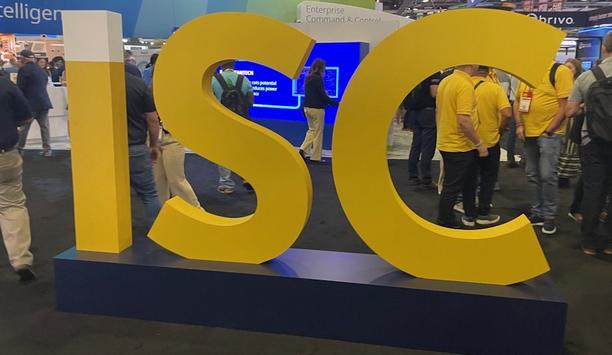
Artificial Intelligence (AI) had a major presence at the ISC West 2026 show in Las Vegas. Almost every booth offered some variation on AI and how intelligence is transforming the physical security industry. Several industry leaders led the way, showcasing how they are tackling complex security challenges with smarter, more efficient solutions. Obviously, the security industry will never be the same. Milestone Systems: Responsible AI and open platforms Milestone has declared 2026 the "year of delivery” on previously announced developments and enhancements. A standout feature is their new natural language AI search, which is being integrated across XProtect, Arcules, and Briefcam platforms to simplify how users interact with vast amounts of video data. A core pillar of their strategy is responsible AI development, which prioritises using licensed data over "scraped" data. They have introduced new anonymisation tools that protect privacy by replacing faces with AI-generated characteristics like hair color while keeping the person unrecognisable. Furthermore, Milestone is moving workloads to Linux to reduce costs, transitioning toward an app marketplace, and has partnered with NVIDIA for the "Hafnia" project to ensure high-quality data to train AI models. Ambarella: Powering the edge with AI chips With their presence at ISC West in a meeting room near the trade show floor, Ambarella is the "engine" behind many high-performance intelligent video products, specialising in low-power AI chips like the N1 and CV7 families. Their technology is moving beyond cameras, where they provide systems-on-chips [SOCs] to many manufacturers. They have expanded into "AI boxes" that can process 64+ video channels simultaneously. A standout feature is the Natural Language technology, which allows users to search for specific objects or abstract scenes using simple prompts. To address modern security concerns, Ambarella has implemented "agentic" programming for a no-code development of automated workflows and media signing to combat AI-generated deepfakes by verifying video integrity through metadata. Motorola Solutions: Simplifying intelligence Motorola Solutions shows physical security evolving into a real-time enterprise intelligence layer Motorola Solutions is prioritising user accessibility by integrating natural language processing into its system configuration. Motorola's portfolio demonstrates how physical security technology is evolving into a real-time operational intelligence layer across the enterprise. Instead of requiring custom coding, operators can now use simple commands—like asking the system to "show me when someone fell down"—to set up advanced analytics and search parameters. The company is also deploying AI agents designed to aggregate data and automatically flag safety or compliance risks, such as perimeter breaches or blocked fire exits. To ensure maximum utility of the hardware, Motorola Solutions’ system can ingest massive, complex physical manuals and automatically generate monitoring rules based on those standard operating procedures. Furthermore, Motorola is focusing on interoperability, using industry-standard interfaces to ingest data from various hardware brands and networks. This approach aims to provide operators with clear, recommended next steps during critical events, streamlining the decision-making process in high-pressure environments. i-PRO: Putting generative AI at the edge i-PRO is bringing generative AI directly to the edge with a new fisheye camera i-PRO is bringing generative AI directly to the edge with a new fisheye camera, which processes complex analytics locally rather than relying solely on the cloud. These cameras, on display at ISC West, have moved beyond simple attribute-based tracking to identify complex behaviors like aggression, fighting, and slip-and-fall incidents. By running on the latest Ambarella chips, i-PRO cameras can use generative AI to improve image quality and analyse scenes in real-time without external processing. This focus on edge-based intelligence ensures high-performance analytics are available even in environments where constant cloud connectivity might be a challenge. Brivo: The rise of agentic AI Brivo and Eagle Eye Networks have officially unified under the Brivo name, focusing on streamlining the experience for large integrators. They are pioneers in agentic AI, introducing features that allow users to talk to their mobile apps to initiate lockdowns or add users. Their Eagle Eye Video Assistant (EEVA) acts as a natural language AI agent that can monitor for specific threats, such as a brandished weapon or a specific vehicle, and automatically trigger access control responses. By treating access and video as a unified system, Brivo enables users to connect specific video skills—like detecting a red car or a brandished weapon—to automated access control actions. They are also using AI to achieve "zero-cost integration," linking disparate cloud systems using AI-generated instructions. Everon: Emphasis on video monitoring Everon is making a massive investment in active video monitoring, using AI-driven systems to deter crime even before it happens. “The market is ripe for it, and customers are demanding it,” says David Charney, Everon’s Sr. Vice President, Video Command Center. Employing virtual guards who can use voice commands, lights, and horns to "shoo away" unauthorised individuals. The company has implemented senior-level leadership that has facilitated more than 5,000 video-based apprehensions. Everon, specialising in integrated systems for multi-site businesses, uses a rigorous selection process to choose AI providers that can accurately filter alerts for specific applications, such as identifying when a fire door is blocked. As a "trusted advisor" to their 300,000 customers, the company focuses on delivering professional-level results that move beyond basic recording to proactive threat mitigation. Hanwha: New hybrid VMS combines cloud and on-prem Hanwha Vision highlighted the official public launch of Blaze, a hybrid video management system (VMS). The platform uses a hybrid architecture to manage on-premise and cloud-connected devices across multiple sites without complex port forwarding. Blaze features native AI capabilities, including semantic search that allows operators to find specific incidents using natural language queries, such as "person with a safety jacket." The AI security platform lets teams search surveillance footage the way they search Google. AI similarity detection allows operators to quickly trace a person’s movement and investigate incidents faster (useful in active shooter behavior, medical emergencies, or crowd panic scenarios, and more). The system also provides a "histogram" view of traffic patterns to help security professionals quickly identify anomalies in historical footage. OpenEye: Operational intelligence and shift to OpEx OpenEye unveiled AI-powered features such as visual chat and scene analysis OpenEye is redefining video surveillance by moving intelligence from the camera level to the cloud, significantly reducing the need for on-site server management. At ISC West, OpenEye introduced new AI-driven tools like visual chat and scene analysis. Beyond security, these tools provide valuable operational alerts, such as identifying overflowing dumpsters, dirty tables in restaurants, or vehicles blocking dock doors. The system also utilises natural language for search, allowing users to find specific attributes like "people wearing backpacks" within designated timeframes. OpenEye also highlighted an industry-wide shift toward operational expenditures (OpEx) billing models, as users increasingly prefer predictable monthly or yearly payments over large upfront capital expenditures (CapEx). This model aligns with their channel-based operations, meeting customers where they currently operate without the burden of high fees. IQSIGHT: New name, same mission for Bosch video Formerly Bosch Video, the newly named IQSIGHT seeks to maintain the “Bosch pedigree” under the new name. It’s the same engineering, manufacturing, etc. IQSIGHT also pledges to be "easier to do business with" by improving user interfaces and end-to-end user experiences. Despite the transition, the company has increased their pace of innovation and reinforced the open systems philosophy with enhanced integrations with Milestone, Genetec, and others. The major product release at the show is IVA Pro Context, which uses generative AI to provide human-level scene understanding. Through a partnership with Laelaps AI, a robotics startup, IQSIGHT is exploring autonomous dispatch and response. When a camera identifies a scene, it triggers a robot to provide a tailored response. Commercialisation is expected in 12 to 18 months. Verkada: How their system can solve a crime But how does AI operate in the real world? Verkada had a “themed” exhibit demonstrating how their system could solve a hypothetical theft at the Louvre museum in Paris. The exhibit took attendees through and showed how Verkada technologies (e.g., license plate recognition and search capabilities) could provide fast results to solve the crime. AI-powered tools, like their newest unified timeline, demonstrate value in the real world of investigations.

2025 was another impactful year for mergers and acquisitions (M&As) in the security industry, which is undergoing an enormous transformation as global pioneers prioritise specialised technology to drive future growth. The year 2025 has been defined by massive corporate reorganisations, most notably Honeywell and Resideo spinning off core divisions to unlock shareholder value. Simultaneously, an aggressive wave of mergers and acquisitions is reshaping the landscape, with giants like ASSA ABLOY and Motorola Solutions absorbing innovators in AI-driven surveillance, cloud-native access control, and identity management. From residential security shifts to critical infrastructure enhancements, this article will summarise how these strategic moves signal a decisive industry pivot toward integrated and intelligent security ecosystems. Resideo to spin off ADI business Resideo Technologies, Inc. announced its intention to separate its ADI Global Distribution business from its Products & Solutions (P&S) business via a tax-free spin-off to shareholders. The separation is expected to be completed in the second half of 2026. P&S will continue as Resideo, a building products manufacturer of residential controls The goal is to unlock value, enhance operational performance, and improve strategic flexibility for both entities. After the separation, P&S will continue as Resideo, a building products manufacturer of residential controls and sensing solutions. ADI will become an independent public company and remain a global wholesale distributor of low-voltage products, including security and audio-visual solutions. Honeywell separates into three companies There are big changes pending at Honeywell, another global security industry company. Honeywell announced plans to separate its Automation and Aerospace businesses into two independent, publicly traded companies following a comprehensive portfolio evaluation. Combined with the previously announced spin-off of Advanced Materials, this strategy will create three distinct industry pioneers. The Automation and Aerospace separation is targeted for completion in the second half of 2026 as a tax-free transaction for shareholders. The largest portion of Honeywell’s traditional security business (cameras, access control, and fire safety) sits within the Building Automation segment of the new Honeywell Automation company. This unit includes products from recent major acquisitions, such as LenelS2. SimpliSafe’s new chapter SimpliSafe has agreed to be acquired by private equity firm GTCR from Hellman & Friedman SimpliSafe has agreed to be acquired by private equity firm GTCR from Hellman & Friedman, another private equity firm. As the third largest U.S. residential security provider, SimpliSafe will continue under the leadership of the current CEO, while its founders remain significant investors. GTCR, an experienced security industry investor, intends to support the company’s expansion and continued innovation in AI-powered, DIY home protection. This marks a new chapter in SimpliSafe’s mission to provide professional monitoring without long-term contracts. SimpliSafe is GTCR’s fifth investment in the security alarm industry, including prior investments in residential-focused security companies SecurityLink and Protection1, along with commercial-focused security companies HSM and Everon. Motorola grows technology portfolio Motorola Solutions grew its portfolio through acquisitions in 2025. The industry giant strategically expanded its safety and security ecosystem through the acquisition of four specialised technology firms. The company acquired Blue Eye to integrate AI-driven remote video monitoring and 24/7 security operations into its threat detection workflows. To support frontline workers, Motorola added Theatro’s voice-powered communication platform, which complements existing mobile and video technologies. Motorola further bolster its public safety capabilities with the acquisition of RapidDeploy, a cloud-native Next Generation 911 provider that offers real-time caller mapping and data analytics to accelerate emergency responses. Motorola also agreed to acquire InVisit to enhance its Avigilon Alta suite with cloud-based visitor management, streamlining guest registration and blocklist screening for enterprise security. These acquisitions aim to unify detection, communication, and response across various sectors, including retail, healthcare, and critical infrastructure. Allied sells majority stake in AMAG Allied Universal sold a majority stake in AMAG Technology to Shore Rock Partners In December, Allied Universal sold a majority stake in AMAG Technology to Shore Rock Partners. Shore Rock is a growth investor focused on critical infrastructure, with strategic backing from BellTower Partners. Allied Universal will retain a significant minority share. The sale is intended to allow 54-year-old AMAG, which provides integrated access control, identity, guest, and video management solutions, to operate independently from Allied Universal's services-based model for long-term growth. Shore Rock's plan is to invest in advancing AMAG's product line and customer relationships. With this transaction, David Sullivan, AMAG's President, will become CEO. Everon acquires ADT multifamily segment Commercial security provider Everon announced in September that it had entered into a definitive agreement to acquire the business-to-business (B2B) multifamily segment from ADT. This acquisition is a strategic extension that expands Everon's reach in the valuable multifamily market. It will allow the company to offer a more comprehensive portfolio of tailored solutions, including access control, video surveillance, and self-guided tour capabilities. Everon's CEO states that the deal enables them to help property owners and managers increase net operating income and improve operational efficiency. Dormakaba acquires TANlock and Avant-Garde Dormakaba, a global provider of access solutions, acquired TANlock GmbH in July Dormakaba, a global provider of access solutions, acquired TANlock GmbH in July. TANlock is a German firm specialising in innovative high-security access solutions for data centers and other critical infrastructure. The acquisition strengthens Dormakaba’s presence in the data center market. TANlock's intelligent system provides enhanced server cabinet security using electromechanical rack locks and various authentication modules. This solution is scalable, future-proof, and can be integrated into existing IT infrastructures for both retrofits and new installations. Dormakaba also agreed to acquire Indiana-based Avant-Garde Systems Inc. to strengthen its North American entrance control portfolio. This move bolsters Dormakaba’s presence in high-growth sectors like airports and data centers. Acre acquires REKS for AI Recent M&A activity also reflects the growing importance of artificial intelligence. For example, Acre Security acquired REKS, a purpose-built generative AI solution designed to transform access control, allowing professionals to use natural language queries for instant data insights. Integrated into Acre’s cloud-native ecosystem, this AI-powered platform prioritises data privacy while streamlining operations. Led by a new AI Development Team, Acre plans to expand these capabilities into intrusion detection and visitor management. Two acquisitions for Allegion Global security provider Allegion, through one of its subsidiaries, completed the acquisition of ELATEC Global security provider Allegion, through one of its subsidiaries, completed the acquisition of ELATEC, a manufacturer of security and access technology, specialising in RFID credentials and readers solutions designed in Germany and sold globally. ELATEC’s portfolio of readers leverages their internally developed software stack and ensures compatibility with nearly 100 credential types, making the company a pioneer in interoperability, which aligns well with Allegion’s partner-of-choice strategy. Allegion, also through one of its subsidiaries, acquired Brisant Secure Limited, a security hardware provider in the United Kingdom. Senstar acquires Blickfeld for LiDAR sensors Senstar Technologies Corporation has agreed to acquire Blickfeld, a specialist in 3D LiDAR sensors and software. Expected to close in Q1 2026, the acquisition integrates Blickfeld’s hardware into Senstar’s advanced security ecosystem. This strategic move expands Senstar’s addressable market into volume monitoring and traffic applications while enhancing its AI-powered situational awareness capabilities. Following the transaction, Blickfeld will operate largely independently as a subsidiary. ASSA ABLOY continues acquisition spree Global giant ASSA ABLOY was probably the most active company in the M&A market in 2025 Global giant ASSA ABLOY was probably the most active company in the M&A market in 2025, demonstrating aggressive market growth, strategically reinforcing its core business, and expanding its technological footprint across the global security marketplace. The acquisitions delivered on the company's strategy to strengthen its position in mature markets by integrating complementary products and solutions. A major theme for ASSA ABLOY was the enhancement of the door and perimeter security portfolio, particularly in the Americas. This effort included acquiring US-based Metal Products Inc. (MPI) for custom-made hollow metal doors and frames and International Door Products (IDP) for fire-rated steel door frames, both in the fall. Earlier in the year, ASSA ABLOY gained a stronger presence in Central Canada with the addition of Wallace & Wallace and Wallace Perimeter Security, a manufacturer, distributor, and installer of perimeter fencing, door, and gate solutions. The Entrance Systems Division also saw expansion with the acquisition of Belgium’s Kingspan Door Components, a manufacturer of sectional door panels. Furthermore, Door System, a Danish manufacturer of high-quality fire-rated doors, was signed for acquisition in the spring. Cloud-based platform ASSA ABLOY also made significant moves in electronic and access control solutions. Early 2025 saw two key acquisitions: Uhlmann & Zacher, a German supplier of access control handles and knobs, and InVue, a US-based provider of connected asset protection and access control solutions. Reinforcing this segment, SiteOwl, a pioneering cloud-based platform for physical security lifecycle management, was acquired in the summer. The spring acquisition of Pedestal PRO, a US manufacturer of access control pedestals and mounting solutions, further strengthens the electromechanical offerings in the Americas. ASSA ABLOY bolstered its capabilities in remote care technology with Germany’s TeleAlarm Group in late spring. HID Global expands in 2025 HID Global, a subsidiary of ASSA ABLOY, was also active on the M&A front in 2025 HID Global, a subsidiary of ASSA ABLOY, was also active on the M&A front in 2025, aggressively driving the convergence of physical and digital identity solutions and signaling a clear roadmap for security professionals. HID's move to purchase Vancouver-based IDmelon, announced in the autumn of 2025, targets the critical need for robust logical access control. IDmelon’s proprietary software platform transforms everyday identifiers, including existing physical credentials, smartphones, or biometrics, directly into enterprise-level FIDO (Fast IDentity Online) security keys. This approach streamlines an organisation’s transition to phishing-resistant, passwordless multi-factor authentication (MFA) and minimises the need for disruptive changes by integrating physical and digital access into a single, cohesive solution. Safer patient experience Separate from its focus on digital access, HID also bolstered its Identification Technologies Business Area by acquiring the Calmell Group. Calmell is a long-established manufacturer specialising in smart cards, smart paper, and magnetic tickets for the public transportation sector. This addition is expected to expand HID’s footprint and relevance in global public transportation ecosystems, allowing the Barcelona-headquartered firm to leverage HID’s core expertise in digital credentials to drive future-proof solutions for seamless mobility. Also, HID acquired Intelligent Observation to expand its Healthcare Real-Time Location Systems (RTLS) portfolio. Intelligent Observation provides a platform to reduce hospital-acquired infections (HAIs) by tracking hand hygiene compliance. The system uses wearable Near-Field Magnetic Induction (NFMI) devices and a cloud-based SaaS dashboard. This technology records and reports if healthcare workers sanitize appropriately, providing granular compliance data to administrators to enable a safer patient experience.
Case studies

New York City’s vast public transportation network is the lifeblood of the region, serving millions of residents and visitors daily. To maintain and improve the daily commutes of riders across the system, a steady stream of innovation is required. The Transit Tech Lab, a public-private partnership created by the Metropolitan Transportation Authority (MTA) and the Partnership Fund for New York City, was established to accelerate the adoption of emerging technologies across the city’s transit systems. This initiative seeks to solve pressing challenges related to resilience, customer experience, and security. Increased operational costs For its highly competitive program, the Transit Tech Lab received 150 applications from companies around the globe. Only 18 were chosen as finalists to proceed to an eight-week proof-of-concept phase. Among this select group was Intelligent Security Systems (ISS), which was tasked with demonstrating how its technology could enhance security operations for key transit agencies, including the Port Authority of New York and New Jersey. The Challenge: Modernising Outdated Vehicle Screening Processes - Charged with protecting the city’s vital transportation hubs, the Port Authority was seeking a solution that could help them automate the vehicle screening process at one of the sites under their purview. Traditional methods of under-vehicle inspection — often involving manual checks with pole-mounted mirrors or bomb-sniffing canine units — can be slow, labour-intensive, and subject to human error or fatigue. These methods can also lead to bottlenecks, increased operational costs, and may not always provide the consistent, high-level scrutiny required. Vehicle screening challenges The Port Authority needed a solution that could not only detect potential threats with greater accuracy but also streamline the entire screening process, reducing congestion and improving operational efficiency without compromising safety. The goal was to find a technology that could provide fast, reliable, and detailed inspections while integrating into the existing security framework. “Being selected for the Transit Tech Lab initiative is a tremendous honour and a testament to our commitment to innovation and excellence,” said ISS CEO Aluisio Figueiredo. “This opportunity allowed us to demonstrate how our groundbreaking video intelligence solutions can address the unique vehicle screening challenges faced by high-security sites, enhancing both security and operational efficiency.” Automated visual inspection The Solution: Advanced Undercarriage Inspection with SecurOS® UVSS - To address these challenges, ISS proposed its SecurOS® UVSS (Under Vehicle Surveillance System) solution. For over two decades, ISS has been a pioneer in video intelligence and data awareness, holding over 30 patents and trademarks. With a global presence and a robust R&D team of over 200 engineers, ISS develops next-generation video analytics that solve complex security problems. The SecurOS® UVSS is a complete, enterprise-level solution for the automated visual inspection of vehicle undercarriages. It is designed to screen for explosives, illegal contraband, dangerous objects, and structural anomalies. The system consists of a rugged, IP68-rated scanning platform deployed on the roadway along with a powerful processing controller. Powerful processing controller As a vehicle drives over the platform, a high-resolution, area-scan machine vision camera captures detailed images of its undercarriage. The system can effectively scan vehicles moving at speeds up to 22 mph and even handles complete stops, ensuring image quality is never compromised. Patented de-warping technology corrects distortion and stitches together a complete, high-definition composite image in as little as three seconds, while the UVSS’ foreign object detection system automatically flags anomalies in the undercarriage that could pose a security risk. This image is then displayed for the operator on a user-friendly interface, alongside data from other native systems, including license plate recognition (LPR) software and optional driver-facing cameras. Forensic investigations and compliance This automated process offers significant advantages over manual inspections: Speed and Efficiency: A scan takes mere seconds, drastically reducing vehicle processing times and preventing congestion at checkpoints. Accuracy and Detail: The high-resolution camera captures clear images, allowing operators to spot anomalies that might be missed by the naked eye or a mirror. The system’s 3D-magnifier view enables detailed examination of suspicious areas, while foreign object detection highlights potential threats automatically. Consistency: The UVSS solution provides reliable, 24/7 performance, unaffected by human factors like fatigue or distraction. Data Integration: Each undercarriage image along with the respective vehicle’s colour, class, make and, model is saved and linked with license plate data, time of entry, and even the driver’s face (with optional cameras). This creates a comprehensive, searchable audit trail for forensic investigations and compliance. Simplified Installation: The UVSS does not require heavy construction to deploy and is available in several different models. An optional UVSS cleaning system that uses a dual air-fluid cleaning process to remove things like dirt, snow or ice ensures that system remains in optimal working condition, even in dusty or debris-prone environments. Average checkpoint passage times The Results: A Successful Pilot for the Port Authority - Beginning in May 2024 as part of the Transit Tech Lab’s proof-of-concept phase, the SecurOS® UVSS was used to scan the undercarriages of over 2,000 vehicles over a three-week period at the aforementioned site. The primary goal was to demonstrate how the technology could improve the existing screening process for vehicles entering the location. The results were immediate and impactful. The UVSS was integrated with the Port Authority’s security databases, helping to increase efficiencies in standard vehicle screening processes. The system provided real-time data on vehicle types, traffic flow, and average checkpoint passage times, giving the Port Authority valuable insights into its operations. Additionally, the UVSS cleaning system ensured the unit provided clear and accurate images regardless of the operating conditions. Vehicle security screening operation A senior engineer for major capital projects with the Port Authority noted the value of the pilot, stating, “ISS’ technology complemented our vehicle security screening operation, and the real-time data helped improve the visibility of several unknown everyday processing details that are super useful and present an efficiency opportunity.” The success of the initial trial led to ISS being selected to advance to the large-scale pilot phase of the initiative, further cementing the value of its technology. The application at the Port Authority site is one of many high-profile deployments for the SecurOS® UVSS. The system is trusted by governments, military organisations, and corporate enterprises around the world to protect critical infrastructure, airports, border crossings, state institutions, and public venues, like stadiums and arenas. Its proven reliability and advanced capabilities have made it a global standard for under-vehicle inspections. Robust vehicle screening process By automating the inspection process, the Port Authority was able to achieve a significantly higher level of threat detection and dramatically improve the overall efficiency of its checkpoints. The rich data provided by the UVSS has also proven instrumental in informing the Port Authority on the types of operational improvements that are needed to ensure a robust vehicle screening process at its secure facilities moving forward. “The challenge of securing a facility of this magnitude requires technology that is not only powerful but also intelligent and adaptable,” added Figueiredo. “The SecurOS® UVSS provides a scalable, integrated solution that transforms vehicle inspection from a manual chore into a streamlined, data-driven process, setting a new standard for modern security operations.”

ISS (Intelligent Security Systems), a foremost global provider of video intelligence and data awareness solutions, announced that its SecurOS® Hazardous Cargo module was recently deployed to monitor cargo shipments and enhance operational safety across the Tamoios Highway (SP-099) in southeast Brazil, which features some of the longest road tunnels in the country. Challenge The Tamoios Highway (SP-099) is a critical route stretching approximately 50 miles (80 km) and linking São Paulo’s industrial hub of São José dos Campos with the north coast at Caraguatatuba. The highway’s elevation rises from sea level to nearly 2,000 feet (600 meters), traversing complex mountainous terrain that demands robust engineering and advanced safety measures. The route features more than 8 miles (13 km) of tunnels, including Brazil’s longest tunnel at 3.5 miles. Managing these extensive, challenging features introduces significant operational complexities, especially in monitoring the transport of hazardous materials. To mitigate risks, structure critical emergency plans, and improve response protocols, the Tamoios Concessionaire, which oversees management of the highway, partnered with ISS to implement an automated solution. Solution Powered by proprietary neural networking algorithms, SecurOS® Hazardous Cargo, an optional module within ISS’ SecurOS® Auto LPR software, can decode international ADR standards and read hazardous cargo plates at speeds up to 93 mph (150 km/h). The system subsequently updates vehicle positions in real time as they move through the tunnel complex. This georeferenced tracking allows the concessionaire’s Operational Control Center to know exactly what hazardous materials are circulating and precisely where they are located. Beyond real-time identification, the solution generates comprehensive reports containing key metadata—including vehicle images, license plate details, the specific hazardous product detected, timestamps, and travel direction. All this information is tied together within our SecurOS® Enterprise video management software, ensuring that any irregularity or potential threat is automatically flagged. This enables the operations team to initiate rapid, targeted responses that are tailored to the exact type of cargo involved. "Our system acts as a vigilant eye within the tunnel, instantly identifying a vehicle's hazardous cargo plate and interpreting its data," said Aluisio Figueiredo, CEO of ISS. "In the event of an emergency, this gives operators immediate clarity on the specific materials present, allowing for a faster, more informed response." Aluisio Figueiredo, CEO. Result The system has already proven its value in the field. During a recent incident where a tow truck caught fire inside a tunnel, our software enabled the control center to immediately halt traffic and safely guide the driver to shelter. Moving forward, the Tamoios Concessionaire plans to expand the hazardous cargo identification technology to cover other strategic points of the highway system. As part of this next phase, they are also exploring innovative uses of our software to detect and prevent the leakage of chemicals and other dangerous goods into creeks, streams, and sensitive environmental areas along the route, further enhancing both roadway safety and environmental protection. In addition to the Tamoios Highway, ISS recently partnered with Arteris Litoral Sul, another major highway operator in southern Brazil, to deploy our technology on the BR-101 – a critical logistics corridor connecting the cities of Itapema and Balneário Camboriú in the state of Santa Catarina. This deployment leverages hazardous cargo identification along with automatic incident detection to improve operational safety and efficiency on one of Brazil’s busiest highways.

Gümüşdoğa Aquaculture is a professional fish farming company based along Turkey’s Mediterranean coastline, managing several large-scale offshore cage farming sites. Located approximately five kilometers from shore, these sites are essential to the company’s core fish production activities. Operating in an offshore environment created the need for a dependable system to support feeding management, real-time monitoring, theft prevention, and stable communication between offshore facilities and the onshore control center. To meet these requirements and enhance overall operational efficiency, a comprehensive smart surveillance and monitoring solution developed by Dahua was implemented. Key challenges in offshore fish farm operations The offshore fish farming environment presented several operational challenges, including frequent nighttime theft by unauthorized individuals using small boats, which was difficult to detect due to poor visibility and delayed response capabilities. At the same time, the onshore monitoring center lacked real-time visibility of offshore cages and could not rely on stable backup communication links. These issues were compounded by inconsistent offshore power supply, which made continuous operation of traditional CCTV systems impractical. In addition, the absence of underwater monitoring limited visibility into fish feeding behavior, resulting in inefficient feeding practices, increased feed waste, and higher operating costs. Implementing an intelligent monitoring solution To address these challenges, Dahua developed an integrated surveillance and monitoring solution specifically designed for offshore aquaculture operations. It comprises: Thermal Imaging for Night Security: Thermal imaging PTZ cameras were deployed to enable reliable detection of unauthorized activity at night, significantly improving security and response efficiency. Wireless Data Transmission: Wireless transmission technology greatly ensures stable, long-distance communication between offshore cameras and the onshore monitoring center. Solar-Powered Camera Systems: Solar-powered solutions provide a dependable energy source, enabling uninterrupted 24/7 camera operation in offshore areas with limited power supply. Underwater Monitoring for Feeding Control: Cameras integrated with professional waterproof housings enable real-time underwater observation of fish behavior, allowing operators to stop feeding when fish were no longer actively eating. A sustainable fish farm management The deployment of the smart surveillance system delivered clear and lasting improvements to fish farm operations. Nighttime theft was effectively eliminated, reducing annual financial losses by at least USD 10,000. The onshore monitoring center now benefits from stable, continuous video transmission, ensuring reliable visibility without data loss caused by network disruptions. Solar-powered camera systems enabled uninterrupted 24/7 operation in the offshore environment, while real-time underwater monitoring optimized feeding management, reducing feed costs by more than 30% and significantly improving overall operational efficiency. “This is something we can do entirely thanks to Dahua. It allows us to stay connected with offshore units. Normally, this kind of setup can only be done on land. Achieving this at sea when there’s constant movement is very difficult. We believe we’ve succeeded with Dahua,” says Mert Deveci, Security Camera Maintenance and Management Supervisor at Gümüşdoğa Aquaculture. Takeways By combining intelligent surveillance, wireless communication, solar energy, and underwater monitoring technologies, Gümüşdoğa Aquaculture successfully overcame the challenges of offshore fish farming management. The project not only enhanced security and operational visibility but also delivered significant cost savings and efficiency improvements, setting a strong foundation for sustainable offshore fish farming operations.

The port city of Imperia in north-west Italy has become a popular tourist destination over the years. In order to better secure both the city and the port area, Imperia decided to expand its video surveillance system. At the heart of the system are Dallmeier’s Panomera® multifocal sensor cameras. Imperia is a pretty city in the province of Liguria and is located in the northwest of Italy on the Riviera di Ponente. Originally an industrial town, Imperia has developed over the years into a popular tourist destination, whilst retaining the character of a small fishing village. Picturesquely situated between the sea and the hills, it offers a wide range of leisure activities for both locals and visitors: One can stroll through the small, narrow streets of the town called “carruggi”, relax on the beaches with crystal clear waters or explore one of the many museums in the area. Video technology for critical places There have been repeated incidents of inappropriate behaviour, vandalism and crime Like many places, Imperia faces the challenges of being a vibrant and busy city. There have been repeated incidents of inappropriate behaviour, vandalism and crime. Particularly critical areas, such as the access area to the marina, required an upgrade of the video security system. “One of the main requirements for the system was to be able to reconstruct events of interest with high reliability and high resolution,” says Daniele Sisinio, Director Dallmeier Italia, explaining the customer’s requirements. Integration into a management system Imperia has been using video surveillance technology for many years. The original system was based on a marina system with numerous cameras from different manufacturers, which were finally integrated into a Dallmeier management system. Later, the marina and city surveillance systems were unified. As a result, not only were additional cameras from other manufacturers integrated into the management system, but a selection of state-of-the-art Dallmeier cameras were also added to the infrastructure. Everything under the eye Dallmeier’s Panomera® multifocal sensor technology is at the heart of the system In addition to numerous single-sensor cameras, Dallmeier’s Panomera® multifocal sensor technology is at the heart of the system. This offers many advantages, especially when monitoring large areas or long distances. The patented Panomera® technology combines several lenses and sensors with different focal lengths in one optical unit. Thus, Panomera® cameras also capture rear and middle image areas with the same high resolution as scenes in the foreground. Benefits of Panomera® technology Not only does this mean that significantly fewer cameras are needed than with conventional technology, which naturally leads to savings in the necessary infrastructure such as cables, masts, etc. The system is also much easier and less complicated to operate: security personnel always have a complete overview of the scene, while at the same time any number of detailed views can be displayed in high resolution. The detail zooms can be opened with a simple mouse click in the overall image, like “virtual” PTZ cameras – both live and in recording. This allows any number of operators to view the footage simultaneously. Additionally, everything is always recorded at the highest resolution. This means that incidents can be traced and reconstructed for use in court, and perpetrators identified, even after the fact. Dependable on-site recording The high reliability of the data recording was extremely important to the security managers at Imperia In addition to the high image quality, the high reliability of the data recording was extremely important to the security managers at Imperia. “By using the very flexible and scalable SeMSy® management system from Dallmeier, we were able to create a client-server architecture that is exactly tailored to our needs. We use IPS 10000 appliances to store images from a large number of cameras,” explains Alessio Meneghello, CEO of High Intelligence. "At the same time, we were able to place compact recording devices on site with the VideoNetBox to ensure local data recording without necessarily relying on radio links.” Strict data protection requirements The city of Imperia attached great importance to secure data management. In accordance with the “Privacy & Security by Design” guideline, products from Dallmeier have the highest level of technical precautions with which customers can easily implement video security solutions that comply with data protection regulations – from setting up “private zones” to sophisticated access concepts and secure authentication procedures in accordance with IEEE 802.1X. The video system also meets all requirements for evidence in court and has been tested for image quality, security against tampering and protection against unauthorised access by LGC Forensics Certification. Smooth operation Dallmeier Italia implemented the project in close cooperation with its certified partner High Intelligence Dallmeier Italia implemented the project in close cooperation with its certified partner High Intelligence. Dallmeier actively supported High Intelligence during the planning phase and on-site demonstrations to ensure that the solution was optimally tailored to the customer’s needs. High Intelligence took care of the complete installation, configuration and calibration of the video surveillance system. With many years of experience in managing high quality video surveillance systems, the company is able to ensure the smooth operation of the system 24/7. This results in an optimisation of the security work carried out by the operators and the law enforcement agencies and increases the security of visitors to the city. Reduction of incidents The use of the video surveillance system is showing positive results. “By installing the cameras in several strategic locations, such as the roads and access routes to the marina and the city of Imperia, we have been able to consistently reduce the occurrence of critical incidents”, says a satisfied Dr. Hon. Claudio Scajola, Mayor of Imperia.

Ferroport, which operates the iron ore terminal at the Port of Açu in São João da Barra, Rio de Janeiro, Brazil, has deployed state-of-the-art video surveillance cameras from Axis Communications to enhance nighttime security and visibility, while decreasing environmental impact and prioritising sustainability. With cutting-edge technology, the port now has precise surveillance cameras that capture high-quality nighttime images, while reducing the amount of artificial lighting that negatively impacts the surrounding ecosystem. Partnership with Axis Communications The partnership with Axis Communications has allowed Ferroport to meet Brazilian port standards with ease, while also supporting its robust sustainability strategy. Partnership with Axis Communications has allowed Ferroport to meet Brazilian port standards The ISPS Code (Resolution 53 Conportos) and Ordinance 143 of the Federal Revenue Service mandates that Brazilian port terminals must remain under 24/7 video surveillance, pioneering the port to search for a solution that would comply with these stringent standards while also enhancing wildlife conservation efforts in the area. Ferroport’s commitment to environmental stewardship has resulted in the planting of 66,000 trees in the surrounding area over six months and protecting more than 1.3 million loggerhead sea turtle hatchlings since 2008. Balance security with environmental conservation “Security is a top priority for Ferroport, with cutting-edge technology in place to protect our assets,” said Marcelo Oliveira, Property Security Coordinator for Ferroport. “With 206 cameras monitoring offshore, operational, and perimeter areas, our system was equipped to monitor unauthorised vessels during daylight hours, but nighttime surveillance presented a challenge due to the absence of natural light." "To balance security with environmental conservation, we partnered with Axis to capture high-quality images in complete darkness – enhancing security while minimising ecological impact.” Video surveillance network Ferroport invested in 20 Axis cameras, but the company has been expanding its network Ferroport upgraded its video surveillance network with cutting-edge technology capable of ensuring accurate and reliable surveillance of the port around the clock. Initially, Ferroport invested in 20 Axis cameras, but the company has been expanding its network as the impressive quality of the devices and positive impact on sustainability have become clear. With these installations, Ferroport can now: Leverage a high-tech solution that balances security, compliance, and environmental responsibility. Capture high-quality images in complete darkness – minimising the impact of artificial lighting on local ecosystems. Turn off night operating floodlights, allowing endangered species like maned wolves, porcupines, capybaras, and anteaters to return to their habitat. Use deep learning analytics for remote perimeter detection to prevent unauthorised entry by land, sea, or approaching vessels. Security capabilities “While Ferroport was looking to enhance its security capabilities, the company wasn’t willing to sacrifice its values or conservation goals to achieve it,” said Winicius Corali, Regional Sales Manager, Brazil, Americas. “We were able to work closely with port representatives to identify a solution that would provide the functionality Ferroport needed to comply with Brazilian regulations while also sustainability and conservation. Our hope is that Ferroport can serve as an example for other port security projects.”
Jacksons Fencing successfully supplied and installed its state-of-the-art EuroGuard® Rebound sports mesh fencing at West Beach Tennis Courts in Whitstable, Kent. In partnership with LTA Tennis Foundation, this installation marks a key milestone in Canterbury City Council’s initiative to upgrade local sports infrastructure while reinforcing Jacksons Fencing’s reputation as a pioneer in high-quality, long-lasting fencing solutions for all applications, including sports and recreation. Addressing security and durability challenges The fencing had to withstand harsh weather conditions while maintaining its integrity The key challenges for the fencing were multi-faceted. First, security was a priority. The courts needed to be securely enclosed to prevent unauthorised access and vandalism, yet the boundary needed to remain welcoming and accessible to the public. Durability was another major consideration, especially given the coastal environment, where salty sea air and strong winds could quickly degrade materials that weren’t up to standard. The fencing had to withstand harsh weather conditions while maintaining its integrity and appearance over time. Visibility and safety Visibility and safety also had to be considered. The fencing needed to provide a clear boundary while ensuring that players' views of the court and the picturesque surrounding landscape weren’t obstructed. Additionally, the design needed to be aesthetically pleasing and complement the beachside location, offering a modern, sleek appearance without detracting from the natural beauty of the area. The existing chain link fencing, traditionally used for tennis courts, had fallen into disrepair and needed replacing with something smarter and more durable. A tailored fencing solution Jacksons Fencing supplied and installed EuroGuard® Rebound sports mesh fencing Understanding the unique demands of the project, Jacksons Fencing supplied and installed EuroGuard® Rebound sports mesh fencing, an advanced system engineered specifically for sports facilities. Constructed from galvanised steel mesh and finished with a marine-grade polyester powder coating in green RAL 6005, the fencing provides superior resistance to corrosion, ensuring longevity in the harsh seaside climate. Its innovative mesh configuration allows for excellent ball rebound, minimising disruptions during play while maintaining clear visibility of the surrounding landscape. Sleek and modern design The fencing’s vandal-resistant security clips and tamper-proof fixings further reinforce its integrity, preventing unauthorised interference and ensuring the facility remains safe and secure for years to come. Additionally, the sleek and modern design enhances the overall visual appeal of the courts, seamlessly integrating with the natural coastal surroundings. Enhancing community sports facilities Jacksons Fencing has played a crucial role in elevating the functionality and longevity of West Beach Tennis Courts By implementing EuroGuard® Rebound sports mesh fencing, Jacksons Fencing has played a crucial role in elevating the functionality and longevity of West Beach Tennis Courts. The installation not only secures the site but also enhances the playing experience for tennis enthusiasts, ensuring a professional and well-maintained facility for the local community. EuroGuard® Rebound system Peter Jackson, Managing Director of Jacksons Fencing, stated: “We are proud to contribute to the transformation of West Beach Tennis Courts by providing a high-performance, long-lasting fencing solution." "Our EuroGuard® Rebound system not only meets the practical demands of security and durability but also enhances the overall appearance of the facility. We believe this installation will benefit the community for years to come, offering a safe and enjoyable space for sports and recreation.”
Round table discussion

Port forwarding is a networking technique that allows incoming traffic on a specific port number to be redirected to a particular device or application on a local network. Open ports on the network expose an IP video system to the internet. This makes it a potential target for malicious cyberattacks. In the physical security industry, the elimination of port forwarding is seen as a basic and manageable precaution to shore up cybersecurity. We asked this week's Expert Panel Roundtable: What are the risks of port forwarding, and how can manufacturers and/or integrators mitigate those risks?

As physical security technologies become more complex, it is incumbent on the dealer/integrator to have the skills and expertise needed to ensure that a system operates smoothly. The value of integrators increasingly rests on the skill sets they bring to bear when installing a system. If the skills are missing, there is a problem. We asked this week’s Expert Panel Roundtable: What missing skills among security integrators can cause problems for customers?
Products



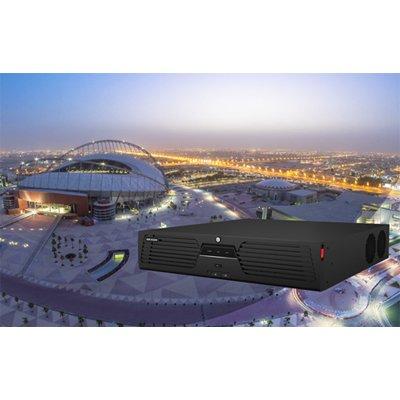


Technology's role in securing banks and financial institutions
Download
Security technologies promote real-time awareness in K-12 schools
Download
Integrated systems enable critical and compliant security for transportation
Download
Modernising physical access control
Download
Access. Intrusion. One estate.
Download