Beach security

Colt Technology Services, the global digital infrastructure company, announces further investment in its global network as hyperscalers, neoscalers and wholesale providers scale their AI infrastructure and drive unprecedented demand for connectivity. The investment expands Colt's reach across North America, Africa, Asia and the Middle East, strengthens its presence in key metro markets, and upgrades critical optical fibre infrastructure to support the next generation of AI-driven growth. Trans...

ClanTect, as part of the 3DX-RAY Ltd portfolio, has secured a significant contract to supply six ClanTect Human Presence Detection systems to support state border security operations in Eurasia. The award represents the first major contract secured by ClanTect since becoming part of 3DX-Ray and marks another important milestone in the continued international deployment of advanced clandestine detection technology. Intrusive inspection procedures ClanTect HPDS is designed to provide a fast, hi...

dormakaba has acquired the operating businesses of Azure Access Technology Inc. (Azure Access), a supplier of innovative, adaptable electronic access control hardware, and ADME, Inc. (Apollo Security), a pioneer in the development and manufacturing of access control and integrated security systems. Founded in 2019 in Newport Beach, California (USA), Azure Access develops next-generation, adaptable electronic access control hardware for the US commercial market. Its open architecture controller...

Zenitel, the supplier of unified critical communication solutions, announced the hiring of a key sales executive in its Americas Onshore Business Unit. David Douglas has been named Regional Sales Leader for the Southwest region, which encompasses the US states of Arizona, California, Hawaii, and Nevada. David has a demonstrated history of working in the security, public safety, emergency management, and public education industries. Before transitioning into the private sector, he served for 31...

Gallagher Security is pleased to welcome Mariah Rimbert as Federal Business Development Manager for the Americas, strengthening the company’s continued investment in the U.S. federal market. Role and responsibility Based in Alburquerque, NM, Mariah will support the growth of Gallagher’s Government Programs team, with a focus on expanding relationships across the West Coast and Midwest. In her role, she will work closely with federal agencies and partners to help deliver high-assu...

Investment funds managed by Morgan Stanley Capital Partners (MSCP), the middle market private equity buyout team within Morgan Stanley Investment Management, announced the acquisition of Security 101, a foremost provider of commercial security integration services. About Security 101 Headquartered in West Palm Beach, Florida, Security 101 provides mission-critical security integration services for organisations spanning a diverse customer base including healthcare, education, government, manuf...
News

Colt Technology Services (Colt), the global digital infrastructure company, announces new high-bandwidth network routes connecting the East Coast of the US to Europe, supercharging capacity for customers as AI traffic surges across the world’s busiest data pathway. Colt’s expanded infrastructure widens choice for organisations needing secure, powerful, low latency routes along the US East Coast and between the US East Coast and Europe. The expansion - which includes a new transatlantic subsea route and fibre network builds - comes as demand for capacity is at an all-time high, with AI, cloud and streaming requiring data-heavy workloads, and with transatlantic subsea cables carrying 55% more data than transpacific routes. Outstanding digital experiences Large cloud and content providers are some of the first organisations to benefit from Colt’s new infrastructure: on major routes their traffic accounts for over 80% of all international bandwidth usage, and with global used bandwidth tripling since 2020, demand continues to rise. Colt’s infrastructure expansion connects key data centres and gives these organisations the capacity and resilience to grow at speed, scaling effortlessly to meet future demand while they focus on delivering outstanding digital experiences for their end users . The expansion provides Colt customers and partners with: Capacity on the Marea subsea cable reaching from Virginia Beach – around 200 miles south of Washington DC on the US east coast – to Bilbao in Northern Spain. Investment in the building of new high-bandwidth fibre routes between key Atlantic cable landing stations. A new network ‘backbone’ from New York to Ashburn, Virginia and connecting Ashburn to Virginia Beach. Ashburn, located at the heart of the Washington metropolitan area, has one of the world’s largest concentrations of data centres, known as ‘Data Center Alley’. Diverse, high-capacity transatlantic routing options to choose from, providing greater resilience and back-up. End-to-end connectivity across Colt’s infrastructure between the US and Europe with new 100G/400G wave options for businesses to handle surging demand for network capacity. Exceptional global infrastructure Buddy Bayer, chief operating officer, Colt Technology Services said, “This exciting network expansion marks the latest milestone in our ongoing commitment to our customers to deliver exceptional global infrastructure that powers the AI economy. We’re building and managing the most valuable, sustainable digital infrastructure in the world: quantum secure, AI-ready and engineered to be sustainable and smart at every layer.” The new routes form a significant phase in Colt’s digital infrastructure expansion, advancing Colt from Europe’s largest B2B fibre provider to one of the largest globally and a key player in the U.S. market. As demand for high performance, energy efficient connectivity accelerates, businesses rely on Colt to deliver the scale, resilience and innovation they need to lead in a rapidly evolving digital landscape. The expansion brings Colt’s presence in the US to four connected cable landing stations on the east coast, with on-net options across 10 Transatlantic subsea cable systems. This infrastructure is in addition to Colt’s expansive intelligent network in 40+ countries with 1100+ connected data centres, 32,000 enterprise buildings and 275+ cloud points of presence.

SOS Technologies, a fast-growing pioneer in threat detection and emergency response, today announced the appointment of Jonathan Fischer as Chief Revenue Officer (CRO). A veteran enterprise and public safety technology executive and former first responder, Fischer brings more than two decades of experience building scalable revenue engines, partner ecosystems, and go-to-market strategies for mission-critical technologies deployed in high-stakes environments. Experience and responsibilities Fischer has held senior leadership roles at some of the world’s most respected technology companies, including AT&T, Motorola, Nokia, Ericsson, and Cradlepoint, operating at the intersection of connectivity, software platforms, and edge technologies. Across these organisations, he helped translate complex, emerging technologies into deployable, revenue-producing solutions, aligning executive strategy with operational realities in large-scale enterprise and public-sector deployments. His leadership perspective is uniquely shaped by hands-on public safety experience. A former firefighter who remains active with the U.S. Coast Guard Auxiliary, Fischer evaluates technology through a frontline lens: systems must be reliable under pressure, integrate seamlessly into existing workflows, and deliver actionable intelligence in seconds. not minutes. New role Fischer joins SOS at a moment of accelerating national growth, highlighted by a landmark deployment with New York City Public Schools. The company is expanding across education, healthcare, government, and enterprise environments through large-scale SmartEAS deployments that connect frontline staff directly to first responders, supported by state and local security authorisation milestones such as GovRAMP and growing demand for integrated, real-time emergency response technology. Growth “Jonathan brings the rare combination of enterprise growth leadership and real-world public safety experience,” said Travis Leonardi, CEO of SOS Technologies. “As we scale nationally, it’s critical that revenue execution, partner strategy, and marketing leadership remain grounded in operational credibility. Jonathan understands how these systems are used when lives are on the line and how to build predictable growth without compromising trust.” Serving people “SOS is addressing an urgent, deeply human challenge,” Fischer said. "Having built and scaled enterprise organisations, and having personally operated in emergency environments. I know how essential it is for technology to perform reliably under pressure. What drew me to SOS is the opportunity to scale a platform already proven in high-stakes deployments, unifying detection, communication, and first-responder response into a single, dependable experience for institutions that serve people every day.”

Ranger Fire and Security has completed its first acquisition of 2026 with Dorset-based based alarm and security experts Partnership Fire and Security. Partnership Fire and Security was established in 1999 and has grown to cover more than 3,000 customers across Shaftesbury, Dorset and the South Coast. The team, which consists of both engineers and administrative staff, has adapted over time to meet ever-changing customer demands, and now includes teams specialising in installation, as well as a full-time alarm servicing and maintenance department. Built quality and services Partnership has built a strong reputation for quality, with a service range including intruder and fire alarms to design, installation, monitoring and 24-hour call outs. The team support projects through all stages, from design to completion, with numerous certificates of excellence and quality control to BAFE and SSAIB standards, offering customers peace of mind over the quality of the service they are receiving, as well as value for money. Security serivces Security is a core part of Partnership’s business model, with expert engineers fitting alarms for businesses and properties, including vetting them to the very highest Police and national requirements. With technology becoming increasingly sophisticated, Partnership provides the latest standard in security system, allowing customers to view their premises at all times to remotely and easily search footage. Acquisition details The deal marks Ranger Fire and Security’s 14th acquisition since launching in February 2024 and is its second acquisition in the South West alongside last year’s acquisition of Plymouth’s Universal Fire and Security Ltd, further building out its coverage in the region and further its mission to build a service that is truly national in scope. Mark Bridges, CEO of Ranger Fire and Security, said: “Partnership Fire and Security marks our first acquisition of the year. We are delighted for them to become the latest addition to the team and bring their acute knowledge of the alarm and security sector to the Group.” “This is our second acquisition in the South West as we continue to build out our footprint and service lines across the UK and Ireland. With many more announcements lined up for 2026, we are excited for what the coming year will bring for Ranger.” Reaching out to more customers Nick Ogle, Managing Director of Partnership Fire and Security: “Over the past 27 years, we have worked hard to become one of the top choices for both businesses and high net worth properties across the South of England when it comes to the design and installation of fire alarm protection and security systems. We see the value in not rushing the installation process to ensure we are offering the best possible service, which leads to customers maintaining their systems through us throughout their lifecycle and beyond.” “We pride ourselves on our customer service and as part of the Ranger Group we are looking forward to working with other experts across the fire and security sector to reach even more customers in the area and further afield.” Growing network By becoming part of the Ranger Group, Partnership will have the additional business support of Ranger’s leadership team, while being able to access and collaborate with Ranger’s growing network of industry experts in the South West and across the UK and Ireland. With backing from Hyperion Equity Partners, Ranger is on a mission to become the foremost one-stop provider for fire and security services across the UK and Ireland. Through strategic acquisitions and investment in technology and talent, Ranger offers a comprehensive range of services at a regional and national level, all while providing a seamless customer experience.

LOOKOUT, a pioneering provider of marine AI systems for safety, announced the expansion of its product line by introducing a new camera featuring an integrated navigation light. This new camera system offers enhanced safety and greater installation flexibility and is available in LOOKOUT's classic blue and white, matte black with carbon accents and custom colours by request, to complement a wider range of vessel designs. Advanced AI vision cameras LOOKOUT has solved a common installation dilemma for boat owners with its innovative new system that integrates its advanced AI vision cameras with a Coast Guard-certified all-around white navigation/anchor light from innovative partner and trusted marine lighting veteran Lumitec. This first-of-its-kind solution addresses the competing need for both technologies to be mounted at the vessel's highest point, eliminating installation conflicts while enhancing safety capabilities. LOOKOUT camera’s detection range LOOKOUT camera’s detection range depends on its height, making it ideal to mount at the highest point of a vessel The LOOKOUT camera is an AI-optimised three-camera system featuring infrared night vision, high-resolution daylight zoom, and 360-degree views for docking. It automatically identifies and tracks buoys, debris, logs, other vessels, whales, and many more potential hazards on the water. The LOOKOUT camera’s detection range depends on its height, making it ideal to mount at the highest point of a vessel. As most navigators know, U.S. Coast Guard regulations stipulate navigation lights should also be mounted at the boat's highest point. LOOKOUT 360-degree nav light To eliminate any potential blind spots caused by overlapping mounts and the increased cost of installing two elevated mounts, LOOKOUT has integrated a white 360-degree nav light into its camera enclosure to replace existing nav lights. The all-around white light is visible up to two nautical miles, as required by regulations, and is enclosed in a ruggedised housing to endure the harshest marine conditions. Reduce installation costs LOOKOUT has integrated a white 360-degree nav light into its camera enclosure to replace existing nav lights “We are continuously evolving our products to suit various applications and vessel types,” said David Rose, CEO of LOOKOUT. “To reduce installation costs and combine technologies meant for the highest point on a vessel, we have integrated an all-around white light into the LOOKOUT camera." "This affordable and innovative solution provides safety benefits without installation hassles. We believe our customers will appreciate the look and performance of this new product.” Advanced computer vision algorithms “Boston Harbour presents significant navigational challenges with its ferry traffic, commercial vessels, and recreational boaters all sharing congested waterways,” said Paul Sullivan of Powertime Boat Club in Boston, who has been testing the system. “The LOOKOUT system has already identified several potential collision situations that might have been missed without its AI assistance. The integrated navigation light is a brilliant innovation—it simplifies our installation process while ensuring we remain compliant with Coast Guard regulations. It's like having an extra crew member whose only job is to watch for dangers.” Built by a team of pioneering AI researchers, video game developers, 3D designers, and hardware engineers, the LOOKOUT camera system uses advanced computer vision algorithms to detect and track hazards in the marine environment.

Magenta Security Services, one of the UK’s pioneer security firms, has achieved an exceptional score of 87.5% in its most recent SIA Approved Contractor Scheme (ACS) audit - placing the company firmly within the top 5% of security companies nationwide. With only the top 10% of security firms scoring above 75%, Magenta’s remarkable result reflects the company’s consistent dedication to quality, compliance, and operational excellence across every area of its business. Exceeding expectations Commenting on the achievement, Managing Director Abbey Petkar said: “This incredible result is a testament to the dedication, teamwork, and professionalism of our entire team. Achieving such a high score doesn’t happen by chance - it’s the outcome of hard work, commitment, and a shared passion for doing things right.” “I want to extend my heartfelt thanks to all our staff whose efforts made this possible. Together, we continue to raise the standard for security services in the UK.” The ACS audit rigorously assesses key areas including pioneership, corporate responsibility, staff development, and service delivery. Magenta’s strong performance across the board highlights its ability to not only meet but exceed industry expectations. Security Excellence This milestone reaffirms Magenta’s position as a priority security provider, delivering reliable, high-quality services while continuing to grow and innovate in a demanding industry.

Smiths Detection, a global pioneer in threat detection and security screening and a business of Smiths Group, has announced a new partnership with NeuralGuard to advance AI-driven threat detection in security screening. NeuralGuard’s AI technology is undergoing integration and certification for use with Smiths Detection’s HI SCAN 6040 2-is. This collaboration was undertaken as part of Smiths Detection’s Ada Initiative, the company’s structured framework for accelerating responsible open architecture in security screening. Innovating security screening The Ada Initiative ensures NeuralGuard’s technology can seamlessly integrate with Smiths Detection’s The Ada Initiative ensures that third-party AI solutions like NeuralGuard’s technology can seamlessly integrate with Smiths Detection’s technology while maintaining rigorous security, compliance and performance standards. Cymoril Métivier, Global Digital Portfolio Director at Smiths Detection, said: "Security screening environments require ever-evolving solutions that provide both flexibility and reliability. With our iCMORE AI driven algorithm suite of solutions, we advance threat detection through cutting edge object recognition, improving screening accuracy and driving innovation.” “As part of our commitment to expanding AI capabilities, our collaboration with NeuralGuard takes this further by enabling third party AI based threat detection within Smiths Detection’s infrastructure, giving customers greater choice in how they manage their security screening capabilities." Security Tech Innovation Dotan Chayen, CEO of NeuralGuard said: “We are thrilled to collaborate with Smiths Detection to bring cutting-edge AI-driven threat detection to security screening. This partnership marks a significant milestone, ensuring that security operators have access to the most advanced AI capabilities.” “By integrating NeuralGuard’s AI technology with Smiths Detection’s world-class screening systems, we are enhancing threat detection, improving operational efficiency, and ultimately making security screening more effective and reliable. We look forward to the impact this collaboration will have on the future of security technology." Smarter Threat Detection This partnership gives customers flexibility to choose, adapt and optimise their security checkpoints. By combining Smiths Detection’s industry-pioneer screening technology with NeuralGuard’s AI powered identification software, the partnership gives customers greater flexibility to choose, adapt and optimise their security checkpoints. Through open architecture approach, it creates tailored third-party integrations, and with iCMORE, Smiths Detection’s in-house engineered suite of AI-driven threat detection solutions, they redefine security operations. Seamlessly integrated with the X-ray screening systems, iCMORE enhances detection accuracy for prohibited items, currency, weapons, lithium batteries, and other dangerous goods. Enhanced security operations By reducing operator workload, streamlining workflows, and cutting false alarms, it empowers security teams to make faster, more confident decisions. Designed to scale and evolve, iCMORE ensures that security operations stay ahead of emerging threats.

Expert commentary
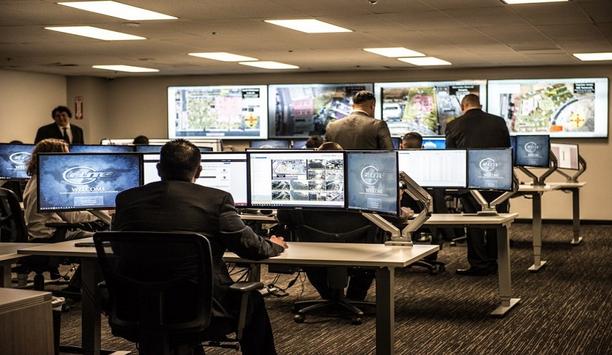
The average business owner or investor has some kind of security precaution in place, especially in the after-hours when there are fewer deterrents to inhibit criminal activity. Security guards, video surveillance systems, motion sensor lights, or even just fake cameras placed around the property are some of the common options people choose. Future of overnight security Smart business owners are starting to realise, however, that some of these traditional security measures are becoming antiquated and no longer cutting. The now and future of overnight security is in remote guarding. Pioneered by companies like Los Angeles-based Elite Interactive Solutions, which was founded back in 2007, remote guarding is revolutionising the overnight security business. Minimising criminal activity Remote guarding is fast becoming the most popular choice among commercial end-user property owners Remote guarding utilises a combination of cutting-edge technology, “digital guards,” highly trained security agents, and local law enforcement if and when necessary to minimise the potential of criminal activity. For those adequately enlightened to its overwhelmingly impressive crime prevention capabilities, remote guarding is fast becoming the most popular choice among commercial end-user property owners to secure and protect their investments. What Is remote guarding? Remote guarding is a revolutionary concept and increasing trend in security systems that utilises a combination of methods to effectively analyse potential threats to property. Cameras and/or other monitoring devices running highly advanced algorithmic software are installed in strategic areas or vulnerable places onsite and remotely located security agents are immediately notified of any activity within a designated perimeter of the property. A blend of AI, cybersecurity, and video analytics When properly deployed by an expert provider, the technology stack includes a proprietary blend of video analytics, artificial intelligence, cybersecurity, and more. Done right, “noise” is effectively filtered out, allowing agents to act on legitimate alerts and achieve zero false alarms communicated to first responders. Today, there are a lot of terms and descriptions tossed around about remote guarding, remote video, virtual guarding, etc., but those attributes must be present to represent the true definition of the offering and its many virtues. Realtime situational awareness Many systems have a two-way speaker that allows the security agent to give a verbal warning When specially trained security agents are alerted to trespassers, possible intruders, or other suspicious activity, they analyse the situation in real-time and determine the necessary level of action. Many systems have a two-way speaker that allows the security agent to give a verbal warning, known as a voice-down, to the individual(s) that they are being watched. Most perpetrators, often believing the response is emanating directly from security personnel on the property itself rather than from a remote command centre, flee immediately. However, if the threat persists, the security agent enlists local law enforcement to get on the scene. Customised remote guarding When properly deployed, remote guarding systems are also customised to specific properties. A team of consultants visits the client’s property to evaluate its vulnerabilities and where to best place cameras and/or other monitoring devices for system efficacy. Traditional security shortfalls According to Keith Bushey, a retired commander for the Los Angeles Police Department, there is much frustration between law enforcement officers and potential victims of crime due to the historically unreliable performance of traditional burglar alarm systems and central monitoring stations. He states about 90% of security-related calls are false alarms, a problem that has been well-documented through the years. Onsite challenges When a legitimate emergency does occur, the perpetrators have often already done their damage When a legitimate emergency does occur, the perpetrators have often already done their damage and/or escaped by the time law enforcement arrives. Onsite security guards are not the remedy either as they bring their own set of issues and challenges. Unexpected costs Traditional security systems can also have unexpected costs. The cost is not only in the security guards’ paycheck or the cost of the equipment itself. The cost comes when an actual incident occurs. In worst-case scenarios, the security guard(s) are injured, the business suffers inventory loss, and/or damage is sustained to the property. The medical and other costs for the security guard(s), the loss of inventory, property damage, deployment of law enforcement resources, and possible fallout of legal expenses all add up. Even in the best-case scenario, false alarm expenses incur if law enforcement is dispatched. These, among many others, are some of the primary issues that remote guarding resoundingly answers as a superior alternative. A bounty of benefits Remote guarding systems have been proven to cut costs and be more effective than traditional security systems. Even though the monthly monitoring costs of remote guarding are significantly higher than traditional intrusion detection system monitoring, the much higher effectiveness in crime reduction, elimination of false alarms, and augmenting or replacement of manned guards result in a substantially higher return on investment (ROI) to the end user. Easy tracking of threats The security cameras already have their image captured on record, making them easier to track down For example, case studies have demonstrated reduced security costs for clients by 60%, on average. These reductions have come from the costs of security staff, inventory, or property loss, plus saving money on insurance premiums and deductibles. The nature of remote guarding reduces the risk and costs of false alarms, with professional security agents able to determine an actual threat before law enforcement is called. In a rare instance when a perpetrator escapes before law enforcement arrives or can detain the individual(s), the security cameras already have their image captured on record, making them easier to track down and identify. Reduction of false alarms The significant reduction in false alarms is greatly appreciated by law enforcement, as it allows them to focus on real emergencies or crises. Better relationships are also developed between clients and law enforcement, as remote guarding systems are highly reliable in providing accurate and real-time information to officers as they approach the scene. In short, it assists law enforcement in doing their job more effectively, as well as more safely thanks to having eyewitness information before engaging in an active crime scene. Partnership When you combine the decreased cost with the increased efficiency and success rate, it is easy to see why many commercial end-user property owners across the country are making the shift to remote guarding. It’s also an outstanding opportunity for professional security dealers and integrators to partner with a remote guarding services provider to bring a superior solution to their end customers and pick up a recurring monthly revenue stream in the process.

It’s no secret that the data security sector is constantly changing. It has an annual CGR of about 12.3%. Future trends in data security Much of this has to do with the rise of cybercrime in recent years, with reports showing that cyberattacks happen as often as every 39 seconds. To combat the growing rate of cybercrime, data security has been on the rise. As we journey further into this era, it becomes evident that a spectrum of significant trends is molding the future of data security. This exploration delves into a selection of these trends, unraveling their importance and the potential implications they carry 1. AI security tools will increase Artificial Intelligence is also being used in the development of smart attacks and malware The introduction of Artificial Intelligence in the data security industry brought significant changes, especially in cybersecurity. AI has been the golden standard for face detection, natural language processing, automated threat detection, and automated security systems. Additionally, Artificial Intelligence is also being used in the development of smart attacks and malware, bypassing even the latest security protocols in data control. And as time progresses, AI security tools will flourish and dominate the scene. Let’s take a more in-depth look at three of the top AI security tools. Targeted attack analysis tool Manufacturers utilise targeted attack analysis tools to uncover targeted and stealthy attacks. Artificial Intelligence can be applied to the program’s capabilities, processes, and knowledge. For instance, Symantec launched this tool to combat the Dragon 2.0 attack in 2022. The phishing attack reprimanded multiple energy companies while trying to gain access to their operational networks. Targeted Attack Analysis Tools can analyse incidents and look for similarities from previous situations. They also help detect suspicious activities and collect all the necessary data to determine whether a specific action is malicious. Intercept X tool Results from the Intercept X Tool feature high accuracy and a low false positive rate Sophos, a British security hardware and software company, launched the Intercept X Tool. It engages a neural network that records and analyses data like a human brain. Sophos’ Intercept X Tool can extract features from a single file and perform a deep analysis. It detects malicious activities within 20 milliseconds. Plus, it’s also trained to work on bi-directional sharing and real-world feedback of threat intelligence. Results from the Intercept X Tool feature high accuracy and a low false positive rate. IBM Watson Technology IBM’s QRadar Advisor uses IBM Watson Technology, a unique AI tool for fighting cyber attacks. Artificial Intelligence can auto-investigate activities and indicators for potential exploitation or compromise. With cognitive reasoning, IBM Watson Technology can present critical insights to accelerate the response cycle. Security analysts can utilise this technology to search for threat incidents, reducing the risk of letting them fly under the radar. 2. Blockchain as a security solution It guarantees no points of failure or hackable entrances that can expose datasets inside the system Blockchain is a type of distributed ledger technology (DLT) that aims to establish trust within an untrusting ecosystem. Today it’s one of the most robust cybersecurity technologies in the industry. Blockchain utilises a decentralised ledger system, but your team members can still gain access to transparent information in the cloud. Members can also record, pass along, and view necessary transactional data in the blockchain. The entire blockchain process maintains data integrity within the system while establishing trust among team members. It guarantees no points of failure or hackable entrances that can expose datasets inside the system. Cybersecurity, biometrics Cybersecurity primarily benefits from these features because blockchain can create a secure and robust wall between data and hackers. On top of that, blockchain ledgers can include biometrics like fingerprints and retina scans. These prevent hackers from accessing any private data. Because blockchain is decentralised, it also limits hackable data. Together with the technology’s record-keeping system, each node is provided insight into data manipulation exposing real-time cybercrime attempts. 3. Increased and widened access control Without access control, expect your company to be open to security issues, including theft, data loss, and breach of data Access control is critical in data security. More than a valuable security tool, business leaders can use access control to regulate people accessing any given resource. A company with an IT security setting can control who has the liberty to edit certain files. One of the primary goals of access control is to minimise threats or attacks to organisations and businesses to keep people and data secure. Without access control, expect your company to be open to security issues, including theft, data loss, and breach of data protection laws. Benefits The benefits of increased and widened access control include: Identifying who can access and control your data at specific time intervals. Protecting data from overwriting, accidental deletion, and malicious intent. User permissions that can be readily changed. Compliance and regulation with data privacy laws. Central management of access to data through a reporting portal or a dashboard. Multi-factor authentication Access control comes in various types and systems, so it’s critical to know the features of what you’re looking for. The most common type is multi-factor authentication or MFA. It involves multiple steps before logging in, requiring the user to enter other relevant information besides the password. Some other examples of information include biometrics, answering a security question, or entering a code sent to the user’s email address. Two-factor authentication, role-based access control Two-factor authentication further prevents unauthorised entries that can result in unnecessary data possession Two-factor authentication further prevents unauthorised entries that can result in unnecessary data possession. Another type of access control is role-based access control. In this setup, only one individual can set up access guidelines and grant permissions to specific team members within an organisation. 4. Greater use of the zero-trust security model The zero-trust security model is a framework that requires every user within and outside the organisation to undergo authentication, authorisation, and validation. These are all essential to ensure proper security configuration before access is granted to the company’s applications and data. A zero-trust model assumes that anyone can cause data breaches and that a traditional network edge is not taken into effect. Moreover, it addresses the following modern-day challenges: Hybrid cloud environments. Security of remote workers. Ransomware threats. This framework utilises the combination of multiple advanced technologies, including: A risk-based multi-factor authentication. Endpoint security. Identity protection. Cloud workload technology. The zero-trust model uses all these innovative tools for system identification, user verification, access consideration, and system security maintenance. Constant validation and monitoring Enforcing strict policies and compliance with data privacy laws are also essential Additionally, it also considers data encryption, email security, and asset verification before establishing connections with applications. The architecture of a zero-trust framework requires constant validation and monitoring of the users and the devices they are using. Enforcing strict policies and compliance with data privacy laws are also essential. More importantly, the zero trust architecture requires all organisations to be aware of all their available services and accounts to gain complete control of data handling and manipulation. 5. Increased privacy regulations Privacy regulations and policies guide organisations in proper data control, handling, and security. These policies guide organisations in proper data control, handling, and security. As a responsible business owner, you must comply with these regulations to avoid legal issues. With cybersecurity attacks becoming common, expect increased and stricter privacy regulations to be released in the next few years. While current policies are still taken into effect, various modifications and adjustments will occur to compete with the rising numbers of data breaches, thefts, data loss, and more. California Privacy Rights Act (CPRA) Currently, the California Privacy Rights Act (CPRA) is the most comprehensive legislation on state data privacy. It only started to take effect on January 1, 2023. The CPRA introduces the following principles: Broad individual consumer rights. Significant duties of people who need to collect sensitive and personal information. Additional definitions of data privacy and security. An individual’s duties include releasing information about data collection to concerned data subjects and proper access, correction, and deletion of information. Final thoughts 2023 is a big year for data security. Trends such as increased adoption of zero-trust policies, a greater reliance on AI security tools, and the implementation of blockchain as a security solution are all things we expect to see shortly. Staying up-to-date with these trends is important for keeping your business current and ensuring that you’re adhering to new and changing regulations. Doing so can give you an edge over the competition and keep you out of legal hot water.

Global transportation networks are becoming increasingly interconnected, with digital systems playing a crucial role in ensuring the smooth operation of ports and supply chains. However, this reliance on technology can also create vulnerabilities, as demonstrated by the recent ransomware attack on Nagoya Port. As Japan's busiest shipping hub, the port's operations were brought to a standstill for two days, highlighting the potential for significant disruption to national economies and supply chains. Transportation sector The attack began with the port's legacy computer system, which handles shipping containers, being knocked offline. This forced the port to halt the handling of shipping containers that arrived at the terminal, effectively disrupting the flow of goods. The incident was a stark reminder of the risks associated with the convergence of information technology (IT) and operational technology (OT) in ports and other critical infrastructures. This is not an isolated incident, but part of a broader trend of escalating cyber threats targeting critical infrastructure. The transportation sector must respond by bolstering its defences, enhancing its cyber resilience, and proactively countering these threats. The safety and efficiency of our transportation infrastructure, and by extension our global economy, depend on it. Rising threat to port security and supply chains XIoT, from sensors on shipping containers to automatic cranes, are vital to trendy port functions OT, once isolated from networked systems, is now increasingly interconnected. This integration has expanded the attack surface for threat actors. A single breach in a port's OT systems can cause significant disruption, halting the movement of containers and impacting the flow of goods. This is not a hypothetical scenario, but a reality that has been demonstrated in recent cyberattacks on major ports. Adding another layer of complexity is the extended Internet of Things (XIoT), an umbrella term for all cyber-physical systems. XIoT devices, from sensors on shipping containers to automated cranes, are now integral to modern port operations. These devices are delivering safer, more efficient automated vehicles, facilitating geo-fencing for improved logistics, and providing vehicle health data for predictive maintenance. XIoT ecosystem However, the XIoT ecosystem also presents new cybersecurity risks. Each connected device is a potential entry point for cybercriminals, and the interconnected nature of these devices means that an attack on one, which can move laterally and can have a ripple effect throughout the system. The threat landscape is evolving, with cybercriminals becoming more sophisticated and their attacks more damaging with a business continuity focus. The growing interconnectivity between OT and XIoT in port operations and supply chains is also presenting these threat actors with a greater attack surface. Many older OT systems were never designed to be connected in this way and are unlikely to be equipped to deal with modern cyber threats. Furthermore, the increasing digitisation of ports and supply chains has led to a surge in the volume of data being generated and processed. This data, if not properly secured, can be a goldmine for cybercriminals. The potential for data breaches adds another dimension to the cybersecurity challenges facing the transportation sector. Role of cyber resilience in protecting service availability Cyber resilience refers to organisation's ability to prepare for, respond to, and recover from threats As the threats to port security and supply chains become increasingly complex, the concept of cyber resilience takes on a new level of importance. Cyber resilience refers to an organisation's ability to prepare for, respond to, and recover from cyber threats. It goes beyond traditional cybersecurity measures, focusing not just on preventing attacks, but also on minimising the impact of attacks that do occur and ensuring a quick recovery. In the context of port operations and supply chains, cyber resilience is crucial. The interconnected nature of these systems means that a cyberattack can have far-reaching effects, disrupting operations not just at the targeted port, but also at other ports and throughout the supply chain. A resilient system is one that can withstand such an attack and quickly restore normal operations. Port operations and supply chains The growing reliance on OT and the XIoT in port operations and supply chains presents unique challenges for cyber resilience. OT systems control physical processes and are often critical to safety and service availability. A breach in an OT system can have immediate and potentially catastrophic physical consequences. Similarly, XIoT devices are often embedded in critical infrastructure and can be difficult to patch or update, making them vulnerable to attacks. Building cyber resilience in these systems requires a multi-faceted approach. It involves implementing robust security measures, such as strong access controls and network segmentation, to prevent attacks. It also involves continuous monitoring and detection to identify and respond to threats as they occur. But perhaps most importantly, it involves planning and preparation for the inevitable breaches that will occur, ensuring that when they do, the impact is minimised, and normal operations can be quickly restored. Building resilience across port security and supply chains In the face of cyber threats, the transport sector must adopt a complete method of cybersecurity In the face of escalating cyber threats, the transportation sector must adopt a comprehensive approach to cybersecurity. This involves not just implementing robust security measures, but also fostering a culture of cybersecurity awareness and compliance throughout the organisation. A key component of a comprehensive cybersecurity strategy is strong access controls. This involves ensuring that only authorised individuals have access to sensitive data and systems. It also involves implementing multi-factor authentication and regularly reviewing and updating access permissions. Strong access controls can prevent unauthorised access to systems and data, reducing the risk of both internal and external threats. Network segmentation Network segmentation is another crucial measure. By dividing a network into separate segments, organisations can limit the spread of a cyberattack within their network. This can prevent an attack on one part of the network from affecting the entire system. Network segmentation also makes it easier to monitor and control the flow of data within the network, further enhancing security. Regular vulnerability assessments and patch management are also essential. Vulnerability assessments involve identifying and evaluating potential security weaknesses in the system, while patch management involves regularly updating and patching software to fix these vulnerabilities. These measures can help organisations stay ahead of cybercriminals and reduce the risk of exploitation. EU’s NIS2 Directive EU’s NIS2 Directive came into effect, and member states have until October 2024 to put it into law The transportation sector must also be prepared for greater legislative responsibility in the near future. The EU’s NIS2 Directive recently came into effect, and member states have until October 2024 to put it into law. The Directive aims to increase the overall level of cyber preparedness by mandating capabilities such as Computer Security Incident Response Teams (CSIRTs). Transport is among the sectors labelled as essential by the bill, meaning it will face a high level of scrutiny. Getting to grips with the complexities of XIoT and OT integration will be essential for organisations to achieve compliance and avoid fines. Global transportation infrastructure Finally, organisations must prepare for the inevitable breaches that will occur. This involves developing an incident response plan that outlines the steps to be taken in the event of a breach. It also involves regularly testing and updating this plan to ensure its effectiveness. A well-prepared organisation can respond quickly and effectively to a breach, minimising its impact and ensuring a quick recovery. In conclusion, mastering transportation cybersecurity requires a comprehensive, proactive approach. It involves implementing robust technical measures, fostering a culture of cybersecurity awareness, and preparing for the inevitable breaches that will occur. By taking these steps, organisations can enhance their cyber resilience, protect their critical operations, and ensure the security of our global transportation infrastructure.
Security beat

Fueled by mounting concerns about the cybersecurity vulnerability of U.S. ports, President Joe Biden has signed an Executive Order aimed at shoring up defences against cyberattacks. Cybersecurity initiative The cybersecurity initiative marks a significant shift in policy, empowering key agencies and outlining concrete actions to bolster defences. By empowering agencies, establishing clear standards, and fostering collaboration, the initiative aims to strengthen U.S. ports against the evolving threat of cyberattacks, safeguarding the nation's maritime economy and national security. Expanded authority for DHS The proactive approach aims to prevent incidents before they occur The Executive Order grants expanded authority to the Department of Homeland Security (DHS) and the Coast Guard to address maritime cyber threats. DHS gains the power to directly tackle these challenges, while the Coast Guard receives specific tools. The Coast Guard can compel vessels and waterfront facilities to address cyber vulnerabilities that endanger safety. The proactive approach aims to prevent incidents before they occur. Real-time information sharing Reporting any cyber threats or incidents targeting ports and harbors becomes mandatory. This real-time information sharing allows for swifter response and mitigation efforts. The Coast Guard also gains the authority to restrict the movement of vessels suspected of posing cyber threats. Inspections can be conducted on vessels and facilities deemed risky. Mandatory cybersecurity standards The standardisation aims to eliminate weak links in the chain and prevent attackers from exploiting Beyond these broad powers, the Executive Order establishes foundational elements for improved cybersecurity. Mandatory cybersecurity standards will be implemented for U.S. ports' networks and systems, ensuring a baseline level of protection across the board. This standardisation aims to eliminate weak links in the chain and prevent attackers from exploiting individual vulnerabilities. Importance of collaboration and transparency Furthermore, the initiative emphasises the importance of collaboration and information sharing. Mandatory reporting of cyber incidents fosters transparency and allows government agencies and private sector partners to work together in mitigating threats. Additionally, the Executive Order encourages increased information sharing among all stakeholders, facilitating a unified response to potential attacks. Maritime Security Directive The Executive Order encourages investment in research and development for innovative cybersecurity solutions To address specific concerns, the Coast Guard will issue a Maritime Security Directive targeting operators of Chinese-manufactured ship-to-shore cranes. This directive outlines risk management strategies to address identified vulnerabilities in these critical pieces of port infrastructure. The long-term success of this initiative hinges on effective implementation. The Executive Order encourages investment in research and development for innovative cybersecurity solutions, recognising the need for continuous improvement and adaptation to evolving threats. Recognising the urgency of cyber threats The initiative has been met with widespread support from port authorities, industry stakeholders, and cybersecurity experts who recognise the urgency of addressing cyber threats. However, some concerns exist regarding the potential burden of complying with new regulations for smaller port operators. Effective communication, resource allocation, and collaboration among all stakeholders will be crucial to ensure the successful implementation of this comprehensive plan. Enhancing cybersecurity The more impactful and noteworthy piece is the associated NPRM from the U.S. Coast Guard (USCG) “This Executive Order is a positive move that will give the U.S. Coast Guard (USCG) additional authority to enhance cybersecurity within the marine transportation system and respond to cyber incidents,” comments Josh Kolleda, practice director, transport at NCC Group, a cybersecurity consulting firm. The more impactful and noteworthy piece is the associated Notice of Proposed Rulemaking (NPRM) from the U.S. Coast Guard (USCG) on “Cybersecurity in the Marine Transportation System,” adds Kolleda. Portions of the notice of proposed rulemaking (NPRM) look similar to the Transportation Security Administration (TSA) Security Directive for the rail industry and the Emergency Amendment for the aviation industry. Coordinating with TSA on lessons learned The USCG should be coordinating with TSA on lessons learned and incorporating them into additional guidance to stakeholders and processes to review plans and overall compliance, says Kolleda. “At first glance, the NPRM provides a great roadmap to increase cybersecurity posture across the various stakeholders, but it underestimates the cost to private companies in meeting the requirements, particularly in areas such as penetration testing,” says Kolleda. Cyber espionage and threats The focus is on PRC because nearly 80% of cranes operated at U.S. ports are manufactured there “It is unclear if or how the federal government will provide support for compliance efforts. As this seems to be an unfunded mandate, many private companies will opt for the bare minimum in compliance.” “Cyber espionage and threats have been reported by the Director of National Intelligence from multiple nation-states including China, Russia, and Iran,” adds Paul Kingsbury, principal security consultant & North America Maritime Lead at NCC Group. The focus here is on the People’s Republic of China (PRC) because nearly 80% of cranes operated at U.S. ports are manufactured there, he says. Destructive malware “The state-sponsored cyber actors’ goal is to disrupt critical functions by deploying destructive malware resulting in disruption to the U.S. supply chain,” says Kingsbury. “These threat actors do not only originate in China or other nation-states but also include advanced persistent threats (APTs) operated by criminal syndicates seeking financial gain from such disruptions." "The threat actors don’t care where the crane was manufactured but rather seek targets with limited protections and defences. The minimum cyber security requirements outlined within the NPRM should be adopted by all crane operators and all cranes, regardless of where they are manufactured.” PRC-manufactured cranes Kingsbury adds, “The pioneering risk outlined in the briefing is that these cranes (PRC manufactured) are controlled, serviced, and programmed from remote locations in China." "While this is a valid concern and should be assessed, there are certainly instances where PRC-manufactured cranes do not have control systems manufactured in PRC. For example, there are situations in maritime transportation system facilities where older cranes have been retrofitted with control systems of European Union or Japanese origin.” Monitoring wireless threats “The Biden Administration’s recent Executive Order is a critical step forward in protecting U.S. ports from cyberattacks and securing America’s supply chains,” says Dr. Brett Walkenhorst, CTO at Bastille, a wireless threat intelligence technology company. “To ensure proper defence against malicious actors accessing port-side networks, attention must also be paid to common wireless vulnerabilities." "Attacks leveraging Wi-Fi, Bluetooth, and IoT protocols may be used to access authorised infrastructure including IT and OT systems. Monitoring such wireless threats is an important element in a comprehensive approach to upgrading the defences of our nation’s critical infrastructure.”
Case studies

ISS (Intelligent Security Systems), a foremost global provider of video intelligence and data awareness solutions, announced that its SecurOS® Hazardous Cargo module was recently deployed to monitor cargo shipments and enhance operational safety across the Tamoios Highway (SP-099) in southeast Brazil, which features some of the longest road tunnels in the country. Challenge The Tamoios Highway (SP-099) is a critical route stretching approximately 50 miles (80 km) and linking São Paulo’s industrial hub of São José dos Campos with the north coast at Caraguatatuba. The highway’s elevation rises from sea level to nearly 2,000 feet (600 meters), traversing complex mountainous terrain that demands robust engineering and advanced safety measures. The route features more than 8 miles (13 km) of tunnels, including Brazil’s longest tunnel at 3.5 miles. Managing these extensive, challenging features introduces significant operational complexities, especially in monitoring the transport of hazardous materials. To mitigate risks, structure critical emergency plans, and improve response protocols, the Tamoios Concessionaire, which oversees management of the highway, partnered with ISS to implement an automated solution. Solution Powered by proprietary neural networking algorithms, SecurOS® Hazardous Cargo, an optional module within ISS’ SecurOS® Auto LPR software, can decode international ADR standards and read hazardous cargo plates at speeds up to 93 mph (150 km/h). The system subsequently updates vehicle positions in real time as they move through the tunnel complex. This georeferenced tracking allows the concessionaire’s Operational Control Center to know exactly what hazardous materials are circulating and precisely where they are located. Beyond real-time identification, the solution generates comprehensive reports containing key metadata—including vehicle images, license plate details, the specific hazardous product detected, timestamps, and travel direction. All this information is tied together within our SecurOS® Enterprise video management software, ensuring that any irregularity or potential threat is automatically flagged. This enables the operations team to initiate rapid, targeted responses that are tailored to the exact type of cargo involved. "Our system acts as a vigilant eye within the tunnel, instantly identifying a vehicle's hazardous cargo plate and interpreting its data," said Aluisio Figueiredo, CEO of ISS. "In the event of an emergency, this gives operators immediate clarity on the specific materials present, allowing for a faster, more informed response." Aluisio Figueiredo, CEO. Result The system has already proven its value in the field. During a recent incident where a tow truck caught fire inside a tunnel, our software enabled the control center to immediately halt traffic and safely guide the driver to shelter. Moving forward, the Tamoios Concessionaire plans to expand the hazardous cargo identification technology to cover other strategic points of the highway system. As part of this next phase, they are also exploring innovative uses of our software to detect and prevent the leakage of chemicals and other dangerous goods into creeks, streams, and sensitive environmental areas along the route, further enhancing both roadway safety and environmental protection. In addition to the Tamoios Highway, ISS recently partnered with Arteris Litoral Sul, another major highway operator in southern Brazil, to deploy our technology on the BR-101 – a critical logistics corridor connecting the cities of Itapema and Balneário Camboriú in the state of Santa Catarina. This deployment leverages hazardous cargo identification along with automatic incident detection to improve operational safety and efficiency on one of Brazil’s busiest highways.

Keeping beachgoers, swimmers and surfers safe is all in a day’s work for the team at South Maroubra Surf Live Saving Club, and every second counts when an incident unfolds on the water. One of the most topical issues and threats to those enjoying Australia’s world-renowned beaches is sharks, so for the surf club it made sense to look to smart, new technology to keep those who enjoy the sand and surf safe. Security technology to lifesavers "Since the club was established in 1959, we’ve prided ourselves on looking out for people at our iconic beach. More recently, we’ve turned to security technology to support our lifesavers to do what they do best: stay alert for hazards," says Simon Torsellini, Director of Lifesaving, South Maroubra Surf Life Saving Club. He adds, "Sharks along with surf conditions represent two of our biggest national hazards on popular beaches, so it’s of critical importance to get people out of the water as quickly as possible when a circumstance evolves." Evacuation of beach users Simon Torsellini continues: "To achieve a prompt evacuation of beach users from the water, an alert system such as an audible siren is the most effective tool. To sound a siren at South Maroubra, the club relies upon a manual switch that triggers an audible alarm across the beach, better known locally as the Shark Siren." He further states, "Like many other surf lifesaving clubs, we have our club house situated back from the shoreline. What this means is that in the event of a hazard detection, a lifesaver is dispatched from the beach to the club house to activate the audible siren - losing precious moments to alert those at risk." Recent mass rescue conditions As a result of a recent mass rescue where surf needs threatened swimmers and all lifesaving resources As a result of a recent mass rescue where surf conditions threatened swimmers and all lifesaving resources were in the water, no lifesavers were available to activate the siren, and the team recognised a solution was needed. Andrew McCabe, a surf lifesaver at the club and Director Government and Defence, Pacific at Johnson Controls, spoke to Gallagher Security about a smarter way to raise the all-important shark siren. SMB solutions After initially working with the club in 2023, Gallagher Security’s Sales Solutions Engineer - NSW, Sabrish Venugopal, was pleased to work together again and find a way to further support the hardworking lifesavers and volunteers at South Maroubra Surf Life Saving Club. "Alongside our Channel Partner, Johnson Controls, we were proud to gift the club one of our Security Made Better (SMB) solutions as a joint community initiative," says Sabrish Venugopal. Next-generation cloud-based system SMB is a cloud-based security app that simplifies everyday business tasks with plenty of functionality SMB is a cloud-based security app that streamlines everyday business tasks with plenty of functionality: from managing alarms, responding to security incidents and controlling site access. The SMB app provided the club with security and access control through a next-generation cloud-based system that can be easily managed from a smartphone. Idea of using the SMB system "As a member of the club, Andrew floated the idea of using the SMB system to trigger the shark siren, in a first for Gallagher Security," says Sabrish Venugopal, adding "We joined forces and two weeks later, we had a game-changing solution for South Maroubra Surf Life Saving Club." He continues, "Now, lifesavers on surf patrol duty can launch the shark siren immediately via their smartphones if required, to help evacuate beach users from the surf faster." Key role in enhancing security efficiency Gallagher Security team genuinely enjoys engaging with end users to discuss any challenges Sabrish says the Gallagher Security team genuinely enjoys engaging with end users to discuss any challenges they may be facing, with the aim of developing tailored solutions. They also value close collaboration with channel partners like Johnson Controls, who have a deep understanding of Gallagher Security products and play a key role in enhancing security efficiency. How security solutions can make such a positive difference? Sabrish Venugopal said, "We take great pride in playing our part to support the club keep Aussies safe at the beach." He concludes, "We’re chuffed to have helped the club continue their dedicated service to keeping South Maroubra Beach safe by using Gallagher’s SMB, and to see how security solutions can make such a positive difference to our daily lives."
Jacksons Fencing successfully supplied and installed its state-of-the-art EuroGuard® Rebound sports mesh fencing at West Beach Tennis Courts in Whitstable, Kent. In partnership with LTA Tennis Foundation, this installation marks a key milestone in Canterbury City Council’s initiative to upgrade local sports infrastructure while reinforcing Jacksons Fencing’s reputation as a pioneer in high-quality, long-lasting fencing solutions for all applications, including sports and recreation. Addressing security and durability challenges The fencing had to withstand harsh weather conditions while maintaining its integrity The key challenges for the fencing were multi-faceted. First, security was a priority. The courts needed to be securely enclosed to prevent unauthorised access and vandalism, yet the boundary needed to remain welcoming and accessible to the public. Durability was another major consideration, especially given the coastal environment, where salty sea air and strong winds could quickly degrade materials that weren’t up to standard. The fencing had to withstand harsh weather conditions while maintaining its integrity and appearance over time. Visibility and safety Visibility and safety also had to be considered. The fencing needed to provide a clear boundary while ensuring that players' views of the court and the picturesque surrounding landscape weren’t obstructed. Additionally, the design needed to be aesthetically pleasing and complement the beachside location, offering a modern, sleek appearance without detracting from the natural beauty of the area. The existing chain link fencing, traditionally used for tennis courts, had fallen into disrepair and needed replacing with something smarter and more durable. A tailored fencing solution Jacksons Fencing supplied and installed EuroGuard® Rebound sports mesh fencing Understanding the unique demands of the project, Jacksons Fencing supplied and installed EuroGuard® Rebound sports mesh fencing, an advanced system engineered specifically for sports facilities. Constructed from galvanised steel mesh and finished with a marine-grade polyester powder coating in green RAL 6005, the fencing provides superior resistance to corrosion, ensuring longevity in the harsh seaside climate. Its innovative mesh configuration allows for excellent ball rebound, minimising disruptions during play while maintaining clear visibility of the surrounding landscape. Sleek and modern design The fencing’s vandal-resistant security clips and tamper-proof fixings further reinforce its integrity, preventing unauthorised interference and ensuring the facility remains safe and secure for years to come. Additionally, the sleek and modern design enhances the overall visual appeal of the courts, seamlessly integrating with the natural coastal surroundings. Enhancing community sports facilities Jacksons Fencing has played a crucial role in elevating the functionality and longevity of West Beach Tennis Courts By implementing EuroGuard® Rebound sports mesh fencing, Jacksons Fencing has played a crucial role in elevating the functionality and longevity of West Beach Tennis Courts. The installation not only secures the site but also enhances the playing experience for tennis enthusiasts, ensuring a professional and well-maintained facility for the local community. EuroGuard® Rebound system Peter Jackson, Managing Director of Jacksons Fencing, stated: “We are proud to contribute to the transformation of West Beach Tennis Courts by providing a high-performance, long-lasting fencing solution." "Our EuroGuard® Rebound system not only meets the practical demands of security and durability but also enhances the overall appearance of the facility. We believe this installation will benefit the community for years to come, offering a safe and enjoyable space for sports and recreation.”

Windsor Port Authority, one of just 17 national ports created by the 1999 Canada Marine Act, has enhanced waterway safety and security across its jurisdiction on the U.S.-Canada border with state-of-the-art cameras from Axis Communications. These cameras, combined with radar solutions from Accipiter Radar Technologies Inc., provide the port with the visibility needed to prevent collisions, better detect illegal activity, and save lives along the river. Windsor Port Located on the Detroit River, the Windsor Port serves as the passageway between Lake Huron and Lake Erie, navigating between 6,000 and 9,000 cargo vessels annually. In addition to commercial ships, over 10,000 small fishing boats and other recreational watercraft make their way through the port each year. Better visibility Windsor Port Authority realised that it needed better visibility into happenings along the river With so many vessels passing through, Windsor Port Authority realised that it needed better visibility into happenings along the river to be able to keep the waterway running safely and smoothly. “Axis’ cameras, along with Accipiter’s radar technology, have been vital to keeping the port safe for all who pass through it,” said Peter Berry, Harbour Master and Vice President of Operations for Windsor Port Authority. Real-time incident detection “Without detailed knowledge of the traffic in these waters, the risk of severe accidents increases significantly, so having the ability to both detect and visually confirm incidents in real-time is invaluable." "We’ve already been able to do some amazing things with the enhanced surveillance solution, like quickly rescuing drowning victims and helping to catch human smugglers, and we’re eager to see what the future holds as a result of this upgrade.” An effective, remote observation By integrating Axis’ bispectral cameras into Accipiter's platform, the port has a 360-degree surveillance system While radar coverage from Accipiter has monitored river activity for years, offering wide-area, real-time detection, and tracking to identify commercial vessels, small craft such as jet skiers, and even debris in the water, it lacked the visual detail needed to provide effective, remote observation. By integrating Axis’ bispectral cameras into Accipiter's platform, the port has a 360-degree surveillance system with both thermal detection and visual verification. System benefits With this enhanced system, the port can: Broadcast real-time warnings about obstructions in the channel: In one instance, the U.S. Coast Guard notified the port that they’d spotted a boat stopped in the middle of the river. The vessel had caught fire, dropped anchor, and was dead in the water. The thermal camera and radar technology allowed for continuous monitoring of the fire onboard the ship, helping them to determine that it was contained to the engine room while enabling the port to send out a navigational warning to other vessels on the river. While the darkness of the hour prevented them from seeing anything from shore, the technology also provided thermal visuals to monitor activity on the bridge and deck. Everyone was safely evacuated. Safely navigate craft through high-risk construction projects: During the construction of a new bridge, the port was concerned about potential disruptions to river traffic, but Axis cameras and integrated radars allowed them to effectively manage vessels passing underneath the site. Deliver precise coordinates for faster rescue operations: When the port got a call from the U.S. Coast Guard that they had spotted a person treading water by the Ambassador Bridge, they were able to quickly identify the location of the person using a combination of radar and camera technology and execute a life-saving rescue. Help to identify criminal activity: While using the camera-radar technology to view objects crossing from Canada to the U.S., the port identified suspicious activity from a boat that regularly sailed from Windsor to Detroit. The port turned the data and video over to the Canadian and U.S. authorities to investigate, which ultimately led to the arrest of two individuals running a human smuggling operation. Marine domain awareness “At Axis, we take pride in working with organisations like Windsor Port Authority to contribute to improved marine domain awareness and heightened safety along the border,” said Anthony Incorvati, Transportation Segment Development Manager for the Americas at Axis. “Combining advanced camera and radar technology ensures comprehensive visibility in maritime environments, providing essential detection and visual verification to resolve incidents quickly and effectively. Not only that, but powerful business intelligence capabilities contribute to improved operations across the organisation.”

Hotel managers require security, flexibility, durability and aesthetics in an access management system that can cover guest rooms and shared spaces, on one hand, and private staff areas on the other. With multiple buildings, a private beach and sports areas, the new TH Resorts Capo Rizzuto on Calabria’s Ionian coast receives high daily traffic from guests and staff, who must have access at different times according to their specific needs. On taking over resort, TH management quickly identified the need for a new locking system that would allow each staff member to access different, specific areas of the facility. In specifying a new master key system, they had two more important criteria. Firstly, the solution should be mechanical rather than digital, to preserve existing hotel aesthetics. Secondly, they required a hierarchical system, where different staff members could have levels of access authority based on their roles. A CYS10 system makes fine-grained customisation possible Security of the comfy nickel-silver key is protected against unauthorised copying by two patents Working closely with the expert specification team at ASSA ABLOY Italia, managers at TH Capo Rizzuto chose a CYS10 master key locking system with Euro profile double cylinders for common area access points and staff-only zones. For guest room doors they selected CYS10 thumbturn cylinders, which lock securely for privacy and quickly unlock from the inside. The CYS10 platform consists of 6-pin sawn key cylinders; it is tested and certified according to EN 1303:2015 and SKG security standards. Security of the comfortable nickel-silver key is protected against unauthorised copying by two separate patents. Their robust design makes them ideally suited to challenging environments such as a busy hotel. Effective master key system design With 63 available key profiles, CYS10 cylinders enable the creation of a complex master key setup with several levels and sub-levels – perfect for access customisation. Effective master key system design reduces the number of keys they need to cut, track or replace. It saves hotel managers time and money. “It is a truly flexible solution and allows us to limit the quantity of keys assigned as much as possible,” says Carmelo Sava, Head of Maintenance at TH Resorts. Effective master key system design reduces the number of keys they need to cut, track or replace Five distinct master key systems – numbering more than 500 CYS10 cylinders in total – were implemented at TH Capo Rizzuto, one for each of the resort’s individual facilities. Each cylinder has its own paired key and, for each building, a master key opens all cylinders. The entire property is controlled by a single grand master key entrusted to management. Future-proof setup at Capo Rizzuto “The ASSA ABLOY master key system allows us to manage the access of all our staff without any security problems,” adds Carmelo Sava. To ensure future-proof setup at Capo Rizzuto, their key systems can adapt or expand at any time: The CYS10 device range includes single, double, thumbturn, screw-in and rim cylinders for interior and exterior doors, switch cylinders for control panels, plus cam locks for letterboxes or furniture. The CYS10 padlock secures gates, lockers, and more.

Evolv Technology, the security technology company pioneering AI-based screening to create safer experiences, announces its partnership with Lee Health, one of the largest not-for-profit health systems in Florida. Lee Health uses Evolv’s state-of-the-art Evolv Express® screening solution at the entrances to three of its emergency departments, with plans to install Evolv Express systems at three additional locations. Users experience enhancements Evolv Express uses powerful sensor technology with artificial intelligence (AI) to provide safer, more accurate threat detection at exceptional volume and speed. With the recent Evolv Express 7.0 software update, users experience enhancements to the detection algorithm designed to reduce false alarms and a more intuitive interface. The system allows people to walk through without having to always stop to open bags or empty pockets. The technology can tell the difference between certain threats and many everyday metal items people carry with them, allowing for a smoother entry at a place like a hospital’s emergency department, where speed is critical. Emergency department entrances Lee Health has installed Evolv Express at the emergency department entrances to Lee Health Memorial Hospital, Lee Health Gulf Coast Medical Center, and Lee Health Cape Coral Hospital. It plans to install three more systems at Golisano Children’s Hospital of Southwest Florida and Health Park Medical Center. With an increase in violence towards staff at hospitals around the country, as well as multiple incidents of gun violence at hospitals in the U.S. in the first half of 2023, Lee Health joins other health facilities turning to Evolv to add to their layered security approach. Public safety technology “We are acutely aware of escalating violence in healthcare settings, and unfortunately, we have had our own instances where weapons have made it inside our buildings,” said Robert Sherwood, Lee Health’s director of public safety technology and community-based care. “In the short time we’ve been using Evolv Express, we’ve already seen success. The systems have identified firearms and knives that otherwise would have been brought inside our hospitals.” Evolv has partnered with more than 350 hospital buildings across the country, screening more than 600,000 hospital visitors every day. “Hospitals and other healthcare facilities are places of healing, and no one in those buildings should feel threatened in any way,” said Jason Grellner, vice president of healthcare for Evolv Technology. “Evolv is proud to be a part of the security posture at Lee Health, helping to contribute to a feeling of safety for patients, staff, and visitors.”
Round table discussion

Headlines of violence in our schools are a reminder of the need to keep educational institutions safe. In fact, if there is a positive aspect to the constant bombardment of headlines, it is that it keeps our attention perpetually focused on how to improve school security. But what is the role of physical security systems? As the new school year begins, we asked this week’s Expert Panel Roundtable: Are schools safer because of physical security systems? Why or why not?

As physical security technologies become more complex, it is incumbent on the dealer/integrator to have the skills and expertise needed to ensure that a system operates smoothly. The value of integrators increasingly rests on the skill sets they bring to bear when installing a system. If the skills are missing, there is a problem. We asked this week’s Expert Panel Roundtable: What missing skills among security integrators can cause problems for customers?
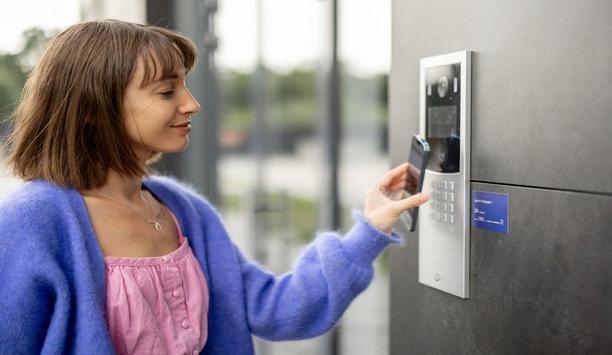
Driving the smart homes market is the convenience of simple technology solutions. Almost every home now has a “smart speaker” that makes it easier than ever for homeowners to interface and control their technology. But where does security fit into the new landscape of smart home systems? We asked this week’s Expert Panel Roundtable: What’s new in smart homes and residential security systems?


Technology's role in securing banks and financial institutions
Download
Security technologies promote real-time awareness in K-12 schools
Download
Integrated systems enable critical and compliant security for transportation
Download
Modernising physical access control
Download
Access. Intrusion. One estate.
Download