Aviation security

SECON & eGISEC 2026 attracted 412 exhibitors from 19 countries and regions and 26,389 industry professionals from over 31 countries and regions. The event featured 32 conference tracks, over 159 sessions, more than 410 business-matching meetings, and over 170 international hosted buyers. Held at KINTEX from 18–20 March, SECON & eGISEC 2026 highlighted the growing convergence of physical and cybersecurity in the AI era. Now in its 25th edition, SECON, together with eGISEC, is the w...

OSI Systems, Inc. announced that its Security division’s Itemiser® 4DX and new Itemiser 5X trace detection systems have achieved ECAC/EU G1 approval, meeting the highest European standards for aviation security. This approval reflects compliance with the European Civil Aviation Conference (ECAC) and European Commission requirements for trace detection systems, supporting enhanced security for airline passengers. Meeting global secrity standards “Achieving ECAC approval and E...

Transportation systems need robust physical security to protect human life, to ensure economic stability, and to maintain national security. Because transportation involves moving large numbers of people and critical goods across vast, often interconnected infrastructure, it presents a highly attractive target for various threats. More threats equate to a greater need for security. We asked our Expert Panel Roundtable: What are the emerging applications of physical security in the transportation...

Emirates and OpenAI have entered into a strategic collaboration to advance AI adoption and innovation across the airline. The collaboration will entail enterprise-wide deployment of ChatGPT Enterprise, supported by tailored AI literacy programs, technical exploration, and executive strategic alignment designed to embed AI capabilities across the organisation. Enormous potential for AI technology Ali Serdar Yakut, Executive Vice President IT said: “We see enormous potential for AI...

Omnisys introduces the BRO (Battle Resource Optimisation) C-UAS system, a field-proven, real-time optimisation platform built to help airport organisations mitigate the growing threat of unauthorised and hostile unmanned aerial systems (UAS). The system enables data-driven, proportionate responses to aerial threats, ensuring passenger safety while maintaining airport operations. In recent months, airports across Europe and the US have faced repeated shutdowns due to unauthorised drones. Munich...

SAGE Integration Inc. proudly welcomes Thomas "Tad" Dowdy as Operations Manager for Logistics and Aviation Verticals. Tad began his career in the early 1990s as an end user working in logistics and corporate security, before moving to the integration side of the security industry. Roles of Tad Dowdy His tenure as a security professional, leadership skills, and vast knowledge of logistics and the aviation security verticals add additional depth and subject matter expertise to the SAGE t...
News

Detection Technology, a pioneer in X-ray detector solutions, announced the launch of its AVA product family. This off-the-shelf, modular line scan detector series is designed to deliver superior imaging performance, versatility, and cost efficiency across security and industrial X-ray imaging applications. The AVA family offers a comprehensive range of detector solutions optimised from value-level systems to premium line scanners. Applications range from entry-level urban security and high-speed aviation to advanced mining and sorting with high-definition TDI (Time Delay Integration) technology. AVA is available as complete subsystems that include detector boards, data combiner boards, software libraries, and all necessary accessories. Integrates two scintillator layers The performance of the AVA platform is based on a simplified hardware design combined with on-chip algorithms and the DT API (Application Programming Interface). Thanks to the DT API, a cross-platform solution is available for Windows, Linux, and ARM systems. Its dual-energy architecture integrates two scintillator layers with an embedded optimised filter for dual energy discrimination on a single PCB, cutting material use by 40% and improving robustness with fewer interfaces and stronger mechanical and electrical connections. The value-segment detectors in the product family feature optimised scintillator structures and materials, enhancing both image quality and cost efficiency by reducing material requirements while improving signal performance. In contrast, the multi-row TDI option is designed for high-speed applications, ensuring exceptionally sharp, high-contrast penetration images even under demanding scanning conditions, such as logistics and e-commerce applications with high screening capacity requirements. Ease of integration, compact design, and durability The AVA product family has been engineered for ease of integration, compact design, and durability in harsh imaging environments, while reducing energy consumption and minimising carbon footprint. Its modular scalability supports shorter time-to-market and easy adaptation to different system setups. Designed for straightforward installation and maintenance, AVA ensures maximised uptime and lifetime across both basic and advanced applications. “Our detector board platform enables both significant cost efficiency and application-optimised imaging performance,” said Tomi Fält, Director of Product Management at Detection Technology. “By combining simplified hardware design with advanced algorithms and a fully digitalised data path, the AVA product family helps our customers accelerate time-to-market while lowering total system costs. In the value segment, customers can achieve cost savings of up to 50% without compromising imaging performance.” Efficient, scalable, and sustainable inspection systems AVA is available globally and is backed by Detection Technology’s worldwide engineering and service support, ensuring reliable performance and customer care across all markets. With AVA, Detection Technology strengthens its position as a trusted partner in X-ray imaging solutions and supports global demand for efficient, scalable, and sustainable inspection systems.

Navigating through the annals of airport security, one discerns a compelling narrative of evolution and innovation tailored to address the fluctuating threat levels and the burgeoning number of air travelers globally. From manual checks to the current era, where technology plays an instrumental role in securing airports, the trajectory of advanced airport security systems illustrates a relentless pursuit of enhanced safety and efficiency. The paramount need to shield airports from potential threats has propelled continuous advancements in their security systems, ensuring a safe transit space for millions of passengers. Biometric security A surge in the adoption of biometric technology within airport security paradigms exemplifies the integration of enhanced security with operational efficiency. Biometric security systems, leveraging unique physiological characteristics such as fingerprints, facial features, and iris patterns, not only fortify security but also streamline passenger flow through airports. By automating identification processes, airports can ensure secure and expedited transitions for passengers, from check-in to boarding, while minimising queues and facilitating smoother operations. The global pandemic further bolstered the adoption of contactless biometric systems, contributing to a safer and more hygienic travel environment. Advanced CCTV systems CCTV systems within airports have transcended beyond mere surveillance to become comprehensive security solutions, interweaving advanced technologies such as Artificial Intelligence and Machine Learning. Modern CCTV systems provide real-time analytical data, enabling security personnel to detect and respond to anomalous activities swiftly and effectively. According to the Civil Aviation Authority, the UK hosts some of the world’s busiest airports, necessitating a vigilant eye that can concurrently ensure safety and manage enormous passenger volumes. The data and insights derived from these advanced CCTV systems are pivotal, enabling strategic deployment of security resources and facilitating preemptive actions against potential security breaches. Sophisticated door entry systems Ensuring secure access to critical areas within an airport is paramount to safeguarding both passengers and assets. Advanced door entry systems, which employ technologies such as smart cards, biometrics, and multi-factor authentication, restrict access to authorised personnel, thereby fortifying physical security barriers. These systems not only deter unauthorised access but also provide a traceable log of entries and exits to sensitive zones, ensuring accountability and enhancing investigative capabilities in the event of a security incident. Unified airport security systems Conjoining the various strands of security technologies, unified airport security systems stand out as a beacon for the future trajectory of airport security. Integration of biometric security, CCTV surveillance, and advanced door entry systems, underpinned by a robust cybersecurity framework, manifests as a cohesive security apparatus that is both resilient and adaptive. By fostering seamless communication and interoperability among various security technologies, airports can cultivate an environment that is comprehensively secure, efficiently managed, and prepared to adapt to the evolving threat landscape. Power of Artificial Intelligence The advent of Artificial Intelligence (AI) has inaugurated a new chapter in the book of advanced airport security systems, by adding a layer of predictive analytics and automated functionalities that enhance the responsiveness and effectiveness of security protocols. AI integrates into various facets of security systems, including CCTV surveillance and access control, offering a smart, adaptive, and highly efficient security management approach. For instance, AI-enabled cameras can autonomously identify and alert security personnel about suspicious activities, unattended objects, or crowd anomalies, ensuring that potential threats are identified and mitigated in real-time. Furthermore, AI’s capability to analyse and learn from data enables airports to continually refine and augment their security measures based on emerging trends and threat patterns. Cybersecurity In an era where data is paramount and connectivity is pervasive, safeguarding the digital realms of physical security apparatus emerges as a pivotal facet of airport security. Cybersecurity in airport security systems ensures that the technologies deployed, such as biometric scanners, CCTV networks, and door entry systems, are impervious to cyber-attacks and data breaches. A secure cyber framework not only protects sensitive data from being compromised but also ensures that the integrated security technologies function cohesively without being sabotaged digitally. This includes employing firewalls, encryption, and multi-factor authentication, and also ensuring regular audits and updates to safeguard against evolving cyber threats, thereby maintaining the integrity and functionality of the physical security infrastructure. Standardisation in airport security As air travel inherently connects various corners of the globe, the standardisation and collaboration in security protocols across international borders are essential to ensuring a universally secure and efficient passenger experience. The International Civil Aviation Organisation (ICAO) and various regional bodies work towards crafting guidelines and standards that shape the security protocols of airports globally. Through international collaboration, airports can share insights, innovations, and threat intelligence, enabling a collective enhancement of security measures. Additionally, standardised security practices ensure that passengers encounter a consistent and predictable security process, irrespective of their travel destination, thereby enhancing passenger experience and global security simultaneously. Monumental advancements In conclusion, the paradigm of airport security has witnessed monumental advancements, each epoch ushering in more refined and robust security measures. As the volume of air travelers escalates and the complexity of potential threats magnifies, the continuous evolution and integration of advanced airport security systems remain paramount. In navigating towards a future laden with unseen challenges, the harmonious fusion of technology, strategy, and proactive security management will steer the course towards safer skies and secure journeys.
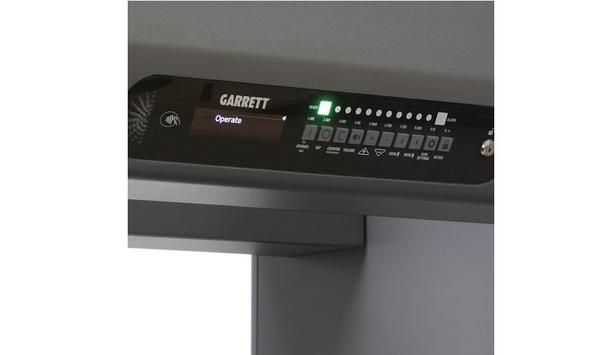
Texas-based Garrett Metal Detectors announced that its Paragon walk-through metal detector had met the European Civil Aviation Conference (ECAC) Standard 2.1 with SMD performance requirements. Meeting the laboratory testing requirements and subsequently receiving the review and endorsement of the ECAC CEP Management Group is the most stringent prerequisite to achieving ECAC certification, and grants automatic eligibility for EU approval of the product along with the stamp that marks products as confirmed by the CEP to meet ECAC/EU performance standards. Products listed on the European Commission's KSDA site are also eligible to pursue non-aviation bids and RFQs that list ECAC-certification as a product spec. ECAC certification "ECAC certification is a critical confirmation of Paragon's premium capabilities and suitability for high-security applications in the global marketplace," said Leonid Zelenkevich, Garrett Director of International Security Sales. He adds, "ECAC testing standards are respected well beyond the borders of the European Union, and this achievement will allow Paragon to bring its advanced feature set and industry-renowned detection precision to the fast-moving and sophisticated world of airport security." Leonid Zelenkevich continues, "Airports and other pedigree institutions previously forced to settle for outdated – but certified – models can breathe a sigh of relief now that a modern metal detection system has achieved this important performance benchmark." Long future of product development "More than that, end users can look forward to a long future of product development within this advanced platform, with groundbreaking software updates, powerful new accessories, and other enhancements designed especially to serve the needs of the aviation industry," concluded Leonid Zelenkevich. The Garrett Paragon is manufactured at Garrett's Garland, Texas facility with appropriate design patents and trademark protections. All Paragon units with software version 2.00.1 or later contain the passing version of the ECAC screening programme. Garrett encourages security customers to insist on buying genuine products from reputable companies to ensure quality, product performance, and effective security operations.

At a hearing on Sept. 16, 2025, Brett Feddersen, Chair of the Security Industry Association (SIA) Drone Security Subcommittee and vice president for strategy and government affairs at D-Fend Solutions, testified before members of Congress to discuss increasing risks from the misuse use of drones and give legislative recommendations for implementing a clear and comprehensive framework for the use of counterdrone technologies and operations across the United States. The hearing — “Unmanned and Unchecked: Confronting the Rising Threat of Malicious Drone Use in America” — focused on the growing threat posed by unauthorised and criminal use of uncrewed aircraft systems (UAS) in both domestic and international airspace. Rapid advancement of drone technology As drone technologies rapidly evolve and become ever more affordable and accessible, it is essential that policies limiting access around sensitive sites and events can be enforced and that drones used for legal and authorised purposes can be distinguished from those being used for criminal activity or potentially attacks. Along with the rapid advancement of drone technology, counter-UAS technologies have been evolving to meet these needs. Various detection technologies, such as radar, optical systems, radio communications and acoustics, allow trained security personnel to detect, track and identify drones in their airspace. Barriers to deploying counterdrone technology There are many proven ways of responding using technologies that federal agencies have fielded for many years Once a drone can be clearly identified as safe or a risk, there are many proven ways of responding using technologies federal agencies have fielded for many years; however, unnecessary barriers to deploying counterdrone technology more widely remain due to outdated laws on the books. “By taking decisive action now to modernise our laws, enhance our technological capabilities and strengthen the partnerships between all levels of government, we can ensure that our skies remain safe and that the promise of unmanned technology is never subverted by those who seek to do us harm,” said Feddersen in testimony submitted to the House Judiciary Subcommittee on Crime and Federal Government Surveillance. Awareness of drone activity Current authorities for federal agencies to detect and mitigate malicious drones are set to expire on Sept. 30, 2025, if Congress does not renew them; however, the current regime is fragmented across various federal agencies, creating confusion and potential gaps in response to incidents, especially for state and local law enforcement and trained security personnel protecting critical infrastructure. It is imperative that Congress not just renew but expand the current authorities for all federal agencies, state, local, tribal and territorial law enforcement and trained security professionals in a clear and cohesive framework to ensure that American communities can have complete air domain awareness of drone activity across the United States.

Texas-based Garrett Metal Detectors announced that it has released new software for its premium walk-through metal detector, Paragon. This major update to Garrett’s leading-edge screening system includes several key refinements and new capabilities for the detector’s performance and operation, driven by the introduction of Garrett’s new, proprietary advanced AI security platform for metal detection using machine learning. Software update Garrett has identified five core areas that will immediately improve the operational experience of Paragon upon the release of the new software update. These include the following: AI-driven improvement in Paragon’s multi-target alarm indication, which significantly enhances its ability to distinguish the specific locations of threat objects. AI-driven ability to precisely and accurately pin-point object locations without ghosting, zone drift, or over-alarming – known issues for previous generation detectors. Upgraded interference immunity to allow Paragon to operate smoothly at higher sensitivities even in electrically “noisy” environments. ECAC screening programme that recently passed the rigorous requirements of the widely-used European aviation standard. Japanese language menu naturalisation to provide a global customer base a top-tier security solution in their native languages. Powerful platform “Paragon is a powerful platform, and one in which we are going to continue to invest. Unlike some competing products, this software does not require user input and will not evolve its security levels without an update. We think it’s important that our customers can trust what they get from day one and not worry about incorrect inputs corrupting the detection algorithms,” said Aaron Arellano, Senior Product Manager of Garrett. Future updates “This update lays the foundation for future updates that will change industry perceptions on what’s possible with walk-through metal detection systems,” continued Aaron Arellano. He adds, “AI can be a buzzword, but it is not an exaggeration to say the AI work we’ve done in our development tools is revolutionising what Paragon is and will be capable of doing. This update isn’t just a significant improvement on Paragon’s capabilities; it’s a signal to keep your eyes on Garrett, because there’s much more where this came from.” Effective security operations The Garrett Paragon is manufactured at Garrett’s Garland, Texas facility with appropriate design patents and trademark protections. This update is compatible with all previous software revisions of Paragon. Garrett encourages security customers to insist on buying genuine products from reputable companies to ensure quality, product performance, and effective security operations. For more details on Garrett’s use and philosophy of AI in product development, visit the AI Policy page on Garrett.com.

BIRD Aerosystems, a provider of innovative airborne defence solutions, announces a significant milestone with a contract from the Israeli Ministry of Defence (DDR&D) for the development, installation and testing of its Airborne Missile Protection System (AMPS), including its recently developed µDIRCM solution on the Israeli Air Force’s Apache helicopter. The system is developed in collaboration with the Directorate of Defence Research & Development (DDR&D) of the Israeli Ministry of Defence. Compact and advanced DIRCM Under the agreement, BIRD will develop, integrate, deliver and test its AMPS solution, incorporating the world’s most compact and advanced DIRCM, ensuring full protection of IAF’s Apache helicopter against modern ground-to-air threats. BIRD’s patented µDIRCM is the world’s lightest, smallest and most advanced multi-functional solution, combining missile detection, confirmation, tracking, and laser jamming within a single unit. It achieves near-zero false alarms and offers unmatched capabilities in threat engagement. Demand for self-protection system BIRD’s patented µDIRCM is the lightest, smallest and advanced multi-functional key, combining missile detection “This is a major milestone for BIRD Aerosystems,” said Matan Perry, VP Marketing & Sales at BIRD Aerosystems. “We are proud that the Israeli Air Force - one of the most advanced air forces in the world - has chosen our newest DIRCM to protect its AH-64." "Our solution combines cutting-edge technology in the world’s most compact and lightweight DIRCM system, delivering unmatched protection facing today’s threats. We witness an increasing worldwide demand for self-protection system, even for small platforms.” Advanced airborne protection systems Ronen Factor, Co-Chief Executive Officer and Co-Founder of BIRD Aerosystems, stated: “It is a great personal and professional privilege for my Co-CEO- Mr. David Dragucki and me to lead the company now selected to equip Israeli Air Force’s AH-64A with the most advanced airborne protection systems available today." "This strategic program, in partnership with the Ministry of Defence and DDR&D, reflects both our deep commitment to national defence and our proven capabilities in delivering mission-critical technologies that meet the most demanding operational needs."

Expert commentary
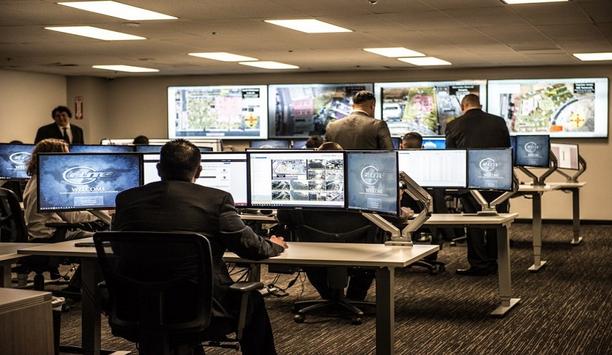
The average business owner or investor has some kind of security precaution in place, especially in the after-hours when there are fewer deterrents to inhibit criminal activity. Security guards, video surveillance systems, motion sensor lights, or even just fake cameras placed around the property are some of the common options people choose. Future of overnight security Smart business owners are starting to realise, however, that some of these traditional security measures are becoming antiquated and no longer cutting. The now and future of overnight security is in remote guarding. Pioneered by companies like Los Angeles-based Elite Interactive Solutions, which was founded back in 2007, remote guarding is revolutionising the overnight security business. Minimising criminal activity Remote guarding is fast becoming the most popular choice among commercial end-user property owners Remote guarding utilises a combination of cutting-edge technology, “digital guards,” highly trained security agents, and local law enforcement if and when necessary to minimise the potential of criminal activity. For those adequately enlightened to its overwhelmingly impressive crime prevention capabilities, remote guarding is fast becoming the most popular choice among commercial end-user property owners to secure and protect their investments. What Is remote guarding? Remote guarding is a revolutionary concept and increasing trend in security systems that utilises a combination of methods to effectively analyse potential threats to property. Cameras and/or other monitoring devices running highly advanced algorithmic software are installed in strategic areas or vulnerable places onsite and remotely located security agents are immediately notified of any activity within a designated perimeter of the property. A blend of AI, cybersecurity, and video analytics When properly deployed by an expert provider, the technology stack includes a proprietary blend of video analytics, artificial intelligence, cybersecurity, and more. Done right, “noise” is effectively filtered out, allowing agents to act on legitimate alerts and achieve zero false alarms communicated to first responders. Today, there are a lot of terms and descriptions tossed around about remote guarding, remote video, virtual guarding, etc., but those attributes must be present to represent the true definition of the offering and its many virtues. Realtime situational awareness Many systems have a two-way speaker that allows the security agent to give a verbal warning When specially trained security agents are alerted to trespassers, possible intruders, or other suspicious activity, they analyse the situation in real-time and determine the necessary level of action. Many systems have a two-way speaker that allows the security agent to give a verbal warning, known as a voice-down, to the individual(s) that they are being watched. Most perpetrators, often believing the response is emanating directly from security personnel on the property itself rather than from a remote command centre, flee immediately. However, if the threat persists, the security agent enlists local law enforcement to get on the scene. Customised remote guarding When properly deployed, remote guarding systems are also customised to specific properties. A team of consultants visits the client’s property to evaluate its vulnerabilities and where to best place cameras and/or other monitoring devices for system efficacy. Traditional security shortfalls According to Keith Bushey, a retired commander for the Los Angeles Police Department, there is much frustration between law enforcement officers and potential victims of crime due to the historically unreliable performance of traditional burglar alarm systems and central monitoring stations. He states about 90% of security-related calls are false alarms, a problem that has been well-documented through the years. Onsite challenges When a legitimate emergency does occur, the perpetrators have often already done their damage When a legitimate emergency does occur, the perpetrators have often already done their damage and/or escaped by the time law enforcement arrives. Onsite security guards are not the remedy either as they bring their own set of issues and challenges. Unexpected costs Traditional security systems can also have unexpected costs. The cost is not only in the security guards’ paycheck or the cost of the equipment itself. The cost comes when an actual incident occurs. In worst-case scenarios, the security guard(s) are injured, the business suffers inventory loss, and/or damage is sustained to the property. The medical and other costs for the security guard(s), the loss of inventory, property damage, deployment of law enforcement resources, and possible fallout of legal expenses all add up. Even in the best-case scenario, false alarm expenses incur if law enforcement is dispatched. These, among many others, are some of the primary issues that remote guarding resoundingly answers as a superior alternative. A bounty of benefits Remote guarding systems have been proven to cut costs and be more effective than traditional security systems. Even though the monthly monitoring costs of remote guarding are significantly higher than traditional intrusion detection system monitoring, the much higher effectiveness in crime reduction, elimination of false alarms, and augmenting or replacement of manned guards result in a substantially higher return on investment (ROI) to the end user. Easy tracking of threats The security cameras already have their image captured on record, making them easier to track down For example, case studies have demonstrated reduced security costs for clients by 60%, on average. These reductions have come from the costs of security staff, inventory, or property loss, plus saving money on insurance premiums and deductibles. The nature of remote guarding reduces the risk and costs of false alarms, with professional security agents able to determine an actual threat before law enforcement is called. In a rare instance when a perpetrator escapes before law enforcement arrives or can detain the individual(s), the security cameras already have their image captured on record, making them easier to track down and identify. Reduction of false alarms The significant reduction in false alarms is greatly appreciated by law enforcement, as it allows them to focus on real emergencies or crises. Better relationships are also developed between clients and law enforcement, as remote guarding systems are highly reliable in providing accurate and real-time information to officers as they approach the scene. In short, it assists law enforcement in doing their job more effectively, as well as more safely thanks to having eyewitness information before engaging in an active crime scene. Partnership When you combine the decreased cost with the increased efficiency and success rate, it is easy to see why many commercial end-user property owners across the country are making the shift to remote guarding. It’s also an outstanding opportunity for professional security dealers and integrators to partner with a remote guarding services provider to bring a superior solution to their end customers and pick up a recurring monthly revenue stream in the process.

It’s no secret that the data security sector is constantly changing. It has an annual CGR of about 12.3%. Future trends in data security Much of this has to do with the rise of cybercrime in recent years, with reports showing that cyberattacks happen as often as every 39 seconds. To combat the growing rate of cybercrime, data security has been on the rise. As we journey further into this era, it becomes evident that a spectrum of significant trends is molding the future of data security. This exploration delves into a selection of these trends, unraveling their importance and the potential implications they carry 1. AI security tools will increase Artificial Intelligence is also being used in the development of smart attacks and malware The introduction of Artificial Intelligence in the data security industry brought significant changes, especially in cybersecurity. AI has been the golden standard for face detection, natural language processing, automated threat detection, and automated security systems. Additionally, Artificial Intelligence is also being used in the development of smart attacks and malware, bypassing even the latest security protocols in data control. And as time progresses, AI security tools will flourish and dominate the scene. Let’s take a more in-depth look at three of the top AI security tools. Targeted attack analysis tool Manufacturers utilise targeted attack analysis tools to uncover targeted and stealthy attacks. Artificial Intelligence can be applied to the program’s capabilities, processes, and knowledge. For instance, Symantec launched this tool to combat the Dragon 2.0 attack in 2022. The phishing attack reprimanded multiple energy companies while trying to gain access to their operational networks. Targeted Attack Analysis Tools can analyse incidents and look for similarities from previous situations. They also help detect suspicious activities and collect all the necessary data to determine whether a specific action is malicious. Intercept X tool Results from the Intercept X Tool feature high accuracy and a low false positive rate Sophos, a British security hardware and software company, launched the Intercept X Tool. It engages a neural network that records and analyses data like a human brain. Sophos’ Intercept X Tool can extract features from a single file and perform a deep analysis. It detects malicious activities within 20 milliseconds. Plus, it’s also trained to work on bi-directional sharing and real-world feedback of threat intelligence. Results from the Intercept X Tool feature high accuracy and a low false positive rate. IBM Watson Technology IBM’s QRadar Advisor uses IBM Watson Technology, a unique AI tool for fighting cyber attacks. Artificial Intelligence can auto-investigate activities and indicators for potential exploitation or compromise. With cognitive reasoning, IBM Watson Technology can present critical insights to accelerate the response cycle. Security analysts can utilise this technology to search for threat incidents, reducing the risk of letting them fly under the radar. 2. Blockchain as a security solution It guarantees no points of failure or hackable entrances that can expose datasets inside the system Blockchain is a type of distributed ledger technology (DLT) that aims to establish trust within an untrusting ecosystem. Today it’s one of the most robust cybersecurity technologies in the industry. Blockchain utilises a decentralised ledger system, but your team members can still gain access to transparent information in the cloud. Members can also record, pass along, and view necessary transactional data in the blockchain. The entire blockchain process maintains data integrity within the system while establishing trust among team members. It guarantees no points of failure or hackable entrances that can expose datasets inside the system. Cybersecurity, biometrics Cybersecurity primarily benefits from these features because blockchain can create a secure and robust wall between data and hackers. On top of that, blockchain ledgers can include biometrics like fingerprints and retina scans. These prevent hackers from accessing any private data. Because blockchain is decentralised, it also limits hackable data. Together with the technology’s record-keeping system, each node is provided insight into data manipulation exposing real-time cybercrime attempts. 3. Increased and widened access control Without access control, expect your company to be open to security issues, including theft, data loss, and breach of data Access control is critical in data security. More than a valuable security tool, business leaders can use access control to regulate people accessing any given resource. A company with an IT security setting can control who has the liberty to edit certain files. One of the primary goals of access control is to minimise threats or attacks to organisations and businesses to keep people and data secure. Without access control, expect your company to be open to security issues, including theft, data loss, and breach of data protection laws. Benefits The benefits of increased and widened access control include: Identifying who can access and control your data at specific time intervals. Protecting data from overwriting, accidental deletion, and malicious intent. User permissions that can be readily changed. Compliance and regulation with data privacy laws. Central management of access to data through a reporting portal or a dashboard. Multi-factor authentication Access control comes in various types and systems, so it’s critical to know the features of what you’re looking for. The most common type is multi-factor authentication or MFA. It involves multiple steps before logging in, requiring the user to enter other relevant information besides the password. Some other examples of information include biometrics, answering a security question, or entering a code sent to the user’s email address. Two-factor authentication, role-based access control Two-factor authentication further prevents unauthorised entries that can result in unnecessary data possession Two-factor authentication further prevents unauthorised entries that can result in unnecessary data possession. Another type of access control is role-based access control. In this setup, only one individual can set up access guidelines and grant permissions to specific team members within an organisation. 4. Greater use of the zero-trust security model The zero-trust security model is a framework that requires every user within and outside the organisation to undergo authentication, authorisation, and validation. These are all essential to ensure proper security configuration before access is granted to the company’s applications and data. A zero-trust model assumes that anyone can cause data breaches and that a traditional network edge is not taken into effect. Moreover, it addresses the following modern-day challenges: Hybrid cloud environments. Security of remote workers. Ransomware threats. This framework utilises the combination of multiple advanced technologies, including: A risk-based multi-factor authentication. Endpoint security. Identity protection. Cloud workload technology. The zero-trust model uses all these innovative tools for system identification, user verification, access consideration, and system security maintenance. Constant validation and monitoring Enforcing strict policies and compliance with data privacy laws are also essential Additionally, it also considers data encryption, email security, and asset verification before establishing connections with applications. The architecture of a zero-trust framework requires constant validation and monitoring of the users and the devices they are using. Enforcing strict policies and compliance with data privacy laws are also essential. More importantly, the zero trust architecture requires all organisations to be aware of all their available services and accounts to gain complete control of data handling and manipulation. 5. Increased privacy regulations Privacy regulations and policies guide organisations in proper data control, handling, and security. These policies guide organisations in proper data control, handling, and security. As a responsible business owner, you must comply with these regulations to avoid legal issues. With cybersecurity attacks becoming common, expect increased and stricter privacy regulations to be released in the next few years. While current policies are still taken into effect, various modifications and adjustments will occur to compete with the rising numbers of data breaches, thefts, data loss, and more. California Privacy Rights Act (CPRA) Currently, the California Privacy Rights Act (CPRA) is the most comprehensive legislation on state data privacy. It only started to take effect on January 1, 2023. The CPRA introduces the following principles: Broad individual consumer rights. Significant duties of people who need to collect sensitive and personal information. Additional definitions of data privacy and security. An individual’s duties include releasing information about data collection to concerned data subjects and proper access, correction, and deletion of information. Final thoughts 2023 is a big year for data security. Trends such as increased adoption of zero-trust policies, a greater reliance on AI security tools, and the implementation of blockchain as a security solution are all things we expect to see shortly. Staying up-to-date with these trends is important for keeping your business current and ensuring that you’re adhering to new and changing regulations. Doing so can give you an edge over the competition and keep you out of legal hot water.

Global transportation networks are becoming increasingly interconnected, with digital systems playing a crucial role in ensuring the smooth operation of ports and supply chains. However, this reliance on technology can also create vulnerabilities, as demonstrated by the recent ransomware attack on Nagoya Port. As Japan's busiest shipping hub, the port's operations were brought to a standstill for two days, highlighting the potential for significant disruption to national economies and supply chains. Transportation sector The attack began with the port's legacy computer system, which handles shipping containers, being knocked offline. This forced the port to halt the handling of shipping containers that arrived at the terminal, effectively disrupting the flow of goods. The incident was a stark reminder of the risks associated with the convergence of information technology (IT) and operational technology (OT) in ports and other critical infrastructures. This is not an isolated incident, but part of a broader trend of escalating cyber threats targeting critical infrastructure. The transportation sector must respond by bolstering its defences, enhancing its cyber resilience, and proactively countering these threats. The safety and efficiency of our transportation infrastructure, and by extension our global economy, depend on it. Rising threat to port security and supply chains XIoT, from sensors on shipping containers to automatic cranes, are vital to trendy port functions OT, once isolated from networked systems, is now increasingly interconnected. This integration has expanded the attack surface for threat actors. A single breach in a port's OT systems can cause significant disruption, halting the movement of containers and impacting the flow of goods. This is not a hypothetical scenario, but a reality that has been demonstrated in recent cyberattacks on major ports. Adding another layer of complexity is the extended Internet of Things (XIoT), an umbrella term for all cyber-physical systems. XIoT devices, from sensors on shipping containers to automated cranes, are now integral to modern port operations. These devices are delivering safer, more efficient automated vehicles, facilitating geo-fencing for improved logistics, and providing vehicle health data for predictive maintenance. XIoT ecosystem However, the XIoT ecosystem also presents new cybersecurity risks. Each connected device is a potential entry point for cybercriminals, and the interconnected nature of these devices means that an attack on one, which can move laterally and can have a ripple effect throughout the system. The threat landscape is evolving, with cybercriminals becoming more sophisticated and their attacks more damaging with a business continuity focus. The growing interconnectivity between OT and XIoT in port operations and supply chains is also presenting these threat actors with a greater attack surface. Many older OT systems were never designed to be connected in this way and are unlikely to be equipped to deal with modern cyber threats. Furthermore, the increasing digitisation of ports and supply chains has led to a surge in the volume of data being generated and processed. This data, if not properly secured, can be a goldmine for cybercriminals. The potential for data breaches adds another dimension to the cybersecurity challenges facing the transportation sector. Role of cyber resilience in protecting service availability Cyber resilience refers to organisation's ability to prepare for, respond to, and recover from threats As the threats to port security and supply chains become increasingly complex, the concept of cyber resilience takes on a new level of importance. Cyber resilience refers to an organisation's ability to prepare for, respond to, and recover from cyber threats. It goes beyond traditional cybersecurity measures, focusing not just on preventing attacks, but also on minimising the impact of attacks that do occur and ensuring a quick recovery. In the context of port operations and supply chains, cyber resilience is crucial. The interconnected nature of these systems means that a cyberattack can have far-reaching effects, disrupting operations not just at the targeted port, but also at other ports and throughout the supply chain. A resilient system is one that can withstand such an attack and quickly restore normal operations. Port operations and supply chains The growing reliance on OT and the XIoT in port operations and supply chains presents unique challenges for cyber resilience. OT systems control physical processes and are often critical to safety and service availability. A breach in an OT system can have immediate and potentially catastrophic physical consequences. Similarly, XIoT devices are often embedded in critical infrastructure and can be difficult to patch or update, making them vulnerable to attacks. Building cyber resilience in these systems requires a multi-faceted approach. It involves implementing robust security measures, such as strong access controls and network segmentation, to prevent attacks. It also involves continuous monitoring and detection to identify and respond to threats as they occur. But perhaps most importantly, it involves planning and preparation for the inevitable breaches that will occur, ensuring that when they do, the impact is minimised, and normal operations can be quickly restored. Building resilience across port security and supply chains In the face of cyber threats, the transport sector must adopt a complete method of cybersecurity In the face of escalating cyber threats, the transportation sector must adopt a comprehensive approach to cybersecurity. This involves not just implementing robust security measures, but also fostering a culture of cybersecurity awareness and compliance throughout the organisation. A key component of a comprehensive cybersecurity strategy is strong access controls. This involves ensuring that only authorised individuals have access to sensitive data and systems. It also involves implementing multi-factor authentication and regularly reviewing and updating access permissions. Strong access controls can prevent unauthorised access to systems and data, reducing the risk of both internal and external threats. Network segmentation Network segmentation is another crucial measure. By dividing a network into separate segments, organisations can limit the spread of a cyberattack within their network. This can prevent an attack on one part of the network from affecting the entire system. Network segmentation also makes it easier to monitor and control the flow of data within the network, further enhancing security. Regular vulnerability assessments and patch management are also essential. Vulnerability assessments involve identifying and evaluating potential security weaknesses in the system, while patch management involves regularly updating and patching software to fix these vulnerabilities. These measures can help organisations stay ahead of cybercriminals and reduce the risk of exploitation. EU’s NIS2 Directive EU’s NIS2 Directive came into effect, and member states have until October 2024 to put it into law The transportation sector must also be prepared for greater legislative responsibility in the near future. The EU’s NIS2 Directive recently came into effect, and member states have until October 2024 to put it into law. The Directive aims to increase the overall level of cyber preparedness by mandating capabilities such as Computer Security Incident Response Teams (CSIRTs). Transport is among the sectors labelled as essential by the bill, meaning it will face a high level of scrutiny. Getting to grips with the complexities of XIoT and OT integration will be essential for organisations to achieve compliance and avoid fines. Global transportation infrastructure Finally, organisations must prepare for the inevitable breaches that will occur. This involves developing an incident response plan that outlines the steps to be taken in the event of a breach. It also involves regularly testing and updating this plan to ensure its effectiveness. A well-prepared organisation can respond quickly and effectively to a breach, minimising its impact and ensuring a quick recovery. In conclusion, mastering transportation cybersecurity requires a comprehensive, proactive approach. It involves implementing robust technical measures, fostering a culture of cybersecurity awareness, and preparing for the inevitable breaches that will occur. By taking these steps, organisations can enhance their cyber resilience, protect their critical operations, and ensure the security of our global transportation infrastructure.
Security beat

Travel volumes at airports have been increasing of late, although still below the 2.5 million or so passengers the Transportation Security Administration (TSA) screened every day, on average, before the pandemic. As passengers return, they will notice the airport security experience has changed during the pandemic – and many of the changes are likely to continue even longer. Need for touchless technology The lowest U.S. air travel volume in history was recorded last April, with approximately 87,500 passengers. As passenger traffic plummeted, the aviation community sought to explore the potential of new technologies to make security checkpoints more contactless and flexible when the traffic numbers return. The pandemic has seen an increase in touchless technology deployed in the screening area. Used for cabin baggage screening, Computed Tomography (CT) produces high-quality, 3-D images to enable a more thorough analysis of a bag’s contents. Imaging Technology Millimeter-wave body scanners began replacing metal detectors globally as a primary screening method Enhanced Advanced Imaging Technology (eAIT), which uses non-ionising radio-frequency energy in the millimeter spectrum, safely screens passengers without physical contact for threats such as weapons and explosives, which may be hidden under a passenger’s clothing. Millimeter-wave body scanners began replacing metal detectors globally as a primary screening method. AI algorithms Other innovations include an automatic screening lane, centralised image processing, and artificial intelligence (AI). Looking ahead, AI algorithms have the ability to clear most passengers and bags automatically, making the process smoother and freeing up staff to focus only on alarms. The pandemic’s need for contactless screening may accelerate the adoption of AI. CAT machine Credential Authentication Technology (CAT) machines automatically verify identification documents presented by passengers during the screening process. The TSA continues to accept expired Driver’s Licenses and state-issued IDs for up to a year after expiration, based on the premise that license renewals may be delayed and/or more difficult during the pandemic. The REAL ID enforcement deadline was extended to Oct. 1, 2021. Health precautions Checkpoint health precautions have been a part of the airport screening experience since early in the pandemic. Last summer, the TSA announced the “Stay Healthy. Stay Secure” campaign, which included requirements such as social distancing among travelers, ID verification without physical contact, plastic shielding installed at various locations, and increased cleaning and disinfecting. In January 2021, President Biden signed an Executive Order requiring travellers to wear face masks when in airports and other transportation facilities (to remain in effect until May 11). Checkpoint screening Clear is a privately owned company that provides expedited security that uses biometrics either a person’s eyes or face to speed along the process of getting people through checkpoints. TSA officers wear masks and gloves at checkpoints and may also wear eye protection or clear plastic face shields. The limits on allowable liquids a passenger may take on board were broadened to include a hand sanitiser container of up to 12 ounces, one per passenger in a carry-on bag. A paradigm shift Just as aviation security changed after 9/11, the COVID-19 crisis is expected to lead to a paradigm shift to create a safer and more secure environment. Measures were implemented so that passengers, staff and other stakeholders could have continued assurance and confidence in airports amid and after the pandemic.

Facial recognition continues to be a political football and a target of privacy activists in the United States. For example, San Diego has suspended its use of facial recognition scanners by law enforcement after a campaign by civil rights groups. The San Diego Tactical Identification System (TACIDS) programme included a database of facial recognition scans shared by 30 local, state and federal agencies. A California law, passed in the fall, puts a three-year moratorium on law enforcement use of face recognition technology. A proposal in Congress would prohibit use of biometric recognition technology in most public and assisted housing units funded by the Department of Housing and Urban Development (HUD), thus protecting the more than two million public housing residents nationwide from being “over-surveilled.” The “No Biometric Barriers to Housing Act” is supported by the NAACP, the National Housing Law Project, National Low-Income Housing Coalition, National Action Network, Color of Change, and the Project on Government Oversight. The problems of Facial Recognition "Studies that show that facial recognition systems may misidentify many individuals including women and people of colour" A letter from seven members of Congress to HUD Secretary Ben Carson questioned the use of facial recognition in federally assisted housing because it “could be used to enable invasive, unnecessary and harmful government surveillance of…residents.” The letter cites studies that show that facial recognition systems may misidentify many individuals including women and people of colour, thus “exacerbating vulnerabilities that marginalized groups already face in life.” In June, Somerville, Mass., became the second U.S. city to ban the use of facial recognition technology in public spaces. The first was San Francisco. A coalition of organisations and trade associations has issued a letter to Congress outlining concerns with “blanket prohibitions” or moratoriums on facial recognition technology and listing beneficial uses for public safety, national security and fighting fraud. The Security Industry Association (SIA) is part of the coalition, the Information Technology and Innovation Foundation. A letter from seven members of Congress to HUD Secretary Ben Carson questioned the use of facial recognition in federally assisted housing Facial recognition technology has benefited Americans in many ways, such as helping to thwart identity thieves" The letter says: “While polls consistently show that Americans trust law enforcement to use facial recognition technology responsibly, some groups have called for lawmakers to enact bans on [the] technology. While we agree that it is important to have effective oversight and accountability of these tools to uphold and protect civil liberties, we disagree that a ban is the best option.” Development and guidance As alternatives to outright bans, the letter proposes expanded testing and performance standards, develop of best practices and guidance for law enforcement, and additional training for different uses of the technology. “Facial recognition technology has benefited Americans in many ways, such as helping to fight human trafficking, thwart identity thieves and improve passenger facilitation at airports and enhance aviation security,” says Don Erickson, CEO of SIA. “SIA believes this advanced technology should be used in a safe, accurate and effective way, and look forward to working with Congress to help the U.S. set the example on how to ethically and responsibly govern this technology.” SIA has produced a document called “Face Facts: Dispelling Common Myths Associated with Facial Recognition Technology.”

Could drones be used for civilian/commercial surveillance within five years? Drone strikes in war zones are reported routinely now in the news, but unmanned aerial vehicles (UAVs) or drones are still not common in commercial and civilian applications. Commercial uses may still be several years away, but is it too soon to start thinking about the possible security applications? Currently in the United States, Congress has directed the Federal Aviation Administration to come up with a plan by September 2015 to “integrate” unmanned aircraft safely into U.S. airspace. After that, presumably, the FAA will grant licenses to fly the vehicles for various civilian and commercial uses. The agency projects that five years after it issues regulations for drones weighing 55 pounds or less, there will be 7,500 such devices in the air. Meanwhile, technology advances are making the process of flying the drones both more precise and more automated. By the time drones are widely used in the commercial world, it will be a mature technology that has performed many years in military applications. The effective wartime use of drones has encouraged greater consideration of how the devices can be used in commercial applications such as security. Enhancing video surveillance for large perimeters The most obvious security application is the ability to add new bird’s-eye views to video surveillance systems. Drones programmed to “patrol” a perimeter could expand current capabilities of security to provide an early warning, or could even be programmed to follow a target as it approaches a protected facility. Drones could be used to view very large areas, such as along petroleum pipelines which may now be unprotected. Use of a variety of sensors and other electronic components makes the potential benefits of drones for security applications almost limitless. Even as the U.S. regulatory issues are being settled, it is likely commercial uses will continue to be developed in other places in the world, ready to deploy domestically as soon as they are allowed. Other civilian applications include policing and firefighting or other work that is dangerous or unpleasant. How might the interaction of such uses with existing security systems promote greater protection and faster emergency response? How should the security industry be preparing for civilian uses of drones? (For that matter, what new vulnerabilities and threats does the technology represent and how should the industry prepare?) Drones are already being used for surveillance at the U.S.-Mexican border, and the Washington Post reported earlier this year that various federal, state and local law enforcement agencies often borrow the drones for missions such as disaster relief and searching for marijuana crops. We have all watched how fast technology can change our market. It may not be too soon to be thinking about how drones could become a valuable new tool for the security market. Five years isn’t very long.
Case studies

Paderborn/Lippstadt Airport plays a central infrastructural role in the East Westphalia-Lippe region of Germany. In order to meet the growing requirements of the German Aviation Security Act (LuftSiG), the airport comprehensively modernised its existing video surveillance system. The objective was to ensure efficient monitoring of critical areas such as the apron, access roads, car parks, and terminal entrances – with minimal resource use. Together with systems integrator Horn Sicherheitstechnik, Dallmeier developed a solution that allows gradual migration to IP-based components such as the multifocal sensor system Panomera®, without the need to immediately replace existing analogue technology. The solution complies with all applicable security and data protection requirements and is designed for future scalability. Secure airport operations Roughly six million people live within the catchment area of Paderborn/Lippstadt Airport. As a regional transportation hub, the airport provides vital connectivity to both tourist and business destinations. Scheduled and charter flights as well as business, private, and cargo traffic are all part of daily operations. This makes the airport not only an important infrastructure facility but also a regional employer and mobility partner. Smooth operations and full compliance with legal obligations – such as the Aviation Security Act (§5 and §8), the General Data Protection Regulation (GDPR), and the NIS-2 Directive – form the foundation for secure airport operations. Increasing regulatory requirements The decision to upgrade and extend the video security infrastructure was driven by increasing regulatory requirements and technological advancement. The focus was on reliable video coverage of the approximately 65,000 square metre apron area, as well as other critical zones such as access roads, car parks, terminal entrances and the so-called aviation security boundaries – the transition point for passengers from landside to airside. Analog systems were not replaced in one step; instead, a step-by-step migration to IP technology was planned and implemented – in a manner that was flexible and adapted to the airport’s existing infrastructure and operational needs. Modern IP cameras The implementation was carried out by experienced systems integrator Horn Sicherheitstechnik in collaboration with Dallmeier electronic. At the heart of the project is a hybrid system architecture that combines existing analog components with modern IP cameras. Video recording is handled by Dallmeier recording appliances such as the DMS 2400 and IPS 10000, which enable simultaneous operation of both analogue and IP technologies. To monitor sensitive zones, various camera models are used – including Domera®, fisheye, and bullet cameras, as well as Panomera® systems from the W4 and S8 series. Panomera® enables wide-area coverage with a minimum number of cameras while still delivering high-resolution detail – a major advantage for large apron areas where both overview and detailed monitoring are essential. Video management is handled via SeMSy® Compact in combination with the SeMSy® Event Manager. Additionally, door and alarm contacts were integrated using Moxa devices to enable functional synergies and alarm forwarding – particularly at the aviation security boundaries. Aviation security boundaries With the new system, the airport fully meets the requirements of §5 and §8 of the German Aviation Security Act – for example, in monitoring aviation security boundaries, access roads and other sensitive operational areas. The hybrid system architecture allows targeted expansion of the existing infrastructure. One key benefit: Thanks to Panomera®, the number of cameras required was significantly reduced – without sacrificing field of view or image quality. This results in savings not only in installation and operational costs but also in ongoing maintenance. The modular system design supports step-by-step migration and offers long-term flexibility. “With the Dallmeier solution, we were able to seamlessly modernise our existing infrastructure while efficiently meeting new security requirements. We were particularly impressed by the flexibility to integrate both analog and IP systems,” explains Paul Sawatzki, Head of IT & Technology at Paderborn/Lippstadt Airport. AI-driven technologies The Dallmeier solution meets all requirements set forth by the GDPR and the NIS-2 Directive – especially in terms of data protection, IT security, and system availability. As an ISO-certified company – including certification to ISO/IEC 27001 for information security management systems – Dallmeier delivers the highest standards in the handling of sensitive data. These certifications provide a reliable foundation for deploying the technology in critical infrastructure environments. Additionally, Dallmeier’s in-house development and production in Germany (“Made in Germany”) ensures transparency and legal certainty for operators. Another key advantage of the new system is its future-proof design. Beyond surveillance alone, AI-based analytics for process optimisation and cost savings are increasingly in focus. The airport plans to deploy AI-driven technologies such as the Dallmeier “Attribute Finder”, which can be seamlessly integrated into the existing infrastructure. High integration capability The project at Paderborn/Lippstadt Airport demonstrates how intelligent planning and cutting-edge technology can bridge the gap between legacy infrastructure, system modernisation, and long-term readiness. The “Made in Germany” solution delivers durability, efficiency, and high integration capability – representing a successful deployment of modern video technology in a critical infrastructure environment. Horn Sicherheitstechnik also draws a positive conclusion: “Thanks to close coordination with all project stakeholders and the use of Dallmeier’s PlanD camera planning tool, we always had full control over the project. The tool gave us complete planning reliability right from the design phase,” says Michael Horn, Managing Director of Horn Sicherheitstechnik. Video information technology In 1984, Dieter Dallmeier founded what is now Dallmeier electronic – not in the proverbial garage, but in a garden shed in Regensburg, Germany. Today, the company, which can justifiably call itself a hidden champion for video information technology "Made in Germany", has several hundred employees worldwide, more than 250 of them at the company headquarters in the center of Regensburg alone. Dallmeier's camera, recording, software, and analysis solutions optimise security and processes for B2B end customers in a wide range of industries in over 60 countries. The focus is on users from the casino, smart city, airports, logistics, stadiums, and industrial sectors. But also, banks, critical infrastructure facilities as well as medium-sized companies from all sectors. Image storage system With pioneering innovations, Dallmeier has succeeded time and again in placing itself at the forefront of technology: From the world's first digital image storage system with motion analysis in 1992, the patented "multifocal sensor technology" Panomera® with its "Mountera®" mounting system, to the latest Domera® camera family, which allows up to 300 camera variants with only 18 components. These and many other innovations provide real, tangible customer benefits. And with a low Total Cost of Ownership (TCO) and a high Return on Investment (ROI) they can easily compete with systems produced and supplied from low-wage countries. With "Made in Germany", they also guarantee their customers the highest standards in data protection, cybersecurity, and ethical responsibility. With high quality and short supply chains, they also ensure – almost incidentally – sustainability and environmental protection. From their prestigious headquarters in the center of Regensburg, Dallmeier not only carries out its own research and development but also the complete manufacturing process – from component to product to solution.

ATÜ Duty Free, Turkey’s pioneering duty-free retailer, aimed to establish a comprehensive security and AI-powered surveillance system in the Antalya Airport new terminal building project to maximise operational efficiency and customer experience. This critical project was successfully implemented thanks to Hanwha Vision’s high-performance camera solutions and deep learning-based AI capabilities, combined with the flawless implementation by integrator Arte Teknoloji. This project, utilising over 1,450 cameras, serves as a model for modern retail security and business intelligence applications. ATÜ Duty Free ATÜ Duty Free is one of Turkey’s and the world’s pioneering players in international standard duty-free retail. Operating in major Turkish airports such as Istanbul, Ankara, Izmir, and Antalya, as well as abroad, ATÜ is committed to providing travellers with a luxurious and enjoyable shopping experience. Due to its wide product range, high customer traffic, and sensitive duty-paid/duty-free sales processes, security systems are not only a means of protection for ATÜ but also a critical resource for business intelligence and operational management. Arte Technology A pioneer in the electronic security systems sector since 2006, Arte Technology is an integrator company specialising in low-voltage systems that has delivered hundreds of successful projects. Arte Technology offers its customers comprehensive services, from sales to after-sales support, in line with international standards and local regulations, providing solutions from global brands such as Hanwha Vision. Project objectives and challenges The new terminal building at Antalya Airport, with its high passenger traffic and extensive and complex store layout, required the following objectives: Advanced security: Prevention of in-store theft, inventory losses, and security breaches in critical areas. Operational efficiency: Effective management of customer flow, congestion levels, and checkout processes in the retail area. Business intelligence: Collecting data to analyse customer behaviour, optimise in-store layouts, and increase sales. Integration and management: Seamless and reliable management of over 1,450 cameras and analytical data through a centralised VMS (Video Management System). Hanwha Vision’s solution The backbone of the project consists of Hanwha Vision cameras, chosen for their reliability and high image quality. A total of 1,450 cameras have been deployed at the terminal’s most critical points: QNV-C6083R (Dome) – 1200 cameras for in-store areas, corridors, warehouses and customer tracking. QNO-C6083R (Bullet) – 250 cameras for exterior facades, entrances/exits, and critical surveillance points. AI applications: enhancing efficiency and customer experience Using Hanwha Vision’s camera and Genetec’s VMS integration, three critical AI analytics solutions tailored for ATÜ were implemented: People counting: By accurately measuring passenger density in different sections of the store and at the main entrances, working hours and staff distribution were optimised. Queue management at checkouts: Cameras installed in checkout areas detect queues forming and send alerts to staff to manage. Heatmap: Areas where customers spend the most time within the store are analysed visually. This data has become an indispensable business intelligence tool for optimising product placement (merchandising) and window displays. Software integration All camera and analytics data is consolidated on the industry-pioneering Genetec VMS platform. This powerful integration has provided ATÜ with the following capabilities: Centralised monitoring and recording management. Rapid visualisation and reporting of Hanwha Vision AI data within the VMS interface. Establishment of alert mechanisms for immediate response to incidents. Results and benefits Thanks to this comprehensive project, ATÜ Duty Free has achieved significant gains not only in security but also in operational excellence at Antalya Airport: Precise inventory control – High-resolution surveillance minimises the risk of theft and loss, particularly in areas containing luxury and duty-free goods. Enhanced customer experience – Queue Management has reduced waiting times, for improved customer satisfaction. Efficient staff deployment – The right number of staff were assigned during peak hours using people counting data. Store optimisation – Heatmap analytics highlight the most popular store areas, maximising sales potential. This case study demonstrates how Hanwha Vision’s reliable camera hardware, alongside distributor Entpa Elektronik A.Ş. and its Project Manager Eyüp Tetik, combined with Arte Technoloji’s integration expertise, provides the retail sector not only with video recording but also with actionable business intelligence that delivers value.

Gunnebo Entrance Control has partnered with Queenstown Airport (ZQN) and Custom Technology Systems Ltd to elevate the domestic departure experience, providing greater convenience and security for passengers. Queenstown Airport, a key gateway to New Zealand’s South Island and the country’s fourth-busiest airport, has evolved continuously since opening in 1935. Now serving more than 2.6 million passengers each year, it connects major domestic destinations and east coast Australia, driving ongoing improvements to passenger facilities and operational efficiency. Entrance control solution As part of a dedicated programme to enhance the domestic departures journey, ZQN reworked existing café space. A glass wall was installed to relocate the café airside, integrating it with the gate lounge. This provided direct food and beverage access for passengers and created additional seating, all within the same footprint. To support the new layout, Custom Technology Systems Ltd and Gunnebo Entrance Control worked closely with the on-site teams to deliver a tailored entrance control solution that balanced security and passenger flow whilst accommodating spatial limitations. Adapting to unexpected challenges “The success of this project was achieved by working together, adapting to unexpected challenges, and staying focused on delivering a secure, seamless journey for every passenger,” said Chris Walker, Project Manager at Queenstown Airport. “Every challenge we encountered was met together. Whether it was refining the design, resolving compliance issues, or adapting to the space, we relied on each other’s strengths to get it right.” Gunnebo Entrance Control’s PasSec solution To optimise style, security and passenger movement, the team installed Gunnebo Entrance Control’s PasSec solution, a sleek one-way corridor system designed to prevent backflow while maintaining compliance with strict local and international aviation regulations. Brett Copeland, Managing Director at Custom Technology Systems Ltd, added: “For this works programme, there was a genuine sense of problem-solving together. It wasn’t about one party leading and others following but instead a collaborative process from initial design and specification through to project completion. We each brought ideas, worked through constraints and stayed focused on making the solution fit.” Challenges together to deliver smarter Clive Dillen, Regional Manager at Gunnebo Entrance Control, concluded: “We’re proud of what we achieved here, and the result reflects the true essence of coordination, discussion and trust. That’s what true partnership looks like and marks a major step forward in Queenstown Airport’s continued development." "It stands as a clear example of what can be accomplished when organisations work through challenges together to deliver smarter, more effective outcomes for passengers and operators.”

Cognitec Systems Pty Ltd is working with Home Affairs Australia to deliver 250 camera devices for facial image capture, image quality check, and traveller identity verification at all major international airports in Australia. With approximately 41 million international travellers entering and leaving Australia each year, the Department uses facial biometrics to collect and electronically verify the identity of eligible international travellers. Cognitec hardware and software systems Cognitec’s capture device, FaceVACS-Entry, detects the person’s height, automatically adjusts the camera position to capture a frontal pose photo, and uses automated face recognition to verify person identity. Cognitec is also providing integration software, mounting hardware, device installation services, as well as ongoing support and maintenance services for all Cognitec hardware and software systems. Relationship with the Department of Home Affairs “Cognitec is proud to continue a successful relationship with the Department of Home Affairs, and to deliver our technology for quick collection of biometric photos and for accurate traveller verification at the Australian border primary lines,” says Terry Hartmann, Cognitec’s Vice President Asia Pacific, adding “This project contributes to the security and ongoing digitisation of the Australian border, ensuring trusted traveller identities.” FaceVACS-Entry is used by governments worldwide for applications that require the acquisition of standards-compliant photos, and the verification of a live image against reference images, such as access control, border control, and entry/exit programs.

i-PRO Co., Ltd. (formerly Panasonic Security), a pioneering manufacturer of edge computing cameras for security and public safety, announced the successful deployment of its advanced, AI-powered camera technology at a major UK aerospace manufacturing facility. The project, delivered in partnership with long-time integrator Richards CCTV, modernised the site’s ageing security infrastructure, addressing stringent aviation industry compliance needs while enhancing safety, operational efficiency, and future scalability. Advanced functionality and analytics The customer, a prominent supplier within the global aerospace supply chain, operates in a high-risk environment The customer, a prominent supplier within the global aerospace supply chain, operates in a high-risk environment where precision engineering and rigorous safety standards are essential. Its legacy security system had grown increasingly unreliable, lacking the advanced functionality and analytics required for the complex security landscape. With high-value assets, civil aviation regulations, and extensive health-and-safety oversight requirements at play, the company sought a more intelligent, robust, and resilient security platform. i-PRO’s edge-AI camera technology To meet these demands, Richards CCTV designed and implemented a comprehensive upgrade based on i-PRO’s edge-AI camera technology. The installation included 169 high-performance cameras deployed across production lines, common areas, external perimeters, and critical zones. Key components Advanced camera technology i-PRO’s AI-powered search application that turns camera metadata into actionable intelligence i-PRO’s portfolio includes AI-enabled S-Series cameras that can distinguish people from objects in real time to reduce false alarms, high-speed PTZ cameras that extend perimeter awareness, and fixed domes that deliver clear evidence in shared spaces to help resolve incidents quickly. The cameras are integrated with Active Guard, i-PRO’s AI-powered search application that turns camera metadata into actionable intelligence, enabling operators to run real-time alerts and proactively manage incidents before they escalate. Remote monitoring and analytics enhance operational efficiency Real-time alerts and mobile integration allow managers to receive live notifications and make decisions remotely, reducing the need for constant on-site supervision. Meanwhile, embedded AI analytics enable quality-control teams to detect manufacturing anomalies earlier, increasing production integrity and minimising downtime. “Our client was happy to lean on our long-standing experience working with i-PRO cameras and the local i-PRO team,” said Phil Luckman, Sales Account Manager at Richards CCTV. “Knowing that i-PRO is willing to properly engage with a customer, come on-site if required, and help demonstrate a proof-of-concept is invaluable.” System reliability and ease of integration Post-deployment, the aerospace plant has seen measurable improvements across several fronts From the outset, system reliability and ease of integration were key. Richards CCTV reported that all 169 devices were “quick to configure and install,” with minimal disruption to day-to-day operations. i-PRO’s durable design, five-year hardware warranties for certified partners, and responsive UK-based support team ensured a smooth, future-proof, deployment and instilled confidence in the long-term viability of the platform. Post-deployment, the aerospace manufacturer has seen measurable improvements across several fronts. The ability to analyse footage from multiple angles has helped refute false personal injury claims, while also identifying root causes of legitimate incidents, leading to meaningful updates in health-and-safety policies. The new system’s high-fidelity audit trails also support quality assurance and compliance documentation, delivering transparency for internal stakeholders and regulators alike. New use cases for i-PRO’s evolving AI capabilities Looking ahead, the installation offers scalability and future-proofing, enabling the end user to adapt the system to continuously evolving needs and industry standards. Planned expansions include securing additional tree-lined zones and increasing coverage in logistics corridors. The facility is also exploring new use cases for i-PRO’s evolving AI capabilities, including automated detection of PPE compliance and unsafe behaviours around heavy machinery. “The cameras provide excellent images in all lighting conditions—every single one performed out of the box,” added Luckman. “With their build quality and long warranties, we know the i-PRO system will deliver long-term value.”

Gunnebo Entrance Control has successfully installed its BoardSec intelligent airport boarding gate system at Chongqing Jiangbei International Airport’s Terminal 3, as part of a major smart renovation and upgrade program. As the primary international gateway for Chongqing - one of the world's most populous cities - Jiangbei International Airport handled over 40 million passengers in 2024, ranking among the top ten busiest airports in mainland China. Gunnebo’s top visual recognition technology To enhance security and streamline airport operations, Gunnebo Entrance Control has supplied over 150 BoardSec systems, integrating advanced biometric face recognition and cutting-edge visual behaviour identification technology to revolutionise self-boarding. Traditional boarding gates often struggle to detect complex passenger behaviours. Gunnebo’s Top Visual Recognition Technology leverages high-precision camera arrays and deep-learning algorithms to identify over 20 types of risky behaviours, including tailgating, reversing, and unattended luggage. If an item is left unattended beyond a set time, the system automatically alerts staff—reducing manual checks and improving efficiency by 90%. Gunnebo Entrance Control’s intelligent boarding solution Implementation of Gunnebo Entrance Control’s intelligent boarding key has enhanced active efficiency Chongqing Jiangbei International Airport has praised the system’s ability to optimise passenger experience while enabling data-driven operational management. The implementation of Gunnebo Entrance Control’s intelligent boarding solution has significantly enhanced operational efficiency while ensuring a smoother, more secure journey for passengers. This innovation supports the vision of Chongqing International Airport becoming a pioneering intelligent aviation hub in China. Advancements in 5G and edge computing Says Davis Zhang, Vice-President China for Gunnebo Entrance Control: “As a trusted intelligent solution provider for nearly 100 international airports worldwide, Gunnebo Entrance Control is proud to support Chongqing’s digital transformation." "With advancements in 5G and edge computing, we remain committed to driving innovation in China’s civil aviation industry. This project is a testament to our global capability to transform large transport hubs - delivering security, efficiency, and an enhanced passenger experience without compromise.” BoardSec’s next-generation The system uses truly even in hard conditions like strong backlighting or mask-wearing BoardSec’s next-generation multi-spectrum face recognition system enables seamless identity verification - passengers simply walk through the gate as dual-mode imaging (near-infrared and visible light) confirms identity in just 0.3 seconds with 99.98% accuracy. The system operates effectively even in challenging conditions such as strong backlighting or mask-wearing. By eliminating manual code scanning, BoardSec cuts queue times by 70%, increasing single-gate capacity from 180 to 320 passengers per hour. Real-time monitoring of gate operations Gunnebo Entrance Control has also equipped the airport with an intelligent equipment management platform, providing real-time monitoring of gate operations, passenger flow, and system health. Powered by AI, the platform automatically opens additional gates during peak demand, initiates remote diagnostics for maintenance issues, and boosts overall operational efficiency by 60%.
Round table discussion

Headlines of violence in our schools are a reminder of the need to keep educational institutions safe. In fact, if there is a positive aspect to the constant bombardment of headlines, it is that it keeps our attention perpetually focused on how to improve school security. But what is the role of physical security systems? As the new school year begins, we asked this week’s Expert Panel Roundtable: Are schools safer because of physical security systems? Why or why not?

As physical security technologies become more complex, it is incumbent on the dealer/integrator to have the skills and expertise needed to ensure that a system operates smoothly. The value of integrators increasingly rests on the skill sets they bring to bear when installing a system. If the skills are missing, there is a problem. We asked this week’s Expert Panel Roundtable: What missing skills among security integrators can cause problems for customers?

Driving the smart homes market is the convenience of simple technology solutions. Almost every home now has a “smart speaker” that makes it easier than ever for homeowners to interface and control their technology. But where does security fit into the new landscape of smart home systems? We asked this week’s Expert Panel Roundtable: What’s new in smart homes and residential security systems?

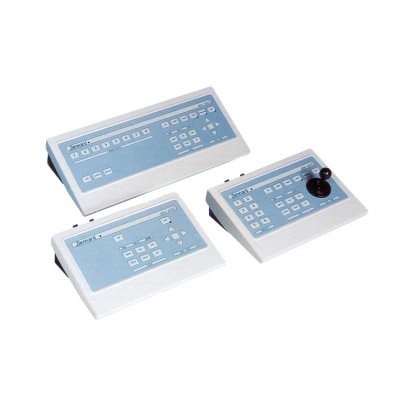





Technology's role in securing banks and financial institutions
Download
Security technologies promote real-time awareness in K-12 schools
Download
Integrated systems enable critical and compliant security for transportation
Download
Modernising physical access control
Download
Access. Intrusion. One estate.
Download