Asset tracking


Industrial Decontamination Services UK (IDS UK) has strengthened its UK leadership team with the appointment of two highly experienced figures from the fire and emergency services sector. Andy Slater has been appointed UK & EU Managing Director and joins the European Board, while Dave Graham takes up the role of National Operations Manager. The appointments come as IDS establishes its presence in the UK, bringing more than 30 years of specialist PPE decontamination expertise in Australia to...

ALE International, operating under the trade name Alcatel-Lucent, announces the general availability of its updated ALE Private 5G offer. With new access points (APs), a new AP-only deployment architecture (AerFlex), an updated edge platform, and an extended professional services portfolio, Private 5G is now simpler and more accessible for multi-site and industrial environments. Industrial worker wearing a white safety helmet, protective eyewear, and a high-visibility orange jacket uses a table...

Inner Range has recently announced the release of its latest update to the ASSA ABLOY, Traka Keylocker Integration for the Integriti unified Access Control, Video Surveillance and Security solution delivered in their intelligent management software, further strengthening its ecosystem of enterprise-grade integrations. Designed to deliver seamless interoperability between physical access control and intelligent key management systems, the latest update enhances operationa...

HID, a worldwide pioneer in trusted identity solutions, will exhibit at the International Association for Healthcare Security & Safety (IAHSS) Annual Conference & Exhibition (booth #46), demonstrating how a layered approach to security helps healthcare organisations protect patients, staff and visitors while modernising fragmented access infrastructure in a phased, affordable and low-risk way that doesn't disrupt daily operations. Healthcare has layers. So should its security Hospitals...

HID, a worldwide pioneer in trusted identity solutions, is exhibiting at the HIMSS26 Global Health Conference & Exhibition (booth #2279), with a focus on practical identity, security and data capture solutions designed for hospitals and other healthcare environments. HID is introducing HID Visitor Manager for Healthcare, a cloud-based visitor management solution that strengthens security for facilities, staff and patients while reducing friction in the process. HID Visitor Manager ...

HID, a global pioneer in trusted identity solutions, today released its 2026 State of Security and Identity Report, revealing how organisations worldwide are fundamentally reshaping their approach to identity management. Based on insights from more than 1,500 security and IT professionals, end users and industry partners, the research shows that security leaders are focused on how to manage identities in ways that build trust, strengthen protection and preserve user choice across increasin...
News

Opengear, a Digi International company and a pioneering provider of secure and Smart Out of Band™ management solutions, announced now that it has achieved SOC 2 Type 2 and ISO 27001 compliance. This milestone strengthens the security foundation of the independent management plane, which enterprises and service providers rely on to maintain network access during outages and other critical events. Streamline compliance and procurement processes As cyberattacks increase and infrastructure becomes more distributed, organisations are placing greater scrutiny on the vendors that support their most sensitive environments. By achieving both SOC 2 and ISO 27001, Opengear meets independently verified global standards for security, availability, and confidentiality, positioning the company among a select group of infrastructure management providers with this level of certification. For customers, these certifications deliver immediate value. SOC 2 and ISO 27001 reduce vendor risk, streamline compliance and procurement processes, and provide assurance that Opengear applies strong and audited security controls across its entire organisation to support customer audits, regulatory requirements, and internal risk management programs. Opengear’s security practices During the audits, independent assessors evaluated Opengear’s security practices across key operational areas, including access governance, data protection, system monitoring, risk management, and third-party vendor oversight. The certifications confirm that Opengear maintains consistent and systematic security processes that protect sensitive information throughout engineering, firmware development, internal systems, and enterprise operations. “These certifications affirm that security is embedded into every part of how Opengear operates,” said Patrick Quirk, President of Opengear. “It is not only our products and hardware that meet these standards. Our processes, our systems, and the way we run the business every day reflect a deep commitment to protecting customer environments.” Reliable access to critical network equipment Organizations operating in regulated industries or managing highly distributed infrastructure can rely on Opengear to provide secure, reliable access to critical network equipment when the production network is unavailable. Achieving SOC 2 and ISO 27001 reinforces Opengear’s role as the trusted independent management plane for remote recovery, planned maintenance, and rapid incident response. Digi’s SOC 2 Type 2 attestation announcement This achievement reflects Opengear’s ongoing investment in security governance, continuous monitoring, and improvement to meet evolving customer and regulatory requirements. Following closely on the heels of Digi’s SOC 2 Type 2 attestation announcement for Digi Remote Manager® and Genesis®, as well as the SmartSense by Digi announcement that it has achieved SOC 2 Type 2 certification, this achievement also supports Digi International’s broader security strategy and strengthens the foundation for future certifications and ongoing operational excellence.

Abnormal AI, the pioneer in AI-native human behaviour security, announced it has been recognised as a Leader in the 2025 Gartner® Magic Quadrant™ for Email Security, marking the company’s second consecutive year in the Leaders Quadrant. Gartner evaluated vendors based on their Completeness of Vision and Ability to Execute. Among 14 vendors evaluated, Abnormal was placed furthest right on the Vision axis. API-based approach In the report, Gartner highlights that “the high volume of sophisticated, email-enabled social engineering attacks, combined with the difficulty in consistently quantifying true detection efficacy across the market, justifies organisations utilising multiple vendors for comprehensive protection.” To better combat these sophisticated threats, there is growing potential in solutions that utilise behavioural AI and natural language processing to analyse user behaviour and help detect anomalies. The Abnormal Behaviour Platform analyses identity, behaviour, and contextual signals in order to baseline normal activity and help identify deviations indicative of malicious activity. This API-based approach is designed to enable autonomous protection against a wide range of attacks—including business email compromise, credential phishing, and account takeover—without requiring cumbersome mail routing changes or complex configurations. AI-native approach “Being named a Leader in the Gartner Magic Quadrant for the second year in a row—while maintaining the furthest placement on Vision—is an incredible milestone for us,” said Evan Reiser, chief executive officer of Abnormal AI. “We’re proud to see our AI-native approach continuing to drive innovation and impact as we build toward a future where understanding human behaviour is the cornerstone of keeping people and organisations safe.” AI Phishing Coach and AI Data Analyst This recognition follows a year of exceptional growth and innovation for Abnormal AI. In 2025, Abnormal launched its first autonomous AI agents—AI Phishing Coach and AI Data Analyst—to help organisations detect, remediate, and train themselves against threats in real time. The company also achieved FedRAMP Moderate Authorisation and earned the ISO/IEC 42001 AI governance certification, underscoring its commitment to both security and responsible AI. Abnormal now protects more than 25% of the Fortune 500 and continues its global expansion, recently entering new markets in Germany, Japan, and France. The year also brought strong industry and customer validation — from featuring on the CNBC Disruptor 50, to the Forbes Cloud 100, and the Fortune Cyber 60. Abnormal was also named a Gartner Peer Insights™ Customers’ Choice for Email Security Platforms in July 2025, earning a 99% “Would Recommend” rating and, in our opinion, reaffirming the trust placed in Abnormal’s AI-native approach.
BlackFog, the pioneer in AI-based anti data exfiltration (ADX) technology, announces the availability of its newest solution, ADX Vision. Designed to secure every endpoint and every LLM interaction, ADX Vision delivers the visibility and control organisations need to manage AI securely. Operating directly on the device, it detects shadow AI activity, prevents unauthorised data movement in real-time, and enforces governance policies automatically, all without disrupting productivity. Increased regulatory scrutiny The launch comes as organisations rapidly adopt AI tools to drive innovation and employees leverage LLMs to boost productivity. The unchecked use of unvetted AI applications is creating hidden channels for data exfiltration, exposing companies to the loss of intellectual property, confidential information, and increased regulatory scrutiny. With AI systems capable of capturing, storing, and learning from enterprise data outside of approved security controls, shadow AI has quickly become one of the most significant - and least understood - drivers of data loss today. Potential data privacy risks New findings from a BlackFog survey of 2,000 employees underscore the scale of this risk. Nearly half (49%) of respondents reported using AI tools not sanctioned by their employer at work. The research also reveals gaps in awareness of data privacy: only 53% of employees understand how the data they input into AI tools is saved, analysed, or stored. Yet, 71% believe the productivity benefits of using unapproved AI tools at work outweigh the potential data privacy risks. “As AI adoption accelerates, so does the risk of data loss through unmonitored tools. This research highlights the extent of that risk and the critical need for organisations to protect the data flowing through AI systems,” said Dr Darren Williams, CEO and Founder of BlackFog. Preventing data exfiltration “Preventing data exfiltration has been at the core of our mission from day one, and we’ve consistently adapted our technology to stay ahead of emerging threats. ADX Vision is the next step in that journey, offering unmatched visibility into shadow AI activity so organisations can protect their data with confidence.” ADX Vision delivers unified insights across the enterprise and the confidence that sensitive information stays protected. ADX Vision is available now for Windows, with support for macOS and Linux available in early 2026.

Magenta Security Services marked its 30th anniversary in style last night at the Security & Fire Excellence Awards, where the company was named Security & Fire Sustainability Champion for the third year running. The Security & Fire Awards for Excellence are recognised across the sector as a benchmark for outstanding performance, innovation and best practice in both security and fire. The Sustainability Champion category honours organisations that demonstrate leadership in environmental responsibility and long-term commitment to sustainable operations. Magenta first secured the title in 2023 and retained it in 2024 before completing the hat trick in 2025. Security and sustainability “Winning the Sustainability Champion title for the third year in a row, while celebrating 30 years in business, is an incredible milestone for everyone at Magenta,” said Abbey Petkar, Managing Director of Magenta Security Services. “From the very beginning we believed that security and sustainability must go hand in hand. This recognition shows that our approach is working for our clients, our people and the planet.” Magenta’s sustainability journey Magenta’s sustainability journey is woven through its three decades in business. The company was one of the first security providers to certify to ISO 14001, embedding environmental management into its core operations rather than treating it as an add-on. That discipline enabled Magenta to reach carbon zero status in 2022, three years ahead of its public 2025 target and without relying on offsetting. Key measures include a fully electric fleet supported by on-site solar charging at its headquarters, a switch to 100 per cent renewable electricity across its estate, deep energy-efficiency upgrades and a fully paperless office environment that saves more than 150 trees each year. Cyber Essentials certification Recognising that modern risk and sustainability span both physical and digital domains, Magenta has also invested in Threat Evolution, its dedicated cyber security training and consulting arm. Threat Evolution supports clients with Cyber Essentials certification, penetration testing, vulnerability scanning and tailored cyber awareness training, extending Magenta’s commitment to resilience, governance and data protection. Magenta’s approach Transparency is another cornerstone of Magenta’s approach. The company publishes its emissions data through the Carbon Database Initiative (CaDI), inviting scrutiny and sharing practical lessons on topics such as phasing electric vehicles, mapping energy use in older buildings and designing out paper from guarding processes. Magenta also supports Police Community Clubs locally and sponsors children internationally, aligning commercial success with long-term social value. Own environmental performance Abbey Petkar added, “Sustainability is not a project for us. It is how Magenta works, from the vehicles we drive and the energy we use to the way we support communities and help clients improve their own environmental performance." "To receive this award again, in our 30th year, is both a proud moment and a powerful motivation to keep raising the bar.”

Renowned global intelligence and cyber security consultancy - S-RM has promoted Casey O’Brien to Global Head of Incident Response (IR). Casey’s appointment reflects the firm’s continued investment in its international cyber practice and its ability to support clients worldwide, around the clock. Casey will work closely with Joani Green, Chief Information Officer, to deepen collaboration between regional teams, streamline ways of working, and enhance the firm’s use of technology and intelligence sharing across borders. S-RM’s global delivery model sits at the centre of its IR offering. By building high-performing teams across EMEA, APAC and North America, the firm is able to respond to cyber incidents at any hour, rapidly mobilise specialist support, and minimise operational disruption for clients. Casey’s appointment Casey’s appointment marks the next stage in the growth of S-RM’s cyber practice, which continues to see rising global demand for rapid, multi-disciplinary response capabilities. As cyber incidents become more complex and impactful, clients are seeking providers with seamless global coverage, strong operational discipline, and demonstrable expertise across digital forensics, threat intelligence and crisis management. Coordinated responses across time zones Casey O’Brien, Global Head of Incident Response at S-RM, said: “In my new role, my focus is to bring our global team even closer together, working more effectively as one unit. Alongside Joani, I’ll be sharpening the processes that enable fast, coordinated responses across time zones.” “We’ll continue to expand our use of technology so our investigators and delivery teams can work more efficiently, providing clients with clearer answers at pace and helping them return to normal operations quickly. I’m excited to continue working with some of the most talented people in the industry and to help build a truly global incident response practice. We have a team that is collaborative and committed to excellence, and I’m proud to be part of it.”

Flir, a Teledyne Technologies brand, announced built-in GPS for its Si2-Series acoustic imaging cameras. The upgrade adds precise location data to predictive maintenance inspections, helping service providers and reliability teams streamline workflows across multi-site operations, long-distance inspections, and utilities and power-transmission applications. Si2-Series cameras With integrated GPS, every acoustic image captured by the Si2-Series cameras now includes geospatial metadata that seamlessly connects with Flir Acoustic Viewer and Flir Thermal Studio software. This enables inspection teams to organise, visualise, and document findings by exact location, enhancing traceability and compliance across assets and sites. Key benefits of built-in GPS Automatic Geotagging: Embeds location data into acoustic image files for accurate mapping, analysis, and reporting. Streamlined Multi-Site Inspections: Ideal for geographically distributed assets such as power lines, substations, and large industrial facilities. Enhanced Data Integration: GPS coordinates flow directly into Flir Acoustic Viewer and Flir Thermal Studio, improving asset management and inspection traceability. Proven Performance: The Si2-Series retains its industry-leading acoustic performance and intuitive design, with no change to camera handling. Flir Si2-Series models “This enhancement improves inspection teams’ ability to document and manage their findings,” said Darrell Taylor, Global Acoustic Business Development Manager at Flir. “From power lines to complex industrial facilities, geotagged acoustic data makes it easier track maintenance trends, plan repairs, and demonstrate program ROI.” The GPS enhancement applies to all Flir Si2-Series models and is not available as a firmware upgrade for existing cameras.

Expert commentary

GSX 2023 marks a poignant moment for the security industry as an increasingly complex risk landscape converges with the acceleration of technology innovation. Emerging from this environment are three key trends that will dominate the conference and the future of the security industry: (i) the adoption of AI, (ii) the use of predictive analytics, and (iii) a hybrid global and local risk management approach. As Chief Security Officer of Crisis24, a GardaWorld company, I regularly advise clients on how these trends are evolving and impacting their security and risk management approach. Here’s how we can expect to see them discussed at the show next month: Trend 1: Artificial intelligence is the new industry standard. AI is this year's buzzword. While AI is not new to the industry, this year it has become a standard to operate with AI being adopted or expanded more ubiquitously. Legacy AI-enhanced security offerings that have been years in the making are becoming more advanced and are being integrated into expert analyst teams to leverage the best of both man and machine. Limitations AI augments the data processing ability; however, human-led intelligence is still necessary AI can generate unparalleled levels of data and insights, but it also has its limitations. AI does not have the emotional intelligence that can influence decision-making. For instance, our Crisis24 analyst teams know that every one of the intelligence alerts they provide to leadership may save a life or protect a business. AI augments the data processing ability; however, human-led intelligence is still necessary to effectively elevate knowledge of those threats through an organisation to incite action. Trend 2: Predictive analytics powered by AI will transform security operations. Predictive analytics enabled by AI will allow for more precise planning and execution of true emergency management. Those living or operating in conflict zones must be ready to spring into action and predictive analytics can help better evaluate risks, threat levels, and the probability of certain events. When I served in Iraq in 2003, our greatest challenge was operating in an unpredictable environment and navigating the many unknown threats. With these large-scale threats, it was difficult to account for the vast array of variables involved and ensure that all parties were protected. Broad and instant visibility Predictive analytics provides broad and instant visibility into numerous potential outcomes, impacts, and mitigation strategies for a wide variety of threats. When dealing with risks that are constantly evolving and quickly accelerating, the insights from predictive analytics can have a direct impact on risk management, mitigation strategies, and preparedness levels. Predictive analytics can anticipate the ripple effect that threats can have on organisations, their people, and their assets and enable security teams to plan. Trend 3: Risk mitigation is increasingly both global and hyper-local. A company’s workforce is often scattered across the country or the world, working from home or on the go Remote work and a flood of 24/7 data sources have driven demand for timely, accurate, and hyper-local intelligence. Where before an organisation may have had a handful of facilities around the world where its employees gathered, now a company’s workforce is often scattered across the country or the world, working from home or on the go. Preventive mitigation steps To keep their people and assets safe, business pioneers need to know what’s happening in all corners of the globe, while also easily accessing details on what is happening at the street corner level. How a business takes care of its people, including anticipating risks and taking preventive mitigation steps as well as responding quickly in the face of threats, can directly affect its reputation. Every company is in the business of safety and security when it comes to looking after its people on a global, national, and increasingly hyper-local scale.

Physical security is essential for a modern production facility, users don’t want just anyone entering the building or accessing secure areas. But what about production machinery? Machine authentication is often a missing link in the security plan for manufacturers. Why machine authentication? Most manufacturers have made significant investments in physical access control (PAC) for production facilities. Few shops currently hand out physical keys to employees or leave the building unlocked during production hours. For all but the smallest shops, front-door access typically involves individual radio-frequency identification (RFID) badges that enable tracking of who is coming and going and at what times. Use of physical keys, password login It is simply assumed that anyone who has access to the factory floor has the knowledge, authority, and training But when it comes to production machinery, many manufacturers still rely on physical keys, password login on the human-machine interface (HMI), or a shared PIN to unlock machine access. In some shops, machines may not be secured at all, it is simply assumed that anyone who has access to the factory floor has the knowledge, authority, and training to use the machines responsibly. However, this is not necessarily a good assumption, especially in a larger manufacturing plant where many people can access the production floor. Valuable and sensitive equipment CNC machines, robotic welders, process equipment, and other production machinery can cost anywhere from $5,000 to half a million or more, depending on their size and function. They also have significant safety risks for untrained users and may hold valuable and sensitive IP (such as customer design specs or batch recipes). User authentication Authenticating users at the machine level closes an important security loophole and makes plants safer and more productive. Machine authentication prevents untrained or unauthorised users from accessing production machinery. The right authentication system also allows access levels to be tailored for different users based on training credentials, job roles, or even projects. Machine authentication benefits A strong machine authentication solution provides several benefits for manufacturers: Minimises unplanned downtime and expensive damage to machines caused by untrained operators. Enables tracking of production outcomes by machine operator for better quality control and troubleshooting. Protects company and client IP held on the machine by preventing unauthorised access to machine controls and memory. Enhances plant safety and compliance by limiting machine access to operators with the appropriate credentials. Reduces the risk of deliberate sabotage by unauthorised operators, including damage to machines and production facilities and data theft or corruption. Mark Merino, the Director of the Digital Factory Group for Polaris Automation, explains, “Machine authentication allows us to identify which people are logged into different pieces of equipment and make sure they are trained appropriately for the machine and have the right clearances for the data they are trying to access.” Choosing the right machine authentication solution Access control for production machinery can be accomplished by various means, including password and PIN systems, physical keys or fobs, RFID badges, or smartphone-based mobile credentialing systems. The best machine authentication system will: Be highly reliable and secure to protect the machine from unauthorised access. Enable identification of individual operators and tracking of who has used the machines, at what times, and for what projects. Allow access levels to be differentiated by the user. Be easy to implement and administer. Discourage sharing or cloning of credentials. RFID readers An RFID reader can be easily connected to or integrated with the HMI for the machine In most manufacturing environments, the simplest solution for machine authentication is the RFID badge employees already carry for building entry. An RFID reader can be easily connected to or integrated with the HMI for the machine. All users must do to authenticate themselves is swipe their badge over the reader to unlock machine controls. RFID benefits RFID provides multiple benefits for end users, IT, and managers: It leverages technology already widely used, so users do not have to carry a separate key or fob to access machine controls. It is more secure and easier to manage than a password system, as passwords are frequently forgotten, shared, or hacked. Unlike shared PINs, physical keys, or fobs, user authentication via an ID badge enables accurate identification of who is logging into the machine. Users are much less likely to share their picture ID badge (which is often also linked to HR functions such as time and attendance) than a machine password, PIN, or key. If an ID badge is lost or stolen, or an employee leaves the company, IT can easily disable access to the card. RFID credentials are very difficult to hack or clone. Transmission between the reader and card can be encrypted for added security. Unlike biometric options, RFID is highly reliable even in hot, dirty, or humid environments and does not require workers to remove gloves, safety goggles, or masks. Getting started with machine authentication Machine authentication starts with selecting the right RFID reader. A universal RFID reader supports easy implementation, integration with other building systems, and scaling. A universal reader also provides flexibility for the future in case companies want to change transponder technologies or allow for user authentication using mobile credentials on a smartphone. IIoT model User authentication must be designed within the context of the wider security ecosystem of the plant To ensure the security of production machinery, user authentication must be designed within the context of the wider security ecosystem of the plant. Modern production machines are increasingly networked and connected in an “Industrial Internet of Things” (IIoT) model. That means machines are not only vulnerable themselves but are also endpoints in the broader IT landscape of the plant. Machine authentication systems must incorporate best practices for endpoint security, such as those outlined by ISO (International Organisation for Standardisation), NIST (National Institute of Standards and Technology), and other industry organisations. Best practices: The reader installation should be tamper-proofed to prevent physical disruption of the authentication system. Use an encryption standard suitable for the security level of the application. Encryption prevents data interception or card cloning. If higher security is desired, RFID can be implemented as part of a multi-factor authentication system along with biometrics and/or a password or PIN. The authentication system should support different access levels for different users or classes of users. A role-based permission system allows for different levels of access for line operators, supervisors, IT, and maintenance, for example. For maximum safety and security, individual users should only have the minimum access required to do their jobs. With secure machine authentication, manufacturers can protect people, production equipment, and IP, while enabling smooth operations. It all starts with an authentication system that supports reliable and secure operator identification at the machine level.

Inadequate security measures on your essential infrastructure can have severe consequences. Consequences Consider the rail industry: If a vandal cuts the cables on a vital mechanism that controls train signals, train safety is jeopardised. To avoid train collisions or derailments and thus significant damage to property and potential loss of life, the operating company must shut down the service until the infrastructure is repaired and the network is up and running again. The disruption affects the rail ecosystem itself, but also the people using the trains, the transportation of cargo, and more. The financial cost of repairing the damage, restoring signal functionality, and compensating for delays can be substantial. For another example, consider electrical substations: A fire or targeted attack can damage the system and lead to devastating power outages. Traditional surveillance limitations Traditional video surveillance has its limits when it comes to protecting transformer stations Traditional video surveillance has its limits when it comes to protecting transformer stations. The facilities are often located in rural areas, where straying animals or flying leaves trigger false alarms. 3D Surveillance solutions overcome these challenges by volumetrically securing the area and immediately detecting intruders only raising the alarm in the event of a human intruder and even identifying drone attacks. Protecting critical infrastructure with 3D surveillance Critical infrastructure must be monitored. It remains at risk if operators do not have systems for monitoring entire areas rather than just the periphery if security personnel has limited information in case of an intrusion and if security response protocols are not automated. 3D Surveillance solutions 3D Surveillance is an important tool for protecting critical infrastructure and ensuring the safety of those who rely on it. Integrating LiDAR technology, 3D Surveillance solutions provide a comprehensive view of the area being monitored with real-time monitoring and response, protecting critical infrastructure from damage and providing a more comprehensive security system. Advanced analytics and artificial intelligence Security personnel can identify and verify threats more easily and track the movements of individuals or vehicles, as well as respond to incidents as they happen. 3D Surveillance systems can be equipped with advanced analytics and artificial intelligence (AI) capabilities to detect patterns and anomalies that may indicate a potential threat. This can help to prevent potential attacks or accidents before they occur, as well as enable more accurate responses to incidents. Talent challenge Turning to autonomy by implementing sensor- and software-based solutions requires fewer if any, in-person patrols 3D Surveillance can also help tackle the talent challenge in the industry: Recruiting security professionals involves extensive background checks, and jobs in the industry are notorious for their low salaries, which results in high staff turnover. Turning to autonomy by implementing sensor- and software-based solutions requires fewer if any, in-person patrols and ensure reliable infrastructure protection. Additional security measures In many countries, more stringent legislation now mandates the implementation of additional security measures to safeguard critical infrastructure, particularly at a country's points of entry, such as airports and harbours. Protecting the perimeter is no longer enough. For instance, airport management must ensure that critical areas, including the space around aircraft and near unauthorised access points, are secure. While multi-layered screening of individuals at the perimeter is a valuable security measure, it must be complemented by smooth and efficient surveillance of the entire area, which can only be achieved through advanced technology. Different adoption rates 3D Surveillance technology is only beginning to gain traction in most locations, and adoption rates differ significantly from one region to another. For instance, Scandinavia and Eastern Europe have embraced 3D Surveillance to a greater extent than Western Europe. Regions with lower adoption rates will likely catch up as they seek to reinforce the security of their critical infrastructure, especially given the conflict in Eastern Europe. Vandalism and damage protection 3D Surveillance enhances the security of critical infrastructure, reduces the risk of downtime and loss of revenue 3D Surveillance offers reliable protection against vandalism and damage - major concerns for companies that rely on critical infrastructure. LiDAR-based, software-enhanced 3D Surveillance solutions provide real-time insights and enable automatic processing of the information so that operators can autonomously and quickly detect and respond to potential threats. These solutions are scalable and customisable, allowing companies to adapt their security measures to their unique needs and changing environments. 3D Surveillance enhances the security of critical infrastructure, reduces the risk of downtime and loss of revenue, and ensures compliance with regulatory requirements. Asset management and maintenance planning Beyond its security benefits, 3D Surveillance can help with tasks such as asset management and maintenance planning. It can help identify potential problems or maintenance needs before they become more serious issues by providing a real-time view of the monitored infrastructure. This can help to reduce downtime and keep critical infrastructure running smoothly. Real-time management The same technology can also perform volume monitoring tasks and thus facilitate the management of valuable resources such as bulk material, grain, wood chips, or chemicals. By scanning the stock 24/7 and automatically calculating stock volume updating records in real-time, this technology supports lean production systems and automated processing.
Security beat

Collaboration among manufacturers in the physical security industry can result in systems that are easier to install for integrators and that provide a better customer experience for end users. Illustrating the point is the recent collaboration among a turnstile technology company, a supplier of short-range wireless readers/writers, and a biometric business focused on ‘frictionless’ access control. “The more manufacturers collaborate with each other, the more benefits for end users,” says Steve Caroselli, the Chief Executive Officer (CEO) of Orion Entrance Control. Better collaboration means a better user experience We look for opportunities to collaborate and make sure the experience is above and beyond" Steve Caroselli adds, “Better collaboration means a better user experience. We look for opportunities to collaborate and make sure the experience is above and beyond.” Orion’s collaboration with ELATEC RFID Systems and SAFR touchless biometrics by RealNetworks Inc. highlights the advantages of manufacturers working together to ensure technologies operate smoothly in the real world. Taking ownership of the customer experience When Orion Entrance Control provides a SpeedGate swing-glass optical turnstile, they take full ownership of the customer’s experience. That means ensuring the turnstile application operates as it should, regardless of which component of the broader system might be at fault. To the customer experience, a card reader that doesn’t work is the equivalent of a turnstile that doesn’t work. Which component is at fault is irrelevant, and in fact, invisible, to the overall customer experience. Importance of dependable operation of turnstiles As the most visible element in many access control systems, dependable operation of turnstiles reflects positively on the manufacturer and on the entire system. Orion tests various third-party components with their turnstiles To ensure an optimum customer experience, Orion tests various third-party components with their turnstiles, in order to ensure flawless operation before a turnstile is delivered to a customer. Customers buying an Orion turnstile send the card readers they want to use to Orion’s corporate headquarters in Laconia, New Hampshire, USA, where Orion engineers ensure seamless operation. Ensuring optimum customer experience All readers are designed to be bolted to the wall rather than installed inside a turnstile In addition to scenario-based testing, readers are placed inside the turnstile for a streamline appearance, which can be a challenge given the variety of sizes and types of readers a customer might choose. All readers are designed to be bolted to the wall rather than installed inside a turnstile, which complicates adaptation efforts. In short, historically for Orion, ensuring the optimum customer experience involved extra time and effort, although obviously it was worth it. Providing flexibility for any environment Seeking to simplify the process, Orion has found an alternative to using many different types and models of card readers for its turnstiles. Deploying an RFID reader/writer from ELATEC provides flexibility to operate in a variety of card and reader environments, including almost all 125 kHz and 13.56 MHz contactless technologies. The product is compatible with low-frequency (LF), high-frequency (HF), near field communication (NFC) or Bluetooth Low Energy (BLE) signals. An integrated BLE module supports mobile ID and authentication solutions. There is an integrated antenna for LF and HF to ensure excellent contactless performance. ‘Universal’ configuration of the ELATEC reader hardware Using applicable firmware, the ‘universal’ configuration of the ELATEC reader hardware is compatible with any card system. It works with all the access control protocols, including SEOS, OSDP and other open protocols. “We can stock an open SKU and flash the firmware as per the customer requirement,” says Steve Caroselli. The small form factor (around 1 1/2 inches square) of the ELATEC module lends itself to easy installation inside the turnstile housing. Easy availability of the ELATEC readers helps Orion continue to serve customers, despite recent disruptions in the supply chain. And, ELATEC’s reader hardware has earned global certifications that enable Orion to use their products for customers around the world. Testing to ensure smooth operation ELATEC was responsive at every stage as the relationship evolved, providing sample equipment for testing Before embracing the ELATEC reader module, Orion tested it for several months to ensure compatibility with its turnstiles. ELATEC was responsive at every stage as the relationship evolved, providing sample equipment for testing and working closely with the Orion team. Everyone in the ELATEC sales and engineering team, right up the company’s C-suite, worked to support Orion during the testing phase. In the end, in addition to other advantages, ELATEC’s detection speed and read range compares favorably to competing technologies. “We move really fast as an organisation, so we are looking for other organisations that move very fast,” says Steve Caroselli, adding “We met with ELATEC one week and had the equipment for testing the next week. We like to work with companies that move fast, and they are culturally aligned with how we do business.” Orion turnstiles with ELATEC TWN4 Palon Compact panel The Orion turnstiles incorporate an ELATEC TWN4 Palon Compact panel, a versatile panel-mount reader designed for integration into third-party products and devices. It supports enhanced interfaces, especially RS-485, and reflects the advantages and integrated tool support of the ELATEC TWN4 family. Orion is implementing SAFR SCAN biometric technology using hardware and software from RealNetworks Inc. “The selection of ELATEC products allows Orion to provide their customers and partners with a flexible RFID reader solution that supports numerous credential options and virtually all transponder technologies,” said Paul Massey, the Chief Executive Officer (CEO) of ELATEC, Inc., adding “This is especially valuable in multi-tenet, multi-credential environments.” Orion works with all the various stakeholders – architects, consultants, integrators, and end users – to ensure total satisfaction with an installation. Biometric technology for ‘frictionless’ access control Orion is also implementing SAFR SCAN biometric technology into their turnstiles using hardware and software from RealNetworks Inc. The facial recognition reader technology, designed for mainstream commercial access control, provides a ‘frictionless’ experience, and allows users to pass through turnstiles at a walk. The system can authenticate up to 30 individuals per minute with 99.9% accuracy, despite varied lighting conditions. SAFR’s system provides a good user experience Orion designed a mounting system to incorporate the biometric reader into their turnstile design Orion designed a mounting system to incorporate the biometric reader into their turnstile design. SAFR’s system provides a good user experience, when it comes to enrollment. On each turnstile, the SAFR technology can operate separate from the ELATEC reader or in conjunction with it for multi-factor authentication in higher-security applications. Innovation for new applications A broad approach to the customer experience reflects Orion’s positioning as a technology company, in addition to being a manufacturer of turnstiles. Their Infinity software is the ecosystem ‘nerve centre’ platform to ensure operation and connected through a single ‘pane of glass.’ The need to protect more entrances beyond the lobby led Orion to develop its recently patented DoorGuard, a LIDAR-based solution that detects each person who passes through a doorway and prevents tailgating (like a turnstile) for applications, such as stairway doors, perimeter doors, data centres, IDF closets, etc. The software mimics the advantages of a turnstile to monitor access control and occupancy. Removing friction during installation and beyond Orion’s Constellation is a presence detection system that uses UWB (ultra-wideband) radar to sense where people are in a building for emergency response and building utilisation applications. “One of our core values is to remove friction and make customers’ lives easier,” says Steve Caroselli, adding “Our people-first philosophy is: What can we do to make your life better? We want to be systematic, and everything must be repeatable in terms of how we react and interact with customers.”

The Global Security Exchange (GSX 2022) in Atlanta in September 2022 is the latest example of the energetic post-COVID resurgence of security trade shows. On the vibrant show flow, discussions centered on topics such as the security industry’s need for more employees and the lingering impact of a months-long supply chain crisis. Against a backdrop of continuing industry challenges, exhibitors and attendees were diverted by a wealth of new opportunities as the industry rebounded. Several major players had big product announcements at GSX 2022 in Atlanta. Manufacturers unveil the latest technology The big news at Genetec was “5.11.” That’s the newest version of Security Center, which is “all in,” i.e., providing everything Genetec offers in a single “unified” platform. The unified approach streamlines the process for systems integrators, makes quotes easier, and adds value for customers. Standard, Pro, and Enterprise versions provide video, access, and LPR “right out of the box.” Genetec is also launching a new web and mobile client for the “next generation operator.” Paid intern programme Kyle Hurt says the security industry’s biggest challenge is attracting personnel Kyle Hurt, Genetec’s Senior Sales Director, North America, says the security industry’s biggest challenge is attracting personnel (even more challenging that the supply chain.) Genetec’s response is a robust paid intern programme, welcoming 120 interns into various departments for a full semester. The programme helps to feed Genetec’s need for new talent. “You can’t coach passion,” said Hurt. WiseNet Edge Hanwha Techwin introduced a “serverless camera” at GSX 2022, named the WiseNet Edge. It is a video camera with a built-in solid-state hard drive for storage. The camera can store its own video and take in other camera feeds. In effect, it operates like an NVR but is less expensive and with an internal solid-state drive. Video can be viewed through a cloud browser, and Hanwha’s WAVE software, loaded on the camera, enables the management of several cameras at a site. High-res video is stored inside the camera, and any information can be shared with the cloud according to the needs of the application. i-PRO Mini i-PRO launches its own Video Insight video management system and MonitorCast access control i-PRO has fully transitioned away from Panasonic and is charting its own ambitious future path. Seeking to be “bold, trusted, and flexible,” the company is releasing a raft of new products, filling in previous gaps in the line, and bringing forward new innovations, including a full complement of AI. In addition to hardware, they have their own Video Insight video management system and MonitorCast access control, which was part of the Video Insight acquisition in 2015. An i-PRO Mini is a tiny camera, smaller than a smartphone. All cameras are NDAA compliant. People are coming together “The show has been phenomenal,” said Josh Letourneau, Chief Commercial Officer, Prosegur USA. “It’s very nice to see that people are coming back. After the pandemic, we are finally in a position of coming together. Lots of organisations are coming to see us.” Intelligence-led risk management Prosegur is a global company looking to expand aggressively in the United States, creating multiple “metropolitan service areas,” where the company’s fully integrated offerings are available. What makes the company unique is its “intelligence-led risk management,” says Josh Letourneau, adding “It’s more than AI, it’s about human intelligence, too." Prosegur sees evolution and growth opportunities in the U.S. market. “We are one of the largest companies no one has heard of,” adds Letourneau. “The show seems as back to normal as possible,” said Keith Bobrosky, President of Delta Scientific, who attended the show although his company did not exhibit, adding “There seems to be a generally positive spirit about the show this year.” Physical security protocols Bobrosky sees data centres as the next big market for his company’s vehicle barriers Bobrosky’s company has worked aggressively to avoid the impact of supply chain issues, ordering plenty of extra inventory to avoid the possibility of a part running out of stock. “We got ahead of it and are past the worst of it,” he said. Bobrosky sees data centres as the next big market for his company’s vehicle barriers. “The government will mandate physical security protocols for cybersecurity locations because they house data that affects national security,” he says. Robots and indoor drones ADT Commercial highlighted robots and indoor drones for security apps at their booth. The newest versions of the humanlike robots offer extra padding, more fluid movement, and 360-degree viewing for a better virtual reality (VR) experience, including better peripheral vision. Robots can operate for four hours without a charge and “know” when to return to the charger (to “top off” every hour). Fully autonomous indoor drones can also replace guards, flying near the ceiling and generally after business hours. The use of either robots or drones can lower costs when compared to hiring human guards. Varied uses for canines in security Glen Kucera, Chief Executive Officer, MSA Security, highlighted the capabilities of canines for explosives and firearms detection. “People don’t realise the flexibility of what they can do,” he said. Kucera says canines provide a sophisticated solution to address the escalating active shooter and criminal threat. MSA Security was acquired last year by Allied Universal, adding to the company’s varied offerings for threat detection and management. Rather than individual products, Allied Universal’s emphasis at the show was on bringing solutions together. Their message: Risk is multi-dimensional and different from one client to the next. Access control Access control needs to develop more modern interfaces to compete with new technology companies AMAG’s news at the show included a new president, David Sullivan, who highlighted AMAG’s role as one of the “last independent access control companies.” He said, “The beauty of AMAG is its installed base and loyal integrator channel.” Sullivan sees changing trends in how office space is managed in the wake of the pandemic. More workplace management applications will emerge, with one of the elements being access control. Access control also needs to develop more modern interfaces to compete with new technology companies entering the market. An encouraging sign is that AMAG had its best year ever in 2021. Orion Entrance Control Orion Entrance Control showed off one of its modern new turnstiles at the RealNetworks/SAFR booth at GSX 2022. The turnstile incorporates an access control module from Elatec to update and expand card reader functionality. Using the module streamlines Orion’s processes and avoids having to update a customer’s readers individually. The turnstile at GSX also incorporated a facial recognition system from SAFR, which could be used instead of, or in addition to, the access control reader. Balancing the cloud and on-premise systems Salient Systems is looking to balance the use of on-premise and cloud systems and emphasise data instead of video. Rather than a single market, Salient sees security as a variety of smaller markets, each focused on different needs. Salient’s customers are typically larger and have multi-site deployments with thousands of cameras. On-premise systems appeal here because they offer an element of control. Open-platform APIs Internal teams at customer sites are seeking out and finding new ways to leverage the data from video systems “People have a keen interest in control and ownership of their data,” says Sanjay Challa, Chief Product Officer, Salient Systems. Internal teams at customer sites are seeking out and finding new ways to leverage the data from video systems, and some of the uses fall outside the traditional “security” market. Open-platform application programming interfaces (APIs) enable more integration with various systems, and broader applications enable customers to leverage budgets from other stakeholders in an organisation. Add-on services “They’re unwilling to shift the entire solution to the cloud, but they want to leverage cloud technologies,” says Challa. For Salient, a cloud system provides remote access to monitor and service video installation remotely. “We enable the integrator to reach into your system to provide a higher level of service,” says Sanjay Challa. He concludes, “Our add-on services bring the best of the cloud to on-premise systems, and integrators don’t have to roll a truck to solve a problem with the system. We are focused on helping integrators succeed.”

As new technologies incorporate artificial intelligence (AI) and overall uses of AI continue to expand, what protections are in place to prevent its misuse? Artificial intelligence, like any technology or security measure, is not inherently bad. It can, however, be used for nefarious purposes and in ways that were never intended or thought of. ‘Responsible AI Policy’ to protect users Prosegur has created a ‘Responsible AI Policy’ to protect users from potential AI threats As an AI company, Prosegur has created a ‘Responsible AI Policy’ to protect users from potential AI threats, and to prevent employee and partner misuse of AI-enabled technology, with guard rails in place to hold them accountable, if artificial intelligence is being used nefariously. “Any security or similar company that utilises AI with its products should monitor for potential misuse and implement a similar policy for protection,” contends Mike Dunn, the Chief Technology Officer (CTO) at Prosegur USA. Requirements of Prosegur’s ‘Responsible AI Policy’ include: Human action and oversight - Prosegur heavily monitors their agents using an integrated international security operations centre (iSOC). Floor and shift supervisors ensure that everything is working properly and that incidents are handled. They also ensure employees are logging into AI-enabled cameras and other technologies for the right reason. Transparency - As with any new company-wide policy, Prosegur wants to ensure that every employee learns about the policy and their duties to uphold it. “In doing this, we are making sure that all processes involving AI development are transparent, so any employee can understand and implement the policy into these processes,” says Mike Dunn. Non-discrimination and equity - Prosegur seeks to make sure employees are using AI-enabled technology to look for known criminals, for example, and not profiling or singling people out. Having a policy in place ensures agents are aware. Accountability - The most important part of the policy is to hold people accountable, if AI-enabled technologies are misused. Violation of the policy will result in disciplinary actions, which can range from HR (Human Resources) intervention to possible suspension. For partners, Prosegur would cease and desist using their products immediately upon finding out about any misuse. Leading the charge for ethical AI practices Prosegur is proud to lead the charge for ethical AI practices, by creating this first policy of its kind" “Prosegur is proud to lead the charge for ethical AI practices, by creating this first policy of its kind, and we hope that other security organisations follow suit,” says Mike Dunn. Technology can do wonderful things. In security, technology can help to stop crimes and even to prevent them from happening with deterrents and alarms. Important to take action to stop ‘bad actors’ However, as with any industry or group of people, there will be ‘bad actors.’ Mike Dunn said “It is important to take actions to stop those people, but it is also important not to condemn all technology or practices when this happens.” Even proven, effective technologies can be used for bad (as well as good). An example is TSA Scanners at the airports. They were designed to provide safer air travel, picking up things that normal metal detectors could miss. Misuse of AI technology can cause lot of harm However, it came to light that a few ‘bad actors’ were using this technology and sharing silhouetted nude pictures of passengers. This has since been patched and fixed, but nonetheless, it’s a great example of how misuse can break people’s trust. As a whole, technology can be dangerous. If not used as intended, it can be used to hurt people. The U.S. government has found that China was using facial recognition and demographic analytics to classify and identify people, based on their ethnicity and that technology singled them out for tracking. Important to ensure analytics and AI used as intended As a society, I think it’s important for us to take that first step and self-police any use of these analytics" “As a society, I think it’s important for us to take that first step and self-police any use of these analytics,” said Mike Dunn, adding “At a minimum, (we should) set policies and procedures to make sure these analytics and AI are being used as intended.” As use of artificial intelligence (AI) continues to increase, an industry standard would ensure companies have protections in place for their employees, clients, and partners. Having a policy is the first proactive step in ensuring AI protections. However, companies need to enforce accountability too. Effectively handle security threats and vulnerabilities Mike Dunn continues, “By heavily monitoring for unethical AI practices and enforcing disciplinary actions when needed, companies will be better prepared to handle security threats and vulnerabilities.” At Prosegur, monitoring agents are heavily trained, taught procedures and then closely supervised by several methods. “This is something that should be common practice in the security industry,” says Mike Dunn, adding “We have employed a compliance officer to help us stay ahead of the curve. Fortunately, we have seen many manufacturers and end users adopt this practice as well.” Compliance officers can act faster than new laws enacted Compliance officers can act faster than new laws being enacted, and often will hold their company to higher standards than a minimum threshold. Mike Dunn concludes, “Putting a responsible AI procedure in place is Prosegur’s way of taking on this problem we see in our everyday work.”
Case studies

The client, a British media and telecommunications company, was looking to increase operational efficiency, save time spent on identifying and addressing vulnerabilities and reduce risk by increasing visibility across their environment. With multiple security tools in different places, security data was siloed and needed to be accessed separately. This led to long periods of time spent jumping between tools to find data, and a lot of context switching when it came to looking at the results. Developers, security teams and senior directors were forced to search in multiple places for critical, often time-sensitive information about vulnerabilities. Risk of vulnerabilities Not only did this eat into their valuable time, but it also meant they had no overall visibility into the organisation’s security posture. This lack of visibility significantly hampered the development process, as developers struggled to locate and address security issues. In addition, the organisation did not have centralised CI/CDs, instead running different pipelines for individual developers or teams. Combined with poor visibility, this lack of efficiency was causing major frustration for the development team, slowing down development and increasing the risk of vulnerabilities in the code going undetected. The solution RiverSafe was initially brought on board to address the issue of decentralised security data, and help improve operational efficiency. The team’s goal was to allow for the results to be sent directly to the developers without them needing to access and search multiple security platforms to find the information they needed. The RiverSafe team created an integration script for the developers to execute when they were running their pipelines. Once triggered, the script would send a notification to a server that RiverSafe had specifically designed, which collated the identified vulnerabilities and relayed them back to the developers’ pull request. This ensured the development team got the information they needed to improve the security of their code. The next phase: Developing the data insights RiverSafe consultants worked alongside the client’s team to take all the security data that was being collected and, rather than sending it to individual developers’ pull requests, instead created and directed it to a pane-of-glass tool. This tool allows the developers to log in and see their repositories and projects in one place. For management, it allows them to have a complete picture of all the vulnerabilities and what they are impacting, on both individual repositories or a given product. The tool also allows them to build reports and includes a scoring model to give a visual rating so everyone can easily see if their repositories are secure or not. The scoring system, ranging from insecure to excellent sends alerts to let the developers know if their repositories fall below a certain level so they don’t need to continually monitor themselves. The RiverSafe team also provides advice on the steps that should be taken to remediate any identified vulnerabilities. Multiple security operations A key requirement of this tool was that it supported multiple security operations, including SAST (Static Application Security Testing), which would look at code smells and general quality of life, Source Code Analysis (SCA), which would look at which libraries are being used and also Secret Scanning to look for secrets in the code. RiverSafe also wanted to ensure that all of this is serverless on AWS to minimise the time spent on infrastructure maintenance. After launching, RiverSafe continued to work on improving this tool, making quality improvements, performing maintenance, and enhancing the integration via the shell scripts. The outcome The tool now brings together data from over 22,000 code repositories into one centralised place, allowing the client to see all of their security information, what libraries were most common, where the vulnerabilities were, and to start looking for trends. Developers and other stakeholders no longer need to scour multiple locations for vulnerability data, saving the company huge amounts of time and making its development process more efficient. With the bespoke script in place, the data comes to them. This increase in visibility has also led to improvements in response times to zero-day vulnerabilities. Previously, it could take weeks or even months to find all the affected repositories. However, since implementing RiverSafe’s custom tool, the team has been able to locate repositories featuring the vulnerable package immediately and remediate any issues quickly, massively improving their overall security posture. Thanks to this uplift in operational efficiency, the development team is now able to spend more time improving their code. RiverSafe and the client’s team are now working on expanding coverage throughout the organisation, improving analytics and alerting, and centralising CI/CD pipelines.

For years, the Civil Police of the State of São Paulo, Brazil’s largest state police force faced significant challenges with criminal bookings and identification, including: A Fragmented Identity System - Each of Brazil’s 27 states has its own siloed programme that does not interconnect. This not only hinders statewide criminal booking but also undermines the community’s confidence in the criminal justice system. Identity Fraud With Multiple IDs - Imagine having 43 identities. This was the case for one unlawful Brazilian. The prevalence of identity fraud is extremely high across the country. If a person wants to hide their identity, it’s common for them to simply move to another state and set up a new profile. Manual Ink-and-Paper Fingerprinting Techniques - Many law enforcement departments across Brazil administered manual fingerprinting techniques, resulting in inaccuracies and low matching rates. Slow, Inefficient Criminal Booking Processes - Inefficiency was another setback for justice. It took numerous steps to confirm one’s identity and, on average, a whole workweek to get matching results returned. Biometric National ID Compliance - The civil police must modernise systems to comply with the Brazilian government’s mandates for all citizens to tie biometrics to their IDs. The Civil Police of the State of São Paulo needed a more reliable and efficient solution to break down identification silos and put the agency on the path toward a unified, national system rooted in the power of biometrics. HID's solution The HID ten-print scanner is designed to quickly capture flat and rolled fingerprints for background checks Working through HID’s partner, Golden Distribuidora, one of Brazil’s largest distributors of IT products, the Civil Police of the State of São Paulo selected a comprehensive biometrics-based identification system called BioKit, featuring HID’s ten-print scanner. The HID ten-print scanner is designed to quickly capture flat and rolled fingerprints for background checks and identity validation programmes. It is also certified for FBI Appendix F (FAP 60) and offers an economical approach to fingerprint acquisition without sacrificing image quality. Automated Biometric Identification System The criminal booking process at São Paulo civil police stations is simplified and can be accomplished in minutes not days. First, agents use HID’s ten-print scanner to capture fingerprints and determine if the individual has a biometric file on record. The fingerprint images are compared against the state-run Automated Biometric Identification System (ABIS). If there is a match, the civil police move forward with their investigation. If there is no match, the officer then creates a new biographic/biometric profile for the individual in question and enrolls them into the ABIS. HID ten-print scanner HID ten-print scanners deliver superior performance and reliability at a competitive price point. Key advantages include: High-Quality Tenprint Capture - The scanner is FBI Appendix F (FAP 60) certified and can quickly capture high-resolution rolled and flat fingerprints. Ease of Use - User-friendly pictographs and LED indicators simplify the process for operators. Automatic Capture - Patented “Auto-Capture” offers fast and error-free image capture. Difficult Fingerprint Capability - An optional silicone membrane improves image quality for dry or damaged skin ensuring consistent results. ABIS Integration - The scanner seamlessly integrates with Brazil’s Automated Biometric Identification System (ABIS) to enable quick and accurate background checks. Results delivered Using the BioKit system, featuring the HID ten-print scanner significantly streamlines the criminal booking Using the BioKit system, featuring the HID ten-print scanner significantly streamlines the criminal booking process and improves matching accuracy for the State of São Paulo Civil Police. “Working with criminals can be difficult and dangerous, and the HID ten-print scanners help us identify and book criminals quickly and simply,” said Dr. Luiz Ortiz, Chief Delegate, Civil Police of the State of São Paulo. Easy to use Dr. Luiz Ortiz adds, “The HID ten-print scanner is easy to use and provides clear direction through pictographs, which is a big differentiator from other offerings.” To date, the BioKit system with HID’s print scanners is deployed in 500 civil police stations throughout São Paulo. This system has transformed criminal booking and identification processes, resulting in an increase in solved criminal cases and a steep reduction in identity fraud. HID fingerprint technology “What used to take 4 to 5 days is now done in minutes using the BioKit system and HID fingerprint technology,” said Dr. Ortiz. Dr. Ortiz adds, “Our agents can accurately identify or onboard suspects, and each new biometric enrollment into the centralised ABIS contributes to strengthening our country’s overall identity system and ability to bring about justice faster and smarter.” Biometric enrollment and verification “Each individual the Civil Police of the State of São Paulo onboards ties to a single set of fingerprints that verifies their true identity,” said Danilo Fernandes, Business Development Manager at Golden Distribuidora. Danilo Fernandes adds, “Utilising biometric enrollment and verification, our nation has the potential to streamline millions of records, while preventing countless cases of fraud. This establishes a fierce force to fight fraud here in Brazil.” A simple, fast, and trusted experience Additional use cases for the BioKit + HID ten-print scanner, beyond criminal bookings, include border control, background checks, correctional centres, courtrooms, voter registration, and national ID programmes. The team at Golden Distribuidora expects to continue distributing these biometric systems throughout the country to support Brazil in combating fraud and making biometric enrollment and identification a simple, fast, and trusted experience for all citizens and stakeholders.

The COVID-19 pandemic jumpstarted some shifts in the industry landscape, prompting many retailers to adopt innovative technologies like smarter Electronic Article Surveillance (EAS) systems and elevated services to ensure every tool in their anti-theft arsenal is effective, affordable and trouble-free. Working with an experienced retail security partner is the first step in identifying the right EAS products and services for your retail space. The Right Tag EAS hard tags come in a variety of shapes, sizes and purposes from those developed specifically for clothing, shoes, handbags and sunglasses to others that fit atop liquor bottles and benefit denial devices, like ink tags, that will damage or destroy an item if forcibly removed. Some of the newest EAS tags target specific high-value and high-theft merchandise, like electronics. Advanced EAS security tags Advanced EAS security tags for boxed goods allow retailers to stack multiple boxes on the shelf without obscuring the packaging’s marketing value. An adhesive backed holder is attached to the item, arming the EAS box with the flip of a switch after it to slides into the carrier. Once applied and armed, the tag is able to detect illicit tampering or removal and will self-alarm if illegally detached or if it passes through the store’s EAS detection pedestals before removal. Self-alarming EAS tags Self-alarming tags using infrared (IR) technology can provide theft protection for small or difficult-to-tag items, like health and beauty products, sunglasses and delicate clothing, fragrances and sporting goods. Remote tuning To be an effective deterrent against shoplifting, an EAS system has to work properly. If an issue with the system arises, seamless correction is a must. More retailers are relying on Wi-Fi remote tuning for EAS systems as an innovative and cost-effective way to reduce on-site service visits. When you place a service call, the technician can remotely log in to your system to diagnose and, in most cases, remotely reconfigure your system so it performs at its peak. Concealed antenna systems Consumers returning to brick-and-mortar locations say they are looking for retail experiences that provide them with a sense of safety, comfort and security that does not feel intrusive. For luxury brands, aesthetics and lifestyle continue to be highly valued among shoppers who want to indulge in experiences that instill feelings of joy, happiness, familiarity and openness. Several higher-end retailers are implementing concealed EAS systems to be less prominent at store entrances without sacrificing security. Luxurious, wide entrances enhance a retailer’s exterior display area and are more welcoming to customers while also offering robust anti-theft technology and reduced nuisance alarms. The more advanced concealed EAS systems are made to work with smaller, unobtrusive EAS tags often preferred by high fashion retailers. Cost Versus Savings EAS systems have earned a solid reputation for simplicity and effectiveness to protect against theft of individual items. After installing a system, retailers report a 60-to-80 percent reduction in theft. If properly maintained, systems typically last 10-15 years with minimal downtime, and some systems can last more than 15 years. Any cost-benefit comparison must take into account the cost of stock losses due to theft, weighed against the initial and ongoing expenditures of a system. For many store owners, the investment in operating and maintaining an EAS system is far less expensive than the ongoing cost of theft that can have wide-ranging impacts on the business. Not only does theft account for lost sales, but can also erode customer loyalty when legitimate customers go elsewhere for better product selection because stolen products are no longer on store shelves. As a result, EAS systems guarantee that companies’ products will be effectively protected against any threats of theft that may pose a risk to their retail spaces.

As an Indian multinational public sector bank, this financial services entity plays a crucial role in bolstering India’s economy and addressing the diverse needs of its vast customer base. In the United Kingdom, this institution has been active since the early 1900s, gradually growing to become the largest Indian bank in the UK. Initially, its focus in the UK market was on wholesale banking, but it has since expanded its offerings to include a dedicated retail arm. Financial products and services Operating 11 branches across the UK, it provides a wide range of financial products and services tailored to both commercial and individual clients. These include commercial lending, buy-to-let mortgages, cash ISAs, safe deposit lockers, instant access savings accounts, business accounts, and fixed deposits. Overview The institution faced operational inefficiencies and security concerns due to maintaining separate software Confronted with the challenge of integrating attendance and payroll software, along with the inability to effectively restrict unauthorised access to its secured premises across 14 locations, a prominent financial institution sought a comprehensive multi-location solution. Additionally, the institution faced operational inefficiencies and security concerns due to maintaining separate software platforms for employee directories. Need for a cloud-based attendance system To address these issues, the institution sought an integrated cloud-based attendance system that seamlessly integrates with payroll, enhances access control measures, and consolidates employee directory management. This solution aimed to ensure streamlined operations and heightened security across its premises. Institution's challenge The challenges centered around implementing a cloud-based attendance system and access management processes, as detailed below: Need for Integrated Attendance and Payroll Software The financial institution faced difficulties managing attendance and payroll software separately, resulting in inefficiencies and potential discrepancies in salary processing. There was an urgent need to integrate these systems to ensure seamless data flow and improve payroll management. Inadequate Entry and Exit Security Measures The institution struggled to restrict unauthorised entry and exit into its secured premises, posing significant security risks. Strengthening access control measures was essential to mitigate the threat of unauthorised access and protect personnel and assets. Need for a Single Employee Directory Using different software for employee directories created complexity and inefficiency Using different software for employee directories created complexity and inefficiency in administrative processes. It was crucial to consolidate employee directory management into a single platform to ensure accurate, consistent, and easily accessible employee information. Need for a Dedicated Server to Safeguard Data Integrity and Compliance The client had stringent requirements regarding data usage, with a key stipulation being that their main servers could not be used to manage third-party applications. This necessitated the implementation of a separate server or a cloud-based attendance system to host third-party applications and services, ensuring strict data protection measures and compliance with relevant regulations. These challenges highlighted the need for comprehensive solutions to improve operational efficiency, security, and data management within the financial institution. Matrix solution To tackle the challenges faced by the financial institution, Matrix delivered comprehensive solutions, including a cloud-based attendance system that transformed its attendance management processes: Integration of Events and Payroll Software: Matrix seamlessly merged the institution's event logs and payroll software, Darwin Box, through API Integration, guaranteeing synchronised data flow. Through this consolidation, Matrix facilitated smooth payroll processing, lessening inefficiencies, and decreasing the likelihood of discrepancies in salary management. Enhancement of Entry and Exit Security Measures: Utilising advanced technology, Matrix enhanced security protocols, reducing potential risks Matrix deployed proactive access control measures to strengthen the institution's premises against unauthorised entry and exit. Utilising advanced technology, Matrix enhanced security protocols, reducing potential risks and effectively protecting personnel and assets. Unified Employee Directory Management: Matrix unified the institution's management of employee directories by offering a centralised platform. By consolidating employee data, Matrix optimised the system so that updates made in the payroll software would automatically synchronise with the COSEC software, ensuring precise, uniform, and easily accessible vital employee information. Implementation of Cloud-based Solution: Due to a strict restriction on using the COSEC application on their primary server, Matrix proposed and implemented COSEC VYOM, a cloud-based attendance system tailored to their requirements. Moreover, this system was seamlessly linked with their payroll system through API Integration. Results observed Matrix's comprehensive solutions brought significant enhancements across various facets of the financial institution's operations, yielding measurable improvements in efficiency, security, and compliance: Efficient Payroll Processing: By integrating event logs and payroll software, Matrix facilitated seamless data flow and streamlined payroll By integrating event logs and payroll software, Matrix facilitated seamless data flow and streamlined payroll processing. This consolidation minimised inefficiencies and reduced discrepancies in salary management, causing more accurate and efficient payroll operations. Improved Premises Security: Matrix's proactive implementation of access control technology, Matrix fortified entry and exit points, mitigating security risks, and effectively safeguarding personnel and assets. Centralised Employee Directory Management: Through a unified platform for employee directory management, Matrix streamlined administrative processes and ensured consistency and accuracy in employee data. Changes made in the COSEC application automatically updated the payroll software, reducing manual effort and error. Compliance with Data Protection Regulations via Cloud-Based Attendance System: Matrix's provision of COSEC VYOM, a cloud-based attendance system, helped ensure compliance with strict data protection requirements. By segregating data and applications, Matrix improved data integrity and ensured adherence to regulations, minimising the risk of data breaches and non-compliance penalties. Operational efficiency, security, compliance Matrix's solutions not only tackled the financial institution's challenges but also delivered tangible enhancements In summary, Matrix's solutions not only tackled the financial institution's challenges but also delivered tangible enhancements in operational efficiency, security, compliance, and data management. Matrix contributed to the institution's effectiveness and resilience in the financial sector through integrated systems and innovative solutions. Products offered COSEC ARGO CAM200: MiFare Classic Card-Based Ultra Fast Door Controller COSEC VYOM TENANT: Tenant User Licence COSEC VYOM PLATFORM UD10K: Cloud-based Platform User Licence for 10K User Days COSEC VYOM PLATFORM UD100K: Cloud-based Platform User Licence for 100K User Days

RecFaces, a facial recognition software company, has announced the successful deployment of its flagship product, Id-Guard at Jorge Chávez International Airport in Lima, Peru. This implementation marks a significant milestone in bolstering security measures at one of South America's busiest airports, underscoring the importance of maintaining a high level of safety at public transportation hubs. Jorge Chávez International Airport Jorge Chávez International Airport serves as a vital gateway for travellers and cargo, welcoming more than 20 million international and national passengers every year. With such a high flow of people, ensuring the safety and security of passengers and airport personnel becomes crucial. Recognising this need, RecFaces collaborated with airport authorities to implement their state-of-the-art Id-Guard solution and help ensure the safety of the facility. Enhanced security measures The solution's features enable airport authorities to prevent suspicious individuals from accessing the site The implementation of Id-Guard has significantly enhanced security measures, allowing for proactive monitoring and rapid response to potential security threats. The solution's features enable airport authorities to prevent suspicious individuals from accessing the site, thereby safeguarding the safety of passengers and staff. Highest level of security “Airport representatives felt the need for facial recognition to strengthen the security structure within the airport as a whole,” notes Maria Kazhuro, Business Development Director for the LATAM region, RecFaces. Maria Kazhuro adds, “Our goal was not only to provide the highest level of security but also to simplify work processes for security guards. We can confidently say that the installation of an ID guard has significantly improved security in the facility. Now both airport visitors and employees can be sure that they are under even greater protection than before.” Id-Guard facial recognition The deployment of Id-Guard at the Peruvian airport demonstrates RecFaces' dedication to excellence and innovation in the field of facial recognition technology. As airports worldwide continue to prioritise security and passenger experience, RecFaces remains at the forefront of delivering advanced biometric solutions tailored to the evolving needs of the aviation industry.

ISS (Intelligent Security Systems), a global provider of video intelligence and data awareness solutions and systems integrator Wireless Guardian, who develops its patented security technology, announced the successful deployment of the SecurOS® UVSS (Under Vehicle Surveillance System) for vehicle screening at EverBank Stadium in Jacksonville, Florida, USA. UVSS units Engineers from the two companies worked with local law enforcement authorities along with officials from the stadium management company, ASM Global, and security firm S.A.F.E. Management to deploy UVSS units at the stadium’s loading docks and athlete/performer entries to scan all vehicles entering the facility. C&M Consultants, a Wireless Guardian reseller based in Northern Virginia, coordinated this event between ASM Global, Wireless Guardian, and ISS. AI-powered system ISS’ SecurOS® Auto LPR/ANPR software was also used to create a complete profile for each vehicle During the Monday Night (4th Dec 2023) Football game, approximately 100 vehicle undercarriages ranging from large delivery trucks and commercial vehicles to police and civilian cars and even golf carts were scanned by the AI-powered system to detect a wide variety of threats. In conjunction with the UVSS, ISS’ SecurOS® Auto LPR/ANPR software was also used to create a complete profile for each vehicle, including their class, colour, make, and model. Benefits of UVSS “ISS has a long history of providing solutions that secure large events, from the Rio Olympics to the recent FIFA World Cup in Qatar. Now, we are bringing these lessons learned to North America by partnering with Wireless Guardian to help stadiums and other venues take advantage of the benefits of our patented UVSS solution,” said Matt Powell, Managing Director for North America at ISS. He adds, “Our teams worked together flawlessly to deliver the results that ASM Global and EverBank Stadium needed on an important night, and I look forward to continuing this success with Wireless Guardian, combining solutions to provide full awareness at events and venues around the U.S.” How it works The SecurOS® UVSS from ISS is a compact solution specially designed to screen the undercarriage of vehicles for explosives, illegal contraband, damages/anomalies, and other prohibited items. In addition to providing high-quality undercarriage scans, the UVSS can also be integrated with licence plate recognition (LPR) and access control systems to provide a comprehensive solution for vehicle ingress and egress in a wide variety of operating environments. De-warping technology The UVSS has been trusted by government and law enforcement agencies as well as private sector The system, which does not require heavy construction to deploy, also features patented de-warping technology to provide unmatched correction of distortions and composite image stitching. The UVSS has been trusted by government and law enforcement agencies as well as private sector organisations worldwide to protect several high-profile facilities and events. Safe, fast, and efficient screening In late 2022, for example, the UVSS was deployed to protect stadiums and other venues throughout Qatar that hosted matches and events for the 2022 FIFA World Cup. Specifically, 40 UVSS units were installed at vehicle checkpoints for the eight World Cup stadiums in and around Doha, along with three logistics areas and a fan zone, to safeguard visitors and make the screening process safer, faster, and more efficient.
Products
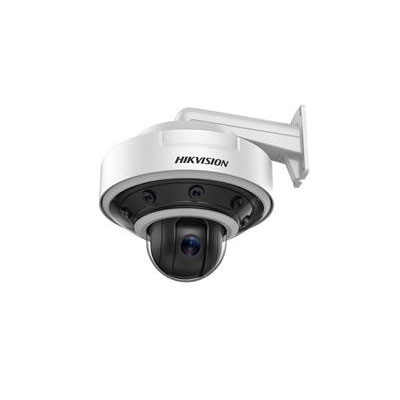
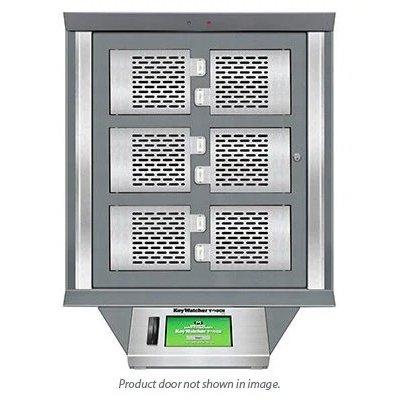
Round table discussion

2025 is likely to see further advancements in artificial intelligence, with potential impacts on various aspects of society, including the security industry. The new year will also require security professionals to adapt to changing market conditions and develop contingency plans for unforeseen events. Industry changes will accelerate and challenge everyone in the security market to keep up. Making specific predictions for the new year can be a struggle, but we asked our Expert Panel Roundtable: What will be the big news for security in the year ahead?

Protecting access control data is a core concept when it comes to safeguarding information assets, maintaining trust, and ensuring smooth operations. Guarding access to data also ensures compliance with regulations, prevents accidental misuse, and streamlines workflows. We asked this week’s Expert Panel Roundtable: What safeguards are in place to avoid unauthorised retrieval of access control data?

Machine learning (ML) is a field within Artificial Intelligence (AI) and one of the more common buzzwords in the physical security market. ML focuses on building computer systems that can learn and improve on their own, without being explicitly programmed for every scenario. Machine learning is poised to revolutionise physical security by offering a more proactive, data-driven approach to securing people and assets. We asked this week’s Expert Panel Roundtable: What is Machine Learning (ML) and how can it benefit physical security?
White papers

How digital transformation is delivering new opportunity
Download
Unlocking smarter decisions with key control
Download
Preventing loss, securing assets
Download
The ultimate guide to mastering key control
Download
7 proven solutions for law enforcement key control and asset management
Download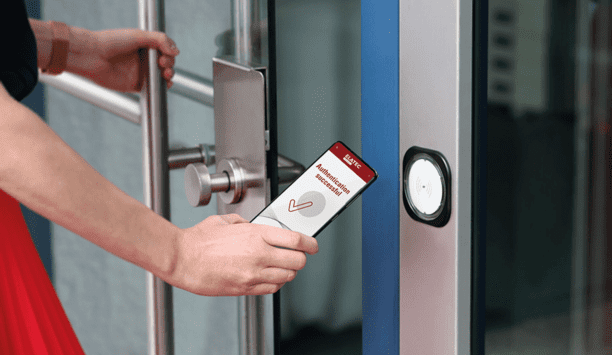
Physical access control
Download
Security practices for hotels
Download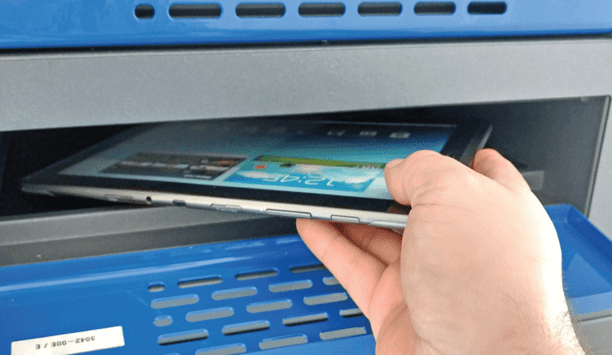
Best practices for asset management
Download
Securing care closer to patients
Download
Machine Operator Authentication
Download
Understanding key control systems and best practices
Download
Smart surveillance in the workplace
Download
How end-to-end video security solutions can help your organisation with social distancing
Download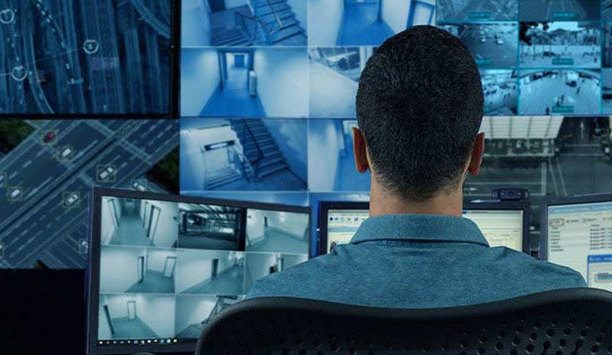
How to overcome the storage challenges of adopting surveillance AI
Download


Technology's role in securing banks and financial institutions
Download
Security technologies promote real-time awareness in K-12 schools
Download
Integrated systems enable critical and compliant security for transportation
Download
Modernising physical access control
Download
Access. Intrusion. One estate.
Download