Highlighting the need for an integrated security approach, Genetec Inc., known for its enterprise physical security software, underscores the necessity for IT managers to merge physical security strategies within their broader security frameworks.
As cyber and physical threats increasingly converge, the line between digital and physical vulnerabilities blurs, necessitating a comprehensive protection plan for both data and its surrounding environments, particularly for businesses in the Middle East.
Organisations in the region are confronted with complex threats that require securing environments such as data centres and control rooms, which have become as crucial as safeguarding digital systems.
Securing data centres and control rooms
IT and security leaders should focus on several vital areas for integrating cyber and physical security successfully.
Cyber-Physical Convergence: Security Starts at the Door
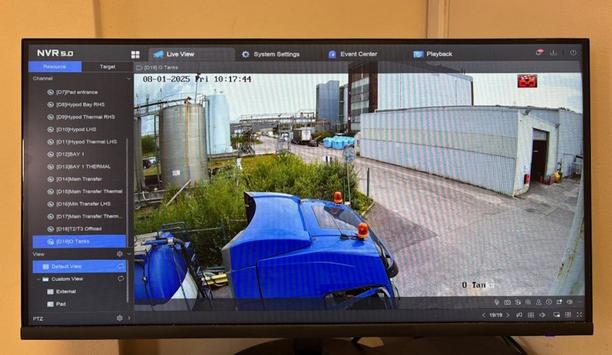
Physical security primarily relies on access control and video surveillance. Access control ensures exclusive entry to sensitive areas, while video surveillance systems offer oversight, verification, and deterrence. These measures not only fortify infrastructure protection but also extend IT's insights into the physical domain.
An overlap between physical and cyber incidents is increasingly evident. For instance, network evidence found during a breach investigation can identify the perpetrator, but without surveillance footage or access logs, the investigation may be incomplete. Physical security thus bridges this information gap, providing IT teams with a comprehensive view of incidents.
Understanding Physical Security Threats to IT
While theft and vandalism are apparent threats, other subtler risks to IT systems can be overlooked. Many organisations use outdated access control systems and surveillance equipment, unaware that such technologies can be studied and exploited by attackers over time. These vulnerabilities include badge reader and camera threats, cloning, patching inconsistencies, disposal hazards, and insider risks.
Choosing and Layering the Right Access Technologies
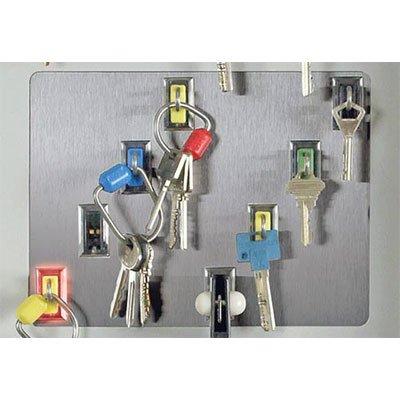
No single access control method is foolproof. Keycards, fobs, biometrics, and mobile credentials each offer benefits and drawbacks. Therefore, employing a combination of these methods is crucial. By layering different authentication techniques, like combining a keycard with biometrics, organisations can mitigate the risk of any single point of failure. This multi-layered strategy ensures that if one system fails, others remain secure.
Surveillance: A Force Multiplier for IT Teams
Modern surveillance systems enhance threat detection capabilities through IP cameras, cloud storage, and AI-driven analytics. They can alert staff to unusual activities, such as loitering near restricted areas or repeated attempts to access doors. When integrated with IT systems, surveillance adds valuable context to incidents, linking access events to user identities and network logs for quicker response and comprehensive incident reconstruction.
Compliance and Physical Security
Beyond the use of locks and cameras, compliance with standards like NIS2, ISO 27001, SOC 2, and GDPR mandates organisations to demonstrate that physical access is monitored, restricted, and documented in alignment with IT and legal requirements.
Physical security systems often operate on IT-managed infrastructures, such as Windows or Linux servers, making their configuration and maintenance a responsibility of IT departments. Unpatched security systems can pose physical control risks if not adequately managed.
Final Recommendations for IT Managers
- Build strong collaborative relationships with physical security teams to avoid addressing security issues in isolation.
- Integrate physical and cyber domains, acknowledging that each device, credential, and endpoint functions in both spheres.
- Design with failure in mind, reinforcing defences and assuming the possible failure of any single system.
Genetec Inc. the global pioneer in enterprise physical security software, highlighted the critical need for IT managers to integrate physical security strategies into their overall security frameworks.
As cyber and physical threats increasingly converge, the boundaries between digital and physical risk are blurring, making it essential for Middle East businesses to protect not only their data but also the environments where that data resides.
With organisations in the region facing increasingly complex threats, ensuring physical environments, such as data centres and control rooms, are secure is just as vital as safeguarding digital ecosystems.
Securing data centres and control rooms
Here are some key areas IT and security pioneers should focus on to achieve this integration:
Cyber-physical convergence: Security starts at the door
Physical security centres around two pillars: access control and video surveillance. Access control ensures that only authorised people can enter sensitive areas. Surveillance through a video management system provides visibility, verification, and deterrence. These systems strengthen infrastructure protection and extend IT’s visibility into the physical environment.
There’s also a growing overlap between physical and cyber incidents. For example, when investigating a breach, IT might uncover network evidence on where it started or who may be the culprit. But without physical surveillance footage or access logs, the full picture can remain incomplete. Physical security fills that gap, giving IT teams a broader understanding of what’s happening.
Understanding physical security threats to IT
Theft and vandalism are obvious risks, but many physical threats to IT systems are subtle and could be underestimated. Many organisations still rely on outdated access control systems and video surveillance hardware.
However, they may not realise that attackers have had years to study, break, and exploit these technologies. These include threats to infrastructure via badge readers and cameras, cloning, inconsistent patching, disposal risks and insider risks.
Choosing (and layering) the right access technologies
No access control method is entirely effective. Keycards, fobs, biometrics, and mobile credentials all have strengths and weaknesses. What matters most is using them in combination.
Stacking multiple authentication methods, such as pairing a keycard with biometrics, can reduce the risk of a single point of failure. This layered approach, often referred to as using “compensating controls” or “the Swiss cheese model,” helps ensure that if one method is compromised, another remains in place.
Surveillance: A force multiplier for IT teams
Modern surveillance systems provide active threat detection, using IP cameras, cloud storage, and AI-driven analytics. Unusual behaviors, such as someone loitering near a restricted area or attempting multiple door entries, can now trigger real-time alerts.
When integrated with IT systems, surveillance adds critical context to incidents. It connects access attempts to user identities and network logs. If there’s a breach or anomaly, teams can correlate digital and physical data to reconstruct what happened and respond faster.
Compliance and physical security
While having locks and cameras is important, new regulations standards like NIS2, ISO 27001, SOC 2, and GDPR require organisations to take additional steps to demonstrate that physical access is monitored, restricted, and documented in a way that aligns with IT policies and legal obligations.
Since many physical security systems run on IT-managed infrastructure, such as Windows or Linux servers, configuration and maintenance fall squarely within the IT domain. If the operating system behind a security camera or badge reader isn’t patched, the physical controls they support can be compromised.
Final recommendations for IT manager
- Build strong relationships with the physical security team: Security cannot be solved in silos, and open collaboration is essential.
- Treat physical and cyber domains together: Every device, credential, and endpoint sits in both worlds.
- Design with failure in mind: No control is flawless. Layer your defenses and always assume any one system could fail.