In 1919, the E.D. Bullard Company patented the ‘Hard Boiled® hat’, based on the steel helmets used by soldiers in World War One.
These hats were made of steamed canvas and glue, and were designed as daily protective headgear for miners.
Impact-resistant headgear
Over the course of the 20th century, the hard hat evolved to become the brightly colored, impact-resistant headgear of choice for those working in hazardous environments. Many countries have legislated to ensure hard hats are worn at all times in such places – with good reason.
Failing to wear a hard hat in a hazardous workplace can be fatal. In the US in 2012, more than 1,000 people died from head injuries while working. What’s more, data from the US National Safety Council suggests that such fatalities are increasing, with construction, transportation/warehousing and agriculture reporting the highest number of preventable deaths in 2016 and 2017.
AI-powered solutions
Not wearing safety headgear not only costs lives: it can also cost companies money in lawsuits
Importantly, not wearing safety headgear not only costs lives: it can also cost companies money in lawsuits, compensation and life insurance payouts, and lost labour. In spite of the risks, enforcing hard hat use can be challenging, as people can forget or decide not to put them on. This means site managers must keep a constant lookout, but that’s not always easy in a distracting, noisy environment with vehicles, materials and people always moving around, often over multiple levels.
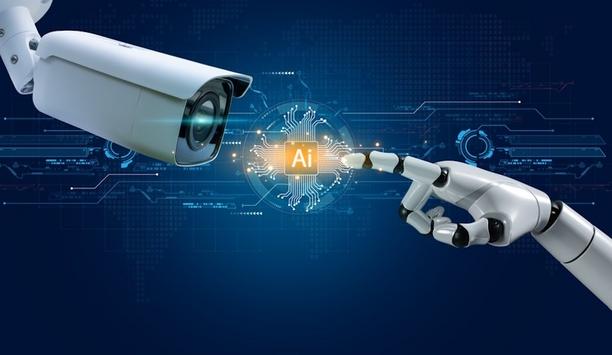
That’s why many organisations are turning to AI-powered solutions that intelligently help identify if people are complying with hard-hat safety rules. In real life, artificial intelligence technology is being used around the world every single day to make workplaces operate more efficiently, more productively, and of course more safely.
High definition cameras
The latest hard-hat detection video cameras use embedded AI algorithms to ‘learn’ what a person wearing a hard hat should look like. They then apply this algorithm while scanning a site, rapidly identifying if anyone is working without a hard hat, and alerting management teams so they can take action. Of note, when a violation is detected, management teams can also send an auditory warning through the on-site speaker to remind people of the rules.
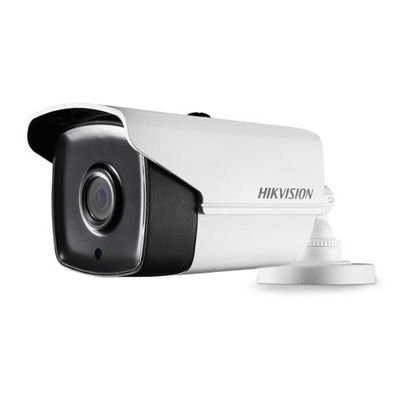
Hikvision’s AI-powered Hard Hat Detection Cameras are equipped to intelligently detect if workers are or are not wearing safety headgear. The high definition cameras constantly scan the site, rapidly sounding an alert if someone is identified as breaching defined rules. Cameras can also be linked with access control systems, to ensure that members of staff are wearing hard hats from the moment they enter a hazardous location.

- Network / IP
- Biometrics
- Construction security systems
- Security management
- Security devices
- Security cameras
- Security camera systems
- Security access systems
- Vehicle tracking
- Identity management
- Public security
- Network cameras
- Security service
- Human identification system
- Artificial intelligence (AI)
- Video surveillance