Consider the system lifecycle: How it impacts technology choices
11 Sep 2025
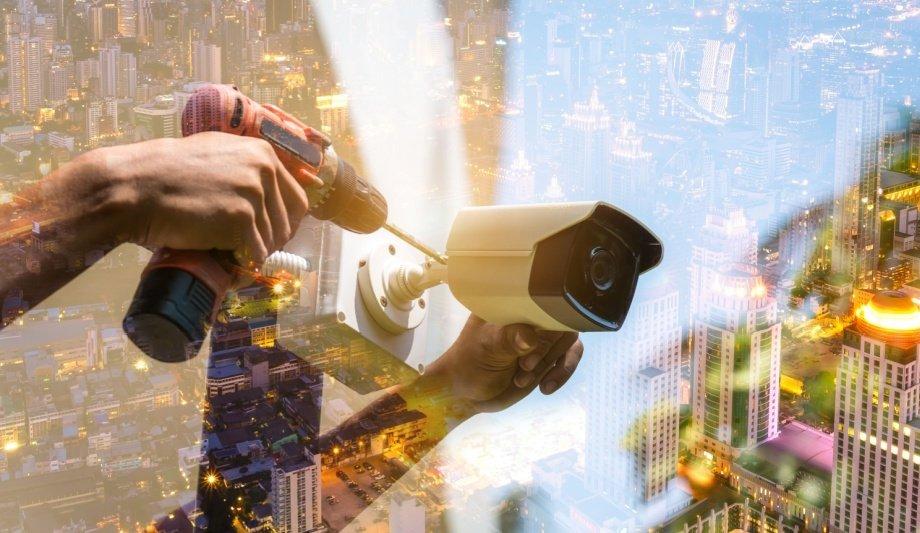

- System lifecycle impacts technology choice by encouraging high-quality over low-cost equipment investments.
- Lifecycle consideration maximises long-term technology value for integrators and end users.
- Expert Panel Roundtable discusses how lifecycles affect physical security technology decisions.
Editor Introduction
A system's lifecycle is the journey it takes from planning and design through to decommissioning. Considering the entire lifecycle of a system can encourage integrators and end users to embrace higher-quality technologies with an eye toward maximising their value over time rather than focusing on lower-priced equipment. For additional insights, we asked our Expert Panel Roundtable: How does consideration of system lifecycles impact the choice of physical security technologies?

Considering the full system lifecycle is essential to building a resilient, cost-effective physical security ecosystem. It enables organisations to maintain a modern, functional infrastructure without the need for frequent, costly system replacements. Security teams must evaluate how each update to their device deployments will impact long-term effectiveness. A key question is, will a new device significantly improve security and for how long? To make informed, future-ready decisions, teams need comprehensive visibility into the current infrastructure. Understanding device age, service history and performance trends is foundational to effective lifecycle management. Equally important is interoperability. Choosing technologies that integrate seamlessly ensures new devices can be deployed with minimal disruption, which avoids costly system-wide upgrades. By prioritising interoperability, organisations can keep security capabilities current while maintaining operational efficiency and controlling costs.


System lifecycles play a critical role in choosing physical security technologies. Organisations must weigh the age and compatibility of existing infrastructure when planning upgrades. Cloud-based solutions offer a flexible path forward — ideally, they should be designed to connect with legacy systems and devices, enabling a gradual, cost-effective transition without disrupting operations. This phased approach allows security teams to modernise at their own pace, extending the value of previous investments. However, in cases where systems are outdated or organisational needs have shifted significantly, cloud-native platforms can also support a full, rapid replacement, offering scalability, multi-site connectivity, and unlocking new outcomes from day one. Lifecycle awareness ensures that technology choices align with both current capabilities and future growth.

Consideration of system lifecycles is crucial when it comes to the selection of physical security technologies, with vendors, proactive maintenance, and tools being the best ways to achieve effective lifecycle management. This ensures the technology selected remains highly effective and cost-efficient over time, meeting organisational needs and adding value to the business. Each device typically has two lifespans to consider: its functional lifetime, which tells you how long to realistically expect the device to operate as intended, and its economic lifetime, which indicates how long the device has until it starts costing more to maintain versus adopting newer technology. Manufacturers play a key role in maximising both lifecycles by consistently providing software updates and security patches to fix bugs, address vulnerabilities, and maintain optimal performance long-term. There are also intelligent device management solutions that can automate the lifecycle management process, saving on related time and resources.

When evaluating physical security technologies, we believe system lifecycles should be at the heart of the decision-making process because they have a direct impact on return on investment (ROI). That’s why at i-PRO, our security cameras have a 7-year warranty, and our physical servers have a 5-year warranty. This gives organisations confidence that their investments are protected for the long haul. The debate between cloud and on-premises solutions comes down to a careful balancing act between lifecycle and total cost of ownership. Cloud platforms certainly seem to offer the longest lifecycle, since resources are rented and continually updated, but this often comes at a higher total cost of ownership (TCO) due to ongoing subscription fees. Physical servers can deliver a lower TCO over their typical lifecycle, particularly when organisations can retrofit existing infrastructure with new AI capabilities rather than replacing everything. Ultimately, considering lifecycles allows security pioneers to make smarter, more cost-effective choices that future-proof their investments.

When today’s security pioneers select a new technology, they are making a long-term strategic investment, not just a one-time purchase. Consequently, a system’s lifecycle is one of the most critical factors in the decision-making process, as it directly governs the solution’s long-term value, resilience, and, ultimately, its total cost of ownership. An initial low price can be deceptive if the system becomes obsolete, insecure, or costly to maintain in just a few years. A comprehensive lifecycle assessment examines two interconnected components: hardware and software. On the hardware front, pioneers must look beyond the spec sheet. How durable are the devices? What are the warranty terms, and what is the manufacturer’s stated End-of-Life (EOL) policy? A vendor who isn’t transparent about how long they will support their physical cameras, readers, or sensors is creating future risk. On the software side, the modern expectation is for a platform that improves over time. This is a primary driver behind the shift to cloud-based solutions, which provide seamless, automatic firmware and security updates. Finally, a truly durable system lifecycle is defined by adaptability and integration.

As a systems integrator, we have seen firsthand how the lifecycle of physical security systems shapes technology choices and overall business outcomes. For years, organisations treated security as a sunk cost, refreshing equipment far less frequently than their IT counterparts. That mindset is changing, and it needs to. With so many security devices now networked, sticking with older models means missing critical security patches and exposing the organisation to unnecessary risk. Manufacturers’ warranty periods and support windows are crucial. If a product is no longer supported, it quickly becomes a liability. Modern cameras and alarm systems are not just about surveillance. They have evolved into essential tools for measuring operational efficiency, quality control and risk management. There is a real tipping point where keeping outdated systems costs more in lost opportunities and increased vulnerability than the investment required to stay current. Recognising this is essential when making informed, responsible decisions on security technology.

Considering system lifecycles plays a huge role in choosing physical security technologies. It’s not just about what works today—it’s about what will still work, scale, and stay secure 10 years from now. A well-thought-out lifecycle approach helps avoid costly rip-and-replace scenarios by ensuring compatibility with future upgrades and evolving standards. It also supports smoother transitions when hardware becomes obsolete or when new compliance requirements emerge. Ultimately, it’s about investing in a platform that evolves with your needs, not against them—minimizing disruption while maximising long-term value and operational continuity.

When choosing physical security technologies, thinking about the full system lifecycle really matters. It’s not just about what works today, it’s about what will keep working as security needs grow and change. That’s why it makes sense to invest in solutions that are flexible, scalable, and built to evolve. Open-architecture access control systems, for example, make it much easier to integrate with other tools like CCTV, intruder alarms, or building management systems. So when the security setup needs to expand, you won’t be stuck with expensive or disruptive hardware upgrades. The real game-changer, though, is the software. With the right platform, you can manage everything centrally, roll out updates smoothly, and tweak settings to stay on top of compliance or operational changes. A software-first approach not only extends the life of the system, it also makes day-to-day security smarter and more efficient. Plan for flexibility from the start, and you’ll be ready for whatever comes next.

In today’s progressively complex built environment, the specification of physical security systems has evolved from a decision based solely on form, function, or cost — it must now encompass a broader perspective in considering a product’s full functional life. In many cases, short-term cost savings often come at the expense of long-term performance, with frequent repairs or poor integration having adverse effects on a building’s security. For architectural hardware, such as locks, access control systems and other security critical components, each product must now continue to deliver reliable performance in security, accessibility, and functionality throughout a building’s lifecycle, while meeting ongoing fire safety compliance and environmental considerations, too. Here, a lifecycle approach shifts the focus from cost to value, and supports better-informed, futureproof specification decisions. In doing so, we can ensure physical security technologies help in delivering buildings that are not only secure, but also resilient, efficient and ready for the future.

This answer is twofold. First, the consideration of lifecycles should not be a huge part of whether a company implements a new technology beyond asking the question, "Is this something that will be a good fit operationally?" Security teams should choose the technology that makes the most sense for what they are trying to achieve in their security program. However, whether that's cloud-based or on-prem, AI-enabled or standard, etc., it all needs to work together as part of a cohesive security operations management approach. If the systems cannot operate within a single pane of glass to provide security pioneers with not only the ability to see everything they need to see, but also the data that shows all of it is working for the program, then what's the point? Second, if we are talking about the lifecycle of a product related to the ongoing costs to support and maintain, a good question to ask would be, "How can this be used beyond security?" Security technology collects a wealth of data, which can be used by other departments, such as facilities management, HR, legal, etc., and can mean shared resourcing and budgets. Operationally, the ability to spread out the cost to support and maintain security tech can mean more robust investments.
Editor Summary
By embracing a lifecycle approach, security system integrators can provide more comprehensive, effective, and valuable solutions for their customers. For end-users, a lifecycle approach transforms security from a static expense into a dynamic, ongoing investment that continually protects their assets and operations.
- Related categories
- Power supplies & batteries
- Barricades
- Video servers (IP transmission)
- Barriers
- Storage
Expert commentary

Technology's role in securing banks and financial institutions
Download
Security technologies promote real-time awareness in K-12 schools
Download
Integrated systems enable critical and compliant security for transportation
Download
Modernising physical access control
Download
Access. Intrusion. One estate.
Download


ASSA ABLOY eCLIQ programmable key access system

Dahua Wi-Fi Pan & Tilt Camera with AI Detection and Smart Dual Light

Dahua Wireless Alarm Hub 2

