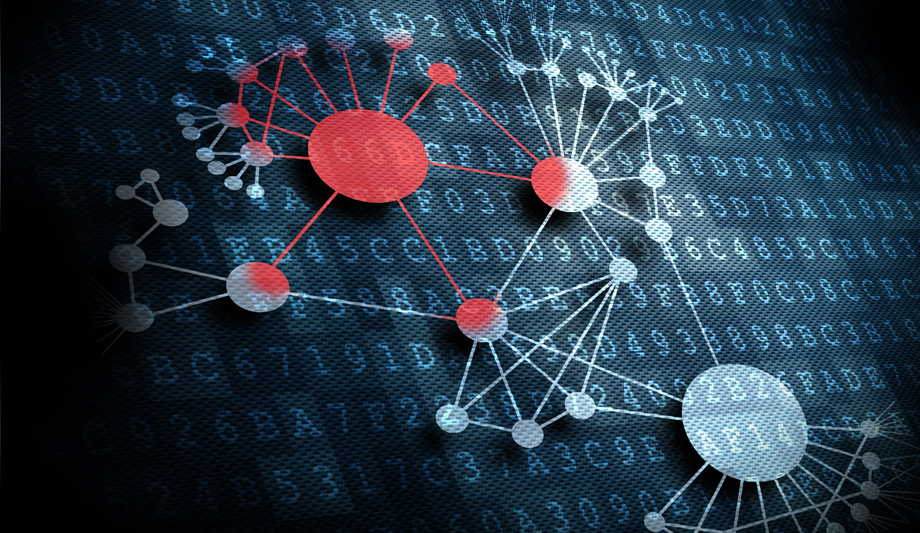


Ongoing attacks on private networks drew attention in 2016. Most public were the Wikileaks and other privacy violations during the 2016 election cycle. Whether or not the information had a bearing on the election outcome will never truly be known, but one’s overall sense of privacy is shaken.
In many ways, these attacks and other less publicised cybercrimes were the result of a perfect storm. Organisations struggled with the sheer volume and constantly changing threats from advanced malware and targeted attacks. This coincided with a shortage of skilled resources and, because prevention is a full-time job, cyber criminals continue to exploit vulnerabilities.
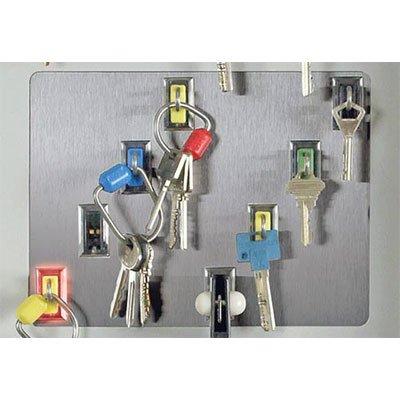
Consolidating logical and physical security
2016 saw continued consolidation of logical and physical security solutions, thus creating an environment favourable to technology innovation. These advances, along with more focused security strategies, centralised control and improvements in endpoint detection, expanded the capabilities for risk management control.
The notion of a high-consequence, low-probability event gained credence in 2016, and many organisations purchased liability insurance to supplement risk-based security programmes already implemented.
Advanced analytics and machine learning
Looking ahead to 2017, advanced analytics and machine learning will play a more central role in a resilient cyber-defence architecture, helping to make skilled resources more efficient. Identity and authentication issues will also come under scrutiny while predict-and-protect will be the new goal. The bottom line: The digital workforce needs security embedded into business applications and processes.
Technology and cybersecurity continue to increase the complexity of doing business in the digital economy, and organisations are struggling to meet these challenges. They need help in understanding the risks and the available choices, along with skilled expertise in articulating the benefits and pitfalls. Managed security services (MSS) including sales and maintenance of security hardware and software, consulting for governance, risk management, compliance and security system design, can fulfil this need.
See the full coverage of 2016/2017 Review and Forecast articles here