
 |
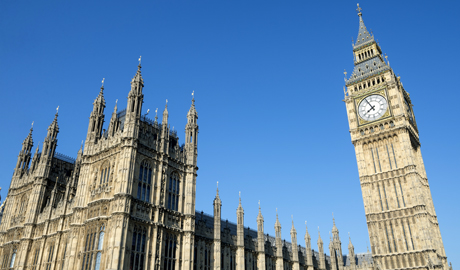
| There is a contrast between high levels of security inside Westminster and little to no security outside the safe environment |
The fatal attack on 41-year-old Jo Cox, a Labour member of the British Parliament, on the street in her district in West Yorkshire in Northern England, is increasing calls for greater security of Members of Parliament (MPs). Cox was stabbed and shot to death June 16th outside a library in Birstall, where she was meeting with constituents.
There have been previous discussions about security of MPs, including a recent internal report highlighting concerns. Among members of Parliament, a survey shows that more than half say they have been stalked or harassed, and 81 percent say they have experienced intrusive or aggressive behaviours.
The Cox tragedy brings new focus to several issues of MP security, including:
A contrast between high levels of airport-style security inside Westminster and little to no security after politicians leave the safe environment. Some have argued there should be some middle ground between the extremes. When in public places, security may consist of a panic-alert pendant or fob an MP can use to summon aid in case of an emergency.
Meetings with constituents sometimes occur in unsecured locations – on city streets, at fairs, in public assemblies. Cox was killed in her constituency near a library where she had held an “advice surgery," a series of one-to-one meetings with constituents.
Balancing the need for MPs to interact with their constituency. MPs need to meet publicly with constituents, and engage with citizens involved in day-to-day activities like shopping or walking their dogs. “Locking away” politicians from the public to protect them is seen as unacceptable in a democracy.
Rethinking the low perceived risk to politicians. Police are tasked with carrying out individual assessments of what risk MPs face. Attacks against politicians have been so rare, lawmakers at the level of Cox are not usually accompanied by a security detail – an aspect that will receive new attention and vigilance in the wake of the Cox tragedy.
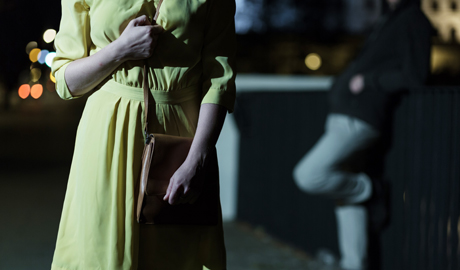 |
| A House of Commons report last year revealed security to be of particular concern for women MPs |
Particular concern about the safety of female MPs as well as female staff members. There have been multiple incidents reported of stalkers, including those with knives and guns. Although women were not targeted, they often feel they are more vulnerable. A House of Commons Administration committee report last year revealed security to be of particular concern for women MPs.
Low expense budgets for MPs, which often prompt them to seek housing in deprived areas of town or out-of-town, where rentals are lower (but security may be a greater concern).
A need to protect MPs’ homes. Extra measures in the process of being implemented include more funding for alarms, locks and CCTV in constituencies and homes. A watchdog group doubled the amount of spending authorised on security away from the Commons to £77,234 last year.
A heated political climate, including immigration issues, Britain’s future in the European Union, and other controversies, has raised emotions and coarsened the political rhetoric, in effect creating an environment where threats are intensified and politicians might be seen somehow as acceptable targets. There were high-profile protests over the vote to bomb Syria, and concerns that politicians could be a soft target for ISIS extremists. Cox was an avid campaigner for the rights of refugees and supported remaining in the EU. Her killer reportedly shouted “Britain First” during the attack, although the far-right movement has denied any connection to the attack.