Check out our special report on casino security

What new video analytics are having an impact?
19 Sep 2019


Editor Introduction
Video analytics are undergoing a fundamental change in the market as machine learning enhances their accuracy while expanding their capabilities. But what are those expanded capabilities and how are they impacting the operation of security and video systems? We asked this week’s Expert Panel Roundtable: What new video analytics are having an impact in the market and how?


Video analytics are improving the efficiency and accuracy of facility and enterprise security with the integration of advanced technologies. Technologies like AI and machine learning can help pinpoint potential threat locations and identify patterns not only within building systems, but in the buildings themselves. For example, as a standalone solution video analytics provide real-time insights into occupancy patterns – but when equipped with AI and machine learning, data collection is automated and analysed faster and more efficiently, offering recommended actions based on the situation. If video analytics identify an unauthorised visitor, AI and machine learning can notify security personnel who can then take appropriate action, whether it be escorting the occupant out or issuing a lockdown.

Re-identification and classification are two analytics that are gaining traction. Classification is the most important of the deep learning analytics, as from here all other deep learning analytics are built. This is because classification determines the type of object present: human vs. car vs. bus, for example. This is the first step in identifying and then tracking objects of interest. Re-identification is a deep learning analytic that allows the camera to recognise an unidentified person or object as a whole. For example, with classification, the camera can determine the difference between a bus and a car or a person and a horse. This is because, when the camera spots a person, it will ‘learn’ multiple data points including: height, size, and gait, the colour of clothes, the sex, face and ethnicity. Re-identification works by matching these multiple data points, but it does not need them all.

Although basic video analytics have been around for many years, today’s organisations aim to take this technology to the next level and use data and insights to help solve business problems and improve processes. For example, financial institutions desire the ability to leverage surveillance cameras for more than just capturing footage — they want to achieve tasks such as enhancing workforce optimisation and customer service. A challenge exists, however, in properly capturing, analysing, and processing the overwhelming amount of information that advanced systems provide. The key to successfully utilising video analytics is leveraging intelligent technology that can simplify and automate a large amount of data to determine what is critical and make it actionable. This then empowers operators to make informed and swift decisions based on reliable and detailed information.

Facial recognition is the most widely discussed analytic available today. Even so, the discussions are not always positive. Depending on where you are in the world, it is differently perceived as good or bad. The east seems more open to the technology, recognising that it streamlines and further authenticates the access control process. Individuals in the west are less likely to jump on board with the technology, fearing that their facial data will be wrongfully used. There is a big debate going on between the two sides, but one thing is certain: facial recognition is not going anywhere.

Video analytics has come a long way since being introduced more than 10 years ago. While initial results were mixed due to the technology not being mature enough, video intelligence capabilities have significantly evolved and are now a critical component of intelligent solutions that drive informed response and business results. For instance, video analytics can identify when an item is left behind in an airport and then alert the appropriate personnel to the situation. Alternatively, in protest situations, pattern-recognition algorithms detect changes in crowd activity and signal when behaviour shifts toward hostility. With the addition of facial recognition, we can automatically detect, track, and alert on persons of interest. Moreover, in an active incident, we can instantly alert operators, activate cameras and other controls in the vicinity and dispatch appropriate resources to mitigate threats. These examples are part of a drive to increase overall situational awareness to increase safety.
Editor Summary
The revolution of video analytics is creating new opportunities in the security marketplace. Although sometimes impacted by negative backlash, especially in the case of facial recognition systems, video analytics provide better functionality and more automation of security systems that will likely prevail in the market. Privacy concerns must be addressed, but more effective security systems are worth the effort.
Johnson Controls, Inc. products


Johnson Controls, Inc. news
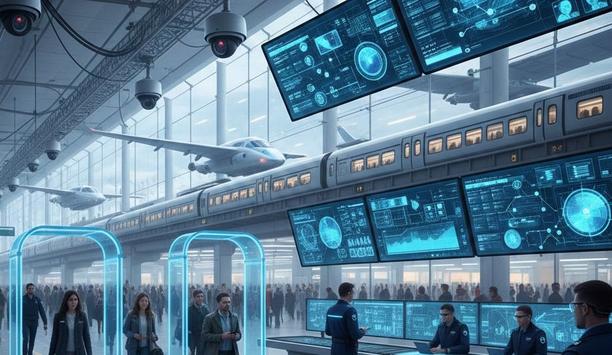
Transportation systems need robust physical security to protect human life, to ensure economic stability, and to maintain national security. Because transportation involves moving large numbers of people and critical goods across vast, often interconnected infrastructure, it presents a highly attractive target for various threats. More threats equate to a greater need for security. We asked our Expert Panel Roundtable: What are the emerging applications of physical security in the transportation...

Installing physical security systems requires integrating diverse technologies (e.g., cameras, access control, alarms) that often use different protocols and must be adapted to a building's unique physical layout and legacy infrastructure. Specialised technical expertise is required for seamless networking and proper configuration. Hopefully, no important factors are overlooked in the installation process. We asked our Expert Panel Roundtable: What is the most overlooked factor when inst...

Emphasising proactive rather than reactive security shifts the focus from dealing with crises and damage control to prevention. Advantages of a proactive approach include cost efficiency, better business continuity, and fewer crises that draw attention away from strategic improvements. Staying ahead of threats is a core mission of the security department, and technology has evolved to enable security professionals to deliver on that mission better than ever. We asked our Expert Panel Roundtable:...
Johnson Controls, Inc. case studies

Keeping beachgoers, swimmers and surfers safe is all in a day’s work for the team at South Maroubra Surf Live Saving Club, and every second counts when an incident unfolds on the water. One of the most topical issues and threats to those enjoying Australia’s world-renowned beaches is sharks, so for the surf club it made sense to look to smart, new technology to keep those who enjoy the sand and surf safe. Security technology to lifesavers "Since the club wa...

SwiftConnect, a pioneering provider of connected access enablement, is powering easy, secure, and private access using an iPhone and Apple Watch with the Johnson Controls Software House C•CURE 9000 access control system. The SwiftConnect AccessCloud platform integration with the Software House C•CURE 9000 access control system makes it possible for Software House C•CURE 9000 customers to take advantage of the employee badge in Apple Wallet for physical access. Deployments of emp...

It may sound like a small change, but installing security cameras on a property can significantly impact occupant and visitor behaviour by enabling more accountability. This is notable for environments such as K-12 schools where occupants are younger and more impulsive. Lack of visibility A public school system on the East Coast faced frequent incidents of bullying, vandalism and theft among students as well as the harassment of faculty and staff and was struggling to keep its occupants accou...
Johnson Controls, Inc. white papers
Johnson Controls, Inc. videos


Frictionless access control: 5 minutes with Rick Focke Tyco Software House

Video Surveillance Solutions: 5 Minutes with Ryan Hulse from JCI

Johnson Controls P2000 Security Management System Controls Access at RWU, Rhode Island, USA

An overview of the Johnson Controls P2000 Security Management System

Johnson Controls Company Profile

Johnson Controls Corporate Profile

Expert commentary

Security beat

Johnson Controls, Inc.
507 E Michigan Street
Milwaukee, WI 53202


