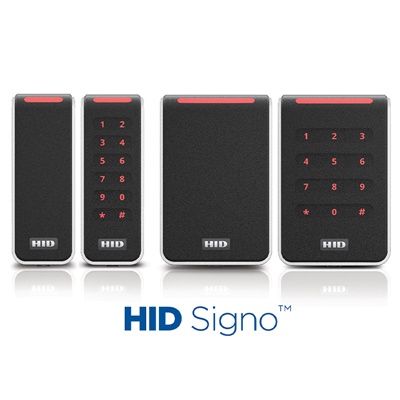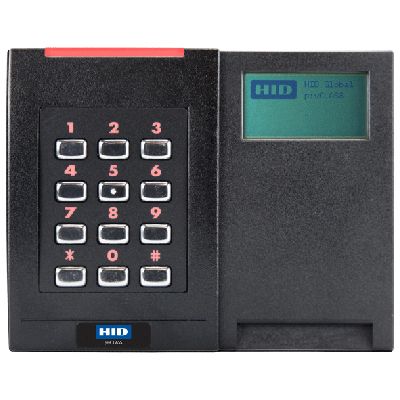


HID Global, a developer of trusted identity solutions, has identified the top trends in the identity technology industry for 2018. The company points towards increased cloud and mobile access adoption, more focus on securing the Internet of Things (IoT), and data analytics as some of the top trends that will take centre stage in developing more intelligent, connected experiences this year.
“Trusted identities will emerge this year as the fundamental building blocks for organisations to create environments that connect people, places and things,” said Samuel Asarnoj, Senior Vice President Corporate Strategy & Business Development with HID Global. “The user experience will be redefined by mobile, IoT and cloud technologies and deliver new capabilities for the future.”
HID Global sees five significant trends in 2018 that will influence how organisations leverage the power of trusted identities.
Cloud-based identity management
Increased awareness of the cloud’s ease of deployment, flexibility, connectivity options and productivity benefits will escalate adoption. Access control cloud platforms with APIs and SDKs will fuel new software solutions that expand choices for organisations to get the most out of their investments. Cloud-based card issuance will drive adoption due to its simplicity, security and cost structure, while governments increasingly investigate how printed IDs can be complemented by cloud-issued mobile citizen IDs.Increased awareness of the cloud’s ease of deployment, flexibility, connectivity options and productivity benefits will escalate adoption
Cloud authentication and credential management will further integrate mobile devices, tokens, cards and machine-to-machine endpoints. Digital certificates in the IoT will draw upon the trusted cloud services to deliver and manage certificates across thousands of devices.
Enhanced IoT security
Digital certificates will become a core component for adding trust in the IoT by issuing unique digital IDs to printers and encoders, mobile phones, tablets, video cameras and building automation systems, plus a broader range of things like connected cars and medical devices.
Apple iOS 11 ‘read’ support of NFC will fuel adoption of IoT-based applications such as brand protection, customer loyalty programmes and other use cases that will further drive the need to enhance security in the IoT.
Increased mobile access adoption
2017 was the year mobile access went mainstream and adoption will accelerate even further in 2018. Maturity in mobile solutions and integration into other systems, coupled with mobile’s ability to enhance user convenience, improve operational efficiency and provide higher security will drive accelerated growth for mobile access and mainstream adoption.
Card emulation, the NFC mode most coveted for mobile access control, remains reserved exclusive to Apple Pay. This leaves Bluetooth as the communication standard for cross-platform mobile access support. Still, organisations will invest in readers and other infrastructure that supports NFC and BLE to prepare for future possibilities.Devices, access control systems, IoT applications and other solutions connected to the cloud will provide robust data for advanced analytics
Convergence of physical and digital security
The concept of Physical Identity & Access Management (PIAM) will drive convergence of physical and digital security to a single credential, putting identity at the centre of all use cases. Government, finance, energy and other regulated markets will emerge as the forerunners using these solutions for secure access to buildings, email, websites and VPN.
New converged identity models that use cloud authentication and mobile devices are also emerging, such as the ability to verify a person’s presence at a location, mobile IDs that validate physical citizen IDs, and smart cards that authenticate users to enterprise resources.
Analytics-driven risk-based intelligence
Devices, access control systems, IoT applications and other solutions connected to the cloud will provide robust data for advanced analytics. Insights from these analytics can be used to optimise workflow solutions and provide more seamless access for end users.
Predictive analytics and biometrics will play a crucial role in people-centric security and address employee demands for workplaces to deliver premium, more individualised services. Analytics will also help reduce downtime in the enterprise, spur factory automation and improve compliance via condition monitoring that is based on real-time location and sensing solutions.
Learn why leading casinos are upgrading to smarter, faster, and more compliant systems