
Which security markets are embracing touchless and contactless systems?
26 Jul 2021

Editor Introduction
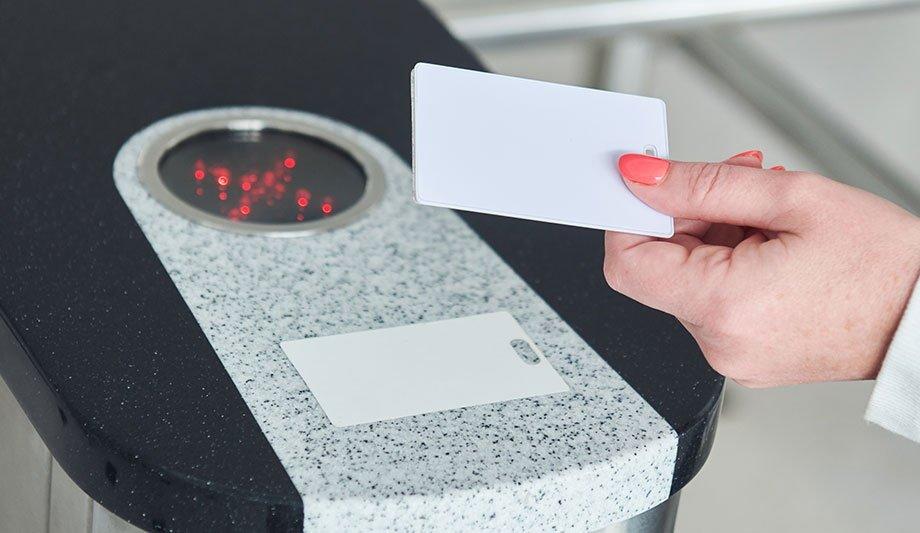
The idea of touchless systems has gained new levels of prominence during the last year, driven by the global COVID-19 pandemic. Contactless systems have been part of the industry’s toolbox for decades, while technologies like facial and iris recognition are finding new uses every day.
We asked this week’s Expert Panel Roundtable: Which security markets are embracing touchless, contactless systems and why?


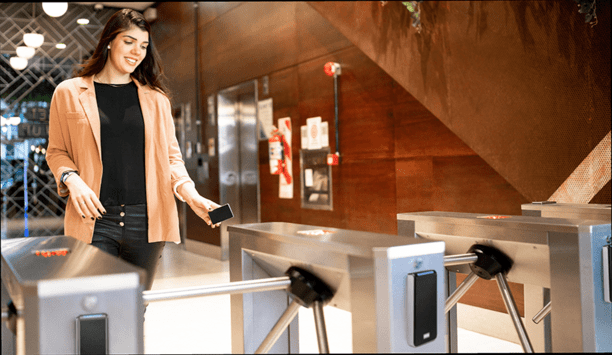
Mobile solutions used for access control and building management eliminate the need to physically touch cards, readers, or keypads, or to issue or revoke ID cards in person. Visitor management has also been adapted to a more hands-off experience with cloud-based solutions that limit face-to-face interaction through self-service check-in. Even physical card issuance reduces contact using cloud-based solutions that enable cards to be designed and printed anywhere. Wireless technologies and Bluetooth beacons have been integral to implementing automated physical distancing and contact tracing policies, during the global COVID-19 pandemic. Another application is security patrol monitoring, real-time key tracking, and contractor management. Guards tap each tour checkpoint with their Near Field Communication (NFC)-enabled smartphone for more detailed and efficient, contact-free reporting. Governments are also tapping into the touch-free experience through digital versions of national identity documents. Citizens can use mobile devices to securely request appointments, receive health information and access credentials.

Organisations across industries are recognising the need for smart, safe and healthy building environments. As a result, they are increasingly turning to cloud-based AI-powered, connected solutions that can be united onto a single platform for increased optimisation at every data touch point. Of these solutions, touchless systems have been a standout. The healthcare industry was the initial pioneer in touchless access control, implementing solutions like facial recognition technology to ensure staff and patients can minimise touch contamination, while moving throughout a hospital. Now, this new data-driven approach has been adopted by a variety of industries, including K-12, higher education, transportation, commercial real estate and more have all followed suit to deliver healthy experiences that occupants have come to rely on, while enjoying additional benefits, such as real-time insight into potential security threats and streamlined occupant movements. Because of this, the rapid adoption of touchless technologies will only continue to reach new emerging markets.

Over the last year, we have seen a massive increase in demand for touchless, contactless systems. While you might think this is solely due to the pandemic, the truth is the integration between IT and physical security markets has been going on for quite a while. Many organisations are looking for robust solutions that are touchless and can be utilised remotely. While access control has almost always been a touchless system, it is easy to understand why a solution like this would become widely popular because of COVID-19. The process of using access control to streamline security infrastructures is not a new concept by any means, but due to the rapid development in technology over the past few years, more integrators are searching for access control systems that will serve as a proper solution for organisations, while still supplying the touchless and remote-based features.

Touchless technology is not a new trend, but contactless systems and transactions have surged since the COVID-19 pandemic. Even after the pandemic is over, it is likely public perception of what is hygienic and acceptable in public spaces will have changed. Safetrust is seeing an uptick in touchless access control systems in the education and flexible office space markets. As campuses open up, providing a seamless, safe and hygienic contactless solution to students, such as mobile IDs, cashless payment options and touchless door access to dorms, parking garages and cafeterias, is critical. As more organisations allow their employees to choose where they work, companies are starting to provide flexible workspaces. With less staff at flexible workspace locations, employees can enjoy a contactless access experience by using their mobile IDs to allow secure, touchless access to flexible workspaces, including access to a desk, approved meeting rooms or a corporate gym.

When it comes to vertical markets, touchless and contactless systems are applicable to just about all. In retail, they emphasize features for contactless deliveries. In commercial buildings, biometric and mobile credentials are increasing in popularity, as protective measures to reduce contact have become the goal of many facilities. Additionally, contactless entry can be achieved with licence plate recognition, which can be deployed in parking garages or lots, allowing for easy access control and touchless payment. This underscores the importance of maintaining an open system approach, which gives users the flexibility to add many of these newer technologies into their existing security systems to satisfy changing requirements of their customers.

Touchless and contactless entry control solutions have increased in popularity in the past year, as individuals continue to be more concerned about hygiene safety. Being able to use an intercom without touching the call button is an attractive feature in many markets, including commercial office spaces, educational campuses, and multi-tenant residential buildings. Traditional access control technologies, such as a video intercom, can be equipped with sensors that allow touchless communication at a point of entry. This solution is valuable in office settings, or when someone loses an access control card, or to facilitate contactless deliveries, such as lunch orders or grocery deliveries to a condominium. In today’s world, a touchless or contactless solution can be a vital entry tool in medical centers, hospitals, clinics, pharmacies, and elder-care facilities, as they continue upholding safe practices and seek to mitigate the spread of any illness.

This is always an interesting question, and while the demand for touchless systems rose over this past year, the beautiful thing about access control is that it has pretty much always been a touchless solution. We have seen a massive integration start to take place between the IT and physical security markets, and while yes, the pandemic has caused rapid development of security technology, the integration between the two has been in motion for quite a while, it is just more in focus now. Touchless solutions like access control not only solve any health issues that might have been a concern this past year, but by embracing touchless and open-platform systems, it is much easier to manage and monitor security solutions remotely. We will continue to see strong integration between the two as touchless systems become the norm for most organisations.

As we begin to return to offices, touchless access is an opportunity for all markets to create a new era of work where the security experience is safe, friction-free and seamless, while providing businesses with rich data for business results, including space utilisation and optimisation. Digitally transforming workplace access includes connecting HR workforce identities with touchless access control technology like SafeTrust mobile credentials. Mobile-first access reduces community touchpoints, while e-wallets carry important additional information like vaccination documents. Mobile credentialing (along with facial recognition) improves the lobby experience for employees and visitors with self-service kiosks that automate and streamline check-in/check-out and badging processes according to current COVID-19 policies and procedures.

Needless to say, touchless solutions will be recognised as a Megatrend due to the health value of touchless solutions, even in the post-pandemic world. Specifically, smartphones and facial recognition or other types that are that don't require you to touch anything as you progress through into the building have real promise for solving some friction points in security, such as Access and Visitor management. Thus, the access control market is primarily considered. Speaking of vertical industries, many of the environments like commercial office buildings and educations like schools or universities which are public spaces but have to make sure the authorised persons safe and healthy are supposed to embrace the touchless system actively.
Editor Summary
Currently available systems, many of them contactless by nature, have enjoyed renewed demand during the COVID-19 pandemic. The changing patterns of office utilisation, set in motion during the pandemic, also lend themselves to more application of touchless and contactless systems. Our Expert Panelists clearly expect the demand for touchless systems to continue unabated even in the post-pandemic world.
HID products


HID news

HID, a pioneer in trusted identity solutions, has achieved Texas Risk and Authorisation Management Program (TX-RAMP) certification for its Public Key Infrastructure as a Service (PKIaaS) solution. This certification demonstrates HID’s commitment to cybersecurity excellence and enables Texas state and local government to confidently engage with approved, trusted providers to procure secure, cloud-based certificate lifecycle management services with faster timelines and reduced administrati...

HID, a worldwide pioneer in trusted identity solutions, announced the appointment of Jos Beernink as Vice President Europe for its Physical Access Control (PACS) business. In this role, Beernink will lead HID’s strategy, sales and operations across the whole European region, helping organisations leverage trusted identity and access control technologies to create a secure, smarter and more efficient workplace and physical spaces. Prior roles of Beernink Beernink brings more than 2...

On Wednesday, November 19, starting at 08:00 CST, ASSA ABLOY hosts its Capital Markets Day in Milwaukee, Wisconsin, USA. Nico Delvaux, President & CEO and Erik Pieder, CFO, will provide an update on ASSA ABLOY’s strategy and direction, including an overview of the company’s strategic objectives and priorities to accelerate profitable growth. The financial targets of an EBIT-margin of 16-17% and annual sales growth of 10% over a business cycle are re-confirmed. No deta...
HID white papers










HID case studies

Enhancing enterprise security is high on the list of priorities for businesses across sectors. Within the retail industry, there is an additional focus on enabling new ways of working through management tools. Integrated solutions and applications help to create a robust security landscape and ensure a future-ready posture as organisations look to address emerging risks and create better experiences for next-gen employees. Physical access control (i.e., the readers on the door and the credentia...

Founded in 2010, Avolon is the third-largest aircraft leasing company in the world with 824 aircraft and 145 customers in 62 countries. Its new global headquarters in Dublin is comprised of 6,967 sq m (75,000 sq ft) of secure office space across six floors that houses its IT, catering, legal, and communications departments. Need for a centralised monitoring solution Avolon’s new premises in the upmarket Ballsbridge area of Dublin provided an opportunity for the company to rethink its app...

How do you rethink and transform building access for a 241-year-old company? BNY started by asking employees. The response was encouraging. The BNY team found that employees embraced the concept of mobile access solutions. The thought of implementing access solutions was already being considered by the company and the team was excited about the idea of providing a modern experience that allows employees worldwide to conveniently access their building spaces with a simple iPhone or Apple Watch....
HID virtual events





Expert commentary

Security beat

Haverhill Business Park, Phoenix Road, Haverhill, Suffolk, CB9 7AE, United Kingdom
Telephone: +44 (0)1440 714 850


