

You’re no psychic. You probably don’t have the power of clairvoyance. But guess what? When it comes to your security, none of that matters.
You can still create future-proof security by properly equipping yourself. Here’s how.
Understanding access control
Security is changing faster than ever before. With new threats inside the workplace and smaller security teams taking on more tasks, IT and security personnel must automate their processes using new technology. One difficult aspect, however, is choosing the right technology. By analysing technological trends and assessing your current and future needs, you can preemptively find solutions. Ultimately, in the long run, these solutions will save you time and expense.
Ultimately, in the long run, these solutions will save you time and expense
But how do you distinguish a momentary trend from a long-term solution? Do you really need to pay extra money for that feature, or will you stop using it in a year? To properly invest in future-proof access control, IT and security teams must look at three different aspects of technology: Flexibility, Scalability, and Efficiency.
Access control system
Flexibility: Hardware
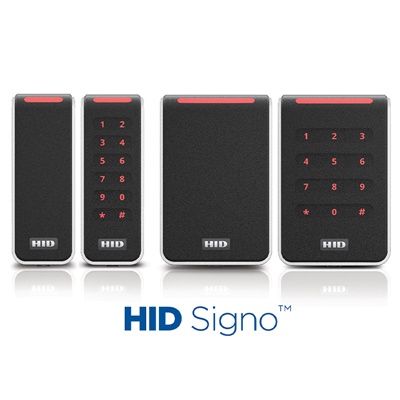
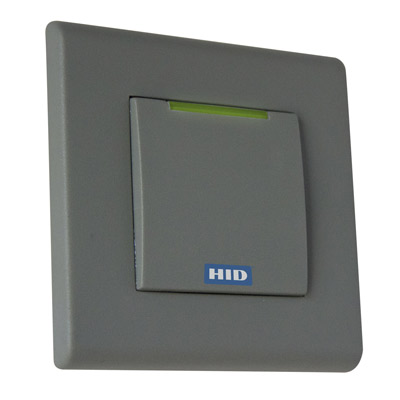
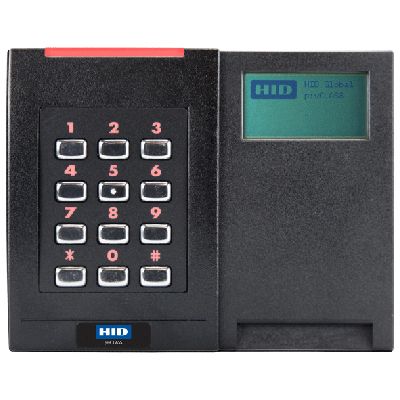
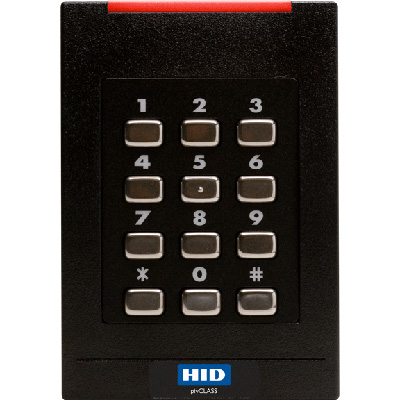
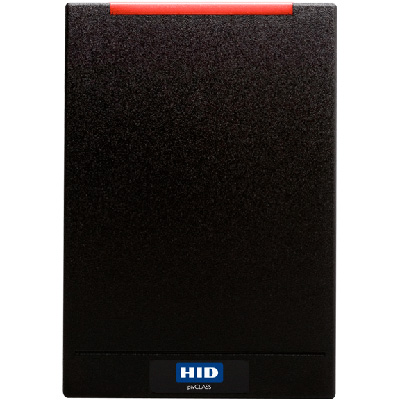
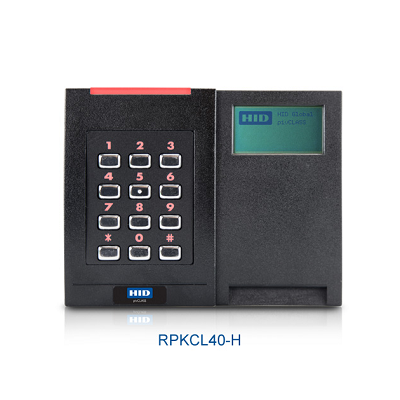
It’s not the sexiest thing to talk about, but hardware is crucial to any security system. Readers, locks and controllers are the backbone of any access control system, and choosing the right hardware is essential when it comes to planning for the future.
Broadly speaking, hardware falls into two categories: proprietary and non-proprietary. For those teams considering a new installation, choosing between proprietary access control and non-proprietary access control is a decision that will affect your organisation over the long term.
Long-term unseen expenses
Proprietary Hardware
Pros: Upfront costs can be less expensive; One vendor for hardware and software.
Cons: Locked into one vendor; Long-term unseen expenses.
Imagine buying a microwave that only cooked foods produced by the microwave manufacturer
Imagine buying a microwave that only cooked foods produced by the microwave manufacturer. In a booming economy, the manufacturer produces all sorts of tasty treats—popcorn, lasagna, pies. But when the economy takes a dip, the manufacturer scales back its production and announces it will only sell liver and onions. Now maybe you’re a liver and onions fan, but on the off chance you like variety in your diet, this would be a problem. Your microwave has been rendered useless and has essentially become a liver and onions cooking machine.
Potential system vulnerabilities
Like the microwave example, proprietary hardware leaves companies at the mercy of the manufacturer. If the manufacturer goes out of business, the system will cease to function, and customer support will be non-existent. Consequently, your security team will likely have to install an entirely new hardware system. Costly, right?
Let’s consider a less dramatic scenario. What if a manufacturer, instead of closing, decides to scale back its operations? It provides less frequent updates and fewer new feature releases. Without these updates, your security becomes more vulnerable and outdated. In the long run, choosing proprietary hardware can end up costing teams a lot more than they are saving and expose potential system vulnerabilities.
Non-proprietary hardware
Pros: Free to switch software vendors; Long-term system flexibility.
Cons: Upfront costs can be more expensive.
Non-proprietary hardware gives teams the power to switch software providers at any point
Where proprietary hardware fails, non-proprietary thrives. The most important aspect of a non-proprietary system is the flexibility it grants. Non-proprietary hardware gives teams the power to switch software providers at any point, without replacing the hardware. In the aforementioned microwave scenario, the customer was relegated to a life of liver and onions because of their proprietary microwave. However, had they chosen a non-proprietary microwave, then they could have eaten any meal. They wouldn’t be limited to the food options sold by the manufacturer.
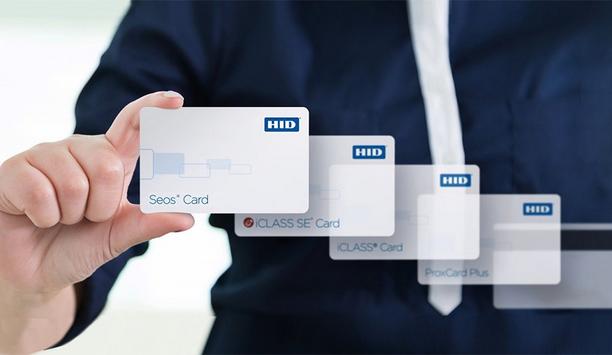
Non-proprietary hardware also accounts for much of the current marketplace. If your team currently uses non-proprietary hardware—Mercury Security, HID, Wavelynx, or STid-- but is considering switching to a cloud-based provider, then something called a software takeover could be useful. A software takeover is a process by which a new software provider replaces a former one, though no new hardware is installed.
Scalability: on-prem or the cloud?
Whether working for an enterprise, hospital or school district there is always potential for expansion. As an organisation grows or shrinks, so must its access control.
At your latest ‘all-hands’ meeting, the CEO announces that you will be aggressively expanding
At your latest ‘all-hands’ meeting, the CEO announces that you will be aggressively expanding. They want security to be up and running in three new countries by the end of the quarter. Luckily, you have just finished migrating from on-premises access control to the cloud. You handle scaling the operation with relative ease. IT and security teams must choose between cloud access control and legacy on-premises equipment. The greatest determination of scalability lies with the server.
Cloud-based access control
Pros: Easily scalable; Less regular maintenance; More secure; Integrations; Centralised storage.
Cons: On-going subscription costs; Migrating from on-premises access control.
When asked about the trends shaping the near future of access control, 38% of respondents said cloud hosting would be an important feature. Though this was a lower percentage compared to the responses at the beginning of Covid-19 (50% mentioned cloud), cloud security is poised to grow by as much as 13.7% each year.
Connecting software stacks
Here are some facts about cloud-based access control:
- Security: In the past, what held the cloud back were concerns about cyber security. But advances in security, including 256-bit encryption for data at rest and data in transit, have significantly improved the cloud.
- Integrations: Talk to any IT director who has already made the migration from on-prem to cloud, and they’ll mention ‘integrations.’ The cloud gives administrators the ability to more quickly connect their software stacks. Some popular integrations include visitor, video, identity, and notification management. Though integrating on-premises access control is possible, it takes significantly longer and is more costly than integrating with the cloud.
- Remote Access: Since COVID-19, IT and security professionals have been searching for remote ways to work. However, remotely connecting to an on-premises access control system often requires a VPN. The cloud allows teams to work remotely and access any of the buildings in their portfolio while off site.
Physical access control
Efficiency: Software Features
Another important aspect of physical access control is its software features
Another important aspect of physical access control is its software features. While the needs vary from industry to industry, some overlap exists. For instance, a global dashboard can give oversight across buildings on college campuses or offices of a national enterprise. A security team in New York can monitor the access events or provision a new employee in Tokyo.
Broadly speaking, IT and security teams are looking for software that boosts day-to-day efficiency and is customisable. These features include:
- Custom Reports- Spreadsheets or PDFs that give you an aggregated view of access events that have occurred over a given period.
- Custom Roles- Administrators the ability to create an organisational framework by access permissions.
- Badges- Create branded physical or digital badges according to permission level.
- Emergency Add-ons- Custom door plans and Muster reporting can help in crisis situations. For example, if there is an active shooter, certain doors can be left open or locked automatically to prevent the shooter from gaining access to certain areas.
Cloud access control has made it easier to implement new features. Ultimately, the cloud gives IT and security administrators more power to quickly request and deploy the features they find most worthwhile.
Final thoughts on security
With the rapid technological transformation brought about by cloud and mobile access control, it’s important that IT and security teams stay ahead of the curve. In order to decide which system is the right choice for you, it’s important to evaluate not only your current but also future needs.
Creating a checklist of the most important features and deciding whether to host all the server yourself are two important steps to pinpointing the perfect access control system. For more information, ask access control providers for a free demo.
Learn why leading casinos are upgrading to smarter, faster, and more compliant systems
- Network / IP
- Electronic security systems
- Campus security systems
- Commercial security
- Security cameras
- Security camera systems
- Radio frequency Identification
- Video analytics
- Electronic access control
- Identity management
- School security
- Institute security
- Door security
- Door access control
- Security software
- Physical Security Information Management (PSIM)
- Cyber security
- Crowd Management
- Corporate Security
- Home Security Systems
- Central Monitoring
- Fingerprint Locks
- Data Security
- Cloud security
- Mobile access
- COVID-19