
What are the new developments in networking and connectivity for security?
11 Nov 2022


Editor Introduction
Connectivity is literally the difference between products operating individually and those combined into a more powerful system. Many of the devices that connect today’s security products reflect mature technologies that have been proven over time. However, innovation is also driving the need for new approaches to connectivity and networking. We asked this week’s Expert Panel Roundtable: What are the new developments in networking and connectivity for security?


The World Bank predicts that by 2050, the current urban population will double in size. As cities grapple with the corresponding increase in foot traffic, motor vehicles, and cyclists, authorities will have to work harder to keep the uptick of pedestrians safe and transportation systems efficient. In large urban areas, network video surveillance technology and high-quality analytics not only provide valuable evidence in forensic investigations but can also help to improve mobility throughout cities city by providing both immediate and long-term insights to ensure comfortable and safe movement for people and vehicles. Network camera solutions can also detect accidents in real-time, identifying traffic incidents quickly and improving situational awareness for emergency responders. Regulators estimate that reducing 911 response times by just one minute could save as many as 10,000 lives each year, which means this technology provides real, tangible results in the community.

The growing prevalence of 5G will be one of the biggest development drivers for security in terms of connectivity for years to come. Many manufacturers are already developing solar panel-powered 5G devices, which can be rapidly deployed in a remote location with a simple 5G connection. This will be a game changer for security for remote sites or where hardwired connectivity is problematic due to 5G’s network capability, which provides broader bandwidth for video streaming. This removes much of the traditional barriers such as cabling and bandwidth constraints.

Security systems have evolved to be more connected than ever before. Different technologies integrate together seamlessly and effectively. Customers are looking for a layered security solution through a single point of interoperability. Security manufacturers can ensure that their product opens the door to integration opportunities with other industry leaders. For example, intercom systems that integrate with Session Initiation Platforms (SIP) allow end users to receive audio or video calls from any desk phone, mobile phone, or computer. Intercoms also integrate with video management systems and can be reviewed similarly to IP cameras. Overall, these integrations provide a better user experience through simplicity, readiness, and speed. The ability to easily adapt is the key, when addressing security issues promptly, and having a multi-layered approach makes that easier.

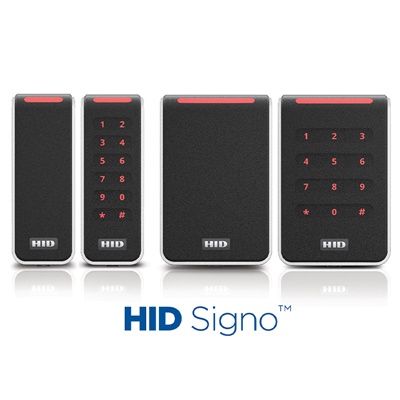
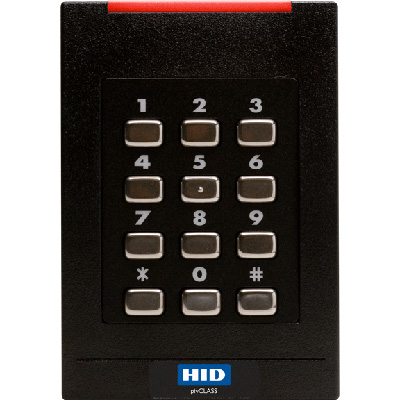
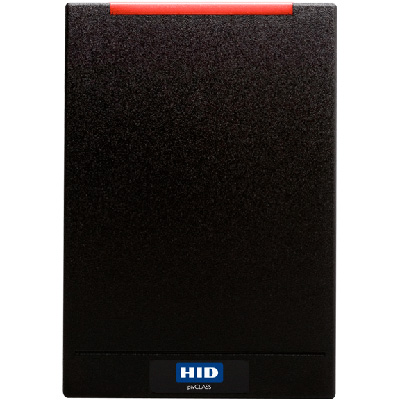
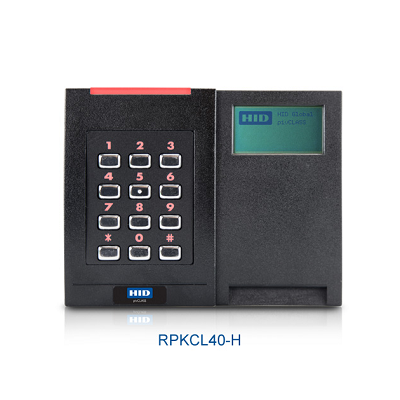
In the access control market, we are seeing a migration away from Wiegand and other proprietary communications protocols to OSDP developed by SIA. Wiegand has been around for decades, but it doesn’t meet today’s requirements. OSDP, which became an international standard in 2021, is much more secure and supports high-end AES-128 encryption. OSDP constantly monitors wiring to protect against attack threats and is bi-directional, meaning that readers and controllers communicate both ways to not only authorise access, but allow configuration and remote management to be carried out efficiently. In addition, total cost of ownership (TCO) is lower – you need less wires for OSDP communication. As a result, OSDP is being adopted quickly in many markets, particularly the United Kingdom (UK), Germany and the United States of America (USA). From an HID Global perspective, the good news is that our two main reader families – Signo and iCLASS SE – both support OSDP. Launched two years ago, Signo has OSDP built-in, with iCLASS SE technology easily upgradable using an additional module.

The cloud has been a game-changing development for security in the networking and connectivity space. The world of physical security is a great example here; with industry finally coming to the realisation that an ‘isolated’ patched network cannot adequately compare to a cloud-connected solution. Super flexibility, scalability, and ease of use alongside lighter weight and IoT networking technologies are going to drive adoption. We will see the functional breadth of cloud offerings increase leading to unified security platforms and category collapse in the industry. This is great for customers who are all looking for greater value from the systems they purchase.

The growing acceptance of Zero Trust as a legitimate security architecture is a significant improvement in the past decade for modern cyber security. Although initially maligned as a marketing buzzword, and still unfortunately misused in product announcements, zero trust now reflects table stakes to support the needs of hybrid and fully remote workforces. Network connections should no longer be implicitly trusted because of a user’s location behind a corporate firewall or the use of a company’s VPN. Rather, each transaction and connection from a user and their associated device should be inspected and validated to confirm that the access is appropriate. The ability of networking solutions to provide both real-time telemetry and controls, so that an automated and external policy engine can take enforcement actions is also a recent improvement, as networking equipment vendors historically tried to place their products and subscriptions at the centre of cyber security strategies. Today’s effective networking solutions integrate well with other solutions to provide one part of a holistic cyber security strategy.
Editor Summary
New developments in connectivity include 5G mobile networks, SIPs for intercoms, OSDP for access control, and even the cloud. As physical security continues to rely on multiple products and systems working together to achieve broader goals, secure and effective communication and networking will continue to be at the forefront of maximising innovation.
HID products

HID news

HID, a pioneer in trusted identity solutions, has achieved Texas Risk and Authorisation Management Program (TX-RAMP) certification for its Public Key Infrastructure as a Service (PKIaaS) solution. This certification demonstrates HID’s commitment to cybersecurity excellence and enables Texas state and local government to confidently engage with approved, trusted providers to procure secure, cloud-based certificate lifecycle management services with faster timelines and reduced administrati...

HID, a worldwide pioneer in trusted identity solutions, announced the appointment of Jos Beernink as Vice President Europe for its Physical Access Control (PACS) business. In this role, Beernink will lead HID’s strategy, sales and operations across the whole European region, helping organisations leverage trusted identity and access control technologies to create a secure, smarter and more efficient workplace and physical spaces. Prior roles of Beernink Beernink brings more than 2...

On Wednesday, November 19, starting at 08:00 CST, ASSA ABLOY hosts its Capital Markets Day in Milwaukee, Wisconsin, USA. Nico Delvaux, President & CEO and Erik Pieder, CFO, will provide an update on ASSA ABLOY’s strategy and direction, including an overview of the company’s strategic objectives and priorities to accelerate profitable growth. The financial targets of an EBIT-margin of 16-17% and annual sales growth of 10% over a business cycle are re-confirmed. No deta...
HID white papers













HID case studies

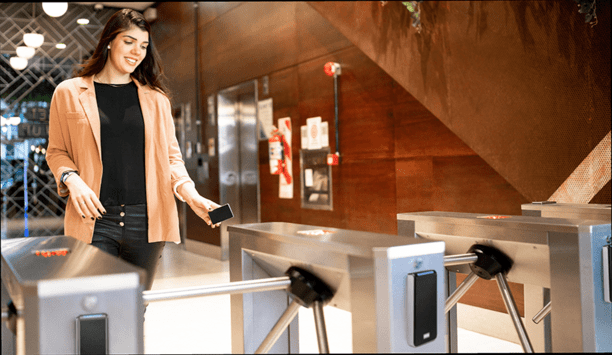
Enhancing enterprise security is high on the list of priorities for businesses across sectors. Within the retail industry, there is an additional focus on enabling new ways of working through management tools. Integrated solutions and applications help to create a robust security landscape and ensure a future-ready posture as organisations look to address emerging risks and create better experiences for next-gen employees. Physical access control (i.e., the readers on the door and the credentia...

Founded in 2010, Avolon is the third-largest aircraft leasing company in the world with 824 aircraft and 145 customers in 62 countries. Its new global headquarters in Dublin is comprised of 6,967 sq m (75,000 sq ft) of secure office space across six floors that houses its IT, catering, legal, and communications departments. Need for a centralised monitoring solution Avolon’s new premises in the upmarket Ballsbridge area of Dublin provided an opportunity for the company to rethink its app...

How do you rethink and transform building access for a 241-year-old company? BNY started by asking employees. The response was encouraging. The BNY team found that employees embraced the concept of mobile access solutions. The thought of implementing access solutions was already being considered by the company and the team was excited about the idea of providing a modern experience that allows employees worldwide to conveniently access their building spaces with a simple iPhone or Apple Watch....
HID virtual events





Expert commentary

Security beat


Haverhill Business Park, Phoenix Road, Haverhill, Suffolk, CB9 7AE, United Kingdom
Telephone: +44 (0)1440 714 850


