

 |
| The security landscape continues to evolve in new, complex ways for transportation customers |
Dealers looking to enter – or to expand their presence in – the transportation vertical must adapt to the unique needs of each transportation agency customer. Issues such as limited budgets/resources, aging technologies, operational challenges and safety issues must all be considered when designing a system to best meet an agency’s needs.
Integrators should seek to identify solutions that improve the agency’s capabilities to reduce manpower and operational costs, while providing the necessary level of safety and security for passengers and employees alike, says Steve Cruz, strategic transit solutions manager, Panasonic System Communications Company of North America. Tools like video analytics and easy-to-use video management software should be considered. It is also important to find technologies that are compatible with old systems and can be easily integrated with new technologies. “By understanding an agency’s everyday challenges, integrators can provide the best solution possible for each agency’s unique needs,” Cruz says.
For dealer/integrators, the non-homogeneity of the transportation market is one of its benefits, says Anthony Incorvati, business development manager, critical infrastructure and transportation, Axis Communications. He advises dealers to build business by seeking opportunities across the diverse choices in transportation. “Once they look at their own strengths and weaknesses, integrators can play off that and align themselves with a sub-segment of the market,” he advises.
There are many integrators who can play in various parts of the sub-segments, some of them very specialised, Incorvati notes. For example, an integrator could specialise in specific types of work in an airport project, a seaport project or a certain scope within a transit department. “There are specialised scopes of work that have specialised integrators,” says Incorvati.
Sometimes it’s hard to become successful in a transportation category for integrators more experienced with general applications. “If you haven’t done it before, and if you’ve only done static deployments – only strip malls and elementary schools – it’s a very different and challenging market,” Incorvati says. “It’s not just providing product, but working in the various environments, with unions, during hours when trains aren’t in service. It’s very demanding in terms of contract deliverables and documentation – more than just providing hardware and software. It’s important to understand what these end users require and demand from their integrators.” For example, the intelligent transportation system (ITS) market tends to be specialised with a focused group of integrators, with little opportunity for new players, Incorvati says.
The security integrator, not just the security systems, is paramount to the success of any type of system implementation at a transportation entity, says Joshua E. Phillips, director of enterprise and critical infrastructure at Verint Systems Inc. The security integrator’s on-site and service staff can develop a deep understanding of the facility engineering, IT operational standards and customer personnel to identify synergies, foresee hidden obstacles and bring a wealth of experience from previous similar projects, Phillips says.
But does everyone realise the value of the security integrator’s perspective? The integrator would be wise to hold regularly scheduled performance reviews where they set some or most of the agenda, and ensure that new ideas and areas of opportunity are presented against the backdrop of cost mitigation or revenue improvement, says Phillips. The customer may see these ideas as credibility-building and be willing to grant integrators one of their most important assets – trust.
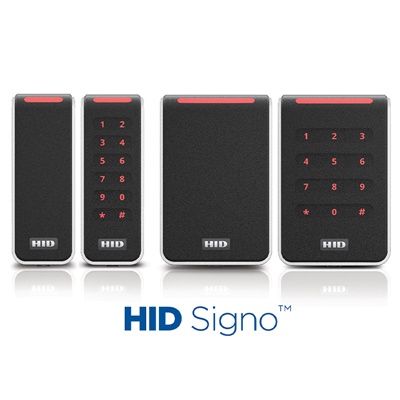
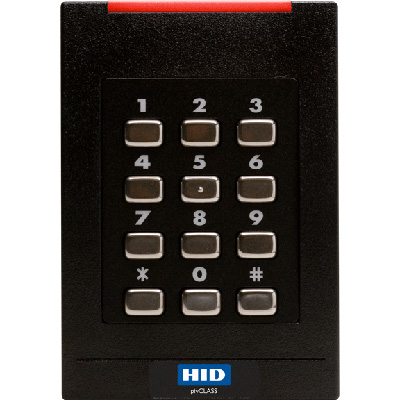
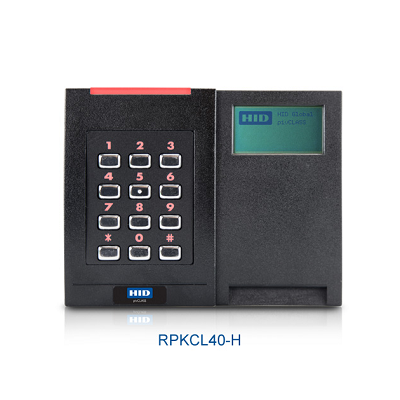
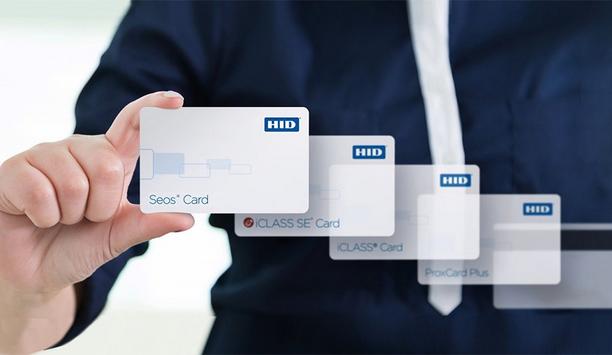
The security landscape continues to evolve in new, complex ways for transportation customers, says Jeremy Hyatt, director of marketing, HID Global. This evolution brings change on many levels, which can and should be interpreted as an opportunity for improvement rather than an interruption or a distraction. This concept has never been more important for integrators as they face increasing pressure to deliver greater value and solve more complex problems for their transportation customers, Hyatt says.
“Integrators can help these customers to expand and upgrade their systems easily and inexpensively to meet changing needs while leveraging new technologies,” he says. With access control platforms that use dynamic rather than static technologies, security become independent of hardware and media, supporting evolution beyond current abilities with the adaptability to combat continuously changing threats. “Helping transportation customers make the right technology decisions today will also help them meet new requirements with the confidence they will be able to preserve investments in their existing infrastructure,” says Hyatt.
As with any market, security integrators need to take time to cultivate a relationship with the end users, so that they can design solutions that best fit the customer’s needs, says John Recesso, strategic business development manager, Sony Electronics’ Security Systems Division. Integrators should also have a deep understanding of the transportation industry and its unique challenges, so they can speak intelligently with decision makers and act as true partners, he adds. Finally, it’s critical that they have a team with the technical experience necessary to see the installation through from beginning to end, as well as provide post-installation troubleshooting, training and support, according to Recesso.
From facial recognition to LiDAR, explore the innovations redefining gaming surveillance