

The coronavirus pandemic had a monumental impact on all aspects of the business world, including the security industry. However, amid the gloom and doom, many security professionals also saw opportunity: New ways the industry’s products could be applied to address the challenges of coping with the virus. This article will review some of those opportunities, based on our reporting throughout the year and including links back to the original articles.
During and after the pandemic, security systems are an important asset when it comes to helping to keep occupants and buildings safe as employees return to work. For example, video analytics can provide insight into how spaces have previously been used and can help to predict where and when occupants encounter each other or congregate.
Role of thermal cameras
These foot-traffic patterns can inform settings for a variety of devices - like ventilation and temperature controls - and even help owners create social distancing plans and monitor personal protective equipment (PPE) compliance. Thermal surveillance, a mainstay of traditional physical security and outdoor perimeter detection, began being deployed early in the pandemic to quickly scan employees, contractors and visitors as part of a first line of defence to detect COVID-19 symptoms.
These systems provide flexibility and can offer integrations with multiple VMS platforms and access control devices
These systems provide flexibility and can offer integrations with multiple VMS platforms and access control devices. Thermal cameras can be a tool for detecting fever, but any use of the technology for this purpose is full of qualifications and caveats. Importantly, how the camera system is configured makes all the difference in whether temperature readings are accurate, and the downside of inaccurate readings is obvious - and potentially deadly.
Temperature detection systems
FDA guidelines limit how the cameras are used, not to mention guidance from other regulatory/government bodies such as the CDC. One of our Expert Roundtable panelists compares the market to a “wild west scenario,” and almost all the panelists are clear about how customers should approach the market: Buyer beware.
There are many companies jumping into selling temperature detection systems to the state, local governments, hospitals, airports and local businesses, but do they know how to drive one? Anyone can get behind a car and drive it into a wall by accident. The same can happen with a temperature detection system. Customers need to know what questions to ask to ensure they maximise the accuracy of body temperature detection systems.
Rise of contactless
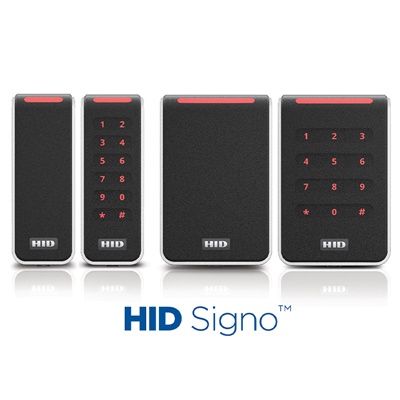
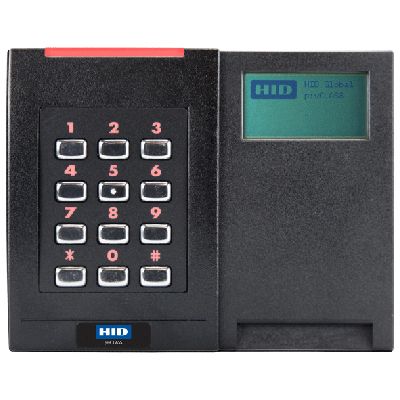
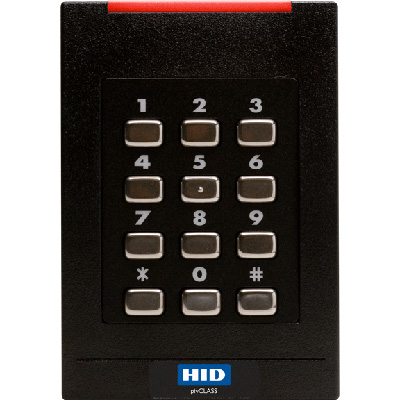
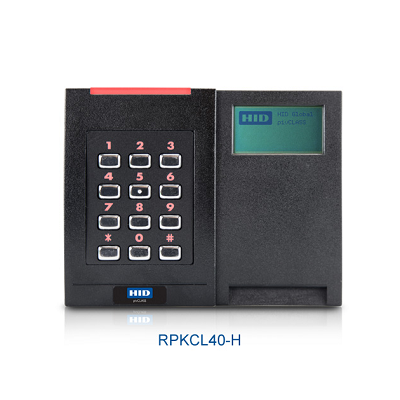
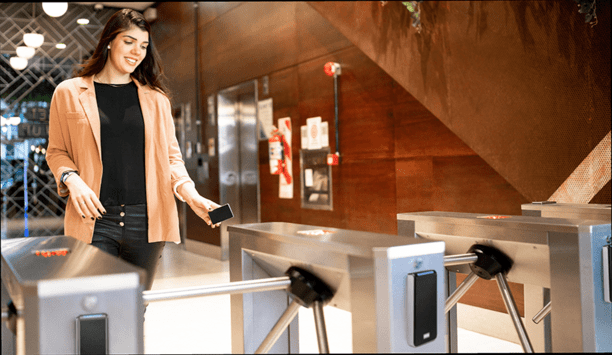
Spread of the novel coronavirus has jolted awareness of hygiene as it relates to touching surfaces such as keypads. No longer in favor are contact-based modalities including use of personal identification numbers (PINs) and keypads, and the shift has been sudden and long-term. Both customers and manufacturers were taken by surprise by this aspect of the virus’s impact and are therefore scrambling for solutions.
Immediate impact of the change includes suspension of time and attendance systems that are touch-based
Immediate impact of the change includes suspension of time and attendance systems that are touch-based. Some two-factor authentication systems are being downgraded to RFID-only, abandoning the keypad and/or biometric components that contributed to higher security, but are now unacceptable because they involve touching. "Users do not want to touch anything anymore,” says Alex Zarrabi, President of Touchless Biometrics Systems (TBS).
Facial recognition system
Another contactless system that benefits from concerns about spread of COVID-19 is facial recognition. New advancement in software, specifically in the areas of algorithms, neural networks and deep learning and/or artificial intelligence (AI), have all dramatically improved both the performance and accuracy of facial recognition systems, further expanding its use for an increasing number of applications.
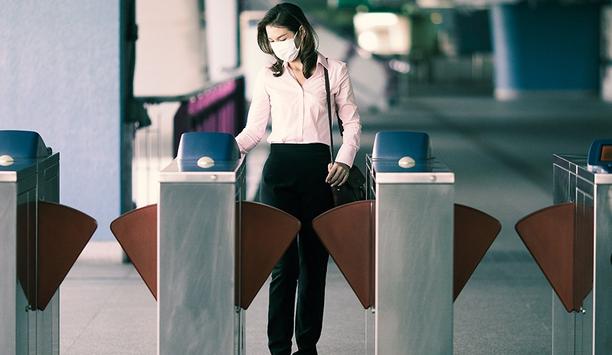
A low-tech solution - the face mask - became a leading preventative measure during the pandemic. But, a high-tech solution is necessary to ensure that everyone is wearing them. Cameras powered by artificial intelligence can now identify whether or not people entering a facility are wearing facemasks and help enforce adherence to mask mandates. This technology is proving to be a cost-effective solution that reduces risks of confrontations over masks policies and gives managers the data they need to document regulatory compliance and reduce liability.
Smart video analytics
Other technology approaches, including artificial intelligence (AI), were also brought to bear during the pandemic. The German data analytics powerhouse G2K, for example, has developed a Corona Detection and Containment System (CDCS) that is ready for immediate use in record time. Detection takes place in combination with AI-supported data analysis to specifically identify virus hotspots and distribution routes, as well as to identify other potentially infected persons.
One specific AI application fuels the reopening of the world and successfully keeps the spread of the virus abated
One specific AI application fuels the reopening of the world and successfully keeps the spread of the virus abated. A “collaborative security” application includes a synthesis of smart video analytics, facial recognition, object identification/detection, and thermal cameras that can support the reopening of businesses globally when installed within those facilities frequented by customers.
Enforcing social distancing
Several applications have been successful to date and will increase in usability in the foreseeable future, creating “smart cities” working together towards a safer, more secure world. The site of one pilot programme is the 250,000-square-foot HID Global facility in Austin. For the pilot programme, 80 HID Location Services readers were installed in a wide area in the facility, including a variety of environments. Initially 30 badges and 30 fobs, all BLE-enabled, were issued to employees.
If a badge identifies another nearby beacon (suggesting a social distancing failure), it emits a blinking LED light, which can be seen by the offending co-worker. To ensure social distancing, a Bluetooth Low Energy (BLE) beacon is emitted from an employee’s fob (or from a badge that has the same functionality). The beacon communicates peer-to-peer with a beacon emitted by another employee’s fob or badge to alert if the location of the two employees is less than six feet apart.
For contact tracing, the beacons communicate via a nearby “reader” (a BluFi BLE-to-Wi-Fi gateway) to the Bluzone cloud-based software-as-a-service.
COVID-19 white papers
In addition, we published several White Papers in 2020 that addressed various aspects of the coronavirus pandemic. They included:
- The top five security lessons learned that apply across all industries navigating COVID-19.
- Using video analytics to keep staff, visitors and customers safe by enforcing social distancing.
- How antimicrobial treatment on door handles and levers can reduce disease spread.
- How companies can put in extra precautions that will continue to grow and adapt with their environment over the long-term.
- Determining the practicalities and capabilities of today's thermal cameras to accurately detect body temperature.
Learn why leading casinos are upgrading to smarter, faster, and more compliant systems

- Network / IP
- Biometrics
- Airport security
- Physical security
- Hospital security
- Perimeter security
- Security installation
- Security camera systems
- Security access systems
- Radio frequency Identification
- Facial recognition systems
- Asset tracking
- Video analytics
- Building security
- Facility security
- Door security
- Security software
- Visitor management systems
- Thermal imaging
- Physical Security Information Management (PSIM)
- Emergency lighting
- Integration software
- Perimeter protection
- Outdoor Security
- Data Security
- Intruder Lights
- Cloud security
- Artificial intelligence (AI)
- COVID-19
- Smart Cities
- Machine Learning
- Touchless Security