Are schools and universities safer these days?

Editor Introduction
Violence in our schools and colleges often makes headlines, suggesting a growing and scary trend. A consequence of high-profile school shootings and other reports of violence is to increase awareness of the need to ensure safety and security of students, faculty and staff. The events have prompted more than one educational institution to take a second look at their security policies and infrastructure, with an eye toward improvement. But to what effect? Has greater awareness of violence in educational institutions actually led to more security? We asked this week’s Expert Panel: Are schools and universities safer today than ever before? How is technology contributing to keeping educational institutions safe?


Schools and universities are most certainly safer than ever before! High profile violence incidents, especially active shooters tragedies, have increased collective security awareness. Heightened awareness leads to safer practices, improved emergency preparedness and security technology innovations. Collaborative efforts that involve stakeholder groups, such as administrators, responders and students, are the key to a safer learning environment. Investing in technology advances in 1) access control (e.g. electronic access, visitor management) and 2) communications (e.g. duress capabilities, mass notification) is the most effective way to protect people. Video surveillance innovations also abound, but these systems mostly provide value from an investigative standpoint.
Both K-12 and higher-education campuses are making progress, but I’m still seeing a need for both to do more. There are over 130,000 K-12 schools and over 4,000 colleges/universities in the United States. Funding is always a major concern – until something unfortunate happens. Schools and universities should seek out and work with outside security experts to put a comprehensive plan in place, including the formation of campus safety/security committees. I’m a strong advocate of a police officer being assigned to all campuses. The real key to successfully securing a campus is getting buy-in from leadership. There are still too many schools and universities not up to par. I’d like to see minimum, mandatory federal standards for them to follow. Access control, communications/mass notification and CCTV solutions are the primary solutions. Those schools and universities that have applied security technology into their overall plan are seeing benefits.

Some key factors spring to mind in the UK. There are more students than ever, as growing population fills schools and government policy promotes further education for school-leavers. So, there will be more unsafe occurrences owing to human nature when that many congregate. Social mores have changed, so activities that were once shrugged off now get escalated, pushing down thresholds of what is deemed safe. Students away from home for the first time, and naturally expanding their behavioural boundaries, are classed as “vulnerable.” Each institution may have a duty to protect thousands over vast areas. Indeed, security is big news in their marketing efforts. We’re used to technology being deployed to bar unauthorised people from safe areas, surveillance recording everyone, and alarms calling rapid assistance. Security drives big numbers in education: students, staff, hardware, guards, managers and, consequently, money.

A recent federal study showed 75 percent of U.S. K-12 (primary and secondary) schools have increased spending on security since the December 2012 Sandy Hook massacre. Bond issues and budgets are now finding room for security upgrades. Schools are becoming safer. Much of the money being spent is going toward protecting the entrances. Video intercoms, visitor management systems and electronic locks have made major contributions to keep unwanted visitors out of school buildings. Additional surveillance cameras are also helping to monitor campus events. On higher-education campuses, mass notification systems provide vital information and instructions to follow during and immediately following an emergency. Also, IP-based video intercoms in emergency stations, wall boxes and towers in parking lots and other remote areas allow students to immediately engage with campus police. We’re making progress, but we can’t relax as long as our students’ lives remain at stake.

While it is difficult to generalise about the trends in all aspects of security and safety measures, it can be said that there's certainly more technology available today than ever before for enhancing school security and safety. On the video side, high-quality cameras can be placed in entrances/exits, public areas and restricted areas to quickly detect and respond to possible threats or investigate incidents. On the access control side, wireless and networked systems now make it feasible to put readers in areas such as dorm rooms. Campuses have also come a long way in emergency management technology and procedures. The integration of different systems – video, access, intrusion, voice/audio – makes emergency managers a lot more effective. Smart phones now enable students and campus personnel to immediately alert security and even record video/audio for investigations. Security officials can get instantaneous alerts on possible incidents on their smart phones.

The challenge for schools and universities is maintaining an open culture while protecting the safety of people and belongings. That is why a security system should allow users to separate public and non-public zones, set varying access criteria and maintain extremely high levels of security. Today’s security management systems allow users to monitor everything centrally, including access control, video management and intrusion detection. This ensures they can keep a complete overview of everything that’s happening and can respond faster. Another challenge is driven from the fact that universities change dramatically over the years, whether because there are more students or in order to adapt educational models driven by governmental regulations. These changes are often unforeseen. This is why a security management system needs to be able to adapt and expand over a period of time as requirements change to ensure that their levels of security meets today’s risks.

Despite headline-grabbing news regarding schools' security breaches, these facilities are generally safer than ever for a number of reasons. First, most schools now stop visitors from casually entering the premises by funnelling them to a secure reception area. This is in stark contrast to the traditional approach that often failed to challenge people walking into buildings. This tends to be administered by good access control (including locked doors and secure fencing) in conjunction with the latest in integrated CCTV systems and software that quickly detects unusual behaviour or intruders and alerts the security team. Security at modern schools can also deal with issues inside the campus. For example, access control can regulate attendance and movements (both entering and leaving the site) to ensure potential bullying situations are monitored and discouraged. Also cards/biometrics can be used instead of money on site, so the temptation for theft and intimidation is also reduced.

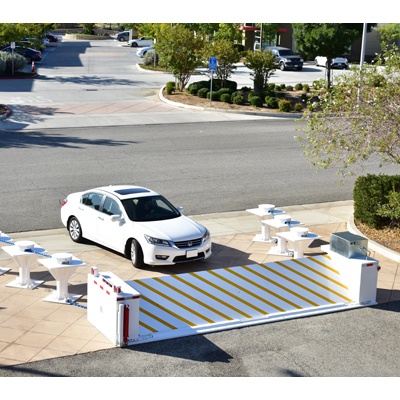
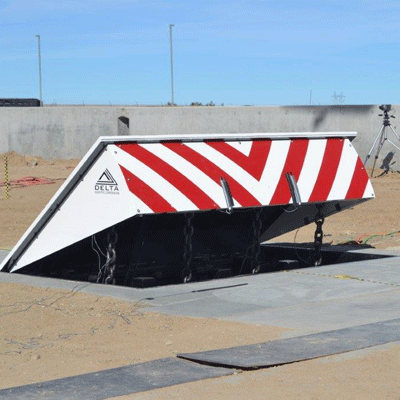
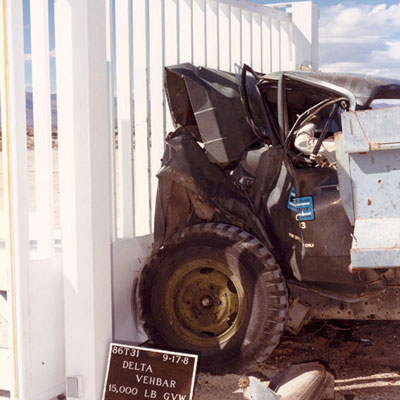
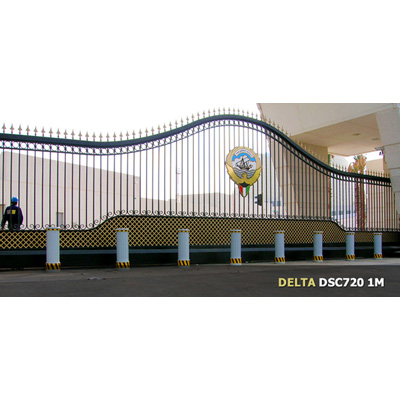
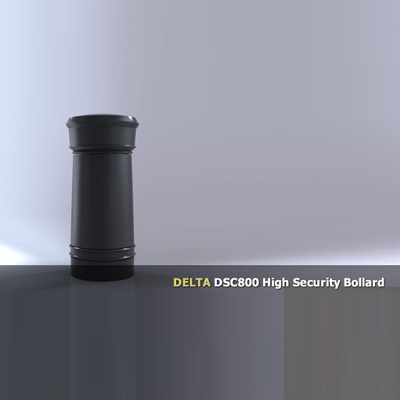
Protecting campus perimeters of facilities is no small responsibility. Campus safety concerns have always been to keep pedestrians safe, to protect structures from accidental or intentional automobile crashes and to keep employees and visitors from harm. A wide variety of campuses find peace of mind through the use of barriers, barricades and bollards for vehicle-based physical access control at their perimeters. Fixed post bollards protect the perimeter of buildings at Boston University Medical Center. At Stanford University, permanent pneumatically-operated bollards restrict vehicular traffic from entering the campus via maintenance roads. UCLA uses decorative bollards throughout the campus to restrict vehicle access to student housing areas.

Generally speaking, security products are more accurate and better today than previously. For example, buildings have better early warning systems for fire, which means they are safer than they were with previous systems with less advanced technology. From a general perspective, better technology results in more accurate security systems that can be tailored for the needs of specific environments. Interoperability is being proven in these newer systems, where different kinds of hardware work together and platforms are integrated together to make smarter and more efficient security systems.
Editor Summary
It’s difficult to establish a clear line of cause and effect between the installation of security technologies in educational facilities and the overall safety of students, faculty and staff in those institutions. There are simply too many other variables in play. Obviously, use of security technologies is just one factor of many determining the safety of our schools and universities. However, as our Expert Panel has agreed, technology is an important element that can have a real impact on school safety, which is good enough reason to install more of it.
Delta Scientific Corporation products





Delta Scientific Corporation news

Delta Scientific Corporation, the global pioneer in high-impact vehicle barricade systems, is proud to announce the launch of its newest innovation: the DSC50 “S” Barrier, a lightweight, crash-rated security solution tailored for temporary deployment across high-traffic urban environments. Motivated by recent public safety challenges and a mounting global awareness of vehicular threats, Delta’s engineering team designed the DSC50 “S” Barrier to provide rapid, visua...
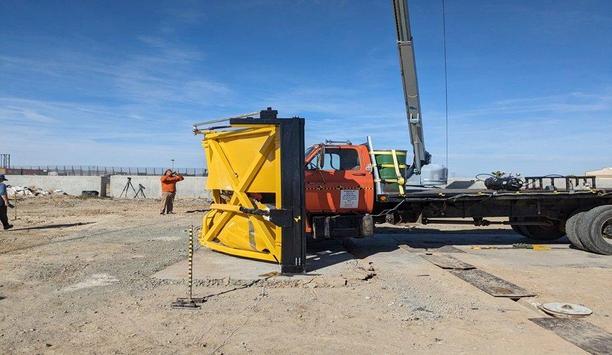
Delta Scientific, the manufacturer of counter-terrorist vehicle control systems used globally, announced their MP100 portable barrier system has successfully achieved an M30/P3 designation. Total penetration was measured at a mere 51 feet, making this an industry pioneer. The MP100 was tested to the new ASTM F2656-23 standard which measures the penetration level from the pioneering edge of the barrier versus the back-side of the barrier of the previous standard. Foldable design The MP100 port...
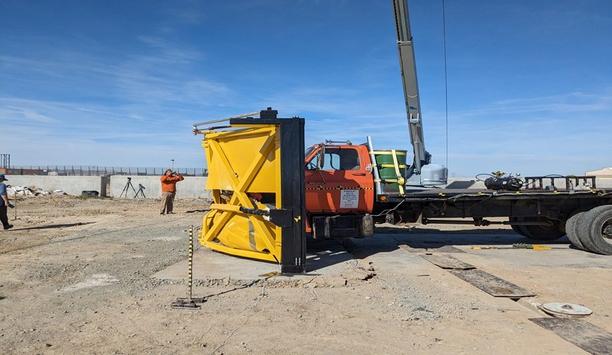
Delta Scientific, the manufacturer of counter-terrorist vehicle control systems used globally, announced their MP100 portable barrier system has successfully achieved a PU30/P3 designation. Total penetration was measured at a mere 29 ft, making this an industry pioneer. The MP100 was tested to the new ASTM F2656-20 standard which measures the penetration level from the leading edge of the barrier versus the back-side of the barrier of the previous standard. MP100 portable barrier system The M...
Delta Scientific Corporation case studies

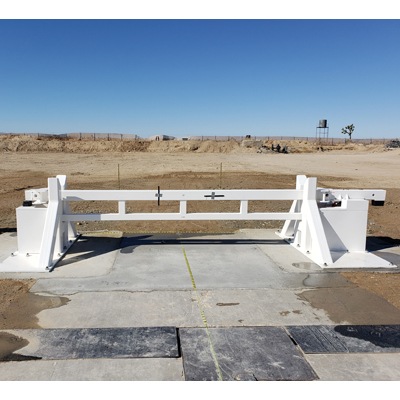
The DSC550 was tested to the new ASTM F2656-20 standard which measures the penetration level from the foremost edge of the barrier versus the back-side of the barrier like the previous standard. This can provide a difference of (1.52 m.) and makes the negative penetration level even more impressive. Design and features The DSC550 open frame barrier features a shallow foundation of only 24 inches (61 cm). The open-frame design additionally provides a unique counter-balance design with no spring...

This July, Delta Scientific expanded its partnership with American Family Field, home of the Milwaukee Brewers, delivering new levels of crowd protection for fans and staff alike. After deploying MP5000 portable barriers for perimeter safety, stadium officials turned to Delta again, this time for a flexible solution at tighter access points. The answer: the MP100, Delta Scientific’s newest portable barrier with M30/P3 crash rating, rapid setup, and custom Brewers decals. Whether protec...
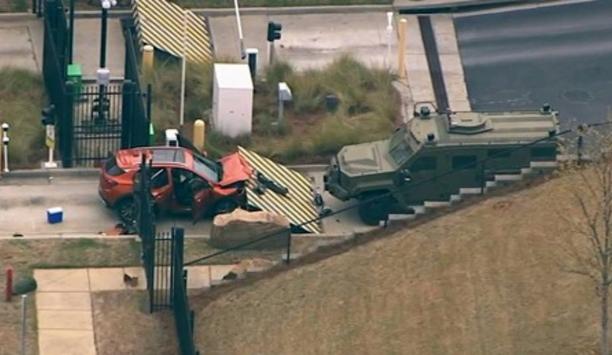
Delta Scientific, the pioneering manufacturer of counter-terrorist vehicle control systems used globally, announced that on Monday, April 1st, a DSC501 High-Security Barricade stopped an unauthorised vehicle from entering an FBI field facility in Atlanta, Georgia. According to officials, the orange Buick Encore tried to follow an FBI employee’s car into the facility before being stopped by the Delta DSC501 barrier. The driver was then apprehended by special agents who were in the immediat...
Delta Scientific Corporation videos


Delta Scientific: 40 Years Protecting the World's Most Important Facilities
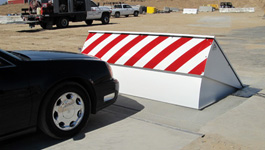
Delta Scientific Corporation DSC 207s Embassy barricade for US State Department
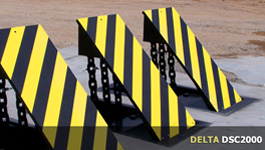
Delta DSC2000 Barricade System for High Speed Applications
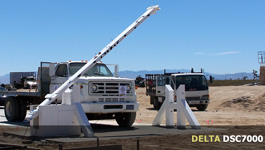
Delta's DSC7000 Barricade to Secure Wide Roadways from Attacking Vehicles

Delta DSC7500 Beam Barricade for Counter Terrorist Level Protection against Vehicle Attack

Delta Scientific Corporation- Leading Manufacturer of High-Security Anti-Terrorist Barricades
DSC 288 Slide Gate
DSC 650 Shallow Bollard System
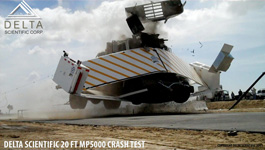
Delta Scientific Portable Barriers-MP5000
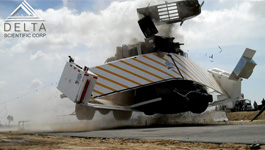
Delta Scientific Corporation- DSMP5000 16 Foot Version
Delta Scientific Corporation MP5000 Portable Counter Terrorist Barricade System Deployment
Delta Scientific Corporation DSC600 Shallow Foundation Fixed Bollard Array -K12 Crash test
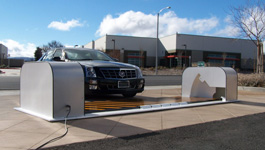
Delta Scientific Corporation DSC-1200 Surface Mounted Barricade
Delta Scientific's DSC 501 Shallow Foundation Barricade for Security and Vehicle Access Control
Expert commentary

Security beat

| Head Office 40355 Delta Lane Palmdale, CA 93551 USA  +1 (661) 575-1100 +1 (661) 575-1100  www.deltascientific.com www.deltascientific.com |


