
 |
| There seems to be genuine uncertainty amongst manufacturers at the future direction for HD, low-latency video provision |
Growing slice of the $13 billion video surveillance equipment market or small-time niche which can never keep up with the double-digit growth rates for network surveillance? It’s a very different outlook for HD CCTV technology, depending on who you speak to.
There are those who see the growing revenues and a viable alternative to HD IP cameras for many applications, there are those who want to remain technology neutral by introducing the “third string to their bow” and there are those who simply don’t believe in the technology at all. “Even accounting for the inevitable bias towards their own product line – there seems to be genuine uncertainty amongst manufacturers at the future direction for HD, low-latency video provision”, explains David Green, Senior Analyst for Video Surveillance at IHS.
Starting with the ‘basic’ form of HD-SDI technology drafted in from the broadcast world, HD CCTV offered live view, high-definition images with the chance to keep legacy coaxial cabling. Relying on demand from markets with high volumes of installed analogue systems hasn’t been a guarantee of success though. For example, over 4 million analogue cameras are sold each year in the USA, to a market that is predominantly replacement rather than new installation. Yet penetration rates for HD CCTV are low – especially when compared to the likes of China. So what other factors are in play? “Cost and cable reach are the common discussion points that seem to put many off”, offers Green. “Whilst there’s clearly a demand out there for this third solution, it’s fair to say that sales can’t hit that next level of growth until costs reduce and 100 metre transmission limits are improved.”
"Whilst there’s clearly a demand out |
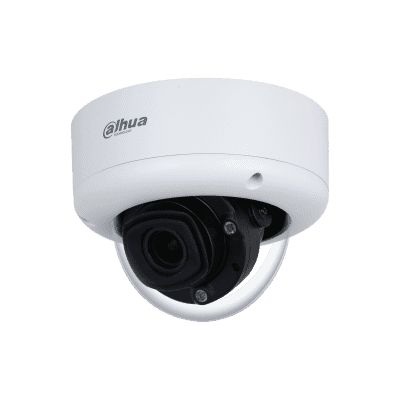
However, there is cause for optimism with the launch of “second-generation” HD CCTV products starting to kick in. For example, Dahua has already launched its CVI technology, the HDcctv Alliance has released the 2.0 standard, and it’s more than just rumour that other equipment and semiconductor manufacturers have their own proprietary solutions in the latter stages of development. In all cases, the claims of 300-1,000 metre transmission ranges and prices closer to analogue than network equipment should break down some of the barriers to adoption.
In particular, this will sustain the growth in revenue for South East Asia – but could yet open doors to other developing markets such as Latin America.
“Whether or not HD CCTV can crack more developed markets such as the USA remains to be seen,” concludes Green. “But second-generation HD CCTV solutions sold to developing markets definitely pushes the global picture towards a growing slice of the market, rather than the small-time niche.”
From facial recognition to LiDAR, explore the innovations redefining gaming surveillance